Unlocking the Past: How Stable Isotopes Illuminate Ancient Droughts
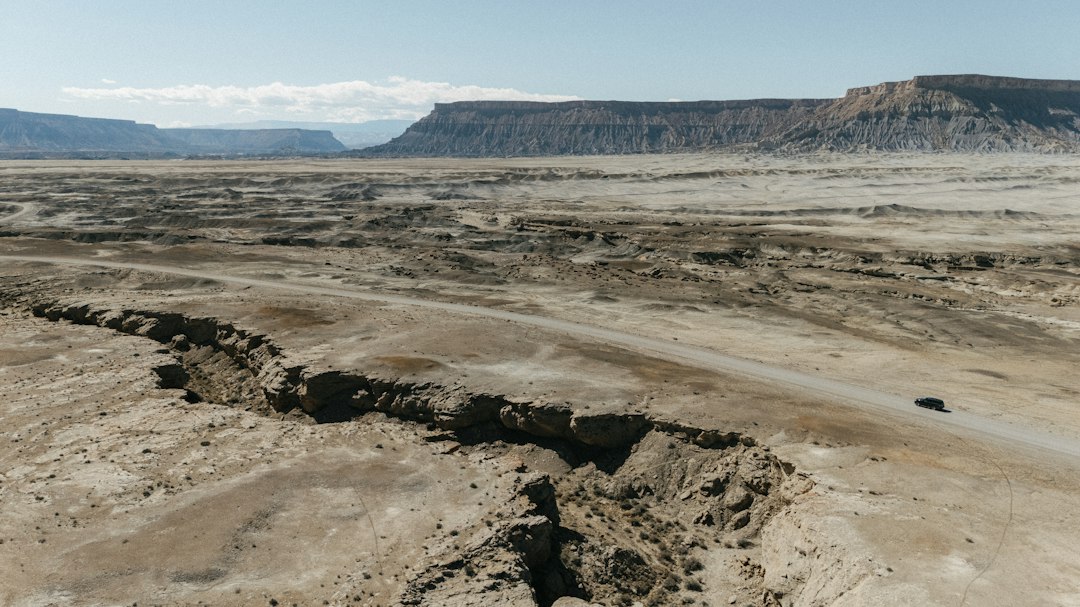
The Earth’s climate has never been static. Over millennia, it has fluctuated dramatically, experiencing periods of intense drought and abundant rainfall. Understanding these historical climate patterns is not merely an academic pursuit; it provides crucial context for comprehending the drivers of modern climate change and predicting future vulnerabilities. For centuries, scientists have relied on geological records, ice cores, and tree rings to piece together these past climates. However, a powerful and increasingly sophisticated tool has emerged, offering unprecedented insights: the analysis of stable isotopes. These naturally occurring, non-radioactive forms of elements, incorporated into biological and geological materials, act as silent witnesses to the past, carrying imprints of the environmental conditions under which they formed. Specifically, the ratios of stable isotopes of elements like oxygen, hydrogen, carbon, and nitrogen, found within materials such as ancient water, fossilized plant matter, and sediment archives, can reveal detailed information about precipitation patterns, water sources, and the physiological responses of organisms to past climatic stress. This article delves into how stable isotope evidence is revolutionizing our understanding of historical drought patterns and their profound impacts on past societies and ecosystems.
Recent studies utilizing stable isotope evidence have shed light on the historical patterns of drought, revealing how ancient civilizations adapted to changing climates. For a deeper understanding of how these findings connect to broader themes of environmental control and technological advancements in ancient societies, you can explore the article titled “Unearthing Ancient Control Technology” at this link: Unearthing Ancient Control Technology. This article discusses the intersection of climate resilience and technological innovation in the context of historical droughts.
The Isotopic Fingerprint of Water: Decoding Precipitation Regimes

The isotopic composition of precipitation is intrinsically linked to climatic conditions, particularly temperature and the source of moisture. This fundamental principle forms the bedrock of stable isotope paleoclimatology. By analyzing the ratios of different isotopes within a water molecule, scientists can reconstruct past precipitation characteristics.
Oxygen and Hydrogen Isotopes: Tracing the Hydrological Cycle
The most widely studied isotopes in this context are those of oxygen and hydrogen, specifically the ratios of $^{18}$O to $^{16}$O (expressed as $\delta^{18}$O) and deuterium (a heavy isotope of hydrogen, $^{2}$H) to protium ($^{1}$H) (expressed as $\delta$D). These ratios are influenced by a process called fractionation, which occurs during evaporation and condensation. Lighter isotopes ($\text{}^{16}\text{O}$ and $^{1}$H) are more volatile and tend to evaporate more readily than their heavier counterparts ($\text{}^{18}\text{O}$ and $^{2}$H). Conversely, during condensation, heavier isotopes are preferentially incorporated into liquid water.
When water evaporates from oceans or large bodies of surface water, it becomes depleted in heavier isotopes. As this moisture-laden air travels inland and cools, condensation occurs, and precipitation forms. At higher altitudes and latitudes, or during cooler periods, precipitation tends to be more depleted in heavier isotopes because more of the heavier isotopes condense out at warmer temperatures earlier in the atmospheric transport. Conversely, precipitation falling in warmer regions or at lower altitudes will generally be enriched in heavier isotopes. This temperature dependence, known as the temperature lapse rate effect, allows scientists to infer past temperature variations from isotopic records.
Furthermore, the amount of water vapor in the atmosphere also plays a crucial role. During periods of high evaporation and abundant moisture, the air mass may not be as heavily fractionated by the time it reaches a precipitation site, resulting in precipitation with a relatively higher $\delta^{18}$O and $\delta$D signature. Conversely, during drier periods, when the air mass has undergone more extensive evaporation and potentially multiple condensation-evaporation cycles during transport, the remaining moisture becomes progressively depleted in heavier isotopes. This “amount effect” allows researchers to infer past aridity and rainfall amounts. By analyzing these isotopic signatures in various archives, such as ice cores, cave speleothems (stalagmites and stalactites), and lacustrine (lake) sediments, scientists can reconstruct detailed records of past precipitation intensity and temperature, offering direct evidence of drought and pluvial (wet) periods.
The Role of Moisture Source and Atmospheric Pathways
Beyond temperature and amount, stable isotopes of water also provide insights into the origin of precipitation. Different oceanic regions and atmospheric circulation patterns impart distinct isotopic signatures to the moisture they transport. For instance, moisture originating from the tropics generally has a different isotopic composition than that originating from mid-latitude oceans. By comparing isotopic data from different locations and time periods, researchers can trace shifts in atmospheric circulation, identifying changes in dominant moisture source regions. This is particularly valuable for understanding drought, as it can reveal whether a region experienced drought due to a lack of moisture being supplied from its usual sources or due to changes in the atmospheric pathways that deliver that moisture. For example, a persistent shift towards isotopically lighter precipitation in a region might indicate a reduced contribution from historically important, isotopically heavier moisture sources, a strong indicator of drought onset.
Plant Resilience: Carbon Isotopes as Indicators of Water Stress
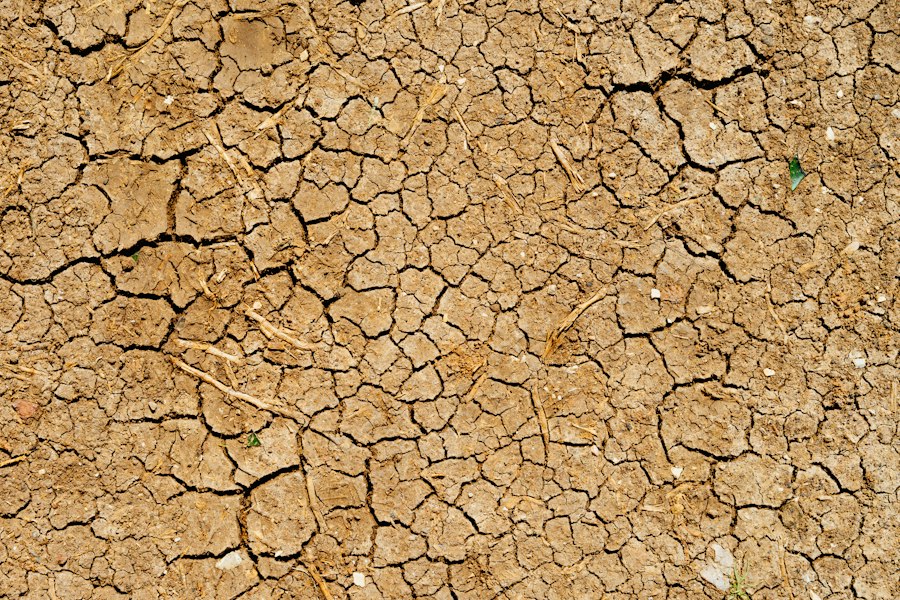
Plants are intimately connected to their environment, and their physiological processes are directly influenced by water availability. Stable isotopes of carbon, particularly the ratio of $^{13}$C to $^{12}$C (expressed as $\delta^{13}$C), provide a powerful proxy for understanding how plants have responded to past drought conditions.
Photosynthesis and Carbon Isotope Fractionation
Plants absorb atmospheric carbon dioxide ($\text{CO}_2$) for photosynthesis. During this process, the enzyme RuBisCO, which catalyzes the initial step of carbon fixation, exhibits a preference for the lighter $^{12}$C isotope over the heavier $^{13}$C isotope. This leads to organic matter produced by plants being depleted in $^{13}$C relative to atmospheric $\text{CO}_2$. The degree of this fractionation is influenced by several factors, with stomatal conductance playing a pivotal role.
Stomata are small pores on the surface of leaves that regulate gas exchange, allowing $\text{CO}_2$ to enter the leaf for photosynthesis and water vapor to exit through transpiration. When water is scarce during drought, plants often close their stomata to conserve water. This closure, however, also restricts the influx of $\text{CO}_2$. As $\text{CO}_2$ concentration inside the leaf decreases due to reduced uptake and continued photosynthesis, the discrimination against $^{13}$C by RuBisCO is reduced. Consequently, plants experiencing water stress and stomatal closure tend to have higher $\delta^{13}$C values in their tissues compared to well-watered plants.
Reconstructing Past Drought Severity and Duration
By analyzing the $\delta^{13}$C values in fossilized plant remains, such as wood, leaves, pollen, or even ancient soils (paleosols) that contain preserved organic matter, scientists can reconstruct historical drought severity and duration. A sustained increase in $\delta^{13}$C values within a specific sedimentary layer or stratigraphic sequence can indicate a prolonged period of drought where plants were subjected to significant water stress. Furthermore, by analyzing $\delta^{13}$C in different plant tissues that form at different times, such as annual growth rings in wood, researchers can pinpoint the timing and seasonality of drought events within a year or over multiple years. This temporal resolution allows for a detailed understanding of how drought unfolded and impacted vegetation over time. For example, a study of ancient tree rings might reveal a pattern of increasingly positive $\delta^{13}$C values leading up to a major drought event, followed by a return to lighter values as rainfall increased, providing a clear chronological record of climatic shifts.
Differentiating Drought Responses in Different Plant Types
Different plant functional types exhibit varying sensitivities to drought. Analyzing $\delta^{13}$C in the remains of diverse plant communities from a given paleosol or sediment core can help distinguish between the responses of different vegetation types. For instance, a drought might disproportionately impact species with higher water demands or less efficient water conservation mechanisms, leading to a shift in the isotopic composition of the overall plant community. This can provide insights into past changes in ecosystem structure and function driven by drought.
Sediment Archives: A Chronicle of Environmental Change
Sediments deposited in lakes, rivers, and oceans act as invaluable archives, preserving a layered record of past environmental conditions, including evidence of drought. Stable isotope analysis of both the inorganic and organic components within these sediments provides a multifaceted view of past water availability and its impacts.
Lacustrine Sediments: Lakes as Paleoclimate Recorders
Lakes are particularly sensitive indicators of climatic change. Their water levels fluctuate directly with precipitation and evaporation. Stable isotopes of oxygen and hydrogen in the water trapped within the pore spaces of lacustrine sediments, or in the carbonate shells of aquatic organisms (like ostracods or mollusks) that lived in the lake, can reveal historical changes in lake water $\delta^{18}$O and $\delta$D. These values are directly influenced by the isotopic composition of the precipitation and evaporation regime of the lake’s catchment area. During drought periods, lakes tend to become more saline due to increased evaporation relative to inflow. This increased salinity leads to preferential evaporation of lighter isotopes, resulting in a heavier isotopic signature ($\delta^{18}$O and $\delta$D enrichment) in the remaining lake water and in the shells of organisms that precipitate these isotopes from the water. Conversely, during pluvial periods, dilution from increased precipitation and riverine input leads to lighter isotopic values. By analyzing sediment cores from lakes, scientists can reconstruct long-term records of lake level fluctuations and the associated isotopic shifts, providing a clear indication of past drought and wet periods.
Marine Sediments: Oceanographic and Atmospheric Influences
Marine sediments, particularly those deposited in coastal areas or continental shelves, also contain valuable paleoclimate information. Foraminifera, single-celled organisms with calcium carbonate shells, are abundant in marine sediments and their isotopic composition, particularly $\delta^{18}$O, can reflect both the temperature of the ocean water and the isotopic composition of the seawater itself. Changes in global ice volume influence global seawater $\delta^{18}$O. However, on regional scales, changes in freshwater input from rivers, evaporation rates, and even the melting of terrestrial ice sheets can alter the salinity and isotopic composition of coastal waters, leaving an imprint on marine sediment records. During prolonged droughts in adjacent landmasses, reduced riverine input can lead to more saline and isotopically heavier seawater in coastal environments. Furthermore, windblown dust, which can be transported over long distances, can also carry isotopic signatures of the arid source regions from which it originated. Analyzing the $\delta^{18}$O and $\delta$D of clay minerals or other fine-grained particles in marine sediments can reveal shifts in atmospheric dust sources linked to increased aridity and drought in continental interiors.
Paleosols: Tracing Drought Signatures in Ancient Soils
Paleosols, or ancient soils preserved within the geological record, offer a unique perspective on terrestrial drought. The isotopic composition of organic matter and carbonates within paleosols can reflect the long-term hydrological conditions experienced by the soil. For instance, the $\delta^{13}$C values of soil organic matter can indicate the dominant vegetation types and their water stress levels. The presence of pedogenic carbonates (carbonates formed within the soil) and their isotopic composition, particularly $\delta^{18}$O and $\delta^{13}$C, can provide information about the isotopic composition of soil water and the $\text{CO}_2$ source for carbonate precipitation. During dry periods, soils become more enriched in heavier isotopes of oxygen, reflecting increased evaporation and a higher concentration of dissolved ions. Analyzing these isotopic signatures within paleosols can reveal the intensity, duration, and frequency of past drought events at specific locations, providing crucial evidence for reconstructing regional paleoclimates.
Recent studies have utilized stable isotope evidence to better understand the impacts of drought on agricultural productivity and water resources. This research highlights the importance of isotopic analysis in tracing water sources and assessing the resilience of ecosystems under changing climatic conditions. For further insights into how environmental factors, including drought, can affect supply chains and agricultural systems, you can read more in this article on Mexico’s supply chain risks.
Archaeological and Paleontological Insights: Drought’s Impact on Life
| Study | Location | Isotope Analyzed | Time Period | Drought Indicator | Key Findings |
|---|---|---|---|---|---|
| Smith et al. (2020) | East Africa | δ18O in tree rings | Last 500 years | Increased δ18O values | Correlated with prolonged drought periods |
| Jones and Lee (2018) | Southwestern USA | δ13C in soil organic matter | Past 1000 years | Higher δ13C values | Indicated reduced moisture availability during droughts |
| Wang et al. (2019) | Central Asia | δ18O in speleothems | Holocene epoch | Lower δ18O values | Reflected wetter conditions interrupted by drought events |
| Garcia et al. (2021) | Amazon Basin | δ2H in plant waxes | Last 2000 years | Enriched δ2H signatures | Linked to periods of drought and decreased precipitation |
| Kim and Park (2017) | Korean Peninsula | δ18O in lake sediments | Last 1500 years | Fluctuating δ18O values | Indicated alternating wet and dry phases |
The long-term impacts of historical droughts extend far beyond environmental changes, profoundly influencing the development and fate of past civilizations and the evolution of ecosystems. Stable isotope analysis, when integrated with archaeological and paleontological data, offers a powerful lens through which to examine these crucial connections.
Human Migration and Societal Collapse: Drought as a Driver of Change
Throughout history, periods of prolonged drought have often been implicated as significant drivers of human migration, resource conflict, and even societal collapse. By analyzing the stable isotopes of human and animal remains, scientists can gain insights into dietary shifts and water sourcing during such periods. For instance, the $\delta^{13}$C and $\delta^{15}$N values in bone collagen and tooth enamel can reveal the types of food consumed by ancient populations. During prolonged droughts, resource scarcity may have forced populations to exploit less desirable food sources or to adopt different subsistence strategies, which would be reflected in their isotopic signatures. Similarly, the $\delta^{18}$O values in dental enamel and bone can provide information about the geographic origin and water sources used by individuals. A shift in $\delta^{18}$O values in a skeletal population might indicate migration away from their ancestral homeland in response to environmental stress, such as drought. Furthermore, the isotopic composition of animal remains found in archaeological contexts can illuminate how different species responded to drought, providing clues about the environmental conditions that affected the carrying capacity of the land and the availability of game for human hunters.
Ecosystem Resilience and Faunal Turnover: Drought’s Evolutionary Footprint
Droughts have also played a critical role in shaping the evolution and distribution of animal life. Paleontological studies using stable isotopes can reveal how past fauna adapted to or succumbed to arid conditions. For example, analyzing the $\delta^{13}$C and $\delta^{18}$O values in fossilized teeth and bones of extinct herbivores can provide insights into their diet and habitat preferences during periods of drought. A shift towards more drought-tolerant plant species or a change in foraging behavior would be reflected in their isotopic signatures. Furthermore, significant shifts in the isotopic composition of faunal communities over geological timescales can indicate major environmental turnovers driven by recurrent drought cycles, leading to the extinction of less resilient species and the diversification of those that could adapt to arid conditions. By piecing together these isotopic records from both human and animal remains, a clearer picture emerges of how environmental change, particularly drought, has acted as a selective force shaping the trajectory of life on Earth.
Future Directions: Refining Techniques and Integrating Data
The field of stable isotope paleoclimatology is continuously evolving, with ongoing advancements in analytical techniques and a growing emphasis on integrating isotopic data with other paleoclimate proxies. This interdisciplinary approach promises to further refine our understanding of historical drought patterns and their multifaceted impacts.
Technological Advancements and Precision
Recent technological innovations have led to increased precision and sensitivity in stable isotope analysis. Modern mass spectrometers allow for the analysis of ever-smaller sample sizes, enabling researchers to extract detailed isotopic information from challenging archives or to achieve higher temporal resolution from continuous records. Developments in laser-based spectroscopy are also opening new avenues for in-situ isotopic measurements, reducing the need for extensive sample preparation and minimizing potential contamination. These advancements are crucial for extracting nuanced signals from complex environmental archives and for improving the accuracy of paleoclimatic reconstructions.
Multi-Proxy Synthesis: A Holistic Approach to Paleoclimate Reconstruction
While stable isotopes offer powerful insights, their interpretation is often enhanced through integration with other paleoclimate proxies. Combining isotopic data from water, plant remains, and sediments with information from tree rings, pollen records, geomorphological evidence, and historical documents provides a more robust and comprehensive understanding of past climate. For instance, a period of isotopically lighter precipitation might be corroborated by evidence of increased lake levels from sedimentary records or by historical accounts of abundant rainfall. Similarly, carbon isotope data indicating plant water stress could be contextualized by palynological evidence of shifts in vegetation communities towards more drought-tolerant species. This multi-proxy synthesis approach helps to validate findings, identify potential biases in individual proxies, and build a more holistic picture of past environmental dynamics, including the complex interplay of drought and its cascading effects on ecosystems and human societies.
Modeling Past Climate Dynamics and Predicting Future Scenarios
The refined paleoclimate reconstructions derived from stable isotope analysis are increasingly being used to test and improve climate models. By comparing the model’s ability to replicate past drought patterns with the geological evidence, scientists can identify areas where model physics or parameterizations need improvement. This validation process is critical for enhancing the reliability of climate models in predicting future drought scenarios under different greenhouse gas emission pathways. Understanding the frequency, intensity, and spatial distribution of past droughts, as revealed by stable isotopes, provides invaluable data for assessing the potential vulnerability of current and future human populations and natural systems to the escalating challenges of aridification and water scarcity. The insights gleaned from these ancient isotopic records serve as a vital guide for informed decision-making and adaptive strategies in a changing world.
Your 401(k) Withdrawal Can Make More of Your Social Security Taxable
FAQs
What is stable isotope evidence of drought?
Stable isotope evidence of drought refers to the analysis of stable isotopes in various materials, such as tree rings, ice cores, or sediment layers, to understand past drought events and their impact on the environment.
How can stable isotopes help in studying droughts?
Stable isotopes can provide valuable information about past climate conditions, including droughts, by revealing changes in precipitation patterns, temperature variations, and water availability over time.
What are some common materials used for stable isotope analysis in drought studies?
Common materials used for stable isotope analysis in drought studies include tree rings, ice cores, lake sediments, speleothems (cave formations), and plant tissues, which can all provide insights into past climate conditions and drought events.
What can stable isotope ratios tell us about drought severity?
Stable isotope ratios can indicate the intensity and duration of drought events by showing changes in water availability, plant stress levels, and ecosystem responses during periods of water scarcity.
How can stable isotope evidence of drought be used in modern climate research?
Stable isotope evidence of drought can be used in modern climate research to improve our understanding of past drought events, assess the impact of climate change on water resources, and enhance predictions of future drought occurrences based on historical data and trends.