
The Ominous Haze: An Unforeseen Deluge
The sky, a bruised canvas of perpetual twilight, wept without cessation. For days, the heavens had opened, not with the gentle patter of a summer shower, but with a relentless, driving deluge that seemed intent on washing the very world away. In the quiet village of Oakhaven, nestled beside the meandering Willow Creek, life had become a study in hushed anticipation. The creek, usually a placid ribbon of silver, had begun to swell, its banks groaning under the strain. What started as a trickle of concern had escalated into a symphony of dread as the water, transformed into a churning, opaque entity, began its inexorable ascent. The familiar stepping stones, a comforting and practical feature that had guided generations across the creek’s narrower stretches, were the first to disappear, swallowed by the insatiable brown tide. Their absence marked a profound shift, a tangible sign that the natural order had been violently disrupted. The murky water, thick with sediment and debris, spoke of distant hillsides scoured clean, of trees uprooted, and of a primal force unleashed. The air hung heavy, not just with the scent of damp earth and decaying leaves, but with an unsettling stillness, a preternatural quiet that preceded the storm’s full fury.
As communities grapple with the impact of climate change, the phenomenon of stepping stones disappearing in brown floodwater has raised concerns about the stability of our infrastructure and the environment. This issue highlights the importance of effective water management systems, reminiscent of historical innovations like the ancient Persian qanat system. For more insights into how ancient civilizations managed water resources and the lessons we can learn today, you can read the article here: The Ancient Persian Qanat System: A Water Management Marvel.
The Unfolding Crisis: Water’s Relentless Advance
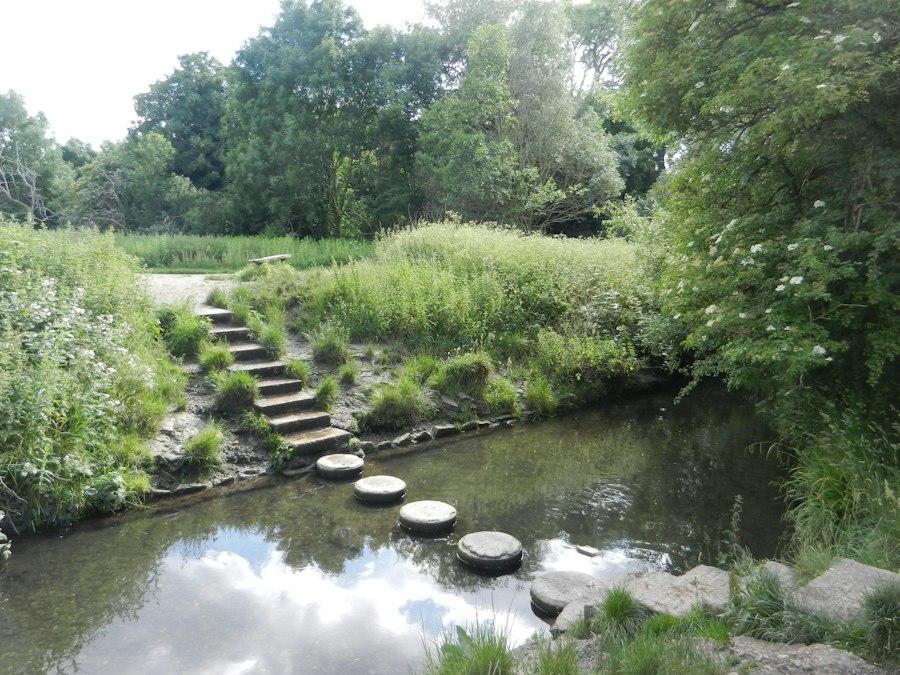
The initial stages of the flooding were met with a mixture of disbelief and a desperate hope that the rain would abate. Residents of Oakhaven, accustomed to the occasional high water mark, found themselves checking their weather apps with increasing frequency, each forecast offering little solace. The Willow Creek, fed by a vast, unseen network of tributaries and swollen ravines, was no longer a gentle companion but a burgeoning threat. By late afternoon on the third day of continuous downpour, the transformation was stark. The creek’s familiar winding path was obscured, replaced by a vast expanse of churning, muddy water that lapped at garden fences and crept up driveways. The once proud oak trees lining the banks, their roots normally firmly anchored, now stood like precarious sentinels, their lower branches submerged. The sound of the water was a constant, low roar, a primal murmur that seeped into the very foundations of homes.
The Disappearance of the Familiar
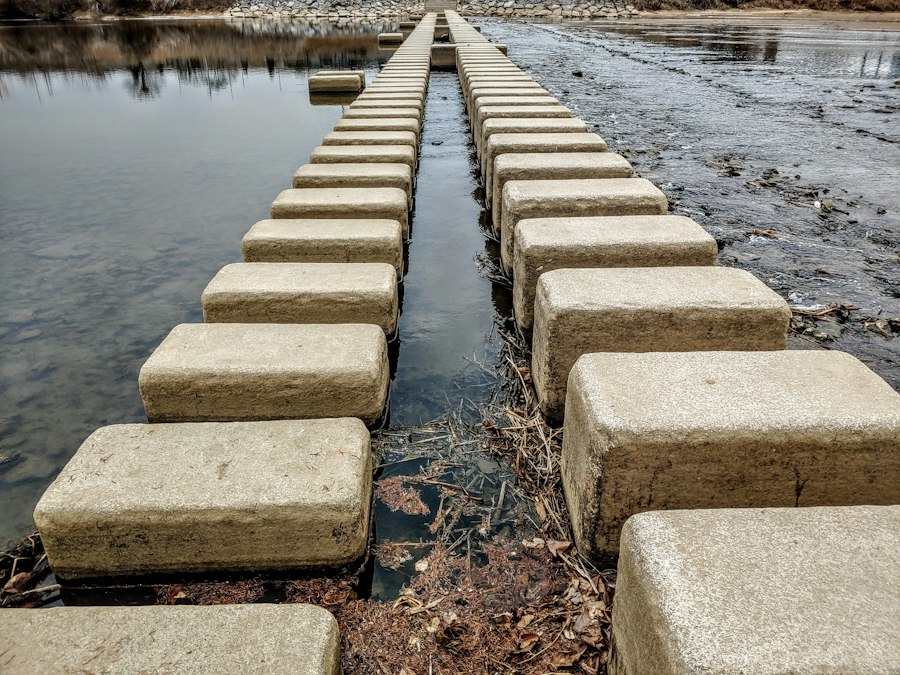
The most immediate and unsettling symbol of the encroaching flood was the vanishing of the stepping stones. These weren’t just decorative elements; they were functional bridges, a testament to the village’s history and its pragmatic relationship with nature. Children had learned to skip across them, lovers had strolled hand-in-hand over them, and farmers had used them to move livestock when the creek was merely swollen. Now, they were gone. Each submergence was a silent, terrifying disappearance, as if the earth itself was swallowing pieces of its own past. The water, a uniform, impenetrable brown, offered no hint of the solid ground that lay beneath. It was a disorienting loss, a removal of the familiar anchors that had grounded the community. The creek’s surface, once a reflective mirror to the sky, had become a turbulent, opaque shield, hiding its depths and its intentions.
Erosion and Undermining
Beyond the symbolic loss of the stepping stones, the rising water began to exert its physical force. The relentless currents, amplified by the sheer volume of water, started to gnaw at the creek’s banks. The rich, dark soil, saturated and loosened, was no match for the powerful surge. Small rivulets of mud began to slide into the main body of the creek, contributing to its ever-increasing murkiness. This erosion was not a gradual process; it was a steady, determined assault. Trees, their root systems already stressed by the prolonged saturation, began to lean precariously, their bark slick with mud. The gentle curve of the creek began to straighten in places, as the water found new, more direct paths, tearing through weaker points in the soil. The undermining of the banks was a constant, insidious threat, a reminder that the very ground upon which Oakhaven stood was being slowly, relentlessly reshaped.
The Rising Threat to Homes
As the water continued its relentless climb, the focus of the unfolding crisis shifted from the creek itself to the homes that bordered it. What had been a picturesque waterfront property was rapidly becoming a vulnerable island. Basements, once dry and secure storage spaces, began to fill with the cold, muddy water. The smell of damp, mildewing concrete mingled with the earthy aroma of the flood. For homes built closer to the water’s edge, the threat was immediate and existential. The foundations, designed to withstand the pressures of normal soil conditions, were now subjected to the constant, immense force of the floodwaters. Cracks, previously unnoticed, began to widen. Water seeped through walls, staining wallpaper and warping wooden panels. The familiar comfort of home was being replaced by a gnawing anxiety, the constant sound of dripping and the chilling realization that their personal sanctuaries were under siege.
The Human Element: Resilience and Despair
In the face of such overwhelming natural force, the human spirit of Oakhaven was put to the ultimate test. Neighbors, who in drier times might have only exchanged polite nods, found themselves united by a common enemy: the relentless flood. The crisis, however, brought with it a spectrum of emotions, from remarkable acts of altruism to the crushing weight of despair. The shared experience fostered a sense of camaraderie, yet the escalating danger also sowed seeds of fear and uncertainty.
Community Mobilization and Mutual Aid
The first instinct for many in Oakhaven was to help one another. With limited access to official aid in the initial hours, residents relied on their own resources and ingenuity. Sandbags, once a forgotten item in sheds and garages, were unearthed and filled with frantic urgency. Neighbors with higher ground offered shelter to those whose homes were being inundated. The local community center, usually a hub for bingo nights and craft fairs, transformed into a makeshift evacuation center and a command post for coordinating relief efforts. Volunteers, their faces etched with fatigue but their eyes alight with determination, worked tirelessly to ferry supplies, check on vulnerable residents, and offer words of comfort. The spirit of mutual aid was a beacon of hope, a testament to the enduring strength of community bonds in the face of adversity.
The Weight of Loss and Displacement
Despite the collective efforts, the flood’s destructive power was undeniable. For some, the loss was immediate and devastating. Belongings, irreplaceable photographs, cherished heirlooms – all were swept away or rendered irreparable by the murky brown water. The sight of furniture floating in the water, the windows of homes showing the water line creeping higher, was a stark reminder of what had been lost. Many were forced to evacuate their homes, leaving behind everything they owned, their lives reduced to the contents of a hastily packed bag. The displacement was not just a physical relocation; it was an emotional uprooting, a severing of the ties to a place that had been called home for years, even generations. The uncertainty of when, or if, they could return hung heavy in the air, a constant source of anxiety.
The Psychological Toll
Beyond the material losses, the psychological impact of the flood was profound. The constant presence of the water, the unnerving sound of its ceaseless movement, and the ever-present threat of further damage took a significant toll on residents’ mental well-being. Sleep became elusive, punctuated by the sound of rain and the fear of what the morning would bring. Anxiety levels soared, with many experiencing symptoms of stress and trauma. The familiar landscape of Oakhaven, once a source of comfort and belonging, was now a site of fear and devastation. The loss of the stepping stones, though a seemingly minor detail, represented a deeper loss of control and predictability, contributing to a sense of helplessness that gnawed at the community’s morale.
The Unseen Dangers Lurking Below
The murky brown floodwater was not merely an aesthetic inconvenience; it was a silent carrier of unseen hazards. Its opacity masked a multitude of potential dangers, transforming the familiar environment into a treacherous unknown. What lay beneath the surface was as concerning, if not more so, than the visible rising tide.
Contamination and Health Risks
The Willow Creek, in its normal state, was a relatively clean waterway. However, the torrential rains had changed its character entirely. The floodwaters had become a potent cocktail of agricultural runoff, sewage overflow, and industrial pollutants. Pesticides and fertilizers from upstream farms, raw sewage from overwhelmed septic systems, and whatever debris the deluge had dislodged from industrial areas were now mingled in the churning brown mass. Drinking water sources became suspect, and even brief contact with the water posed a significant health risk. Skin irritations, gastrointestinal illnesses, and more serious infections were a constant concern for residents and relief workers alike. The invisible threat of contamination turned every interaction with the floodwater into a gamble.
Debris and Hidden Obstacles
Beneath the deceptively smooth, albeit turbulent, surface of the floodwater lay a chaotic jumble of debris. Uprooted trees, their branches twisted and sharp, were a constant danger. Dislodged rocks, submerged vehicles, and twisted metal from damaged structures were hidden obstacles, capable of causing severe injury or significant damage to any watercraft attempting to navigate the flooded areas. The stepping stones, once solid and predictable, were now likely buried beneath this debris, their original locations marked only by treacherous underwater currents. The risk of stepping on something sharp or being struck by unseen floating objects was a constant worry for those venturing near the water’s edge.
Structural Instability
The relentless force of the water, coupled with the saturation of the soil, had created a precarious environment for the structures within Oakhaven. The very foundations of homes, weakened by the persistent moisture and the hydrostatic pressure of the flood, were at risk of collapse. Bridges, culverts, and retaining walls, subjected to the immense erosive power of the water, could fail without warning. The ground itself became unstable, with sinkholes and localized landslips a real possibility. The seemingly solid earth had become a fluid entity, its stability compromised by the overwhelming presence of the flood. This unseen structural instability added another layer of anxiety, as the community braced for the possibility of further, more catastrophic failures.
As communities grapple with the effects of climate change, the phenomenon of stepping stones disappearing in brown floodwater has raised concerns about environmental stability and safety. This unsettling occurrence highlights the urgent need for awareness and action regarding our changing landscapes. For those interested in exploring more about the impact of natural disasters and unexpected geographical changes, a related article can be found at this link, which delves into shocking discoveries that reveal the extent of our planet’s transformations.
The Long Road Ahead: Recovery and Resilience
| Metric | Value | Unit | Description |
|---|---|---|---|
| Water Turbidity | 450 | NTU | Measure of water cloudiness due to suspended particles |
| Water Depth Over Stepping Stones | 0.35 | meters | Average depth of floodwater covering stepping stones |
| Flow Velocity | 1.2 | m/s | Speed of floodwater flow over stepping stones |
| Visibility Distance | 0.1 | meters | Distance at which stepping stones can be seen underwater |
| Suspended Sediment Concentration | 1200 | mg/L | Amount of sediment suspended in floodwater |
| Duration of Floodwater Coverage | 48 | hours | Time stepping stones remain submerged |
As the relentless downpour finally began to subside, Oakhaven faced the daunting reality of recovery. The immediate crisis had passed, but the scars of the flood would linger for a long time. The process of rebuilding, both physically and emotionally, would be a testament to the community’s resilience.
The Scale of the Damage Assessment
Once the water receded enough to allow for safe access, the true scale of the damage began to emerge. Teams of assessors, their faces grim, fanned out across Oakhaven, documenting the devastation. Homes that were once proud and well-maintained were now waterlogged shells, their interiors ruined, their foundations compromised. Businesses had suffered extensive damage, their inventory lost, their infrastructure crippled. Public spaces, including the village green and the beloved park, were transformed into muddy, debris-strewn wastelands. The familiar landmarks of Oakhaven were altered, some irrevocably. The assessment was not just about cataloging destruction; it was about understanding the immense task of restoration that lay ahead.
Rebuilding and Infrastructure Restoration
The process of rebuilding would be a monumental undertaking. Repairing and reconstructing homes would require significant financial resources, specialized skills, and a considerable amount of time. The village’s infrastructure, from roads and bridges to utilities such as water and electricity, would need extensive repairs. The Willow Creek, the very source of the crisis, would require extensive erosion control measures and perhaps even rerouting in certain sections to prevent future catastrophes. The absence of the stepping stones would likely necessitate the construction of new, more robust crossings. This phase would be marked by collaboration between residents, local government, and potentially national aid organizations.
Rekindling Hope and Community Spirit
Beyond the physical reconstruction, the emotional and psychological recovery of Oakhaven would be equally crucial. The trauma of the flood would take time to heal. Support networks, mental health services, and community events would play a vital role in helping residents come to terms with their losses and rebuild their lives. The shared experience of adversity, while devastating, also had the potential to forge even stronger bonds within the community. The resilience displayed during the crisis would need to be channeled into the long and arduous process of recovery, fostering a renewed sense of hope and a determination to rebuild Oakhaven stronger and more prepared for the challenges that nature might present in the future. The vanishing stepping stones, once a symbol of loss, could eventually become a reminder of how the community, despite being submerged in adversity, ultimately found its way back to solid ground.
