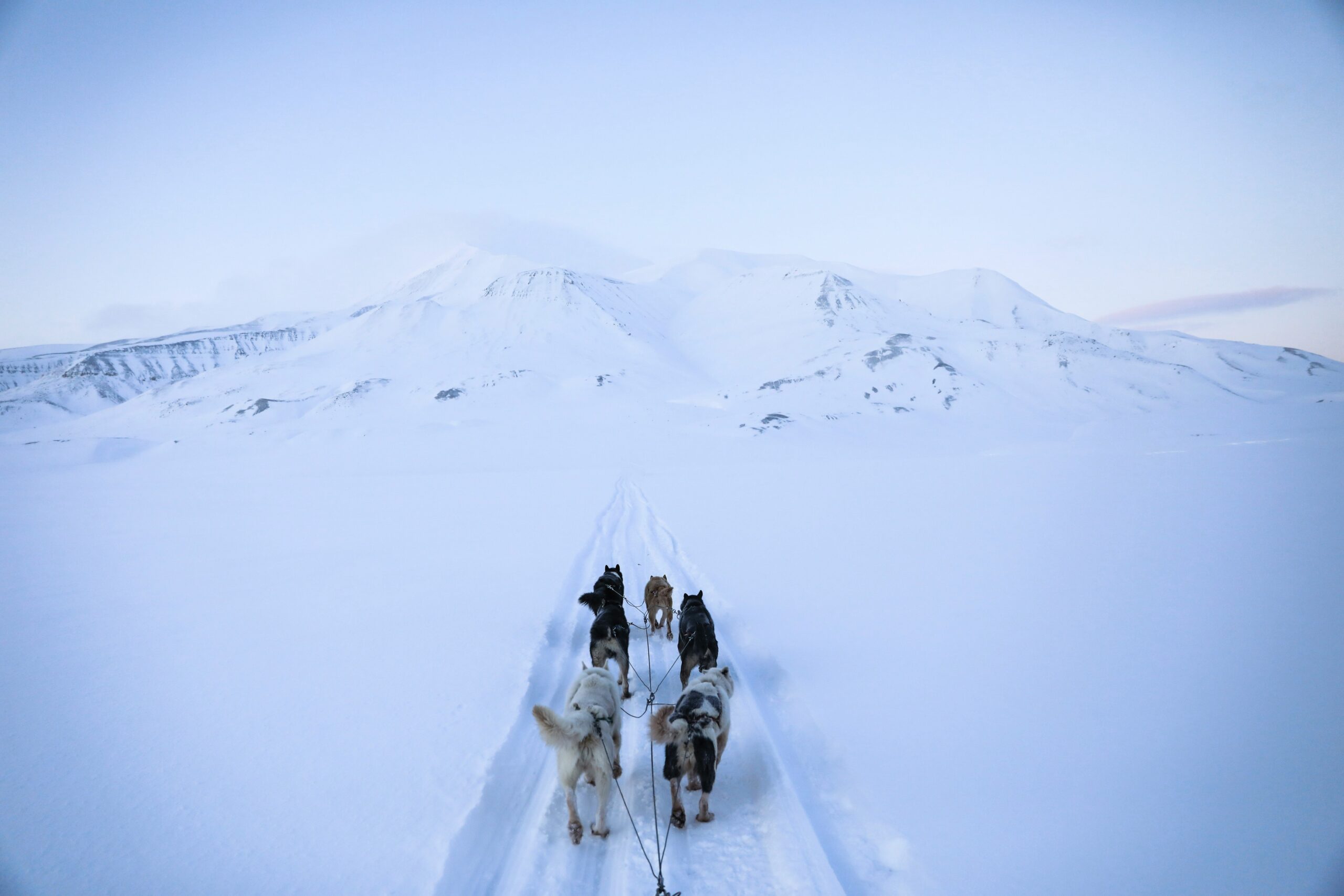
The biting wind whipped across the frozen tundra, carrying with it the sting of ice crystals. For a Paleolithic family, survival in such a harsh, snow-laden environment was not a matter of comfort, but of constant, tenacious effort. Their lives, dictated by the rhythm of the seasons and the availability of resources, were a testament to resilience, ingenuity, and an unbreakable bond that formed the bedrock of their existence. The Stone Age, often perceived as a period of brutal struggle, was also a time when familial units forged deep connections, adapting and, in their own way, thriving amidst the unforgiving landscape.
The challenges of a snowbound world were immense. Food was scarce, shelter was paramount, and the constant threat of predators, both animal and environmental, loomed large. Yet, within the protective embrace of their close-knit group, these early humans developed strategies that ensured not only their physical survival but also the continuation of their lineage and the transmission of vital knowledge. The image of a solitary hunter battling the elements is only part of the story; the reality was far more communal, with each member playing a crucial role in the family’s collective success.
The Shelter: A Haven Against the Frost
The construction and maintenance of a suitable dwelling were primary concerns for any Stone Age family facing winter. In regions prone to heavy snowfall, their shelters needed to be robust, well-insulated, and strategically located to offer maximum protection from the elements and potential threats. The choice of location was as important as the building materials themselves.
Choosing the Right Terrain
Families sought out areas that provided natural advantages. Caves and rock overhangs offered ready-made protection, requiring only minor modifications to improve insulation and create a more habitable space. If natural shelters were unavailable, families would opt for locations that offered some degree of windbreak, such as the lee side of a hill or a dense cluster of trees. Proximity to water sources, even if frozen for much of the year, was also a critical consideration. Being able to access melted snow or break through ice for drinking water was essential. Furthermore, areas with readily available fuel sources, such as dry wood or animal dung, were highly prized for their heating potential. The selection process involved careful observation of animal behavior and prevailing wind patterns, demonstrating an intimate understanding of their environment.
Building with Nature’s Bounty
When caves were not an option, families would construct dwellings from readily available materials. In snowy regions, this often meant using packed earth, stones, and animal hides. Mammoth bones, readily found in some areas, could form a sturdy framework for larger structures. These bones would be covered with thick layers of sod, mud, and animal skins, creating an effective barrier against the cold. The use of insulating materials like dried grasses and moss stuffed into gaps between stones and hides was crucial. The internal design of these shelters was simple yet effective, typically consisting of a main living area and perhaps a smaller sleeping chamber. A central fire pit, carefully managed to conserve fuel and minimize smoke, was the heart of the dwelling, providing warmth, light, and a place for cooking and communal gathering. The construction of these shelters was a collaborative effort, with all able-bodied members contributing their strength and skill.
Maintaining a Warm Interior
Keeping the interior of the shelter warm throughout the long, cold months required constant vigilance. The fire was the primary source of heat, and its maintenance was a shared responsibility. Younger members might be tasked with gathering smaller fuel materials, while older children and adults would manage the larger logs and ensure the fire did not die out. The strategic placement of sleeping areas around the fire pit maximized the benefit of the heat. Animal skins, carefully tanned and treated, served as warm bedding and were also draped over entrances to further insulate the dwelling. Periodically, fresh layers of insulating material might be added to the walls and roof, especially after heavy snowfall or periods of strong winds. The constant effort to maintain a habitable temperature underscores the challenging nature of their existence, where even basic comfort was a hard-won achievement.
Stone Age family life in snowy environments presents a fascinating glimpse into the resilience and adaptability of early humans. These families had to develop innovative strategies for survival, such as building insulated shelters and creating tools for hunting and gathering in harsh conditions. For a deeper understanding of how ancient peoples interacted with their environment, you might find this article interesting: Exploring the Earth-Moon Lagrange Points, which discusses the broader context of human exploration and adaptation.
Sustenance: The Daily Hunt for Food

Securing enough food to sustain the family through the lean winter months was perhaps the most demanding aspect of Stone Age life in snowy regions. While the landscape might appear barren, it harbored life, and the ability to locate, hunt, and process these resources was a testament to their advanced observational skills and knowledge of animal behavior.
Tracking Prey in the Snow
The presence of snow, while a hindrance, also offered advantages for hunters. Animal tracks, clearly visible on the white canvas, provided invaluable clues to the location and movement of potential prey. Skilled hunters could decipher these tracks, distinguishing between different species, identifying the age and sex of the animal, and even estimating how recently the tracks were made. They learned to read the subtle signs of disturbance in the snow, the bent branches of shrubs, or the scent carried on the wind, all of which contributed to their success. The patience and perseverance required to track prey for hours, or even days, were remarkable. It was a dangerous game, often involving close encounters with large and powerful animals.
Diverse Hunting Strategies
The hunting strategies employed were as diverse as the prey they sought. For larger game like mammoths and woolly rhinoceroses, communal hunts were essential. These hunts involved coordinated efforts, using spears, traps, and the terrain itself to corner and bring down the animals. The successful execution of such a hunt would provide a significant bounty of meat, fat, and hides, enough to sustain the family for an extended period. For smaller game, such as hares, birds, and rodents, individual or small group hunts were more common, often employing snares, nets, or throwing sticks. Fishing, even through ice, could provide a valuable source of protein. The ability to adapt their hunting techniques to the specific prey and environmental conditions was a key survival trait.
Processing and Preservation
The successful acquisition of food was only the first step. The processing and preservation of meat and other animal products were equally vital. Carcasses were meticulously butchered, with every part utilized to its fullest potential. Meat could be eaten fresh, but for longer storage, it was often dried or smoked. Drying involved cutting the meat into thin strips and exposing it to the wind and sun, or to the warmth of the fire, to remove moisture and prevent spoilage. Smoking involved exposing the meat to smoke from a slow-burning fire, which not only helped preserve it but also imparted a distinct flavor. Animal fat was a crucial source of calories and could be rendered and stored in bladders or stomachs. Hides were tanned and used for clothing, bedding, and shelter. This meticulous utilization of resources ensured that no part of a hunted animal went to waste, maximizing the benefit of their hard-won kills.
Social Bonds: The Strength of the Clan

The harsh realities of Stone Age existence in a winter environment forged incredibly strong social bonds within the family unit and the wider clan. Cooperation, mutual reliance, and a deep sense of shared responsibility were not simply desirable traits; they were the very foundations upon which their survival rested.
Intergenerational Knowledge Transfer
The transmission of knowledge from older generations to younger ones was a critical aspect of their social structure. Elders, with their accumulated wisdom and experience, were invaluable repositories of information. They taught the young about edible plants, the habits of animals, the properties of different stones for toolmaking, and the art of tracking and hunting. Stories and oral traditions served as a powerful means of passing down not only practical skills but also cultural values, beliefs, and moral codes. These lessons were often delivered through observation and participation, with children learning by doing under the watchful guidance of their elders. This continuous flow of knowledge ensured that essential survival skills were not lost with each passing generation.
Division of Labor and Cooperation
Within the family, a clear division of labor existed, with tasks often allocated based on age, gender, and physical capability. Men and older boys were primarily responsible for hunting and toolmaking, while women and younger children focused on gathering, processing food, maintaining the fire, and crafting clothing and domestic items. However, this division was not rigid. During times of great need, such as a difficult hunt or a severe storm, all members would contribute to whatever task was most pressing. Cooperation was paramount. Collaborative hunts, the sharing of food and resources, and mutual assistance in times of illness or injury were commonplace. This inherent spirit of teamwork fostered a strong sense of community and ensured that no individual was left to face the challenges alone.
Ritual and Community
Beyond the practicalities of survival, social cohesion was reinforced through shared rituals and communal activities. While evidence of specific Stone Age winter rituals is scarce, it is likely that gatherings around the fire, accompanied by storytelling, singing, and perhaps rudimentary musical instruments, played a significant role in strengthening social bonds and providing emotional support. These moments of shared experience, however simple, offered respite from the constant struggle and reinforced their collective identity. The shared vulnerability of facing winter together undoubtedly fostered a sense of belonging and mutual care.
Technology and Ingenuity: Tools for Survival
The Stone Age, by its very name, highlights the fundamental role of stone in the technological advancements of early humans. However, their ingenuity extended far beyond mere stone tools, encompassing a sophisticated understanding of materials and a remarkable ability to adapt them to their specific needs in a frozen world.
Mastering Stone and Bone
The creation of tools was a painstaking and highly skilled craft. Flint, chert, and obsidian were favored for their ability to fracture conchoidally, producing sharp edges suitable for cutting, scraping, and piercing. Stone-tipped spears and arrows were essential for hunting. Hand axes and knives were used for butchering animals and processing hides. Scrapers, made from sharp flakes, were vital for preparing animal skins for clothing and shelter. Beyond stone, bone and antler were also extensively utilized. Bone awls were used for punching holes in hides, while bone needles, though rare, suggest the ability to stitch together more complex garments. Antler could be fashioned into sturdy spearheads or tools for engraving and carving. The selection of raw materials, the knapping techniques, and the finishing processes all demonstrate a deep understanding of material properties.
The Importance of Fire
Fire was an indispensable tool for Stone Age families in winter. Its importance cannot be overstated. It provided warmth, deterring the deadly chill. It was used for cooking food, making it more digestible and killing harmful bacteria. The smoke from fires could be used to preserve meat and to signal to other members of the clan. Furthermore, fire served as a powerful deterrent against nocturnal predators, creating a zone of safety around the dwelling. The ability to reliably start and maintain a fire was a crucial skill, and the development of techniques for fire-starting, such as friction methods using wood or striking flint against pyrite, represented a significant technological leap.
Innovations in Clothing and Shelter
The harsh winter necessitated innovative solutions for staying warm. The primary material for clothing was animal hides, carefully scraped clean of flesh and fat, then tanned using animal brains or smoke. These hides were then cut and stitched together using bone needles and sinew threads to create functional garments. The layered approach to clothing, with multiple skins worn for maximum insulation, was essential. The design of these garments likely evolved to include coverings for the head, hands, and feet, recognizing the significant heat loss from these extremities. As discussed earlier, shelter construction also involved considerable technological prowess, utilizing natural materials in sophisticated ways to create warm, insulated environments. The integration of these various technological advancements, from toolmaking to fire management and clothing production, was crucial for surviving and thriving in a snow-covered world.
Exploring the dynamics of Stone Age family life in snowy environments reveals fascinating insights into survival strategies and social structures. For a deeper understanding of how ancient families adapted to harsh climates, you might find it interesting to read about various economic scenarios that could impact modern societies. This article discusses potential challenges that could mirror the struggles faced by our ancestors, highlighting the importance of resource management and community support. You can check it out here.
Resilience and Adaptation: A Legacy of Endurance
| Aspect | Description | Estimated Data / Metrics |
|---|---|---|
| Family Size | Typical number of members in a Stone Age family group living in snowy regions | 5-8 individuals |
| Daily Temperature | Average temperature during winter months in snowy Stone Age habitats | -10°C to -30°C (14°F to -22°F) |
| Clothing Materials | Primary materials used for clothing to survive cold weather | Animal hides, fur, layered skins |
| Food Sources | Main diet components during winter in snowy environments | Hunted game (reindeer, mammoth), gathered roots, stored dried meat |
| Shelter Type | Common shelter structures used to protect from snow and cold | Snow caves, animal skin tents, wooden huts |
| Fire Usage | Frequency and purpose of fire in daily family life | Daily use for warmth, cooking, and protection |
| Childcare | Methods of caring for children in harsh snowy conditions | Close physical contact, wrapped in fur, carried by adults |
| Social Structure | Family roles and cooperation in survival tasks | Division of labor by age and gender, communal hunting and gathering |
The lives of Stone Age families in snowy landscapes were characterized by an extraordinary capacity for resilience and adaptation. They were not simply passive victims of their environment; they actively shaped their existence through their ingenuity, their strong social bonds, and their deep understanding of the natural world. Their ability to not only survive but also to thrive speaks volumes about the strength and adaptability of early humankind.
The Cycle of Seasons and Life
The rhythm of life for these families was dictated by the cyclical nature of the seasons. Spring brought the thawing of snow, the return of migratory animals, and a period of relative abundance. Summer offered opportunities for gathering plants and for long-distance migrations to better hunting grounds. Autumn marked a transition, a time for preparing for the coming winter, for storing food, and for reinforcing shelters. Winter, while the most challenging, was also a time for communal gathering, for storytelling, and for the continuation of life through childbirth. This cyclical understanding allowed them to plan, to conserve resources, and to anticipate the changes in their environment.
Adapting to Environmental Changes
While their lives were structured around predictable seasonal patterns, Stone Age families were also capable of adapting to less predictable environmental changes, such as prolonged cold spells or shifts in animal migration routes. Their diverse skill sets, their ability to work cooperatively, and their deep knowledge of the landscape provided them with the flexibility to respond to such challenges. A successful hunt one season might be followed by a difficult one the next, requiring adjustments in hunting strategies or a greater reliance on gathered resources. The ability to learn from these experiences and to modify their behavior accordingly was a hallmark of their adaptability.
The Enduring Human Spirit
The enduring legacy of these Stone Age families lies in their demonstration of the fundamental human capacity for survival. Their lives, though vastly different from our own, offer profound insights into the importance of community, resourcefulness, and an unwavering connection to the natural world. The challenges they faced were immense, yet they not only endured but also found ways to flourish, to raise families, and to pass on the knowledge that would ensure the continuation of their lineage. Their story is a testament to the resilience of the human spirit, a spirit that has allowed our species to populate and adapt to nearly every corner of the globe, from the frozen tundras of the Stone Age to the complex societies of today.

Life 20,000 Years Ago: The Ultimate Ice Age Fight to Survive
FAQs
What did Stone Age families do to survive in the snow?
Stone Age families in snowy regions relied on hunting animals for food, gathering edible plants, and creating warm clothing from animal hides to survive the harsh winter conditions.
How did Stone Age families keep warm in the snow?
Stone Age families kept warm in the snow by building shelters out of animal hides, branches, and rocks. They also used fire for warmth and cooking, which was essential for their survival in cold climates.
Did Stone Age families have any specific tools or techniques for living in the snow?
Stone Age families developed specialized tools such as bone needles for sewing warm clothing, snowshoes for easier mobility in the snow, and techniques for ice fishing to supplement their food sources during the winter months.
How did Stone Age families entertain themselves during the snowy season?
Stone Age families entertained themselves during the snowy season by telling stories, creating art on cave walls, playing simple games, and engaging in communal activities such as dancing and singing around the fire.
What role did children play in Stone Age family life in the snow?
Children in Stone Age families played a crucial role in helping with daily tasks such as gathering firewood, fetching water, and assisting in food preparation. They also learned essential survival skills from their parents to ensure their well-being in the snow.