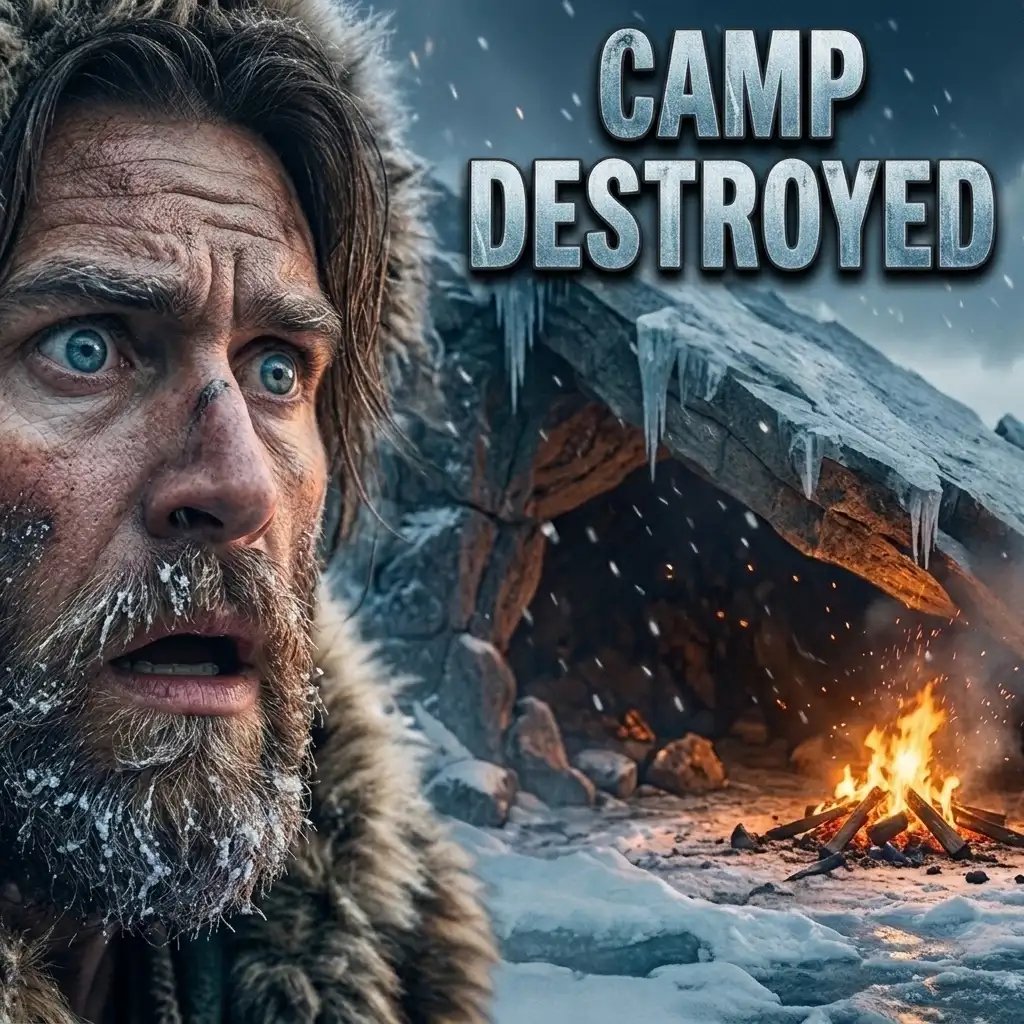
The Icy Challenge: Stone Age Survival in a Frozen World
The popular imagination often conjures images of Stone Age humans basking in perpetual sunshine, their lives dictated by the rhythm of the hunt and the availability of open water. This romanticized vision, however, omits a significant and often brutal aspect of prehistoric existence: the relentless challenge of winter and the critical need to manage frozen water sources. For our ancestors, the transition from a liquid to a solid state in the very element essential for life presented a formidable obstacle, one that demanded ingenuity, resourcefulness, and a deep understanding of their environment. This article delves into the strategies and adaptations employed by Stone Age humans to ensure their survival in landscapes dominated by ice and snow, exploring how they accessed, utilized, and even preserved this vital, yet often inaccessible, resource.
In exploring how Stone Age humans adapted to their environment, particularly in managing frozen water sources, one can draw parallels to modern resource management strategies. An insightful article that discusses contemporary economic strategies, including how nations manage their resources, can be found at this link. While the challenges faced by ancient humans were vastly different, understanding their innovative approaches to survival in harsh climates can provide valuable lessons for today’s resource management practices.
Early Innovations: Thawing, Cracking, and the Quest for Liquid
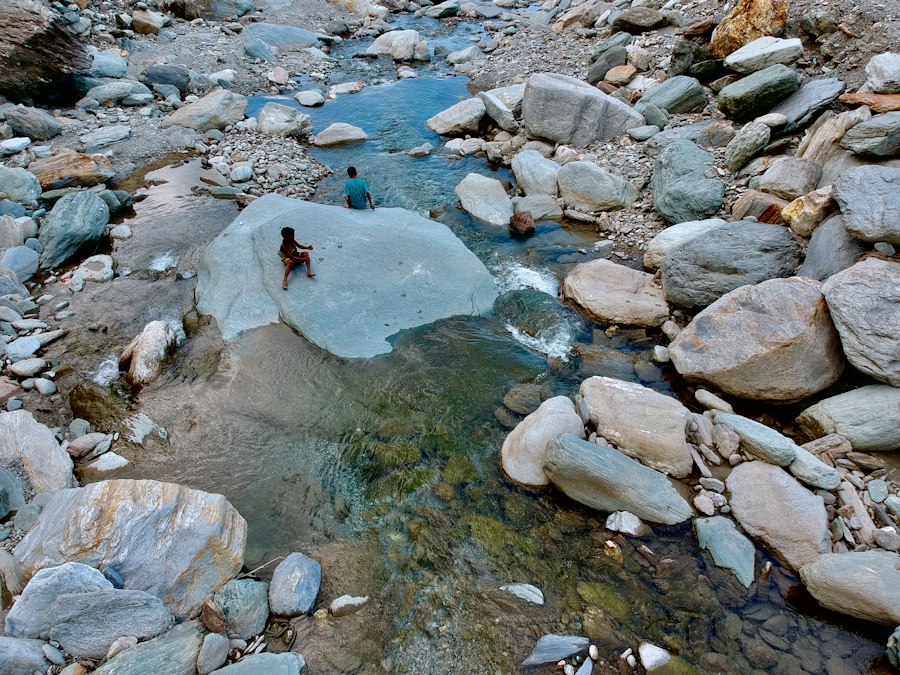
The most immediate challenge presented by frozen water was its inaccessibility. Rivers, lakes, and streams, the lifelines of human settlements, would often transform into solid sheets of ice for extended periods. Stone Age peoples, lacking the sophisticated tools of later eras, had to rely on fundamental methods to overcome this barrier. The most direct approach was to break through the ice, a task that required considerable effort and the development of specialized tools.
The Power of Percussion: Tools for Ice Breaking
The earliest and most rudimentary method would have involved brute force, using heavy stones or sharpened wooden clubs to fracture ice. However, as human technology advanced, more refined implements emerged. Stone axes, with their sharp edges, would have been invaluable. The process likely involved repeated striking to weaken and eventually break through the ice. The size and thickness of the ice would have dictated the effort required, with thicker ice necessitating the use of larger, heavier tools or multiple individuals working in concert. The sound of ice cracking under the impact of Stone Age tools would have been a familiar, perhaps even comforting, sound during the harsh winter months, signaling the potential for life-sustaining water.
Harnessing Fire: The Ancient Thawing Technique
Perhaps the most significant innovation in managing frozen water was the mastery of fire. The ability to control and utilize flame provided a powerful tool for overcoming the challenges of ice. By building fires on or near frozen water sources, Stone Age humans could gradually melt the ice, creating openings for access. This would have been a slow and deliberate process, requiring careful management of fuel to maintain a consistent heat.
Direct Application: Melting Ice Ponds
The simplest application of fire involved building a bonfire directly on a frozen pond or stream. The heat from the flames would radiate downwards, melting the ice from the surface. This method would have been most effective for smaller bodies of water or for creating localized access points. The presence of charcoal and fire-cracked stones found in archaeological contexts near ancient water sources often serve as evidence of this practice. These findings suggest that specific locations were chosen and repeatedly used for thawing operations, indicating a learned and optimized technique.
Indirect Influence: Warming Adjacent Areas
Beyond direct melting, fire could also be used indirectly to access water. Building fires in proximity to frozen water bodies could warm the surrounding ground, potentially loosening the ice or creating meltwater channels. The heat from the dwelling itself, often a central hearth, could also contribute to warming the immediate environment, making nearby ice slightly more manageable. This subtle but effective application demonstrates a nuanced understanding of heat transfer and its impact on frozen landscapes.
Seeking Out Vulnerable Points: Natural Access and Seasonal Shifts
Stone Age humans were keen observers of their environment, and their survival depended on their ability to anticipate and exploit natural phenomena. They understood that not all ice was created equal, and certain locations were more prone to melting or provided easier access to liquid water.
Riverbanks and Springs: Islands of Fluidity
Riverbanks, especially those with slower currents, were often the first to show signs of thawing. Meltwater from higher elevations or warmer pockets of soil could create channels and thin the ice along the edges. Similarly, springs, which emanate warmer groundwater, could maintain small areas of open water even in the coldest of temperatures. These natural “oases” would have been highly valued and likely sites of frequent human activity, attracting both people and the animals they hunted. The presence of fossilized spring deposits containing Stone Age artifacts further supports the importance of these locations.
The Advantage of Sunlight: South-Facing Slopes
The angle of the sun played a crucial role in the thawing process. South-facing slopes, which receive more direct sunlight, would have thawed faster and retained warmth longer than north-facing slopes. Stone Age peoples would have recognized this pattern, orienting their camps and their efforts to break ice in areas that benefited from solar radiation. This understanding of microclimates and solar exposure was a sophisticated form of environmental management.
Beyond Immediate Access: Storage and Preservation Techniques

The challenges of winter extended beyond simply finding a way to drink. In times of extreme cold or scarcity, Stone Age humans needed methods to store and preserve water for future use. While large-scale water storage was likely beyond their capabilities, they developed ingenious, albeit limited, ways to ensure a supply when natural sources were completely frozen.
Natural Refrigeration: Utilizing Cold Temperatures
The very cold that froze water sources also offered a means of preservation. While not a method of “storage” in the modern sense, the prolonged cold could keep melted water from spoiling quickly. More significantly, the Stone Age peoples could have exploited the natural freezing process itself.
Ice as a Container: Freezing Meltwater
There is a plausible, though difficult to definitively prove, method where by actively melting ice and then allowing the resulting meltwater to refreeze in controlled conditions. By creating a shallow depression in the ground and perhaps lining it with packed snow or even animal hides, they could have allowed water to freeze and form a solid block. This ice block, once detached, could then be transported to a warmer location (like a cave or near their dwelling) and allowed to melt slowly, providing a source of clean drinking water over a period of time. The inner layers of such a block would likely be the purest, having been frozen later in the process, thus excluding impurities.
The Power of Snow: Compacting and Melting
Snow itself, a form of frozen precipitation, could be a source of water. While not as efficient as direct ice, compacted snow, when melted, could provide sustenance. The process would involve gathering large quantities of snow, packing it down to increase its density, and then gradually melting it, either by placing it near a fire or by relying on body heat. This method, while labor-intensive, would have been a crucial survival strategy during prolonged periods of snowfall. Evidence of large communal hearths, often found in areas with significant snowfall, could indirectly suggest practices related to melting large quantities of snow for water.
Early Forms of “Water Preservation”: Preventing Contamination
While they may not have understood modern germ theory, Stone Age people were adept at preventing water from becoming unusable due to contamination.
Location, Location, Location: Strategic Placement of Access Points
The choice of where to break ice or melt snow was crucial. They would have instinctively avoided areas known to be polluted, such as downstream from animal carcasses or areas with stagnant, murky water. This inherent understanding of water quality, based on observable signs, would have been a fundamental aspect of their survival strategies.
The Role of Containers: Animal Bladders and Hides
While direct large-scale water storage was limited, the use of rudimentary containers made from animal parts could have played a role. Animal bladders, when cleaned and dried, could hold small amounts of water. Similarly, cured animal hides, when fashioned into rudimentary pouches or troughs, could also serve as temporary vessels for collected meltwater or freshly obtained liquid. These were not long-term storage solutions but rather temporary measures for immediate needs and transport.
The Social Dimension: Collective Efforts and Shared Knowledge
Managing frozen water sources was not solely an individual endeavor. It was often a collective undertaking, requiring the cooperation and shared knowledge of entire communities. The effectiveness of their winter survival strategies was deeply intertwined with their social structures and the transmission of knowledge across generations.
Communal Ice Breaking: Strength in Numbers
Breaking thick ice was arduous work. It is highly probable that communities would have organized collective efforts, with multiple individuals working together to create access points. This division of labor would have ensured that the most challenging tasks were accomplished efficiently, benefiting the entire group. The size and layout of Stone Age settlements, often featuring communal hearths and evidence of shared activity spaces, support the notion of cooperative endeavors.
Passing Down the Icy Lore: Oral Traditions and Mentorship
The knowledge of how to find, access, and manage frozen water was invaluable and would have been passed down through generations. Elders, with their accumulated experience, would have taught younger members of the group which ice was safe to break, where to find the warmest springs, and the most effective ways to use fire for melting. This oral tradition, combined with hands-on mentorship, ensured the continuity of these vital survival skills. Archaeological evidence, such as variations in tool use or the location of activity sites, can sometimes hint at the transmission of learned behaviors.
Resource Management and Sharing: The Importance of Equity
In a resource-scarce environment, equitable distribution was paramount. The water obtained through collective effort would have been shared among all members of the community, ensuring that no one was left to suffer from dehydration. This emphasis on sharing would have been a cornerstone of Stone Age social cohesion, especially during the challenging winter months. The presence of communal living spaces and shared refuse pits further suggests a communal approach to resource utilization.
Stone Age humans faced unique challenges when it came to accessing frozen water sources, often relying on their ingenuity to survive in harsh climates. They developed techniques to break through ice and create openings for drinking water, which was crucial for their survival. For a deeper understanding of how ancient civilizations adapted to their environments, you might find it interesting to explore this article on the rise of consumer behavior in different contexts, which can be found here. This connection highlights the resourcefulness of humans throughout history as they navigated their surroundings.
Environmental Adaptations: Beyond Water Management
| Aspect | Method | Purpose | Effectiveness | Evidence Source |
|---|---|---|---|---|
| Ice Storage | Using natural ice caves or shaded areas to store frozen water | Preserve water for drinking and food preparation | Moderate; dependent on climate and location | Archaeological site analysis |
| Ice Harvesting | Breaking ice from frozen lakes or rivers using stone tools | Access to fresh water during winter months | Effective in cold climates with frozen water bodies | Tool marks on stones and ethnographic parallels |
| Melting Techniques | Using fire or heated stones to melt ice | Convert frozen water to liquid for consumption | Highly effective but required fuel resources | Fire pits and hearth remains |
| Ice as Food Storage | Placing meat or fish on or under ice to preserve | Prevent spoilage of perishable food | Effective in cold environments | Preservation patterns in archaeological remains |
| Seasonal Migration | Moving to areas with accessible liquid water during freeze | Avoid reliance on frozen water sources | Highly effective for survival | Settlement pattern studies |
The challenges of managing frozen water sources were intrinsically linked to broader environmental adaptations that Stone Age humans developed to survive in cold climates. Their ability to thrive in such conditions was a testament to their remarkable resilience and their capacity for innovation.
Shelter and Insulation: Creating Warmth
The ability to generate and retain heat was crucial for survival. Stone Age peoples developed sophisticated shelters, often utilizing caves, rock overhangs, or constructing dwellings from materials like animal hides, mammoth bones, and turf. These structures provided protection from the harsh elements, and the heat generated by communal fires helped to prevent their internal environments from freezing. Evidence of well-insulated living spaces, with packed earth floors and fire pits, is abundant in the archaeological record.
Clothing and Protection: Shielding Against the Cold
The development of tailored clothing from animal skins and furs was a significant evolutionary advantage. This provided a vital layer of insulation, protecting their bodies from the biting cold and allowing them to venture out to access water and hunt even in frigid temperatures. The discovery of bone needles and awls in Stone Age contexts provides tangible evidence of their sophisticated clothing-making capabilities.
Dietary Strategies: Energy for the Cold
Surviving in a cold climate demanded a diet rich in calories to maintain body temperature and provide energy for demanding tasks. Stone Age diets often included high-fat meats and organs, which provided essential fuel for enduring the winter. The ability to hunt and process large game, even in frozen landscapes, was therefore directly linked to their capacity to manage water and survive the cold.
The management of frozen water sources by Stone Age humans was a complex interplay of environmental observation, technological innovation, social cooperation, and broad-ranging adaptations to cold climates. It was not a passive existence dictated by the environment, but an active and intelligent engagement with the challenges it presented. From the simple act of breaking ice with a stone tool to the more sophisticated use of fire and the communal sharing of resources, these prehistoric peoples demonstrated an extraordinary capacity for survival. Their ingenuity in the face of frozen landscapes continues to be a testament to the enduring power of human adaptation and the fundamental drive to sustain life, no matter the elemental obstacle.