
The whisper of the ancient world, carried on the currents of time, often speaks of the monumental. Great stone structures, intricate cave paintings, and the very invention of tools all paint vivid pictures of our Stone Age ancestors. Yet, alongside these grand narratives, lie the subtler, yet equally vital, rhythms of daily life. Among these, the seasonal patterns of fishing offer a profound glimpse into the resourcefulness, ecological understanding, and social organization of these early humans. Far from being a mere opportunistic endeavor, fishing during the Stone Age was a sophisticated practice, deeply intertwined with the natural cycles of rivers, lakes, and coastlines. Understanding these patterns allows us to reconstruct not just subsistence strategies, but also the very fabric of Stone Age societies.
Echoes from the Water: Unearthing Fishing Practices
The archaeological record, though often fragmented, provides compelling evidence of the long and intricate relationship between Stone Age humans and aquatic resources. Excavations at ancient habitation sites, particularly those situated near water bodies, frequently yield a rich array of fishing tools and faunal remains. The identification of specific fish species, their age and sex, and the locations where they were found, all contribute to a growing understanding of ancient fishing techniques and their seasonal reliance.
The Tools of the Trade: Unraveling Ancient Tackle
The ingenuity of Stone Age fisherfolk is vividly illustrated by the diverse array of tools they developed. Bone and antler harpoons, with their barbed tips, speak of the capture of larger, more elusive prey, likely in open waters or during seasonal migrations. These were not crude implements, but carefully crafted tools designed for efficiency and effectiveness. Fish hooks, fashioned from bone, shell, or even sharpened wood, indicate a more patient approach, targeting smaller fish in shallower areas or in calmer waters. The sophistication of these hooks, varying in size and shape, suggests an understanding of different fish species’ feeding habits.
Netting, though rarely preserved directly in the archaeological record due to its organic nature, is strongly inferred from the presence of numerous small fish bones, or from specialized tools such as bone needles and sinkers. The discovery of net weights, typically stones with grooves or perforations for attaching netting, at many prehistoric fishing sites, is a powerful testament to this technique. The size and distribution of these sinkers can even provide clues about the mesh size of the nets, suggesting targeted fishing for particular species. Other less common, but equally significant, finds include gorges – small, double-pointed pieces of bone or wood that would be baited and swallowed by a fish, making retrieval difficult.
Dietary Insights: What the Bones Reveal
The analysis of faunal remains from Stone Age sites offers a direct window into the dietary habits of ancient populations. The skeletal fragments of fish, meticulously recovered and identified by archaeologists, reveal not only the types of fish consumed but also the seasons in which they were most likely caught. The presence of juvenile fish alongside adults can indicate fishing throughout a breeding season, while the dominance of certain species at specific times of the year points to a keen awareness of their life cycles and migratory patterns.
For instance, the abundance of salmonid bones at sites in temperate regions during late summer and autumn would strongly suggest participation in the annual salmon runs. Similarly, the discovery of freshwater mussels or shellfish could indicate coastal or riverine exploitation during periods of lower sea levels or warmer temperatures that made intertidal zones more accessible. The chemical analysis of human skeletal remains, such as isotopic analysis of collagen, can further corroborate dietary patterns by revealing the proportion of marine or freshwater protein in an individual’s diet, offering a long-term perspective on their food sources.
Recent studies on Stone Age seasonal fishing patterns have revealed fascinating insights into the subsistence strategies of early human communities. These patterns not only highlight the importance of fishing in their diets but also suggest a deep understanding of ecological cycles. For a broader perspective on how ancient practices influence modern economies, you might find the article on Mexico’s growing role in global trade particularly interesting. It explores how historical trade routes and resource management continue to shape contemporary economic landscapes. You can read more about it here: Mexico’s Growing Role in Global Trade.
The Rhythm of the Seasons: Adapting to Aquatic Cycles
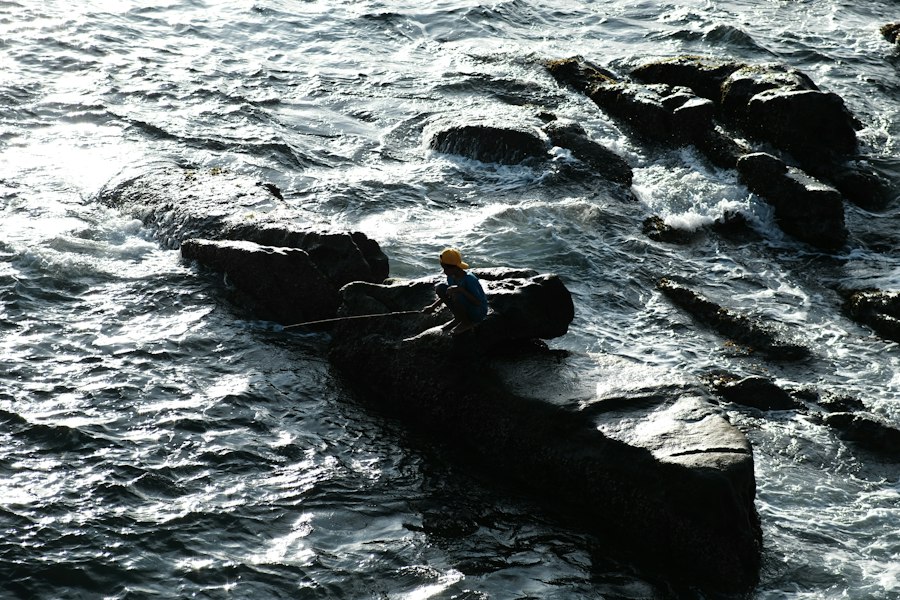
The success of Stone Age fishing was intrinsically linked to a deep understanding of natural rhythms. The predictable movements of fish populations, driven by spawning, feeding, and migration, dictated when and where communities would focus their efforts. This seasonal adaptation was not merely opportunistic; it was a cornerstone of survival, ensuring a consistent and reliable food source throughout the year.
Spring’s Promise: Awakening Waters and New Beginnings
As the ice receded and water temperatures began to rise in the spring, many aquatic ecosystems experienced a surge of activity. Many fish species, having spent the winter in deeper, more quiescent waters, began to move into shallower areas to feed and spawn. This period offered opportunities for fishing in newly accessible habitats. For example, species that spawned in rivers, such as pike or certain types of perch, would be drawn into shallower tributaries, making them more vulnerable to capture.
Coastal communities might have found intertidal zones teeming with life as tides fluctuated, allowing for the gathering of shellfish and the spearing of fish in rock pools. The meltwater from snow and glaciers also brought nutrient-rich water into rivers and lakes, stimulating plankton blooms that, in turn, attracted smaller fish, providing a food source for larger predatory species that could then be targeted. This period represented a transition from the lean months of winter to a time of renewed abundance, and the focused exploitation of these early spring resources would have been crucial for replenishing depleted food stores.
Summer’s Bounty: Peak Productivity and Diverse Catches
Summer was often a period of peak productivity for Stone Age fishing communities. Warmer waters stimulated growth and activity across a wide range of fish species. Rivers and lakes would be alive with various schooling fish, offering opportunities for net fishing and the use of smaller hooks. Migratory species, such as salmon and trout, would be undertaking their arduous journeys upstream, presenting predictable and concentrated fishing opportunities.
Coastal regions would also experience a bounty, with a wider variety of fish species accessible through both shore-based fishing and, likely, early forms of boat-assisted fishing. The longer daylight hours of summer allowed for extended fishing periods, and the availability of diverse aquatic resources would have contributed significantly to the nutritional intake of Stone Age populations. This abundance likely facilitated more complex social activities and the potential for surplus food storage, which could be crucial for surviving less productive periods.
Autumn’s Harvest: Migrations and Preparations for Winter
As the days began to shorten and temperatures cooled, autumn marked another critical period for Stone Age fishing. Many fish species would be preparing for winter, either by migrating to warmer waters or by moving to deeper, more protected areas. The annual migrations of anadromous fish, like salmon and steelhead, into rivers to spawn were a particularly significant event. These mass movements provided a concentrated and predictable harvest, allowing communities to catch large quantities of fish, which could then be preserved for the leaner months ahead.
Coastal communities might have focused on species that were particularly abundant during the autumn, or on the collection of shellfish that had accumulated resources throughout the summer. The preparation of fish for winter storage would have been a vital activity during this season, likely involving methods such as smoking, drying, or salting. This successful autumn harvest was paramount to ensuring survival through the challenging winter months.
Winter’s Dormancy: Persistence and Specialized Techniques
While winter presented significant challenges to Stone Age fishing, it did not necessarily mean a complete cessation of aquatic resource exploitation. In regions with less severe winters, or where ice fishing was feasible, some fishing activity would have continued. The pursuit of species that remained active in deeper, unfrozen waters, or the opportunistic capture of fish trapped in shrinking pools, would have been possible.
Ice fishing, if practiced, would have required specialized knowledge of ice thickness, fish behavior beneath the ice, and the development of specific tools such as ice picks and potentially primitive augers. Even in colder climates, winter was often a time for tool maintenance, net repair, and the planning of future fishing expeditions. The ability to extract any available resources during winter, however meager, would have been a testament to the resilience and adaptability of these ancient populations.
Beyond Subsistence: Social and Cultural Dimensions
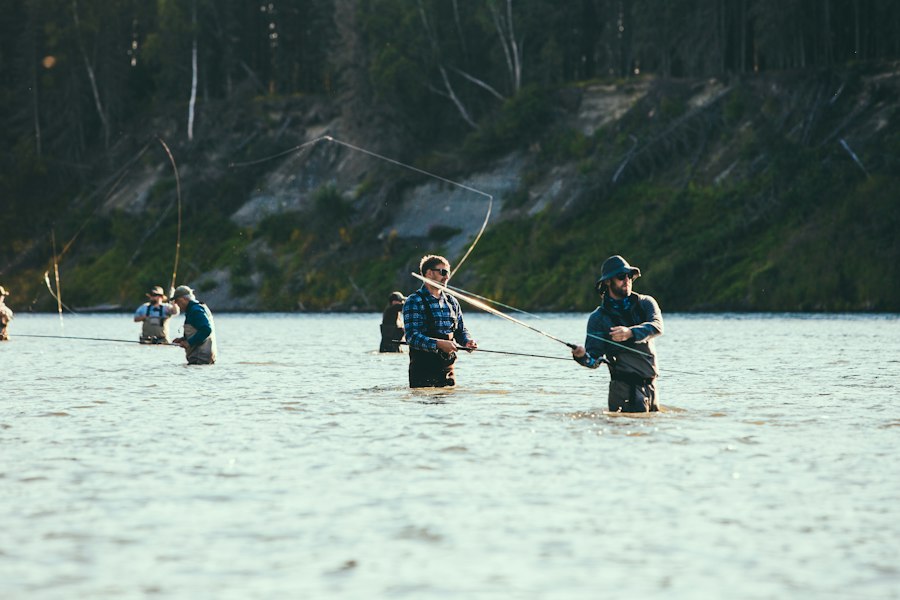
The practice of Stone Age fishing extended far beyond mere sustenance. The predictable nature of aquatic resources, particularly during seasonal peaks, likely fostered a greater degree of social organization and cooperation. Shared fishing grounds, communal harvesting efforts, and the equitable distribution of catches would have been integral to the functioning of these early societies.
Communal Endeavors: The Power of Collective Action
The capture of larger prey, such as migrating salmon or seals in coastal areas, would often have necessitated coordinated group efforts. The development of nets, weirs, and potentially even early forms of boats would have been more effectively utilized by a group working together. This communal fishing not only increased the efficiency of harvesting but also fostered social cohesion and strengthened intergroup relationships. The success of the group, in turn, depended on the ability of individuals to cooperate and share resources.
The seasonal abundance of certain fish runs might have led to periods of increased social interaction, with different groups coming together at prime fishing locations. These gatherings could have served as opportunities for trade, the exchange of knowledge, and the formation of alliances. The shared endeavor of fishing, with its inherent risks and rewards, would have played a significant role in shaping social structures and reinforcing communal bonds.
Knowledge Transmission: Passing Down the Lore of the Waters
The sophisticated understanding of fish behavior, seasonal cycles, and effective fishing techniques was a valuable form of knowledge that needed to be passed down through generations. Elders, with their accumulated experience, would have been the custodians of this lore, imparting their wisdom to younger members of the community. This transmission of knowledge likely occurred through direct mentorship, storytelling, and ritualistic practices.
The success of a fishing expedition was not solely dependent on physical skill but also on the ability to read the signs of nature – the subtle changes in water temperature, the behavior of other aquatic life, and the atmospheric conditions. This ecological knowledge, honed over millennia, was a critical component of Stone Age survival and cultural continuity. The development of specialized terminology for fish species, fishing gear, and fishing locations would have been a natural outgrowth of this knowledge system.
Ritual and Belief: The Sacredness of the Catch
For many Stone Age societies, fishing was likely imbued with spiritual significance. The life-giving power of fish, their cyclical journeys, and their abundance would have resonated with beliefs about fertility, renewal, and the interconnectedness of the natural world. Rituals and offerings may have been performed before, during, and after fishing expeditions to appease spirits, ensure a successful catch, and express gratitude for the bounty of the waters.
Cave paintings, though often interpreted in broad terms, sometimes depict scenes that could relate to fishing or aquatic resources. The presence of marine or riverine creatures in artistic expressions suggests their importance not only as food but also as symbolic elements within their belief systems. The reverence for certain fish species or their migratory routes might have been a way of acknowledging and respecting the powerful forces of nature that sustained them.
Environmental Interplay: Living in Harmony with Aquatic Ecosystems
The success of Stone Age fishing was inextricably linked to a profound understanding and respect for the delicate balance of aquatic ecosystems. Their methods, developed over long periods of observation, were often inherently sustainable, avoiding the overexploitation that can plague modern practices. Their intimate knowledge of the environment allowed them to harvest resources without causing irreparable damage.
Sustainable Harvesting: Lessons from the Past
The relatively low population densities of Stone Age societies, combined with their reliance on seasonal peaks of abundance, likely contributed to inherently sustainable fishing practices. They would have understood the importance of allowing fish populations to reproduce and recover. Methods like selective harvesting, avoiding the taking of juvenile fish, and utilizing different fishing techniques at different times of the year would have helped maintain the health of fish stocks.
The absence of large-scale industrial fishing technology meant that their impact on aquatic environments was localized and less destructive. They were not able to deplete entire stocks of fish in the way that modern methods can. Their fishing was an integral part of the ecosystem, rather than an external force disrupting it. This nuanced relationship underscores the potential for learning from their ancestral wisdom in our own efforts towards sustainable resource management.
Understanding of Aquatic Habitats: Reading the Water’s Language
Stone Age fisherfolk possessed an intimate knowledge of the habitats that supported fish populations. They understood the spawning grounds of different species, the preferred feeding areas, and the refuges sought during different seasons. This detailed understanding would have guided their choice of fishing locations and techniques, ensuring they targeted fish when and where they were most likely to be found.
They would have been aware of the impact of water levels, currents, and water temperature on fish behavior. For example, knowing that certain fish preferred the slower-moving water at the base of a waterfall, or that others congregated in deeper pools during dry spells, would have been crucial for successful angling. This deep engagement with their environment fostered a level of ecological literacy that is often lacking in contemporary society.
Recent studies have shed light on the seasonal fishing patterns of the Stone Age, revealing how early humans adapted their fishing techniques to align with the natural rhythms of aquatic life. This fascinating exploration of prehistoric subsistence strategies can be further understood by examining the broader context of societal structures in ancient times. For instance, an article discussing the implications of elite corruption in ancient societies provides valuable insights into how resource management and social hierarchies may have influenced fishing practices. You can read more about this intriguing connection in the article here.
Looking Forward: Lessons from Ancient Waters
| Season | Fish Species | Fishing Techniques | Location | Estimated Catch Volume |
|---|---|---|---|---|
| Spring | Salmon, Trout | Spearfishing, Weir traps | Rivers and streams | Moderate |
| Summer | Carp, Pike | Net fishing, Hook and line | Lakes and slow rivers | High |
| Autumn | Salmon, Eel | Weir traps, Basket traps | River mouths and estuaries | High |
| Winter | Whitefish, Pike | Ice fishing, Spearfishing | Frozen lakes and rivers | Low |
The study of Stone Age seasonal fishing patterns offers more than just an academic understanding of our ancestors. It provides valuable insights into human ingenuity, ecological adaptation, and the profound interconnectedness of human societies with the natural world. By examining their practices, we can gain a deeper appreciation for the sophisticated knowledge systems that developed in the absence of modern technology and a renewed perspective on our own relationship with aquatic resources.
The Enduring Legacy of Ingenuity
The tools and techniques developed by Stone Age fisherfolk stand as a testament to human creativity and problem-solving. From the finely crafted harpoons to the meticulously designed fishing hooks, their ingenuity in adapting to their environment is undeniable. This legacy of innovation, born out of necessity and a deep understanding of the natural world, continues to inspire.
Reconnecting with Nature’s Rhythms
In an age of increasingly detached interaction with the natural world, the study of Stone Age fishing patterns serves as a powerful reminder of the importance of understanding and respecting ecological cycles. Their seasonal adaptations highlight a way of living in harmony with nature, rather than attempting to dominate it. This perspective is increasingly relevant as we grapple with the challenges of environmental sustainability.
A Source of Inspiration for Modern Practices
The sustainable nature of Stone Age fishing practices offers valuable lessons for contemporary resource management. By understanding how our ancestors managed aquatic resources without causing long-term damage, we can glean principles that can inform modern conservation efforts. Their approach, characterized by observation, adaptation, and a deep respect for the environment, provides a compelling model for achieving a more balanced relationship with the planet’s vital aquatic ecosystems. The whispers from these ancient waters continue to carry wisdom, if we only take the time to listen.

The 7,000-Year-Old Secret Hidden Under a Lake
FAQs
1. What were the Stone Age seasonal fishing patterns?
Stone Age seasonal fishing patterns refer to the specific times of the year when ancient communities engaged in fishing activities to take advantage of seasonal fish migrations and abundance.
2. How did Stone Age people adapt their fishing techniques to seasonal changes?
Stone Age people adapted their fishing techniques by using different tools and methods based on the season, such as using nets, traps, and spears during specific times when certain fish species were more plentiful.
3. Why were Stone Age seasonal fishing patterns important for survival?
Stone Age seasonal fishing patterns were crucial for survival as they provided a reliable food source during different times of the year when other food sources may have been scarce or unavailable.
4. Did Stone Age communities have specific rituals or ceremonies related to seasonal fishing?
Some Stone Age communities may have had rituals or ceremonies related to seasonal fishing, as fishing was not only a means of sustenance but also held cultural and social significance within these societies.
5. How do archaeologists study Stone Age seasonal fishing patterns?
Archaeologists study Stone Age seasonal fishing patterns by examining ancient fishing tools, analyzing fish bones found at archaeological sites, and studying the environmental conditions of the area to understand how ancient communities adapted to seasonal changes for fishing.