The flicker of firelight danced across the rough-hewn walls of a Paleolithic cave, casting long, distorted shadows. In this primal tableau, early humans, clad in animal skins, were not merely surviving; they were communicating, forging connections that would ripple through millennia. The Stone Age, a vast epoch spanning millions of years, witnessed the genesis of human interaction, a complex tapestry woven from rudimentary sounds, expressive gestures, and the burgeoning capacity for symbolic thought. To understand how these early hominins communicated and connected is to unravel the very origins of our social nature and our uniquely human drive to share meaning.
The Symphony of Sound: Vocalizations and Early Language
The human vocal apparatus, though still developing, was far more sophisticated than that of other primates. This anatomical advantage, coupled with a growing brain size and complexity, laid the groundwork for vocal communication. While definitive proof of spoken language in the earliest Stone Age is elusive, the evidence points towards a gradual evolution from simple calls to more complex vocalizations.
Grunts, Groans, and Growls: The Precursors to Speech
In the absence of written records, archaeologists and paleoanthropologists infer the nature of early vocalizations from comparative studies of modern primates and the fossil record. It is highly probable that early hominins, like their ape ancestors, utilized a repertoire of instinctive calls and cries to express basic needs and emotions. These would have included sounds for alarm, contentment, distress, and perhaps even basic social bonding. The subtle variations in pitch, duration, and intensity of these calls could have conveyed a surprising amount of information within a small group. Imagine the chilling howl of a distant predator eliciting a unified response of fear and vigilance from the tribe, or a soft cooing sound indicating safety and affection between a mother and her infant. These primal sounds, while far from articulate speech, formed the initial layer of audible communication, fostering immediate and crucial group cohesion.
The Dawn of Meaningful Sounds: Towards Proto-Language
As hominin cognitive abilities expanded, so too did their vocal capabilities. The development of more refined control over the larynx and tongue, coupled with an increased capacity for abstract thought, likely led to the emergence of more structured vocalizations. This phase, often referred to as proto-language, would have involved sounds that were not necessarily discrete words in the modern sense, but rather meaningful utterances that could be combined and modified to express more complex ideas. It is theorized that these early proto-languages may have been characterized by a limited vocabulary of sounds, each associated with a specific concept or action. The rhythm and intonation of these sounds would have played a crucial role in conveying nuance. For instance, a particular sequence of sounds might signify “danger,” while a different inflection or combination could mean “food nearby.” This gradual shift from instinctual calls to more intentional, albeit still simple, vocal expressions marked a significant evolutionary leap, enabling a richer and more nuanced exchange of information within the group, facilitating coordinated hunting efforts, and strengthening social bonds through shared experiences conveyed vocally.
The Role of Mimicry and Imitation
The human capacity for imitation is deeply ingrained, and it is reasonable to assume this played a significant role in the development of early communication. Early humans would have learned by observing and mimicking the sounds and actions of others. This would have been particularly important for transmitting knowledge related to tool-making, hunting techniques, and the identification of edible plants and dangerous animals. Imagine a skilled hunter demonstrating the arc and force needed to throw a spear, accompanying the action with guttural sounds and exclamations. Younger members of the tribe would have meticulously observed and attempted to replicate both the physical movements and the accompanying vocalizations, thereby absorbing essential survival skills. This process of imitation, fueled by a desire to learn and belong, would have been a powerful engine for cultural transmission and social integration, ensuring the survival and continuity of the group.
In exploring the fascinating ways tribes communicated during the Stone Age, one can gain deeper insights into their social structures and cultural practices. For instance, the use of symbols and rudimentary forms of language played a crucial role in their interactions. To further understand the context of ancient civilizations and their communication methods, you may find the article on ancient astronomy particularly enlightening. It discusses how early humans used celestial observations to navigate and communicate, which can be seen as an extension of their communicative practices. You can read more about this intriguing topic in the article here: Uncovering Ancient Astronomy Secrets.
The Silent Language: Gestures, Postures, and Facial Expressions

While sounds provided the auditory landscape of Stone Age communication, the body offered a powerful and immediate channel for conveying meaning. Gestures, postures, and facial expressions formed a vital non-verbal language, complementing and sometimes even superseding vocalizations, especially in environments where silence was paramount.
Hand Signals and Body Language for Survival
The very act of survival in the Stone Age demanded efficient and often silent communication. Hunters stalked prey in near silence, relying on hand signals and subtle shifts in posture to coordinate their movements. A raised hand could signify “stop,” a pointing finger indicated direction, and a crouched posture might signal imminent danger or the presence of game. These gestures would have been learned and understood through repeated association and shared experience. Imagine a hunting party spread out across a clearing, communicating silently through a series of pre-arranged hand signals and knowing glances, each movement precisely timed to surround and corner their quarry. This silent lexicon was not merely functional; it was a sophisticated system that allowed for complex coordination without betraying their presence to their prey or rival groups. Furthermore, body language could convey a wealth of information regarding social status, intent, and emotional state, contributing to the intricate dynamics of group interactions.
The Expressive Face: Emotions and Intentions
The human face, with its intricate network of muscles, is a canvas for emotions. Even in the earliest stages of human development, facial expressions likely played a crucial role in conveying feelings and intentions. A furrowed brow could signal anger or concern, a wide-eyed stare might indicate fear or surprise, and a bared-toothed grimace could be a warning. These expressions are often universal across cultures and are deeply rooted in our evolutionary history. Imagine a tense standoff between two individuals or groups; the subtle tightening of jaws, the dilation of pupils, and the baring of teeth would have communicated immediate aggression and the potential for conflict, allowing for a swift assessment of the situation and a potential de-escalation or preparation for battle. Conversely, a relaxed expression, a gentle smile, or the holding of eye contact would have signaled trust and openness, fostering social bonds and reinforcing positive group dynamics.
The Significance of Proximity and Touch
Physical proximity and touch were also integral components of Stone Age communication and connection. Huddling for warmth, grooming each other, and the simple act of touching could convey comfort, reassurance, and solidarity. These forms of tactile communication are deeply ingrained in primate social behavior and would have been essential for fostering close bonds within the family unit and the wider tribe. Imagine a group gathered around a fire on a cold night, bodies pressed together for warmth and comfort, the gentle touch of a hand on a shoulder offering solace and a sense of belonging. These intimate forms of connection reinforced social cohesion, reduced stress, and provided crucial emotional support, strengthening the fabric of the group and enhancing its collective resilience.
Markings and Symbols: The Seeds of Abstract Thought

Beyond the ephemeral nature of sound and gesture, early humans began to leave their mark on the world, creating tangible representations of their thoughts and experiences. These early forms of art and symbolic notation represent a monumental leap in human cognitive evolution, demonstrating an ability to abstract and externalize meaning.
Cave Paintings: Stories Etched in Stone
The breathtaking cave paintings found in sites across the globe, such as Lascaux and Chauvet, are perhaps the most profound testament to the symbolic communication of Stone Age peoples. These vivid depictions of animals, hunts, and abstract patterns were not merely decorative; they served as a form of visual storytelling and knowledge transmission. These paintings could have been used to record successful hunts, to teach younger generations about animal behavior, or perhaps even to express spiritual beliefs and shamanic visions. The careful selection of pigments, the masterful rendering of form, and the deliberate placement of images suggest a conscious and intentional act of communication, designed to convey specific messages and ideas across time and within the community. These were not just pretty pictures; they were the visual archives of early human experience, imbued with meaning and purpose.
Engravings and Carvings: Portable Meaning
In addition to large-scale cave art, early humans also created smaller, portable objects adorned with engravings and carvings. These could include bone, antler, or stone objects bearing geometric patterns, animal figures, or abstract symbols. These artifacts suggest a further development of symbolic thinking, allowing for the creation of personal talismans, markers of identity, or even rudimentary forms of record-keeping. Imagine a hunter carrying a carved amulet, its patterns holding personal significance or offering protection. These portable objects demonstrate that symbolic communication was not confined to communal spaces like caves but was integrated into the daily lives of individuals, carrying personal meaning and facilitating a sense of individual and group identity.
The Genesis of Abstraction: Beyond Representation
The existence of abstract symbols and geometric patterns in Stone Age art suggests an ability to move beyond literal representation. These symbols, which do not directly depict recognizable objects, could have represented concepts, numbers, or even calendrical information. This capacity for abstraction is a cornerstone of complex language and thought. It is plausible that these abstract markings were part of a system of shared understanding, perhaps used in rituals, for tracking the passage of time (e.g., lunar cycles), or for mnemonic purposes. The emergence of abstract thought, evidenced in these markings, is a clear indication of the developing cognitive sophistication of early humans, paving the way for more complex forms of communication and social organization.
Rituals and Shared Experiences: Binding the Community
Communication in the Stone Age was not solely about the exchange of practical information. Shared rituals, ceremonies, and communal activities played a vital role in forging strong social bonds, reinforcing group identity, and transmitting cultural norms and values.
The Power of Collective Action: Hunting and Gathering
The act of hunting and gathering, while inherently about survival, was also a powerful force for social cohesion. These activities required intense cooperation, communication, and trust among group members. The shared effort, the coordinated strategies, and the collective success or failure of these endeavors would have fostered a profound sense of unity and interdependence. Imagine a successful hunt, the spoils shared amongst the tribe, a communal feast solidifying the bonds forged through shared risk and effort. These shared experiences, communicated through vocalizations, gestures, and the shared understanding of roles, reinforced the importance of the group over the individual.
Ceremonies and Belief Systems: Connecting to the Unknown
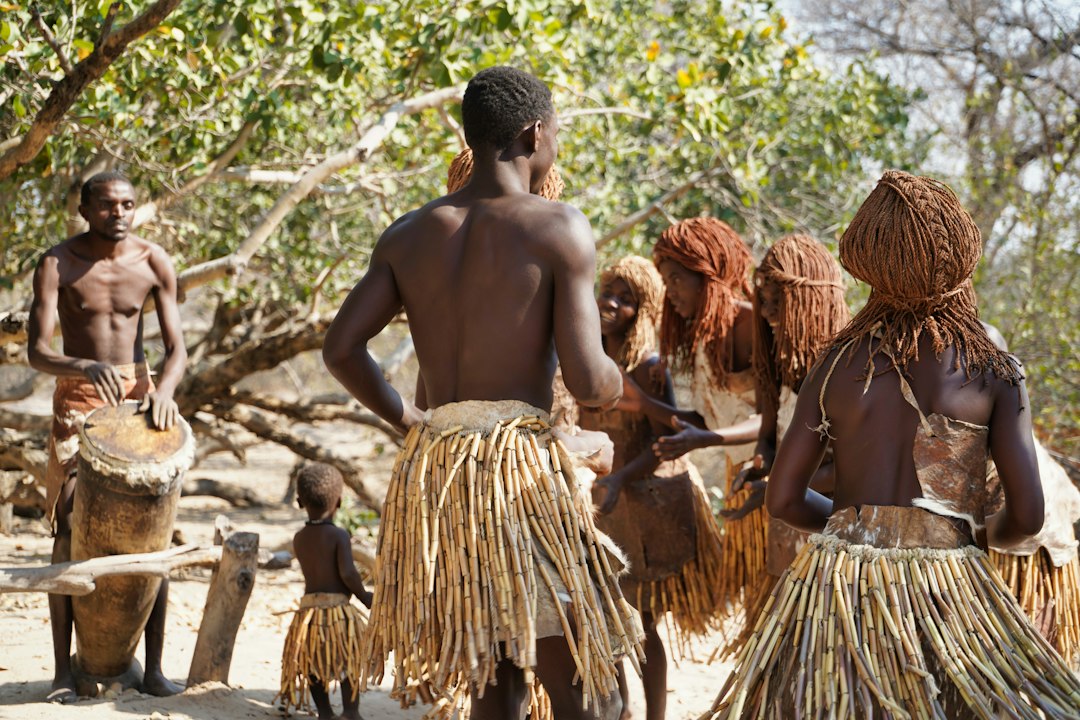
Evidence suggests that Stone Age peoples engaged in ritualistic behaviors that may have involved music, dance, and storytelling. These ceremonies, often performed around fires or in sacred spaces, would have served to strengthen social bonds, pass down knowledge and traditions, and perhaps connect with the spiritual or supernatural realm. The rhythmic chanting, the synchronized movements, and the shared emotional experiences of these rituals would have created a powerful sense of collective identity and belonging. The use of ochre, shells, and other decorative elements in burials and potentially in ceremonies further highlights the symbolic and ritualistic aspects of their lives, indicating a desire to imbue these activities with deeper meaning and to communicate shared beliefs and worldviews. These shared spiritual and cultural practices provided a framework for understanding their place in the world and fostered a deep sense of community.
The Role of Storytelling and Oral Tradition
In the absence of written language, oral tradition and storytelling were the primary vehicles for transmitting knowledge, history, and cultural values across generations. Elders and skilled storytellers would have recounted tales of ancestral heroes, mythical beings, and important survival lessons around the flickering firelight. These narratives, imbued with rhythm, repetition, and emotional resonance, would have captivated the audience, ensuring the preservation of vital information and the continuity of cultural identity. Imagine the younger generations gathered, eyes wide with wonder, listening to ancient stories that explained the origins of their world and the unwritten rules that governed their society. This act of collective listening and shared imagination was a powerful form of communication, binding the community together through a shared narrative and a common heritage.
During the Stone Age, tribes relied heavily on various forms of communication to share vital information and strengthen social bonds. They used a combination of spoken language, gestures, and symbolic art to convey messages and express their experiences. For a fascinating exploration of how ancient cultures communicated and interacted with their environments, you can read more about it in this insightful article on the secret history of Antarctica. The link provides a deeper understanding of early human societies and their communication methods. You can find it here: secret history of Antarctica.
The Evolutionary Advantage: Communication and Connection as Survival Tools
| Communication Method | Description | Purpose | Materials Used | Effectiveness |
|---|---|---|---|---|
| Oral Language | Spoken words and sounds to convey messages | Daily communication, storytelling, teaching | Human voice | High within close groups |
| Gestures and Body Language | Use of hand signals, facial expressions, and body movements | Non-verbal communication, signaling danger or instructions | Human body | Moderate, effective at short distances |
| Cave Paintings and Rock Art | Drawings and symbols painted on cave walls | Storytelling, recording events, spiritual or ritual purposes | Natural pigments, rocks, cave walls | Long-lasting, but limited audience |
| Smoke Signals | Use of smoke puffs to send messages over distances | Warning, signaling between groups | Fire, dry leaves or grass | Effective over moderate distances in clear weather |
| Drumming and Sound Signals | Beating drums or striking objects to create rhythmic sounds | Communication over distances, ceremonial purposes | Wood, animal skins | Effective over moderate distances |
| Body Painting and Tattoos | Decorative marks on the body conveying identity or status | Social communication, tribal identification | Natural dyes, pigments | Effective within the tribe |
The development of sophisticated communication and connection strategies was not merely a byproduct of human evolution; it was a fundamental driver of our success as a species. The ability to share information, coordinate actions, and build strong social bonds provided early humans with a significant evolutionary advantage.
Enhanced Cooperation and Resource Acquisition
The capacity for complex communication directly translated into improved cooperation, particularly in critical activities like hunting and gathering. The ability to strategize, coordinate movements, and warn of dangers allowed groups to exploit resources more effectively and with greater success. A coordinated hunting party, communicating silently and efficiently, could bring down prey that would be impossible for an individual to tackle. This enhanced resource acquisition meant better nutrition, increased survival rates, and the ability to support larger and more complex social structures. The very survival of the group was intrinsically linked to the efficacy of their communication.
Knowledge Transmission and Skill Development
The transmission of knowledge and skills across generations is a hallmark of human societies. Early forms of communication, from vocal instruction and gestural demonstration to symbolic representations, enabled the transfer of vital information about tool-making, plant identification, fire control, and the navigation of their environment. This cumulative learning, facilitated by effective communication, allowed each generation to build upon the achievements of the last, leading to continuous improvement in survival strategies and technological advancement. Without this ability to teach and learn, each generation would have to rediscover basic survival techniques, severely hindering progress and increasing vulnerability.
Social Cohesion and Group Resilience
Strong social bonds, fostered through diverse forms of communication and shared experiences, provided early human groups with resilience in the face of adversity. A well-connected group could offer mutual support, share burdens, and present a united front against threats. The ability to trust and rely on one another, communicated through empathy, shared rituals, and consistent social interaction, was crucial for overcoming challenges such as environmental changes, disease, and intergroup conflict. The shared understanding and emotional connections forged through communication acted as a powerful social glue, ensuring the survival and prosperity of the group in a often harsh and unpredictable world. The very essence of what it meant to be human, to be part of a collective, was shaped by these early, foundational forms of communication and connection.

20,000 Years Ago | The Coldest Journey in Human History
FAQs
1. How did tribes communicate over long distances during the Stone Age?
Tribes communicated over long distances during the Stone Age by using smoke signals, drum beats, and horn blowing. These methods allowed messages to be relayed quickly and efficiently across vast distances.
2. What role did cave paintings play in communication among tribes during the Stone Age?
Cave paintings served as a form of visual communication among tribes during the Stone Age. They depicted important events, hunting techniques, and cultural practices, providing a way for tribes to share information and stories.
3. Were there any written forms of communication used by tribes during the Stone Age?
Written forms of communication were not common among tribes during the Stone Age. However, some tribes used symbols and markings on rocks or bones to convey simple messages or keep track of important information.
4. How did tribes communicate within their own communities during the Stone Age?
Within their own communities, tribes communicated through spoken language, gestures, and facial expressions. These forms of communication were essential for sharing knowledge, coordinating activities, and maintaining social bonds within the tribe.
5. Did tribes develop any specialized communication systems during the Stone Age?
Some tribes developed specialized communication systems during the Stone Age, such as the Inuit people’s use of drum languages or the Aboriginal Australians’ use of songlines. These systems were highly sophisticated and allowed for complex messages to be conveyed effectively within the tribe.