The Enduring Legacy of Stone: Fundamental Tools of Paleolithic Survival
For millennia, the very survival of early humans hinged upon their ingenuity and their ability to craft tools from the readily available resources of their environment. Among the most crucial and enduring of these inventions were those fashioned from stone. These “stone blades,” as they are often broadly categorized, represent not just rudimentary implements, but sophisticated adaptations that allowed Paleolithic hominins to hunt, process food, and interact with their world in ways previously impossible. Understanding these stone tools is akin to deciphering the very building blocks of early human civilization, revealing the intelligence, skill, and adaptive strategies that propelled our ancestors forward. From the simplest flakes to more complex handaxes, these lithic artifacts offer a tangible connection to a distant past, whispering tales of resourcefulness and the relentless pursuit of survival. The development and refinement of stone tool technology marked a significant cognitive leap, enabling a more efficient exploitation of resources and paving the way for further innovation.
Stone blades were essential tools for Paleolithic hunters, allowing them to efficiently process game and gather resources in their environment. These sharp implements, crafted from flint and other durable materials, exemplify the ingenuity of early humans in adapting to their surroundings. For a deeper understanding of how human innovation has evolved over time, you might find it interesting to explore the dynamics of competition and technological advancement in other fields, such as space exploration. A related article discussing the current US-China space rivalry can be found here: US-China Space Rivalry Explained.
Crafting the Cutting Edge: The Genesis of Stone Tool Technology

The creation of stone tools was a transformative process, marking a profound shift in the capabilities of early humans. This was not merely about finding a sharp rock; it was about a deliberate and skilled process of shaping raw materials into implements of remarkable utility. The selection of appropriate stone types, the understanding of fracture mechanics, and the development of precise striking techniques were all critical elements in this nascent technological revolution.
The Raw Materials: Choosing the Right Stone
The success of Paleolithic toolmaking was intrinsically linked to the judicious selection of raw materials. Not all stones were created equal when it came to their potential for flaking and creating sharp edges. Hominins developed an intimate knowledge of their local geology, seeking out rocks that exhibited specific physical properties.
Silicates: The Cornerstones of Lithic Technology
The vast majority of Paleolithic stone tools were manufactured from silicate rocks. These are characterized by their hardness, their tendency to fracture conchoidally (in a shell-like manner), and their ability to produce exceptionally sharp edges.
Flint and Chert: The Favored Choices
Flint and chert, varieties of microcrystalline quartz, were arguably the most prized materials for stone tool production. Their conchoidal fracture is exceptionally predictable, allowing for controlled removal of flakes and the creation of precise cutting edges. These materials are also relatively abundant in many parts of the world, making them accessible to early human populations. The uniform grain size and internal structure of flint and chert contributed to their reliability in tool manufacture. When struck with a hammerstone, they fracture cleanly, producing sharp, durable edges suitable for a wide range of tasks. Archaeological sites often reveal evidence of long-distance trade or migration for these valuable resources, underscoring their importance.
Obsidian: The Volcanic Advantage
Obsidian, a volcanic glass, offered an even sharper cutting edge than flint or chert. Its amorphous structure fractures with unparalleled keenness, making it ideal for fine cutting and scraping tasks. However, obsidian is often geographically restricted to volcanic regions, and its inherent brittleness meant that tools made from it were less durable for heavy-duty work. Despite this, its exceptional sharpness made it a highly sought-after material for specialized tools, particularly during later Paleolithic periods. The ease with which obsidian can be knapped to produce razor-sharp edges made it a premium material for tasks requiring precision.
Other Lithic Materials: Expanding the Toolkit
While silicates dominated, other lithic materials were also utilized, often for less demanding tasks or when preferred materials were scarce.
Quartzite: The Robust Alternative
Quartzite, a metamorphic rock composed primarily of quartz, is known for its exceptional toughness and durability. While it can be harder to knap than flint, resulting in less refined edges, its strength made it suitable for tools subjected to considerable stress, such as chopping or pounding. Quartzite offered a more robust and readily available option in many environments where flint was less common. Its resistance to weathering also meant that quartzite tools often survive exceptionally well in the archaeological record.
Basalt: A Versatile Igneous Rock
Basalt, an extrusive igneous rock, was also employed in stone tool manufacture. While its fracture properties can be variable, it offered a good balance of hardness and workability. Basalt tools could be used for a variety of purposes, from cutting to pounding, and its widespread occurrence in volcanic areas made it a practical choice. The microcrystalline structure of basalt allowed for the creation of relatively sharp edges, though often not as keen as those produced from flint.
The Art of Knapping: Shaping Stone with Precision
The process of transforming a raw stone into a functional tool is known as knapping. This involved a suite of techniques, each designed to remove stone material in a controlled manner and shape the object to a desired form and edge.
Percussion Flaking: The Hammer and the Stone
Percussion flaking was the most fundamental technique. It involved striking a core stone (the raw material) with another stone (a hammerstone) or a piece of bone or wood.
Direct Percussion: Simple and Effective
Direct percussion involved striking the core directly with the hammerstone. This method was used to detach flakes or to shape the core into a tool like a handaxe. The angle and force of the strike, along with the type of hammerstone, all influenced the size, shape, and quality of the resulting flake or artifact. This was the foundational technique for early tool industries.
Indirect Percussion: Finer Control
Indirect percussion involved using a punch (made of bone, antler, or wood) placed on the edge of the core, which was then struck with a hammerstone. This technique allowed for greater control over flake removal, enabling the production of thinner, longer, and more precisely shaped flakes, often used for creating finely worked tools. This technique represents a significant advancement in lithic technology.
Pressure Flaking: Refining the Edge
Pressure flaking involved applying direct pressure to the edge of a stone with a pointed tool (like an antler tine or a hardened wood punch). This method was used to remove small, delicate flakes, which were crucial for retouching and sharpening the edges of tools, creating serrations, or shaping intricate details. This technique allowed for the fine-tuning of tool edges and the creation of specialized implements.
The Cutting Edge of Necessity: Primary Uses of Stone Blades
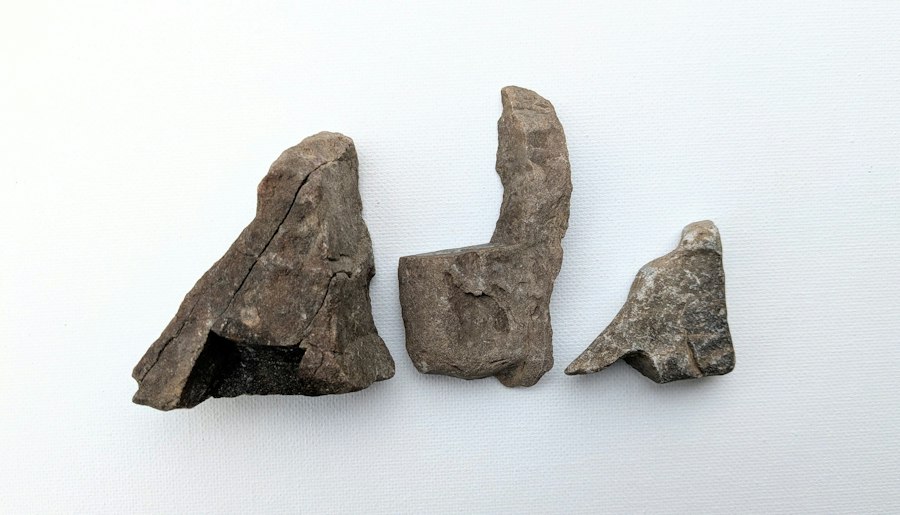
The stone blades of the Paleolithic era were not static artifacts; they were dynamic tools adapted to a diverse range of survival needs. Their primary utility revolved around the efficient processing of resources, particularly meat and plant matter, and the facilitation of hunting and butchery.
Butchery and Meat Processing: A Hunter’s Essential Tools
The ability to efficiently butcher carcasses was paramount for Paleolithic hunter-gatherers. Meat provided a vital source of protein and fat, and the tools developed for this purpose were instrumental in maximizing their dietary intake and minimizing waste.
Sharp Flakes: The First Scalpels
Simple sharp flakes, often detached during the knapping process and used with little modification, served as the Paleolithic equivalent of knives. These were used to skin animals, sever tendons, cut through muscle tissue, and strip meat from bones. Their keen edges allowed for precise cuts, making the butchery process more efficient and less labor-intensive. The ease with which these flakes could be produced meant that hunters always had access to sharp cutting tools.
Handaxes and Bifaces: Multi-Purpose Butchery Instruments
The iconic handaxe, and other bifacially worked tools, were central to butchery operations. Their heavy nature and sharp, yet durable, edges made them ideal for chopping through bone, dismembering larger animals, and scraping away flesh. They could also be used for more delicate tasks such as stripping bark or preparing hides. The versatility of the handaxe meant it could perform a multitude of functions at a kill site.
Food Preparation and Consumption: Beyond the Kill
The utility of stone blades extended beyond the immediate act of butchery. They played a significant role in the preparation and consumption of food, as well as the processing of plant resources.
Scrapers: Preparing Hides and Plants
Scrapers, typically flakes or tools with a retouched, flattened edge, were used for a variety of tasks. They were essential for preparing animal hides, scraping away flesh and fat to make them pliable for clothing or shelter. They were also used to process plant materials, such as scraping roots or bark. The rounded or angled working edge of scrapers made them ideal for these material manipulation tasks.
Knives and Points: Precision and Dexterity
More finely crafted stone knives and projectile points, often made from high-quality flint or obsidian, were used for more precise tasks. Knives were used for filleting smaller game or preparing food items. Projectile points, attached to spears or arrows, were crucial for hunting, enabling hominins to bring down prey from a distance. The development of these more specialized tools reflects an increasing sophistication in hunting strategies and tool design.
Working with Other Materials: Expanding Beyond Food
The applications of stone blades were not limited to organic materials like meat and plants. They were also employed in working with other stone, wood, and bone.
Lithic Production and Maintenance: A Self-Perpetuating Cycle
Stone tools were, in a sense, used to make other stone tools. Sharp flakes and edges were employed to retouch and resharpen existing tools, extending their lifespan and effectiveness. This cyclical use was fundamental to the ongoing development and maintenance of lithic technology.
Woodworking and Bone Working: Shaping Essential Resources
Stone blades were indispensable for woodworking. They were used to shape wooden shafts for spears, to carve bowls and containers, and to prepare wood for fire. Similarly, bone tools, such as awls and needles, were often shaped and refined using stone blades, enabling the creation of more complex tools and even early forms of sewing.
The Handaxe and Beyond: Sophisticated Paleolithic Tool Forms
While simple flakes served crucial roles, the Paleolithic period witnessed the development of increasingly complex and specialized stone tool forms. These innovations reflect a growing understanding of material properties, a refined cognitive ability for planning and execution, and the desire for more efficient and versatile implements.
The Ubiquitous Handaxe: A Symbol of Paleolithic Ingenuity
The handaxe is perhaps the most recognizable and enduring artifact of the Paleolithic. This teardrop-shaped, bifacially worked tool, characterized by its pointed tip and rounded base, represents a significant leap in tool design.
Design and Manufacture: A Masterpiece of Symmetry
Handaxes were meticulously crafted through extensive percussion and pressure flaking. The process involved systematically removing flakes from both sides of a core to create a symmetrical, ovate or cordate shape. This bifacial working not only created a sharp and durable edge but also produced a sturdy, comfortable grip. The degree of symmetry and refinement often indicates the skill of the maker and the technological stage of the industry.
Multifunctionality: The Paleolithic Swiss Army Knife
The handaxe’s enduring success lay in its remarkable versatility. It served as a chopping tool for dismembering large animals, a scraper for hides, a digging tool for roots, a cutting implement, and even a weapon. Its heft allowed for powerful blows, while its edges could be adapted for finer work. The handaxe was a testament to efficient design, packing multiple functions into a single, robust tool. Its presence across vast geographical regions and time spans highlights its fundamental importance to hominin survival.
Projectile Points: Extending the Hunter’s Reach
As hunting strategies evolved, so did the need for tools that could effectively bring down prey from a distance. Projectile points, designed to be hafted onto spears or later arrows, revolutionized hunting practices.
Spear Points: The Dawn of Distance Hunting
Early spear points, often elongated and leaf-shaped, were carefully flaked to create sharp tips. These were attached to wooden shafts, transforming spears into more effective hunting weapons. The ability to throw a spear or thrust it with greater force and accuracy significantly increased the success rate of hunters, allowing them to target a wider range of animals and to hunt more safely from a distance.
Arrowheads: The Refinement of Projectile Technology
In later Paleolithic periods, the development of the bow and arrow led to the creation of smaller, lighter projectile points, or arrowheads. These were designed for speed and accuracy, allowing for more efficient hunting of smaller game and birds. The miniaturization and specialization of projectile points reflect a continued refinement of hunting technology and a deeper understanding of ballistics.
Other Specialized Tools: Tailoring for Task
Beyond the iconic handaxe and projectile points, a variety of other specialized tools emerged, each designed for specific purposes.
Gouges and Chisels: Working with Wood and Bone
Tools with concave or angled working edges, such as gouges and chisels, were developed for shaping and carving wood and bone. These allowed for more intricate woodworking and the creation of more refined bone implements, such as awls, needles, and harpoons.
Awls and Perforators: Creating Holes and Attachments
Awls and perforators, typically pointed tools with a narrow tip, were essential for creating holes. These were used for piercing hides to sew them together, for creating holes in bone or wood for lashing tools, or for extracting edible larvae from wood.
Stone blades were essential tools for Paleolithic hunters, allowing them to effectively process game and gather resources in their environment. The craftsmanship involved in creating these tools reflects the ingenuity of early humans and their adaptation to survival challenges. For a deeper understanding of ancient innovations, you might find it interesting to explore this article on the wonders of the ancient world, which discusses various remarkable achievements throughout history. You can read more about it here.
The Enduring Significance: Stone Tools as windows into the Past
| Metric | Description | Typical Values | Significance |
|---|---|---|---|
| Material | Type of stone used for blade production | Flint, chert, obsidian, quartzite | Determines sharpness and durability of tools |
| Blade Length | Length of the stone blade | 2 cm to 10 cm | Influences cutting efficiency and tool handling |
| Blade Thickness | Thickness of the blade edge | 2 mm to 5 mm | Thinner blades are sharper but more fragile |
| Edge Retouching | Degree of secondary flaking to sharpen edges | Minimal to extensive retouching | Improves cutting performance and tool lifespan |
| Production Technique | Method used to create blades | Direct percussion, pressure flaking | Reflects technological advancement and skill |
| Use-Wear Patterns | Microscopic wear indicating tool use | Cutting meat, scraping hides, woodworking | Provides insight into tool function and lifestyle |
| Associated Age | Time period of blade usage | Approx. 2.6 million to 10,000 years ago | Defines Paleolithic era and hunter-gatherer culture |
The study of Paleolithic stone tools is far more than an academic exercise; it provides a profound and tangible connection to our earliest ancestors. These lithic artifacts are invaluable sources of information, offering insights into their cognitive abilities, social structures, subsistence strategies, and technological prowess.
Cognitive and Behavioral Insights: A Glimpse into Early Minds
The very act of creating a stone tool, especially more complex forms like handaxes, required significant cognitive abilities. It involved foresight, planning, understanding of material properties, and the ability to conceptualize and execute a multi-step process. The standardization of certain tool types across different regions and time periods suggests the transmission of knowledge and potentially even early forms of cultural traditions. The sophistication of their designs speaks volumes about their problem-solving skills and their capacity for innovation.
Subsistence Strategies and Environmental Adaptation: Living Off the Land
The types of stone tools found at archaeological sites provide direct evidence of how early humans procured and processed their food. The presence of butchery tools indicates hunting activities, while the types of scrapers and processing tools can suggest the exploitation of various plant resources. The distribution of tool types also sheds light on their mobility patterns and their ability to adapt to different environmental conditions and available resources. For instance, the prevalence of certain raw materials indicates either long-distance travel or established trade networks.
Technological Evolution and Social Complexity: A Trajectory of Progress
The evolution of stone tool technology, from the simple Oldowan choppers to the more refined Mousterian and Upper Paleolithic industries, mirrors the broader trajectory of human cognitive and social development. Each new advancement in toolmaking represents a greater mastery over the environment and a more efficient way of life. The increasing specialization of tools, the development of hafting techniques, and the creation of composite tools suggest growing social complexity, the division of labor, and the transmission of accumulated knowledge across generations. Stone tools are not merely inanimate objects; they are silent witnesses to the ingenuity, resilience, and progressive development of humanity. They are the fundamental building blocks of a complex technological heritage that continues to shape our world today.