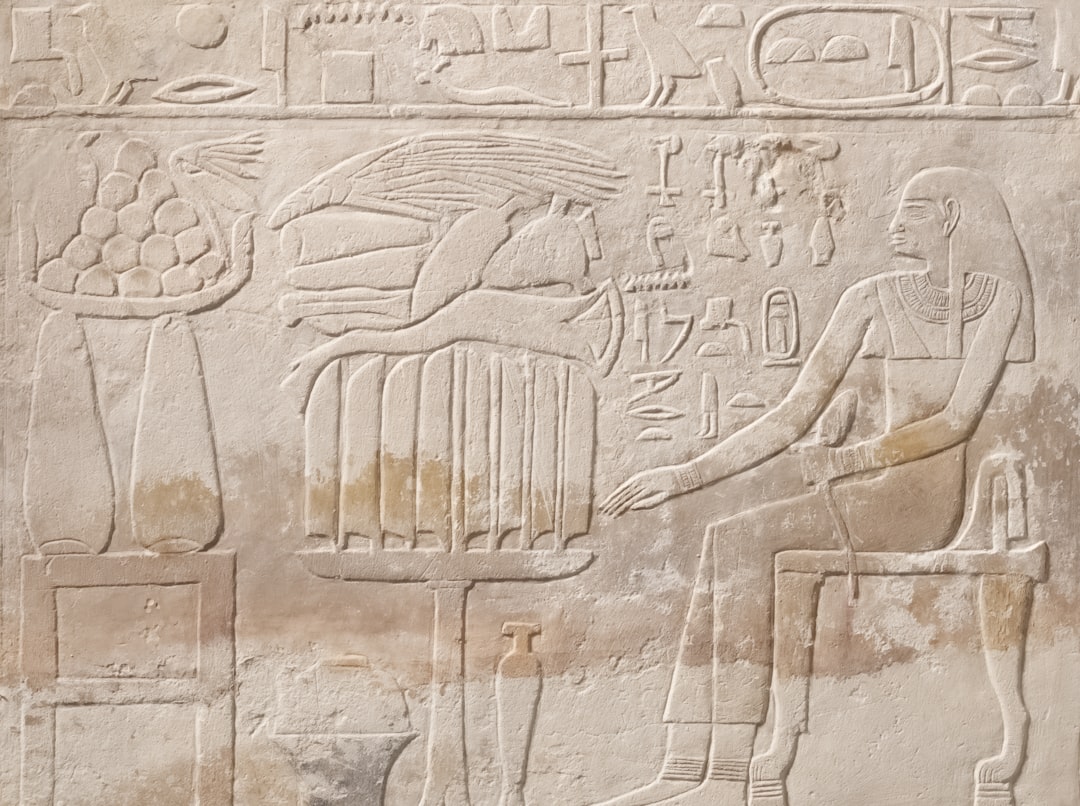
The colossal monuments that pierce the Egyptian sky, from the eternal pyramids of Giza to the awe-inspiring temples of Karnak and Luxor, stand as enduring testaments to the unparalleled skill and ingenuity of ancient Egyptian stone workers. Their mastery of manipulating and shaping one of the planet’s most resistant materials is a subject that continues to fascinate historians, archaeologists, and engineers alike. For millennia, these artisans, driven by a profound religious conviction and a complex administrative system, transformed quarries into masterpieces, leaving behind an astonishing legacy that speaks volumes about their advanced techniques and profound understanding of craftsmanship.
The very foundation of Egyptian monumental architecture lay in the successful extraction of colossal quantities of stone. This was no small feat, considering the limited tools and technological capabilities of the time. The Nile River played a crucial role, not only as a source of life and sustenance but also as the primary artery for transporting these massive blocks from distant quarries to building sites.
Identifying and Accessing Suitable Stone
The ancient Egyptians were discerning in their choice of stone, selecting materials based on their durability, availability, and aesthetic qualities. Limestone, readily found in the Mokattam Hills near modern Cairo, was the workhorse for the pyramids and many of the earlier temples. Its relatively soft nature made it easier to cut and shape, though still requiring immense effort. Granite, quarried from Aswan in Upper Egypt, was favored for its strength and resistance to weathering, making it ideal for sarcophagi, obelisks, and decorative elements requiring greater permanence. Basalt and sandstone were also employed for various purposes, each with its own set of advantages and challenges.
The process began with careful geological surveying to identify extensive veins of suitable stone. Once located, the quarrying process commenced, often on a massive scale. Workers would meticulously examine the rock face, looking for natural fissures and planes of weakness that could be exploited.
Early Extraction Methods: The Power of Wedges and Fissures
The earliest and arguably most ingenious methods of stone extraction relied on the principles of expansion and fracture. Simple yet effective tools were employed to create openings and then leverage the stone free.
Exploiting Natural Fissures
When natural cracks or fault lines were present, the Egyptians would further widen them using copper or bronze chisels and hammers. This would create small channels into which they could insert wooden wedges.
The Magic of Water-Swollen Wood
This technique was particularly clever. Wooden wedges, often made from acacia or tamarisk, would be driven into the widened fissures. Then, water would be poured over the wedges. As the wood absorbed the water, it would expand with tremendous force, widening the fissure and eventually splitting the stone. This method, requiring no explosives or complex machinery, could separate massive blocks from the bedrock.
Creating New Fissures: The Role of Chisels and Hammers
In the absence of suitable natural fissures, Egyptian quarry workers would resort to more labor-intensive methods. They would use dolerite pounders, incredibly hard, rounded stones, to repeatedly strike the rock face, gradually chipping away at the surface to create a shallow groove or channel. Once a sufficient depth was achieved, copper or bronze chisels, painstakingly hammered into the groove, would be used to break off sections of stone.
The Sound and Fury of the Quarry
The cacophony of hammer blows on chisel upon stone would have been a constant feature of the quarry landscape. This arduous process, performed without the aid of modern explosives, required immense physical exertion, coordination, and a deep understanding of the stone’s properties.
The Impact of Tool Evolution: From Copper to Iron (Later Periods)
While copper and bronze tools were paramount in the Old and Middle Kingdoms, the introduction of iron tools, particularly in the Late Period, marked a significant technological advancement, though its widespread adoption in stone quarrying took time.
The Strength of Bronze
Bronze, an alloy of copper and tin, offered greater hardness and durability than pure copper, allowing for more efficient chiseling and cutting. However, bronze tools still required frequent sharpening and were prone to bending or breaking under extreme stress.
The Iron Revolution
The advent of iron metallurgy brought about even harder and more resilient tools. Iron chisels and hammers could withstand more vigorous use and maintain their sharpness for longer periods, accelerating the quarrying process. However, the availability and skill in working with iron were also factors influencing its adoption. Regardless of the material, the constant need for resharpening and repair was an essential part of the quarry worker’s routine.
The ancient Egyptians were renowned for their remarkable ability to work with stone, crafting monumental structures that have stood the test of time. Their techniques involved a combination of skilled labor, innovative tools, and a deep understanding of the materials they used. For those interested in exploring the intricacies of ancient civilizations and their engineering marvels, a related article on celestial navigation in the Minoan culture can provide fascinating insights into how different ancient societies approached their architectural challenges. You can read more about it in this article: Unlocking the Secrets of Minoan Celestial Navigation.
Shaping the Stone: Precision with Primitive Tools
Once extracted, the colossal blocks of stone needed to be transported and then meticulously shaped to fit their intended purposes. This process, often involving enormous scale, demanded remarkable precision and an intimate understanding of geometry and measurement.
Rough Dressing and Shaping in the Quarry
Before being transported, the rough-hewn blocks often underwent initial shaping at the quarry site. This preliminary dressing aimed to reduce weight, create more manageable shapes, and prepare the surfaces for finer finishing later.
Dolerite Pounders and Rubbing Stones
The same dolerite pounders used for initial extraction were employed for rough shaping, knocking off sharp edges and uneven surfaces. Large, abrasive stones were also used for rubbing down surfaces, smoothing them to a degree.
The Art of Cutting and Sawing
Achieving flat surfaces and precise angles required sophisticated cutting techniques, all achieved with surprisingly simple tools.
The Copper Saw: Abrasive Power Unleashed
The Egyptian copper saw was not a sharp-edged blade in the modern sense. Instead, it was a flat copper strip or blade, often with abrasive sand mixed with water applied to the cutting edge. The sawyer would repeatedly move the saw back and forth, using the abrasive grit to grind away the stone. This was a slow and painstaking process, particularly for harder stones like granite.
The Grit is Key
The effectiveness of the copper saw was directly proportional to the quality and placement of the abrasive material. Sand, often sourced from the desert or riverbeds, was dusted onto the cutting groove as the saw worked. The repeated motion of the saw, with the embedded sand, essentially acted like a powerful grinding wheel.
Bow Saws for Finer Cuts
For more intricate cuts and shapes, bow saws were employed. These consisted of a flexible piece of wood or metal formed into a bow, with a copper or bronze wire stretched taut between the ends. Abrasive sand was again used in conjunction with the wire. The sawyer would move the bow back and forth, guiding the abrasive wire through the stone.
Leveling and Flattening Surfaces
Achieving the incredibly flat and smooth surfaces seen in many Egyptian structures was a testament to their meticulous finishing techniques.
The Plumb Bob and Level: Ensuring Accuracy
The plumb bob, a weight suspended on a string, was used to establish perfectly vertical lines. Wooden levels, often V-shaped with a plumb bob hanging from the apex, were used to ensure horizontal accuracy. These simple tools, combined with careful measurement, were essential for constructing structures that were both aesthetically pleasing and structurally sound.
The Use of Abrasives for Polishing
After rough shaping and cutting, surfaces were further refined using progressively finer abrasives. Sand, ground into finer and finer particles, was rubbed over the stone using wooden or stone blocks. This meticulous polishing process could result in the mirror-like finishes seen on many temple walls and sarcophagi, particularly with softer stones like limestone.
Transportation of Colossal Blocks
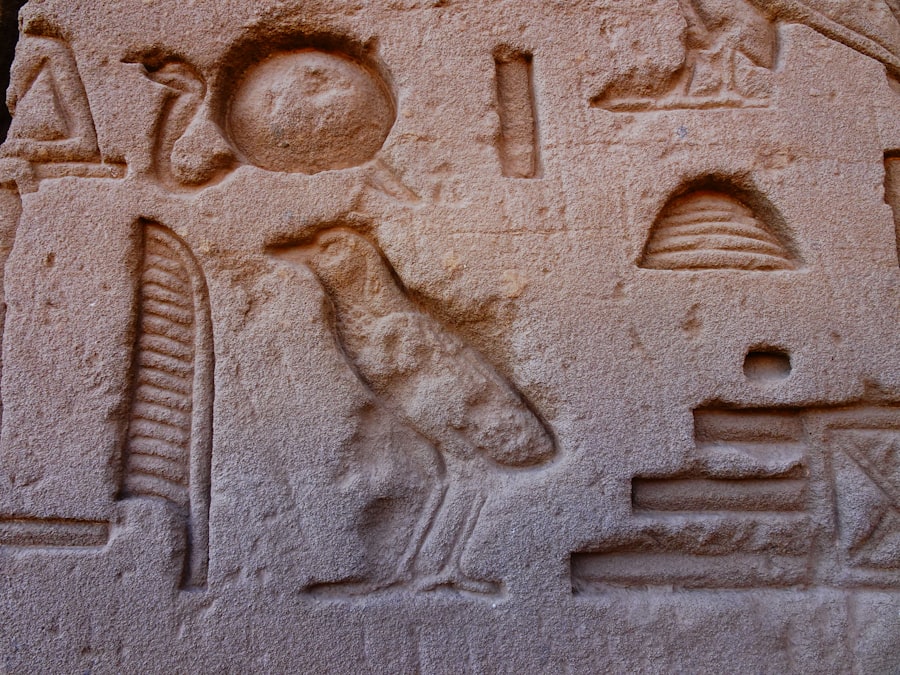
The sheer scale of the stones used in Egyptian construction is perhaps the most awe-inspiring aspect of their stone-working achievements. Moving these multi-ton monoliths from quarry to Nile, and then from Nile to monumental sites, was a logistical and engineering marvel.
Leveraging the Nile: The Lifeblood of Transport
The Nile River was the primary highway for transporting stone. The annual inundation of the Nile provided a period of high water levels, making it easier to bring barges closer to quarry sites. Large, flat-bottomed boats and barges, constructed from wood and often reinforced with reeds or papyrus, were used to carry the massive blocks.
Strategic Docking and Loading
Quarries were strategically located near navigable waterways, or canals were dug to facilitate access. At the quarry, massive ramps, ramps made of rubble, earth, and wood were constructed to allow the dressed stone blocks to be maneuvered onto the barges.
The Power of Manpower and Simple Machines
The loading and unloading of these stones relied almost entirely on human labor, augmented by simple machines like levers and rollers. Teams of men, sometimes numbering in the hundreds, would work in unison to pull and push the blocks.
Overland Haulage: The Sledges of Giants
When riverine transport was not feasible, or for shorter overland distances, the Egyptians employed massive wooden sledges. These sledges, often carved from solid logs, had runners to reduce friction.
The Lubricated Path: Reducing Resistance
Crucial to the efficiency of sledge transport was the lubrication of the path ahead. Numerous depictions show workers pouring water onto the sand or earth in front of the sledges. This not only reduced friction but also helped compact the ground, creating a smoother surface. The surprising discovery of a sledge with a man in front pouring liquid onto the sand, found in the tomb of Djehutihotep, provides vivid evidence of this technique.
The Role of Rollers: Controversy and Debate
While rollers have often been suggested as a method for moving heavy objects, concrete evidence for their extensive use in moving the largest Egyptian stone blocks is less conclusive. Sledges on lubricated surfaces appear to have been the primary method for the truly colossal stones. Rollers would likely have been less effective on soft ground and might have been prone to sinking.
The Precision of the Unloaded Block
Once at the construction site, the process of unloading and positioning these immense weights was just as critical as their transport. Ramps were again employed, allowing the blocks to be pulled or levered into their final resting places.
Finishing and Refinement: Achieving Perfection
The final stages of stone working involved an obsessive attention to detail, ensuring that the surfaces were perfectly smooth, the joints were precise, and the overall aesthetic was one of unparalleled craftsmanship.
The Art of Polishing
As mentioned earlier, polishing was a crucial step, particularly for important monuments and sarcophagi. This was achieved through the repeated rubbing of stone surfaces with finer abrasives, gradually reducing the grain size and creating a lustrous sheen.
The Importance of Surface Finish
A highly polished surface not only enhanced the visual appeal of the stone but also offered greater resistance to weathering and erosion, contributing to the longevity of the monuments. Certain stones, like alabaster and some types of granite, could be polished to a near-mirror finish, reflecting light and adding a sense of opulence.
Precision Joinery and Fitting
The fitting of stone blocks was often so precise that a blade could not be inserted between them. This level of accuracy was achieved through meticulous measurement, careful dressing, and the use of fine abrasives to achieve perfectly flat and parallel surfaces.
Leveling and Plumb Lines in Action
The skilled stone masons would constantly check their work using plumb bobs and levels to ensure that each block was perfectly aligned with its neighbors and the overall structure. Small adjustments were made by carefully chipping away small amounts of stone with fine chisels, a process that required immense skill and patience.
The Inclusion of Inscriptions and Decorations
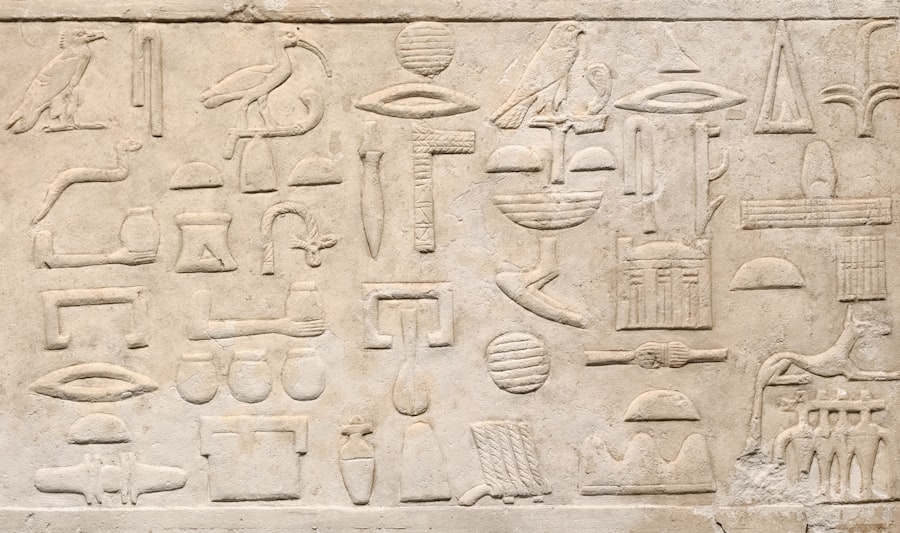
Beyond the structural aspects, the ancient Egyptians adorned their stone structures with intricate hieroglyphic inscriptions and relief carvings. This added another layer of complexity to their stone-working skills.
Carving Hieroglyphs and Reliefs
Once the surfaces were dressed and smoothed, sculptors would meticulously carve hieroglyphs, images of gods, rulers, and scenes from daily life and mythology. This was done using fine chisels and mallets, requiring immense precision to create the detailed and often deeply incised artwork.
The Contrast Between Relief Types
There were different types of relief carving: sunk relief, where the background was cut away, leaving the figures raised, and raised relief, where the figures themselves were carved out. The choice often depended on the stone type and the desired effect.
The techniques used by ancient Egyptians to work stone have long fascinated historians and archaeologists, revealing their remarkable skills in construction and artistry. Recent studies suggest that their methods were not only advanced for their time but also involved a deep understanding of the materials they used. For a deeper exploration of ancient knowledge and its implications, you can read about the intriguing connections between ancient civilizations in this article on lost maps and their mysteries. Check it out here.
The Human Element: Skill, Organization, and Belief
| Stone Working Techniques | Tools Used | Materials Worked |
|---|---|---|
| Carving | Chisels, hammers, saws | Granite, limestone, sandstone |
| Sculpting | Chisels, mallets, drills | Marble, alabaster, basalt |
| Quarrying | Hammers, wedges, ropes | Granite, limestone, diorite |
Underpinning these remarkable material and technical achievements was a highly organized society and a workforce driven by more than just coercion.
The Guilds of Craftsmen
It is widely believed that skilled stonemasons, sculptors, and carpenters were organized into guilds or workshops. These groups would have passed down knowledge and techniques through apprenticeships, ensuring the continuity of their specialized skills for generations.
The Apprenticeship System
Young men would have entered these workshops at a young age, learning by observing and assisting master craftsmen. This hands-on approach, combined with theoretical instruction in measurement and geometry, would have produced highly skilled artisans.
The Role of the Overseer and Scribe
The monumental projects of ancient Egypt were not haphazard undertakings. They were meticulously planned and managed by overseers and scribes. Scribes were responsible for recording measurements, quantities of materials, and the progress of work, while overseers directed the laborers and ensured that the plans were executed correctly.
The Power of Documentation
The extensive administrative records, though often fragmented, provide invaluable insights into the organization of labor, the logistics of material supply, and the overall management of these colossal building projects.
Corvée Labor and Paid Labor: A Complex Workforce
While the image of vast armies of slaves building the pyramids often prevails, recent scholarship suggests a more complex picture of labor. While corvée labor – a form of mandatory public service – likely played a role, particularly for unskilled tasks, skilled craftsmen were likely compensated, either through rations, goods, or even wages. This paid labor would have been essential for recruiting and retaining the highly specialized skills required for stone working.
The Motivation of Faith and Duty
Beyond monetary compensation, a strong sense of religious duty and loyalty to the pharaoh and the gods likely motivated many workers. The construction of temples and tombs was seen as a sacred act, contributing to the cosmic order and ensuring the afterlife of the ruler, which in turn benefited the entire kingdom.
The Legacy of the Stone Workers
The techniques and artistry of the ancient Egyptian stone workers were not confined to their own time. Their achievements inspired subsequent civilizations and continue to be a source of wonder and a benchmark for architectural and engineering prowess. The enduring presence of their stone creations in the Egyptian landscape serves as a constant reminder of their extraordinary dedication, their profound understanding of their craft, and their ability to shape the very earth itself into eternal monuments. Their legacy lies not just in the stone, but in the enduring spirit of human ingenuity and enduring purpose.

Ancient Egypt’s Greatest Engineering Mystery
FAQs
What tools did ancient Egyptians use to work stone?
Ancient Egyptians used a variety of tools to work stone, including copper chisels, saws, drills, and hammers. They also used wooden mallets and other handheld tools to shape and carve stone.
What techniques did ancient Egyptians use to quarry stone?
Ancient Egyptians used a technique called “levering” to quarry stone. This involved using wooden wedges to create cracks in the rock, which were then widened using water and wooden or copper tools. Once the stone was separated from the bedrock, it was transported to the construction site using sledges and boats.
How did ancient Egyptians carve and shape stone for construction projects?
Ancient Egyptians used a combination of pounding, chiseling, and grinding to carve and shape stone for construction projects. They would first outline the shape of the stone using chisels, then use hammers and other tools to remove excess material. Finally, they would use abrasive materials like sand to smooth and polish the stone.
What types of stone did ancient Egyptians work with?
Ancient Egyptians worked with a variety of stones, including limestone, sandstone, granite, and basalt. Each type of stone had different properties and was used for different purposes in construction and sculpture.
What are some examples of ancient Egyptian stone monuments and structures?
Some famous examples of ancient Egyptian stone monuments and structures include the Great Pyramid of Giza, the Sphinx, the temples at Karnak and Luxor, and the obelisks at Karnak and Heliopolis. These structures showcase the incredible skill and craftsmanship of ancient Egyptian stone workers.