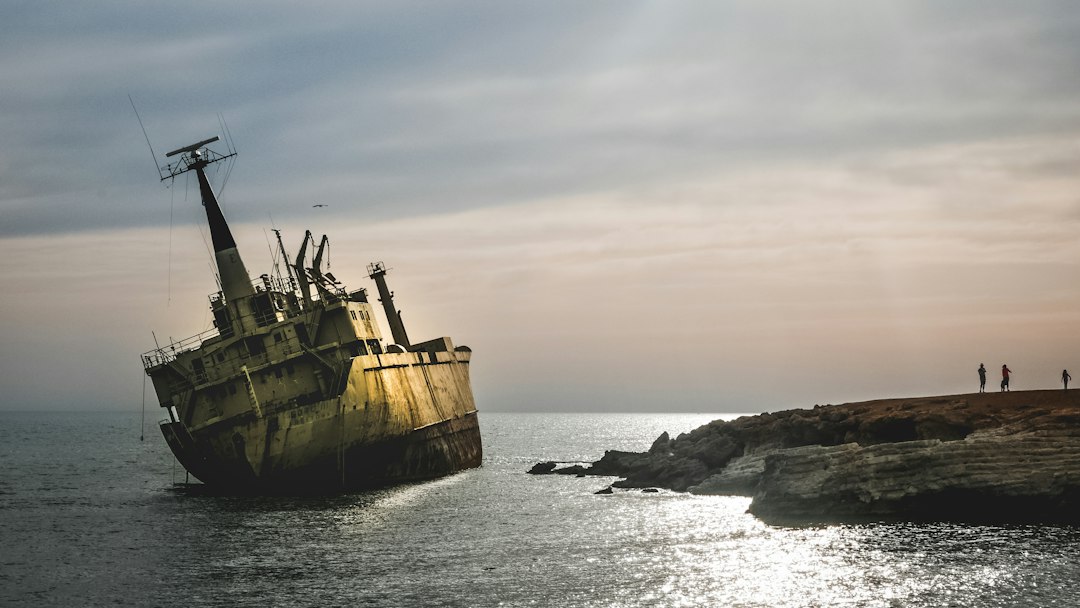
The arid expanse shimmered under a relentless sun, a vast canvas of sand stretching to an unbroken horizon. Here, where the wind sculpted dunes and life clung precariously to existence, a peculiar and haunting spectacle unfolded: stranded ships. Not vessels swallowed by the sea, but behemoths of the ocean, marooned miles from any discernible coastline, their hulks stark against the desert sky. This was the desert dilemma, a phenomenon that defied conventional maritime logic and whispered tales of shifting landscapes and forgotten waters.
The sight of a ship on land is, in itself, an anomaly. But the presence of multiple, often colossal, vessels entombed in sand is something else entirely. These are not simply forgotten wrecks; they are monuments to a past that has fundamentally altered its own geography. The desert, with its insatiable appetite for consuming and transforming, has become an unlikely graveyard for the maritime world. These ships, once instruments of trade, exploration, and conquest, now stand as silent sentinels, their metallic skeletons exposed to the elements, their stories etched into the very grains of sand that surround them. They are the ghost fleets of the arid seas, haunting reminders of a world that was, and a landscape that is.
Unveiling the Anomaly: Ships Where No Water Should Be
The initial reaction to encountering a ship in the desert is one of profound bewilderment. How did it get here? What catastrophic event could have placed such a colossal object so far from its intended element? These questions gnaw at the observer, challenging ingrained understandings of geography and the natural world. The ships are not small fishing boats; they are often substantial vessels, some capable of carrying hundreds of tons, their sheer scale amplified by the surrounding emptiness. Their presence feels like a surreal dream, a glitch in reality. The stillness of the desert amplifies the silence of these beached giants, creating an atmosphere of profound, almost melancholic, beauty. The wind, the only constant presence, whispers through their rusted hulls, carrying with it the phantom sounds of creaking timbers and crashing waves, echoes of a life they once knew.
The Scale of the Stranding: A Maritime Graveyard
The sheer number of these stranded vessels is a testament to the dramatic transformations that have occurred. In certain regions, particularly those that were once coastal or crisscrossed by ancient waterways, the desert has swallowed not just one or two, but entire fleets. These are not isolated incidents but rather a recurring theme, a stark indication that the earth’s surface is not as static as it might appear. The ships vary in size and type, from early wooden sailing ships to more modern iron and steel vessels, each representing a different era of maritime history. Their collective presence forms a silent, imposing graveyard, a somber testament to the power of geological change and the ephemeral nature of human endeavors.
The phenomenon of ships stranded in the desert has long captivated the imagination, often leading to theories about ancient civilizations and lost technologies. For those interested in exploring the mysteries surrounding such enigmatic occurrences, a related article titled “Unlocking the Mysteries of Lost Tech” delves into the intriguing connections between forgotten technologies and their impact on our understanding of history. You can read more about it by following this link: Unlocking the Mysteries of Lost Tech.
The Geological Architects: Shifting Sands and Submerging Shores
The primary architects of this desert dilemma are the inexorable forces of geology. The earth’s crust is a dynamic entity, constantly in motion, and the landscape that appears stable to the human eye is in fact a tapestry of slow, but powerful, transformations. Over vast stretches of time, coastlines recede, sea levels fluctuate, and riverbeds shift, all contributing to the surreal phenomenon of ships being stranded inland. These are not acts of immediate, dramatic catastrophe in most cases, but rather the cumulative effect of millennia of geological processes.
The Great Desiccations: Ancient Seas That Vanished
One of the most significant drivers behind the desert’s maritime graveyard is the phenomenon of great desiccations, periods when vast inland seas or shallow oceanic areas have dramatically receded, leaving behind their stranded inhabitants. These ancient bodies of water, once teeming with life and navigated by vessels, have, over geological time, evaporated, subsided, or been filled in by sediment. The ships that plied these waters were then left behind, gradually entombed by the advancing desert. The fossilized remains of marine life found alongside these ships offer further evidence of these once-aqueous environments.
Tectonic Shifts and Uplift: Land Rising from the Sea
Beyond the simple recession of water, tectonic plate movements play a crucial role. The earth’s crust is composed of massive plates that constantly grind against each other. These movements can cause landmasses to rise, effectively lifting ancient seabeds and their wrecks far above the present-day sea level. What was once a shallow bay or a continental shelf can, over millions of years, become a vast, elevated desert plateau. The ships found on these uplifted terrains are witnesses to a time when the land beneath them was once submerged. This process, though imperceptible on a human timescale, is responsible for some of the most striking examples of desert-stranded ships.
Riverine Pathways and Catastrophic Floods: When Rivers Become Oceans
While tectonic activity and sea-level changes are significant, the role of rivers should not be underestimated. Ancient river systems, particularly those that were extensive and powerful, could have served as pathways for ships to venture far inland. In some instances, catastrophic floods, perhaps triggered by seismic events or massive rainfall, could have inundated vast areas, allowing ships to be carried far from their usual routes. When these floodwaters eventually receded, the ships were left stranded in the newly formed desert landscape. The historical and archaeological evidence for such events can be subtle, requiring careful interpretation of geological strata and the context of the shipwrecks themselves.
Human Endeavor and Environmental Impact: More Than Just Geology
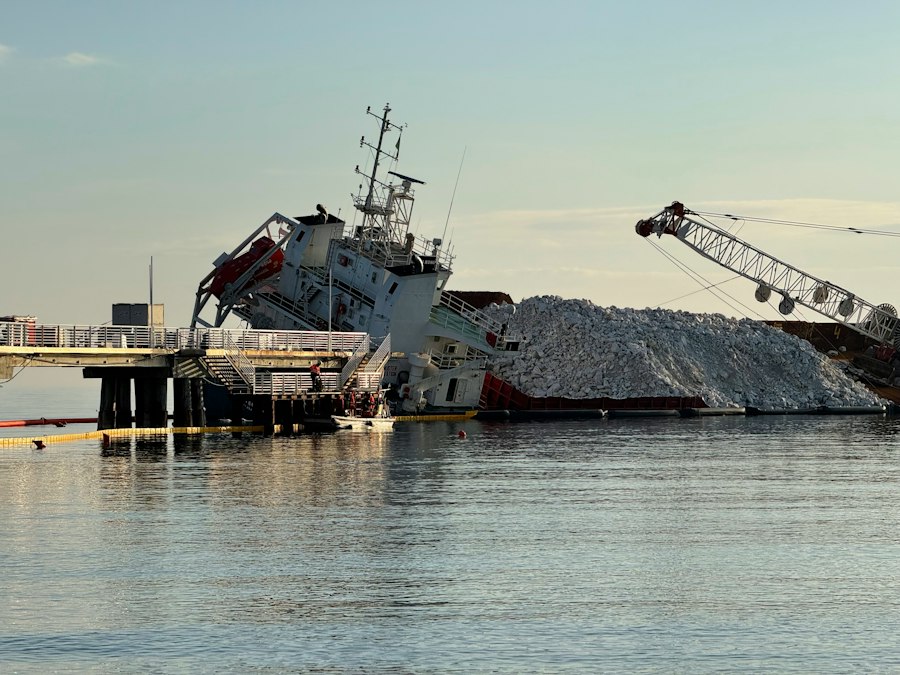
While geology is the primary force behind the desert dilemma, human actions have also, in some instances, contributed to or exacerbated the problem. Resource extraction, agricultural practices, and even the deliberate movement of vessels for salvage or as historical artifacts can lead to ships finding themselves in the desert, though typically on a smaller and more localized scale compared to the vast geological transformations. However, understanding the broader environmental impact of human activities on landscapes can provide a more nuanced perspective.
The Abandonment and Scavenging of Vessels
Historically, ships were sometimes abandoned in shallow waters or on shorelines due to damage, economic hardship, or even as a means of disposing of old vessels. In some cases, these abandoned ships might have been stranded in areas that, over time, became deserts due to natural processes. Furthermore, the practice of shipbreaking, while often occurring in coastal areas, can sometimes involve the transportation of vessels inland for salvage of their materials, potentially leading to their eventual abandonment in non-maritime environments.
The Role of Infrastructure and Land Reclamation Projects
While not directly causing ships to appear in the middle of a desert, past and present infrastructure projects, such as the construction of dams, canals, and land reclamation initiatives, can drastically alter watercourses and coastlines. In regions that have undergone significant human-induced environmental change, what were once navigable waterways might have dried up, or coastal areas might have been pushed inland, leaving behind vessels that were once afloat. The careful study of historical maps and development plans can reveal how human intervention might have played a role in the context of a stranded ship.
The Modern Maritime Waste Dilemma
In the modern era, the vast scale of global shipping and industrial activity has led to increased concerns about maritime waste. While most waste is managed, there are instances where decommissioned vessels or their components can end up in unusual locations. However, it is crucial to differentiate these modern issues from the vast geological narratives that define the primary desert dilemma. The ancient stranded ships are a product of deep time and planetary forces, whereas modern incidents are more often related to specific human activities and regulations.
Echoes of the Past: Stories of Discovery and Intrigue
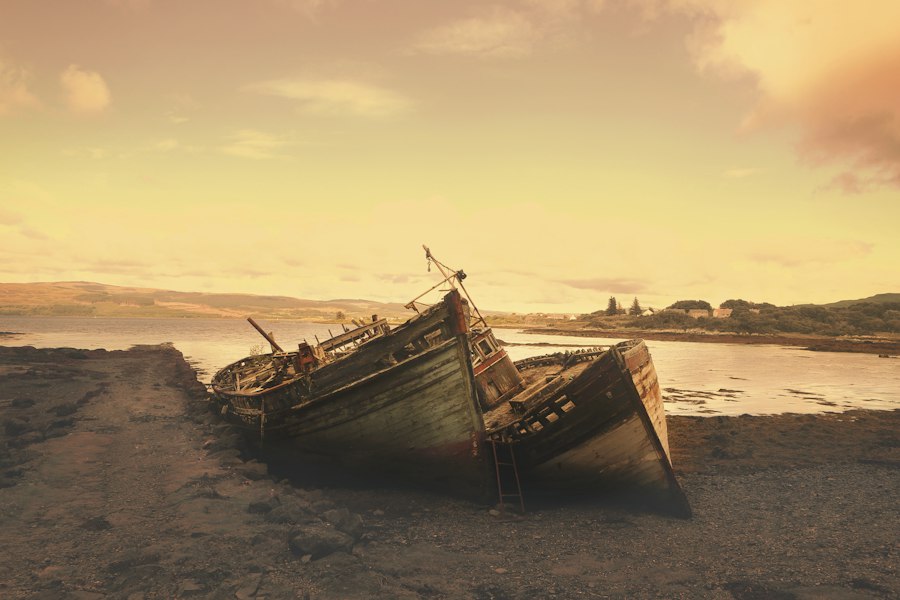
The stranded ships are not merely inert relics; they are repositories of history and human stories. Their discovery ignites curiosity and leads to investigations that can uncover forgotten tales of exploration, trade, and the lives of those who sailed them. Each ship is a time capsule, offering glimpses into past technologies, maritime practices, and the socio-economic conditions of its era. The desert, in its embrace of these vessels, has preserved them in a unique way, offering a stark contrast to the decay that often befalls ships submerged in the sea.
Archaeological Investigations: Unearthing Lost Histories
Archaeologists and historians are drawn to these desert-stranded ships like moths to a flame. These sites offer unparalleled opportunities to study ancient shipbuilding techniques, the types of goods transported, and the navigational methods employed. Excavations around the ships can reveal artifacts that shed light on the daily lives of the crew, their customs, and their interactions with the regions they visited. The dry desert environment can, in some cases, preserve organic materials that would have long since decayed in the sea, offering an even richer archaeological record.
The Romanticism of the Marooned: Myths and Legends
The sheer visual impact of a ship in the desert has naturally given rise to a wealth of myths and legends. Stories of phantom fleets, lost civilizations, and curses are often associated with these enigmatic sites. The isolation and surreal nature of the landscape lend themselves to imaginative interpretations. These narratives, while not always scientifically accurate, contribute to the mystique and allure of the desert-stranded ships, further cementing their place in popular imagination as something beyond the ordinary.
Economic and Tourism Potential: A Unique Attraction
In recent decades, the unique nature of these stranded ships has begun to attract attention from the tourism industry. These sites can become significant attractions, drawing visitors who are intrigued by the unusual spectacle and the stories they represent. The careful management and preservation of these sites are crucial to ensure that they can be appreciated by future generations without being exploited or damaged. The economic benefits derived from such tourism can also provide resources for further research and conservation efforts.
In recent years, there have been intriguing reports about ships stranded in the desert, a phenomenon that raises questions about maritime trade and its impact on local economies. For a deeper understanding of how such unusual occurrences can affect trade relationships, you might find it interesting to explore the economic dynamics between neighboring countries. An insightful article discusses the economic importance of Mexico for the US, highlighting how trade routes can be influenced by various factors, including geographical anomalies. You can read more about this topic in the article here.
Preserving the Silent Sentinels: Challenges and Future Outlook
| Location | Number of Ships | Type of Ships | Reason for Stranding | Year Stranded | Current Condition |
|---|---|---|---|---|---|
| Huacachina, Peru | 1 | Fishing Boat | Moved for tourism display | 2010 | Preserved as tourist attraction |
| Ship Graveyard, Mauritania | 300+ | Various (Cargo, Fishing) | Abandoned after decommission | 1970s – Present | Rusting, decaying |
| Aral Sea, Central Asia | 100+ | Fishing Boats | Sea dried up due to diversion | 1990s | Stranded on desert land |
| Wadi Al-Hitan, Egypt | 0 | N/A | Fossilized whale remains, not ships | N/A | Fossil site |
The preservation of these desert-stranded ships presents a unique set of challenges. They are exposed to the harsh elements of the desert, including extreme temperatures, sandstorms, and the relentless sun, all of which contribute to their decay. Balancing the need for preservation with the inevitable forces of nature and the potential for human interaction requires careful planning and dedicated effort.
The Battle Against Erosion and Decay: Conservation Strategies
Conservation efforts are vital to slow down the relentless process of erosion and decay. This can involve various strategies, such as reinforcing unstable structures, protecting exposed materials from the elements, and carefully documenting the condition of the ships over time. The choice of conservation methods needs to be sensitive to the historical and material integrity of the vessels, ensuring that interventions do not inadvertently cause further damage. Collaboration between archaeologists, conservators, and local communities is essential for effective long-term preservation.
Balancing Accessibility and Protection: The Ethical Dilemma
A significant challenge lies in balancing public access with the need for protection. While it is important for people to be able to experience and learn from these sites, unrestricted access can lead to vandalism, theft of artifacts, and damage to the fragile structures. Establishing designated viewing areas, implementing visitor management systems, and educating the public about the importance of these sites are crucial steps in ensuring their long-term survival. The ethical considerations surrounding the preservation of these historical artifacts are paramount.
The Ongoing Story: A Testament to Earth’s Dynamic Nature
The desert dilemma of stranded ships is not a closed chapter. As geological processes continue and environmental conditions evolve, new discoveries may be made, and existing sites may undergo further transformations. These silent sentinels will continue to tell their stories, reminding us of the Earth’s dynamic nature, the ebb and flow of water, and the enduring legacy of human endeavor against the backdrop of geological time. They are a profound and humbling testament to a world in constant flux, a world where even the most solid of structures can be surrendered to the vast, silent embrace of the desert. The ghost fleets of the arid seas remain, whispering tales of a world transformed, urging us to look beyond the horizon and understand the deep, powerful currents that shape our planet.
A Dam Brought the Aral Sea Back—But Only Part of It
FAQs
What is the article about?
The article discusses the phenomenon of ships being stranded in the desert, exploring how they ended up in such unusual locations.
How do ships end up stranded in the desert?
Ships can end up stranded in the desert through various means, such as being transported inland for display purposes, abandoned due to changing water levels, or left behind after man-made bodies of water dry up.
Where are some famous locations where ships are stranded in the desert?
Some famous locations where ships are stranded in the desert include the Aral Sea in Central Asia, the Salton Sea in California, and the Mojave Desert in the United States.
What happens to the ships once they are stranded in the desert?
Once ships are stranded in the desert, they are often left to decay due to the harsh environmental conditions. Some may be repurposed for tourism or artistic displays, while others are simply left as eerie reminders of the past.
Are there any efforts to remove or preserve the ships stranded in the desert?
There are occasional efforts to remove or preserve ships stranded in the desert, particularly if they are of historical significance. However, logistical challenges and the cost of such endeavors often make it difficult to undertake large-scale removal or preservation projects.