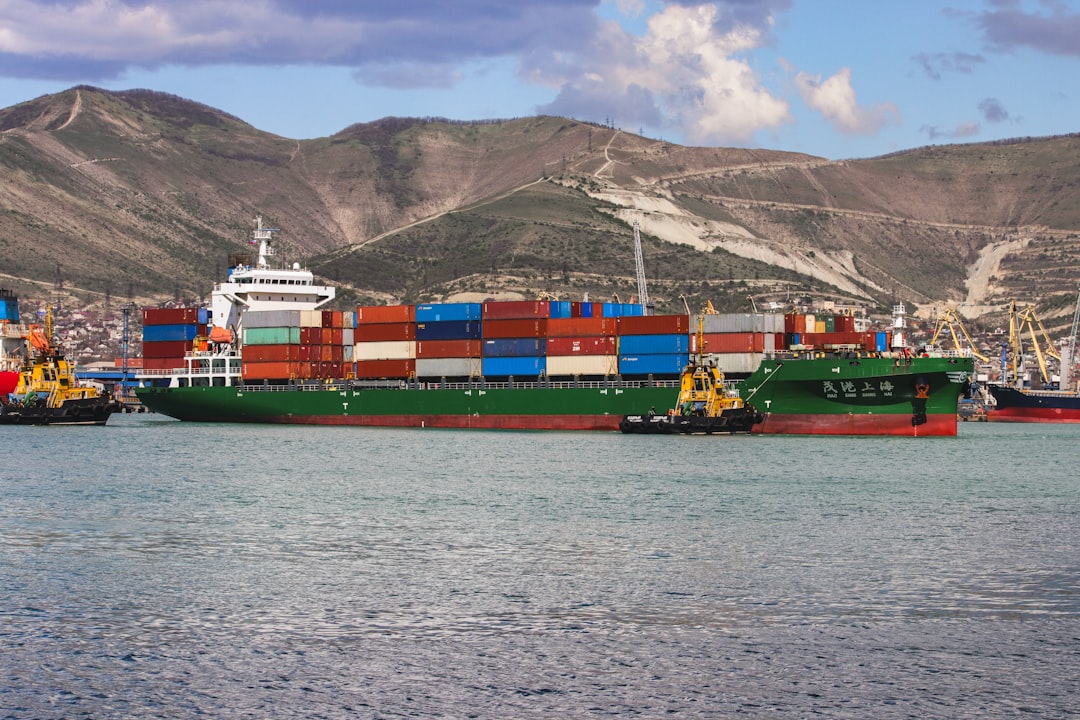
The Caspian Sea, a vast inland sea cradled by five nations, has long been a vital artery for trade and transportation. However, the flow of goods across its waters has historically been hampered by complex and often inefficient customs procedures. In response to these challenges, a new initiative, the “Caspian Sea Green Channel Customs Protocols,” has emerged, aiming to untangle the knots of bureaucracy and accelerate the movement of trade. This article will delve into the intricacies of this protocol, exploring its genesis, its operational mechanisms, its expected impacts, and the hurdles it must overcome to truly revolutionize trade in the region.
The need for a streamlined customs process in the Caspian Sea region is not a new phenomenon. For decades, traders have grappled with a patchwork of regulations, varying inspection standards, and lengthy processing times. This had the cumulative effect of increasing costs, delaying shipments, and making the Caspian route less competitive compared to alternative land-based or maritime corridors. The very geography of the Caspian, while offering a direct link between its littoral states – Azerbaijan, Iran, Kazakhstan, Russia, and Turkmenistan – ironically contributed to these complexities due to divergent national policies. Like a river flowing through multiple jurisdictions, each with its own dam and water management system, the Caspian passage required a synchronized approach to ensure smooth transit.
The Economic Imperative for Reform
The economic arguments for a more efficient trade route are compelling. The Caspian region is rich in natural resources, particularly oil and gas, but also possesses significant potential in agriculture, manufacturing, and transit cargo. Reduced customs friction translates directly into lower logistical costs, making exports more attractive and imports more affordable for businesses and consumers alike. Furthermore, a more predictable and faster customs process enhances supply chain resilience, a critical factor in today’s globalized economy. The delays at nominal checkpoints felt like trying to push a fully laden ship through a narrow canal designed for a much smaller vessel; significant effort yielded minimal progress.
Laying the Foundation: International Cooperation and Bilateral Agreements
The Caspian Sea Green Channel Customs Protocols are not a unilateral diktat but rather the product of sustained dialogue and collaboration among the five Caspian littoral states. Recognizing that individual action would be insufficient, these nations have engaged in a series of meetings, workshops, and technical expert groups to forge common ground. This process has been akin to assembling a complex jigsaw puzzle, with each piece representing a nation’s unique customs procedures and regulations, all needing to fit together to form a coherent picture. While the Caspian Convention of 2003 provided a broad framework for cooperation on environmental and security issues, it was the specific need for trade facilitation that spurred the development of these specialized protocols.
Key Stakeholders and Their Motivations
Beyond the governmental bodies directly responsible for customs, a diverse array of stakeholders have played a crucial role. These include port authorities, shipping companies, freight forwarders, industry associations, and business chambers. Each group brings its own perspective and set of concerns, from the desire for faster turnaround times in ports to the need for greater transparency and predictability in customs assessments. The motivation for these stakeholders is rooted in the direct impact of customs procedures on their profitability and operational efficiency.
The Caspian Sea green channel customs protocols play a crucial role in facilitating trade and ensuring efficient customs procedures among the bordering nations. In a broader context, understanding the geopolitical dynamics of resource management can provide valuable insights into regional cooperation. For instance, an interesting article discussing the geopolitical race for Antarctic resources can be found at this link, which highlights how nations navigate complex territorial claims and resource exploitation, similar to the challenges faced in the Caspian region.
Deconstructing the Green Channel: Core Principles and Mechanisms
At its heart, the Caspian Sea Green Channel Customs Protocols are designed to create a preferential customs regime for certain categories of goods deemed low-risk. The “green channel” metaphor itself suggests a unimpeded flow, a departure from the more scrutinized “red channel” typically reserved for goods requiring more thorough examination. This differentiation is a cornerstone of the protocol, allowing for the expedited clearance of goods that meet specific criteria. The fundamental idea is to separate the wheat from the chaff, allowing those shipments that are demonstrably safe and compliant to bypass the more intensive scrutiny.
Risk Management and Profiling
The effectiveness of the green channel relies heavily on sophisticated risk management systems. Customs authorities employ a combination of data analysis, intelligence gathering, and advanced profiling techniques to identify shipments that are likely to be compliant and those that may pose a risk. This involves analyzing historical trade data, information provided by declarants, and international watchlists. The goal is to move from a one-size-fits-all approach to a more targeted and intelligent inspection regime. Imagine a seasoned fisherman knowing exactly where to cast his nets to catch the most fish, the risk management system aims to do the same for customs, focusing resources where they are most needed.
Harmonized Documentation and Electronic Data Exchange
A significant barrier to efficient customs clearance has been the multiplicity of required documents and the often manual nature of their processing. The Green Channel Protocols aim to address this by advocating for the harmonization of customs documentation across the region. Furthermore, a key component is the establishment of electronic data exchange (EDI) systems. This allows for the electronic submission and processing of customs declarations and supporting documents, reducing reliance on paper-based workflows and minimizing the potential for human error or loss of documents. The transition to EDI is like upgrading from a quill pen to a high-speed digital printer; the efficiency gains are immense.
Pre-arrival Processing and Advance Information
To further expedite clearance, the protocols emphasize pre-arrival processing. This means that customs authorities can begin processing declarations and reviewing information about incoming shipments while they are still en route to the port. By receiving advance information, customs officers can assess risks, perform preliminary verifications, and even pre-approve certain shipments before they physically arrive. This proactive approach significantly reduces the time goods spend waiting for clearance once they reach their destination. It’s like a doctor diagnosing a patient before they even set foot in the examination room; the treatment can begin sooner.
Mutual Recognition and Trusted Trader Programs
Another crucial element of the Green Channel Protocols is the concept of mutual recognition and the development of trusted trader programs. Mutual recognition implies that customs authorities in one signatory state will recognize and accept the customs decisions and certifications made by their counterparts in other signatory states for goods that have already been cleared under similar regimes. Trusted Trader Programs identify and reward businesses that have a proven track record of compliance with customs regulations. These businesses are then granted facilitated customs procedures, further accelerating their trade flows. This builds a network of trust, where each nation can rely on the diligent work of others.
Operationalizing the Green Channel: Practical Implementation and Challenges

The theoretical framework of the Green Channel Protocols is only as effective as its practical implementation. Translating the principles into tangible operational procedures requires significant investment in infrastructure, technology, and human capital. The path to seamless execution is rarely a straight line, and this initiative faces its own set of significant hurdles.
Technological Infrastructure and Interoperability
The successful deployment of electronic data exchange systems hinges on the availability of robust and reliable technological infrastructure in all five Caspian states. This includes secure internet connectivity, compatible software platforms, and standardized data formats. Ensuring interoperability between the different national systems is a complex undertaking, requiring significant technical expertise and coordination. Without common technological languages, the EDI systems would be like individuals speaking different dialects, unable to understand each other.
Capacity Building and Training for Customs Officials
Implementing new, risk-based customs procedures requires a substantial investment in training and capacity building for customs officials. These individuals need to be proficient in using new technologies, understanding risk assessment methodologies, and applying the principles of the Green Channel Protocols. A well-trained workforce is the engine that drives any new system, and without it, the best-designed protocols can falter.
Harmonization of National Legislation and Regulatory Frameworks
While the protocols provide a framework, the actual implementation within each country requires aligning national customs laws and regulations with the agreed-upon principles. This can be a lengthy and politically sensitive process, as it may involve revising existing legislation and ensuring consistency with domestic legal systems. Like fitting different pieces of furniture into a room, national laws must be reconfigured to accommodate the new designs.
Addressing Non-Tariff Barriers Beyond Customs
While the Green Channel focuses on customs procedures, it’s important to acknowledge that other non-tariff barriers can still impede trade. These can include differing product standards, complex licensing requirements, and inconsistent port procedures. The success of the Green Channel may, in turn, create pressure to address these other areas of friction. Imagine a highway being cleared of all tolls, yet still having numerous traffic lights; the journey is improved, but not yet optimal.
Ensuring Security and Compliance
A critical balancing act for any green channel initiative is ensuring that the expedited processes do not compromise security or facilitate illicit trade. Robust risk management, intelligence sharing, and targeted inspections remain essential to maintain the integrity of the system and to allay concerns about potential misuse. The green channel must remain a path of legitimate trade, not an open invitation to malfeasance.
Impact and Benefits: The Transformative Potential of the Green Channel

The successful implementation of the Caspian Sea Green Channel Customs Protocols holds the promise of significant economic and logistical benefits for the region. These benefits are not merely theoretical; they are tangible outcomes that can reshape trade dynamics. The ripple effect of reduced friction can be felt across numerous sectors.
Reduced Transit Times and Costs
The most immediate and apparent benefit is the reduction in transit times for goods moving through the Caspian Sea. By cutting down on lengthy customs inspections and processing, shipments can reach their destinations much faster. This, in turn, leads to lower logistical costs for businesses, including reduced warehousing expenses, less inventory holding, and improved cash flow. The speed of delivery becomes a competitive advantage.
Increased Competitiveness of Caspian Trade Routes
As the Caspian Sea route becomes more efficient and cost-effective, it will naturally become more attractive to traders. This can lead to a diversion of cargo away from less efficient routes and greater utilization of Caspian ports and shipping services. The region can reclaim its position as a vital transit hub. This is akin to a runner, previously hampered by heavy shoes, now able to accelerate and outpace the competition.
Enhanced Regional Economic Integration
By facilitating the movement of goods, the Green Channel Protocols contribute to greater economic integration among the Caspian littoral states. This can lead to increased intra-regional trade, greater specialization, and the development of more robust regional supply chains. A more interconnected economy fosters mutual growth and interdependence.
Attracting Foreign Direct Investment
A more predictable and efficient trade environment can be a significant draw for foreign direct investment (FDI). Businesses looking to establish or expand their operations in the region are more likely to do so if they are confident in their ability to move raw materials and finished goods efficiently. The predictability of the green channel acts like a reliable anchor for investment.
Improved Supply Chain Resilience
In an era of global disruptions, a streamlined and efficient trade route enhances the resilience of supply chains. The ability to move goods quickly and predictably across the Caspian Sea can provide businesses with valuable flexibility in sourcing and distributing their products, mitigating the impact of unforeseen events.
The Caspian Sea green channel customs protocols have been a significant development in facilitating trade and enhancing cooperation among the bordering nations. These protocols aim to streamline customs procedures, thereby reducing delays and fostering economic growth in the region. For those interested in exploring more about the intersection of ancient technologies and modern trade practices, a fascinating article can be found that delves into the mysteries of advanced ancient tech and its implications for contemporary society. You can read more about it in this related article.
The Road Ahead: Sustaining Momentum and Expanding Reach
| Protocol Aspect | Description | Metric/Value | Unit | Notes |
|---|---|---|---|---|
| Average Clearance Time | Time taken to clear goods through the green channel | 45 | minutes | Reduced from 90 minutes in 2022 |
| Number of Participating Ports | Ports along the Caspian Sea implementing green channel protocols | 5 | ports | Includes ports in Azerbaijan, Kazakhstan, and Russia |
| Customs Duty Exemptions | Percentage of goods eligible for duty exemption under green channel | 80 | % | Applies to specific categories like food and medical supplies |
| Documentation Requirements | Number of documents required for green channel clearance | 3 | documents | Includes invoice, packing list, and certificate of origin |
| Inspection Rate | Percentage of shipments inspected despite green channel status | 5 | % | Random inspections to ensure compliance |
| Operational Hours | Hours during which green channel customs operate | 24 | hours/day | Continuous operation to facilitate trade |
The Caspian Sea Green Channel Customs Protocols are a significant step forward, but they represent the beginning of a journey, not the end. Sustaining the momentum, addressing ongoing challenges, and potentially expanding the scope of the protocols will be crucial for their long-term success. The work of improvement is continuous, like tending a garden that needs constant care to flourish.
Continuous Monitoring and Evaluation
Regular monitoring and evaluation of the Green Channel Protocols are essential to identify areas for improvement and to ensure that the intended benefits are being realized. This involves collecting data on transit times, costs, and trade volumes, and gathering feedback from stakeholders. Data analysis is the compass that guides further refinement.
Adapting to Evolving Trade Patterns and Technologies
The global trade landscape is constantly evolving, with new technologies and trade patterns emerging regularly. The Green Channel Protocols must be flexible enough to adapt to these changes, incorporating new digital solutions and addressing new types of trade flows. The protocols must be agile, not rigid.
Expanding the Green Channel to Other Trade Facilitation Measures
As the Green Channel proves its effectiveness, there may be opportunities to expand its scope to encompass other trade facilitation measures. This could include closer cooperation on sanitary and phytosanitary controls, joint customs inspections, or the harmonization of other regulatory requirements. Broadening the scope of cooperation can create a more comprehensive trade ecosystem.
Strengthening Inter-Agency Cooperation within Countries
Within each Caspian nation, fostering stronger inter-agency cooperation among customs, border guards, port authorities, and other relevant government bodies is critical. A synchronized approach domestically is as important as the synchronized approach regionally.
Fostering Private Sector Engagement and Feedback
The continued engagement and active participation of the private sector are vital for the success of the Green Channel Protocols. Their feedback, insights, and willingness to adopt new procedures will be instrumental in shaping its future direction and ensuring its continued relevance and effectiveness. The voices of those directly involved in trade must always be heard.
FAQs
What is the Caspian Sea Green Channel Customs Protocol?
The Caspian Sea Green Channel Customs Protocol is a streamlined customs procedure designed to facilitate faster and more efficient clearance of goods transported via the Caspian Sea. It aims to reduce delays and promote trade by simplifying documentation and inspection processes.
Which countries are involved in the Caspian Sea Green Channel Customs Protocol?
The protocol involves the littoral states bordering the Caspian Sea, including Russia, Kazakhstan, Turkmenistan, Iran, and Azerbaijan. These countries collaborate to harmonize customs procedures and improve cross-border trade efficiency.
How does the Green Channel protocol benefit traders and transporters?
The protocol benefits traders and transporters by minimizing customs clearance times, reducing paperwork, and lowering the risk of cargo delays. This leads to cost savings, improved supply chain reliability, and enhanced competitiveness for businesses operating in the Caspian region.
What types of goods are eligible for the Green Channel customs procedures?
Typically, goods that meet specific criteria such as proper documentation, compliance with safety and security standards, and low-risk classification are eligible for the Green Channel. The exact eligibility requirements may vary by country but generally focus on facilitating legitimate and low-risk cargo.
Are there any security measures integrated into the Caspian Sea Green Channel Customs Protocol?
Yes, the protocol incorporates security measures including risk assessment, cargo tracking, and cooperation between customs authorities to ensure that expedited clearance does not compromise border security. These measures help prevent smuggling and ensure compliance with international trade regulations.