
Sudan Unearths 260 Ancient Graves: A Glimpse into a Lost Civilization
The sands of Sudan, a land steeped in the echoes of millennia, have once again yielded a treasure trove of historical significance. Archaeologists, meticulously working under the relentless African sun, have unearthed an astonishing discovery: a vast cemetery containing no less than 260 ancient graves. This remarkable find promises to shed new light on a previously lesser-understood civilization that once thrived in this strategically vital region, offering invaluable insights into their burial practices, social structures, and daily lives. The sheer scale of the cemetery suggests a significant population center, prompting a reevaluation of the historical narrative of ancient Sudan.
The discovery was made by a joint Sudanese-international archaeological mission, whose dedication and painstaking work have been rewarded with this profound revelation. The site, located in a remote desert region, had remained hidden for centuries, its secrets preserved by the very sands that now, paradoxically, have brought them to light. The initial excavation has already revealed a diverse array of grave goods and skeletal remains, setting the stage for years of detailed analysis. The sheer number of graves points to a prolonged period of human activity, suggesting that this was not merely a temporary encampment but a substantial and enduring settlement.
Unveiling the Scale of the Cemetery
The 260 graves represent a significant concentration of burials, indicating a community of considerable size and longevity. Preliminary assessments suggest that the cemetery was in use for an extended period, potentially spanning several centuries. The meticulous arrangement of the graves, some appearing to be clustered together while others stand in relative isolation, hints at possible kinship ties or social stratification within the community. The vastness of the cemetery underscores the importance of this location in ancient times, perhaps as a focal point for trade, religious practices, or political power. The challenges of excavating such a large area are immense, requiring careful planning, significant resources, and a deep understanding of archaeological best practices to ensure the preservation and interpretation of every artifact and skeletal remains.
The Role of Modern Technology
Modern archaeological techniques have played a crucial role in identifying and mapping the extent of this vast burial ground. Ground-penetrating radar (GPR) and aerial surveys have been instrumental in detecting subsurface anomalies that indicated the presence of human-made structures, including the outlines of graves, without disturbing the surrounding earth. This non-invasive approach allows archaeologists to prioritize excavation areas and understand the spatial organization of the cemetery before any digging begins. The integration of GIS (Geographic Information System) technology further aids in mapping the precise location of each grave, its orientation, and any associated features, creating a comprehensive digital record that will be invaluable for future research.
Recent archaeological discoveries in Sudan have unveiled 260 ancient graves, shedding light on the region’s rich historical tapestry. This significant find not only provides insights into burial practices but also highlights the cultural diversity of ancient civilizations in Africa. For a deeper understanding of how technology is transforming our exploration of such historical sites, you can read more in the article on revolutionary advancements in archaeology at this link.
Initial Observations of the Burials
The first glimpses into the graves have been nothing short of captivating. The variety of burial customs and the inclusion of grave goods offer a rich tapestry of information. The skeletal remains themselves, once meticulously studied, will provide crucial data on the health, diet, and physical characteristics of the ancient inhabitants. The careful examination of bone structure, tooth wear, and any signs of disease or injury can reveal much about their daily struggles and resilience. Furthermore, isotopic analysis of the bones can offer insights into their geographical origins and dietary patterns, shedding light on trade networks and migration routes.
Types of Burial Practices
The discovered graves exhibit a range of burial practices, suggesting a complex societal structure and evolving traditions. Some graves appear to be simple inhumats, with the deceased interred directly into the earth. Others, however, reveal more elaborate arrangements, with evidence of stone lining, deliberate tomb construction, or even secondary burials, where remains were reinterred after an initial period. The orientation of the bodies within the graves, whether facing east, west, or in a specific cardinal direction, can also hold symbolic significance, potentially related to beliefs about the afterlife or cosmic orientation. Understanding these variations is key to deciphering the social hierarchy and spiritual beliefs of this ancient population.
The Significance of Grave Goods
The presence and nature of grave goods are often the most eloquent witnesses to the lives of the deceased. The unearthed artifacts include a diverse array of items, such as pottery fragments, beads, tools, weapons, and even personal adornments. The quality and quantity of these items can provide strong indicators of the deceased’s social status, occupation, and wealth. For instance, the presence of finely crafted pottery or intricate jewelry might suggest a person of high standing, while more utilitarian tools could point to a craftsman or laborer. The discovery of weapons might indicate a society where conflict was prevalent or where individuals were buried with the means to defend themselves in the afterlife. The careful documentation and analysis of each artifact, including its material composition and craftsmanship, will be crucial in understanding the technological capabilities and artistic expressions of this civilization.
Skeletal Remains: A Window to the Past
The skeletal remains themselves are a treasure trove of information. Archaeologists are carefully excavating and preserving these fragile remnants, recognizing their immense scientific value. Studies of the bones can reveal details about the age, sex, and general health of the individuals. Evidence of healed fractures, signs of malnutrition, or degenerative diseases can paint a picture of the daily hardships and health challenges faced by this ancient population. Paleopathological analysis can identify evidence of specific diseases, offering insights into the prevalence of certain ailments and the potential impact on the community’s well-being. DNA analysis, if preserved sufficiently, could offer even more profound insights into their genetic makeup, their relationship to other ancient populations, and potential migratory patterns.
Potential Cultural Affiliations

The context of the discovery, coupled with the preliminary analysis of artifacts and burial styles, offers tantalizing clues about the cultural affiliations of this newly unearthed civilization. Sudan has a rich and complex history, marked by the succession of various kingdoms and cultures, including the Nubian kingdoms and interactions with ancient Egypt. The presence of certain types of pottery, tomb construction techniques, or even symbolic motifs on artifacts could link this discovery to known historical periods or suggest entirely new cultural connections.
Comparisons with Known Civilizations
Archaeologists will be meticulously comparing the findings from this site with those of other known ancient cultures in the region, particularly those of Nubia and ancient Egypt. Similarities in burial practices, such as the orientation of the body, the types of grave goods, or the architectural style of tombs, could indicate trade relations, cultural exchange, or even periods of direct influence. Conversely, significant differences could highlight the unique development of this particular civilization, setting it apart from its contemporaries. The presence of Egyptian-style amulets or hieroglyphic inscriptions, even if partial, would immediately suggest a strong link to pharaonic culture, while distinct artistic styles or burial traditions could point to a more independent trajectory.
Unidentified Cultural Elements
However, it is also highly probable that this discovery will reveal entirely new cultural elements, previously unknown to scholars. The distinctiveness of certain artifacts or burial customs could indicate a unique cultural identity, pushing the boundaries of our current understanding of ancient Sudanese history. This is where the true excitement of archaeological discovery lies – in uncovering the unexpected and challenging existing paradigms. The identification of unique pottery forms, distinctive tool manufacturing techniques, or novel architectural elements would suggest an independent cultural evolution, potentially filling a significant gap in the historical record.
Reconstruction of Daily Life and Belief Systems
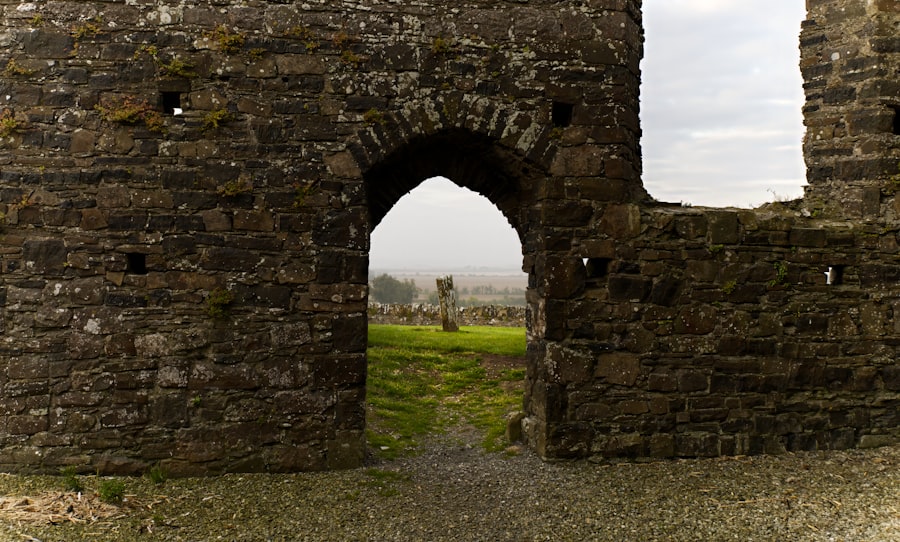
Beyond the immediate identification of the civilization, the ultimate goal of such an excavation is to reconstruct the daily lives, social structures, and belief systems of its people. The meticulously cataloged artifacts and skeletal remains will serve as primary source material for this intricate process of reconstruction. Each piece of pottery, each tool, and each bone fragment tells a story that, when pieced together, can bring a lost world back to life.
Diet and Subsistence Strategies
Analysis of animal bones and plant remains found within the graves or in the surrounding settlement areas will provide crucial information about the diet of the ancient inhabitants. Were they primarily agriculturalists, relying on domesticated crops, or did they engage in hunting and gathering? Evidence of tools used for farming, such as plows or sickles, or remnants of specific crops will indicate their agricultural practices. Similarly, the discovery of animal bones from domesticated species like cattle or sheep, or evidence of hunting tools like arrowheads, will shed light on their hunting and herding strategies. Understanding their subsistence strategies is fundamental to comprehending their settlement patterns and their relationship with the environment.
Social Organization and Hierarchy
The variations in grave goods and burial complexity are key indicators of social organization. The presence of elaborate tombs with rich grave offerings suggests a class of elite individuals, possibly rulers, priests, or wealthy merchants. Simpler burials with fewer or more utilitarian grave goods would likely represent the majority of the population. The clustering of certain graves could also indicate family units or kinship groups, offering insights into their social structures and familial relationships. Analyzing the distribution and type of artifacts can help map out these social strata, revealing a society that was likely not egalitarian.
Spiritual Beliefs and Rituals
The nature of the grave goods and the manner in which the deceased were interred provide windows into their spiritual beliefs and rituals surrounding death. Were they buried with items believed to be useful in the afterlife? Were there specific rituals performed during the burial process? The presence of symbolic objects, such as amulets or figurines, could offer clues about their pantheon of gods or their understanding of the cosmos. The orientation of the bodies and the overall arrangement of the graves might also reflect their cosmological beliefs or their hopes for the afterlife. The careful study of these elements is vital for understanding their worldview and their connection to the spiritual realm.
Recent discoveries in Sudan have unveiled 260 ancient graves, shedding light on the region’s rich history and cultural practices. This fascinating find has drawn comparisons to other significant archaeological sites around the world. For instance, an article discussing the potential rise of Mexico as a new economic superpower highlights how historical contexts can influence modern development. You can read more about this intriguing connection in the article here.
Future Research and Implications
| Location | Number of Graves | Age of Graves |
|---|---|---|
| Sudan | 260 | Ancient |
This monumental discovery is not an end but a beginning. The 260 ancient graves represent a vast repository of knowledge, and years of dedicated research lie ahead. The meticulous excavation, analysis, and interpretation of the findings will undoubtedly rewrite portions of Sudan’s ancient history and contribute significantly to our broader understanding of human civilization.
Long-Term Excavation and Preservation
The careful and systematic excavation of the entire cemetery will be a long-term endeavor, requiring sustained funding and expertise. Ensuring the proper preservation of the delicate artifacts and skeletal remains is paramount. This involves employing the latest conservation techniques to prevent deterioration and to prepare them for long-term study and display. The establishment of on-site conservation laboratories and secure storage facilities will be crucial for protecting this invaluable heritage.
Interdisciplinary Collaboration
The full potential of this discovery can only be realized through interdisciplinary collaboration. Archaeologists will work alongside osteologists (bone specialists), anthropologists, historians, geneticists, and geologists, among others. Each discipline brings a unique perspective and set of tools to the analysis, allowing for a more comprehensive and nuanced understanding of the unearthed civilization. The integration of data from various fields will be essential for piecing together the complex narrative of these ancient people.
Contribution to Global Heritage
This discovery is not just a Sudanese triumph; it is a contribution to global heritage. The insights gained from studying this lost civilization will enrich our understanding of human migration, cultural development, and the diverse ways in which societies have organized themselves throughout history. It serves as a powerful reminder of the vastness of our collective past and the continuous process of discovery that unravels the mysteries of human existence. The echoes of these 260 ancient lives, once silenced by time, are now resonating, offering a compelling testament to the enduring legacy of human ingenuity and cultural expression.

260 Ancient Graves Were Hiding in This “Empty” Desert
FAQs
1. What is the significance of the 260 ancient graves found in Sudan?
The 260 ancient graves found in Sudan are significant because they provide valuable insights into the burial practices, cultural traditions, and lifestyles of ancient civilizations in the region.
2. When were the ancient graves discovered in Sudan?
The ancient graves in Sudan were discovered recently, and the exact date of the discovery may vary depending on the source. However, they were likely discovered within the past few years.
3. What do the ancient graves in Sudan reveal about the people who were buried there?
The ancient graves in Sudan reveal information about the individuals who were buried there, including their social status, age, and potential causes of death. Archaeologists can also learn about the cultural and religious beliefs of the ancient civilization through the burial practices and grave goods found at the site.
4. What is the significance of studying ancient graves in Sudan for archaeologists and historians?
Studying ancient graves in Sudan is significant for archaeologists and historians because it provides a deeper understanding of the region’s history, including its cultural, social, and religious aspects. The findings from the ancient graves can contribute to the broader knowledge of ancient civilizations and their interactions with neighboring cultures.
5. What are the next steps for the research on the 260 ancient graves in Sudan?
The next steps for the research on the 260 ancient graves in Sudan may include further excavation, analysis of the grave goods and skeletal remains, carbon dating to determine the age of the graves, and collaboration with local experts and communities to gain a comprehensive understanding of the site and its significance.