Survival Math: Calories vs. Bullets in Nuclear War
The prospect of nuclear war, while often relegated to the realm of hypothetical doomsday scenarios, necessitates a sober consideration of post-cataclysmic realities. Amongst the myriad of challenges survivors would face, the fundamental requirements for sustenance and defense present a stark dichotomy. This article explores the grim calculus of survival, contrasting the critical importance of caloric intake with the immediate need for defensive firepower. The equation is not simply one of resources, but of prioritization, where the abstract concept of calories clashes with the tangible reality of bullets.
The initial hours and days following a nuclear exchange would be defined by chaos and immediate existential threats. The infrastructure upon which modern society depends would crumble, rendering traditional supply chains non-existent.
Blast Waves and Initial Radiation
The literal shockwaves from nuclear detonations would cause widespread destruction, flattening buildings and creating immediate casualties. Following the initial blast, radioactive fallout would begin to descend, posing a severe and prolonged threat to exposed populations. Understanding radiation zones and the necessity of seeking immediate shelter would be paramount for short-term survival. This phase is characterized by acute, violent events, leaving little room for nuanced decision-making. The focus is on pure, unadulterated survival against overwhelming physical forces.
Breakdown of Societal Structures
Law and order, as commonly understood, would likely evaporate. Emergency services would be crippled or non-existent. This necessitates a shift in individual and small group preparedness, moving from relying on external support to self-sufficiency. The pre-war notion of “calling for help” becomes obsolete. The vacuum left by governmental and emergency services would be filled by whatever individuals or groups can establish or assert. This creates a complex and dangerous environment where the strong, or the cunning, may prey on the vulnerable.
Exposure and Environmental Hazards
Beyond the direct effects of the detonations, survivors would face secondary environmental hazards. Fires would rage, potentially uncontrolled, creating widespread infernos. Contaminated water sources and the lack of sanitation would contribute to disease outbreaks. The very air could become a threat due to fallout. This necessitates an understanding of environmental risks and the development of strategies to mitigate them, from finding clean water to establishing safe zones.
In the context of preparing for potential nuclear conflict, the discussion often revolves around survival strategies that weigh the importance of resources like food and ammunition. An insightful article that delves into the broader implications of economic power and stability in the face of global threats is available at this link: Is Mexico the New Economic Superpower?. This piece explores how economic resilience can influence a nation’s ability to withstand crises, including the potential fallout from nuclear warfare, thereby highlighting the critical balance between calories and bullets in survival scenarios.
The Caloric Imperative: Sustaining Life in a Barren Landscape
In the long term, the ability to sustain life hinges entirely on acquiring and consuming sufficient calories. Without food, the human body cannot function, rendering all other survival efforts ultimately futile.
The Body’s Basic Needs
The human body requires a minimum of calories to sustain basic metabolic functions. This minimum varies based on age, sex, activity level, and environmental conditions. In a post-nuclear scenario, where physical exertion for survival would be high, caloric needs would likely increase significantly. Failure to meet these needs leads to starvation, weakness, cognitive impairment, and eventually, death. The stark reality is that calories are the fundamental fuel for survival.
Sources of Sustenance: A Precarious Outlook
Pre-war stockpiles would be finite and vulnerable to spoilage, theft, or destruction. Post-war environments would be severely degraded, with agriculture likely impossible for extended periods due to soil contamination and lack of resources. Hunting and foraging would become critical, but these activities are unpredictable and require knowledge, skill, and often, defense against competitors.
Scavenging and Rationing
The initial phase might involve scavenging from pre-existing stores. This is a short-term solution, fraught with danger from environmental contaminants and desperate individuals. The judicious rationing of existing supplies becomes an immediate necessity. Understanding shelf life, potential contamination, and nutritional value would be crucial.
Foraging and Hunting
As pre-war supplies dwindle, reliance on natural resources becomes unavoidable. This involves identifying edible plants, understanding their seasonality, and knowing how to prepare them safely. Hunting, while potentially providing vital protein, is often a low-yield activity and requires significant skill and energy expenditure. The ability to track, hunt, and prepare game would be a valuable, albeit dangerous, skill.
The Long-Term Challenge of Agriculture
Establishing any form of sustainable agriculture would be an immense undertaking. Contaminated soil, lack of viable seed stock, and the absence of modern farming equipment present almost insurmountable hurdles. Even if viable seeds are found, protecting nascent crops from pests, radiation, and other survivors would be a constant battle. The very concept of a regular food supply may become a distant memory.
The Bulleted Necessity: Defense in a Lawless World

While calories address the internal needs of the body, bullets represent the external defense against threats from a collapsed society. In a world devoid of formal authority, the ability to protect oneself and one’s resources is paramount.
The Nature of Post-Collapse Threats
The breakdown of societal structures would likely lead to an increase in violent crime. Desperate individuals and organized groups, driven by hunger or a lust for power, would pose significant threats. Private property would be undefended unless actively protected. This necessitates a proactive stance on security.
The Evolving Role of Firearms
Firearms, in a pre-war context, are tools for sport, defense, or authorized force. In a post-nuclear world, they become instruments of survival, essential for deterring threats and, if necessary, engaging them. The quality, quantity, and ammunition available for firearms would directly impact a survivor’s ability to secure their safety.
Deterrence Through Presence
The visible presence of firearms, coupled with a reputation for defense, can be a powerful deterrent. Potential attackers may choose to seek easier targets if they perceive a strong defensive capability. This psychological aspect of defense is as important as its physical execution.
Resource Protection
Survivors with defensible resources, such as food stores or clean water sources, would be prime targets. The ability to defend these resources is directly linked to owning and effectively utilizing firearms. A secure stockpile of food or water becomes worthless if it can be easily taken by force.
Personal Security
In a world where life is cheap, personal security is a constant concern. Individuals would need to be able to defend themselves from opportunistic attacks, whether it be from lone individuals or larger, organized groups. This requires not only possessing firearms but also the skill to use them effectively and safely.
The Calculus of Prioritization: Calories First, Bullets Second?
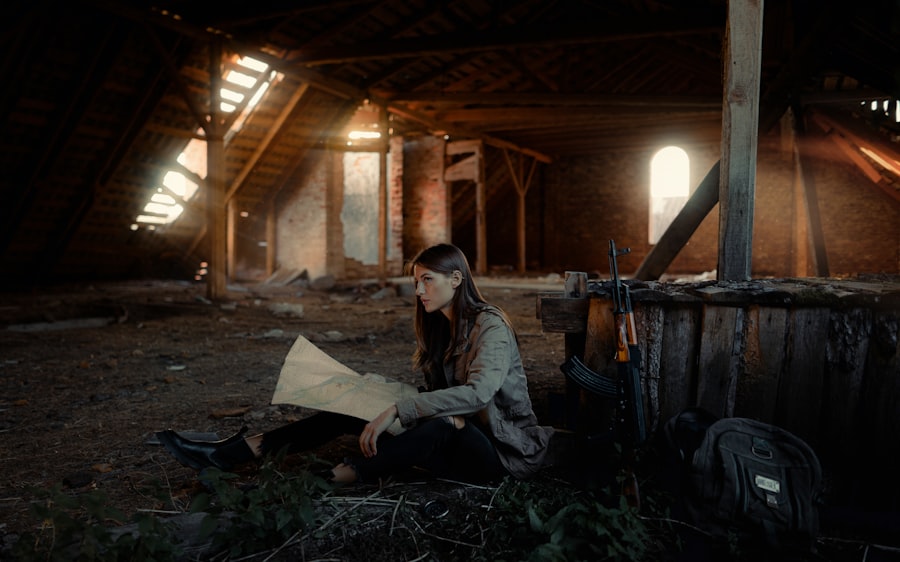
The core of survival math lies in the decision-making process regarding resource allocation. Which is more important, a sack of rice or a box of bullets? This is not a simple either/or proposition, but a complex interplay where one can negate the other.
The Paradox of Defense Without Sustenance
A survivor armed to the teeth, capable of defending against any threat, is ultimately doomed if they cannot find enough to eat. A perfectly secured food cache is useless if the defender succumbs to starvation before its contents are consumed. The raw power of firearms offers no defense against the slow, insidious enemy of hunger.
The Peril of Sustenance Without Defense
Conversely, a survivor with ample food but no means of defense is a vulnerable target. Their meticulously gathered calories can be stolen, their safe haven breached, and their very life extinguished by those who possess the means to take what they have. The bounty of nature is of little solace if it is constantly under threat from predators, human or otherwise.
The Synergy of Combined Preparedness
True survival lies not in prioritizing one over the other, but in achieving a balance. Calories provide the energy to live and to act. Bullets provide the means to secure the environment in which one can utilize those calories. The ideal scenario involves adequate stockpiles or reliable access to food, coupled with the ability to defend those resources and oneself. This requires foresight and a realistic assessment of potential threats.
Ammunition as a Consumable Resource
It is crucial to remember that bullets are not an infinite resource. Each shot fired depletes the available ammunition. Thus, a large stockpile of guns is only as effective as the ammunition available to fire them. This necessitates a careful consideration of ammunition quantity and its strategic use, not just for defense, but also for activities like hunting where every shot carries a significant cost.
In discussions about survival strategies in the event of a nuclear war, the balance between calories and bullets often emerges as a critical topic. A related article that delves into the implications of lost technology and its impact on survival is available at this fascinating documentary. It explores how the absence of advanced technology could reshape our understanding of survival, emphasizing the importance of resource management in a post-apocalyptic world.
Strategic Considerations: Long-Term Survival Planning
| Metrics | Calories | Bullets |
|---|---|---|
| Survival Math | 2000 calories per day | Depends on the situation |
| Duration | Long-term survival | Short-term defense |
| Usage | Energy for daily activities | Defense and hunting |
Beyond the immediate acquisition of calories and bullets, long-term survival demands strategic planning and adaptability. The choices made in the early days will have profound implications for the future.
Shelter and Location
The choice of shelter is critical. It needs to offer protection from the elements, potential attackers, and lingering radiation. Proximity to uncontaminated water sources and potential foraging areas would be significant advantages. Decentralized, hidden locations may offer greater long-term security than easily identifiable, resource-rich areas.
Skills and Knowledge Acquisition
In a collapsed society, skills become currency. Proficiency in first aid, water purification, food preparation, navigation, and self-defense would be invaluable. Knowledge of local flora and fauna, understanding weather patterns, and basic engineering principles could mean the difference between life and death. This emphasizes the importance of pre-collapse training and a commitment to continuous learning.
Community and Cooperation
While self-reliance is crucial, long-term survival may ultimately depend on the formation of a cohesive and trustworthy community. A group can share resources, skills, and the burden of defense. However, the selection of allies must be done with extreme caution, as a single untrustworthy individual can undermine the security of the entire group. The ability to gauge character and foster genuine cooperation is a vital survival trait.
The Psychological Landscape of Survival
The mental fortitude required for survival in a post-nuclear world cannot be overstated. Despair, hopelessness, and trauma would be pervasive. Maintaining morale, fostering resilience, and adapting to constantly changing circumstances would be as critical as any physical resource. The ability to make difficult decisions, to endure hardship, and to maintain a glimmer of hope in the face of overwhelming adversity would be the ultimate testament to human survival. The mathematical equation of survival is not just about calories and bullets; it is also about the unquantifiable strength of the human spirit.
FAQs
What is the concept of nuclear war survival math?
Nuclear war survival math is a concept that involves calculating the necessary resources for survival in the event of a nuclear war, such as food, water, and ammunition.
How are calories and bullets important in nuclear war survival math?
Calories and bullets are important in nuclear war survival math because they are essential for sustaining life and providing protection. Calories are needed to maintain energy and health, while bullets are necessary for self-defense and hunting.
How can one calculate the required calories for survival in a nuclear war scenario?
To calculate the required calories for survival in a nuclear war scenario, one can use formulas based on factors such as age, gender, activity level, and the availability of food sources. It is important to consider the need for both short-term and long-term sustenance.
What factors should be considered when calculating the necessary ammunition for survival in a nuclear war?
When calculating the necessary ammunition for survival in a nuclear war, factors such as the potential duration of the conflict, the likelihood of encountering threats, and the ability to replenish ammunition supplies should be taken into account.
Are there any resources or guidelines available for individuals to use in conducting nuclear war survival math calculations?
Yes, there are resources and guidelines available for individuals to use in conducting nuclear war survival math calculations. These may include government publications, survivalist manuals, and online tools that can assist in determining the required resources for survival in a nuclear war scenario.