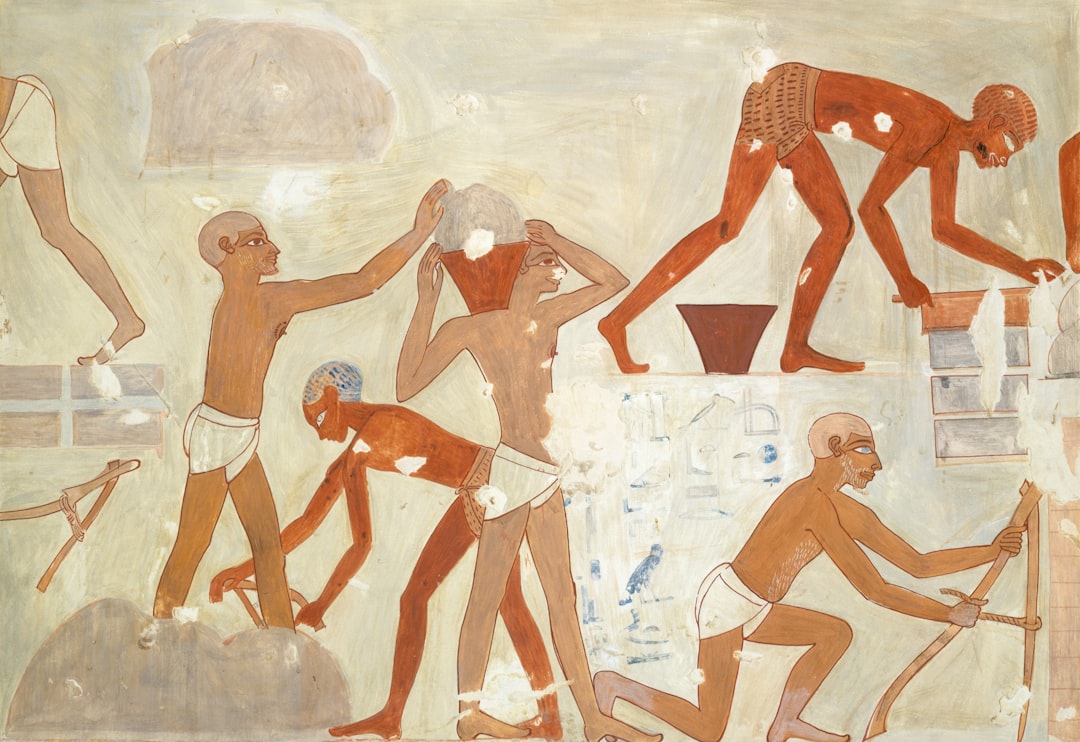
The Last Glacial Maximum, a period of profound environmental upheaval that peaked around 20,000 years ago, presented early humans with a formidable gauntlet of survival. Vast ice sheets sculpted the landscapes of the Northern Hemisphere, dramatically altering coastlines, river systems, and habitable zones. Temperatures plummeted, and ecosystems shifted, favoring hardy, cold-adapted flora and fauna. Against this backdrop of extreme challenge, our ancient ancestors did not merely endure; they innovated, adapted, and ultimately thrived, laying the groundwork for the future expansion of Homo sapiens. Their survival was a testament to a complex interplay of technological prowess, sophisticated social organization, keen ecological knowledge, and an remarkable capacity for resilience.
The most immediate and pressing challenge for ancient humans during the Last Glacial Maximum (LGM) was the pervasive cold. Survival hinged on the ability to not only withstand frigid temperatures but to actively harness resources in a landscape dominated by ice and snow. This required a profound understanding of their environment and the development of technologies that allowed them to exploit these harsh conditions.
Shelter: The Cornerstone of Warmth
The creation and maintenance of effective shelter was paramount. Natural caves and rock overhangs offered immediate refuge, but these were often limited in availability and location. Consequently, humans developed a range of innovative artificial structures.
Mammoth Bone Dwellings: Engineering Marvels
One of the most striking examples of LGM shelter construction comes from Eastern Europe, where inhabitants utilized the immense bones of mammoths. These structures, often semi-subterranean, were built by interweaving mammoth ribs, skulls, and long bones to form a framework, which was then covered with hides, turf, and vegetation. The sheer scale of these constructions, sometimes accommodating multiple individuals or families, speaks to a sophisticated understanding of structural integrity and resource utilization. The thick walls provided excellent insulation, trapping body heat and creating a relatively warm interior even in the harshest blizzards. Evidence suggests these dwellings were often strategically located near water sources and game trails, optimizing access to essential resources.
Hide Tents and Yurts: Portable Havens
Beyond the more permanent bone dwellings, portable shelters played a crucial role, particularly for mobile hunter-gatherer groups. These were typically constructed from animal hides stretched over frameworks of wood or bone. While seemingly simple, the meticulous preparation of hides – scraping, tanning, and stitching – was a skilled undertaking. These tents, often conical or dome-shaped, were designed to be easily erected and dismantled, facilitating rapid relocation in pursuit of migratory game or in response to changing environmental conditions. The understanding of wind dynamics and insulation properties was crucial in designing these portable homes, ensuring they offered protection from the biting winds and retained heat effectively.
Utilizing Natural Features: Strategic Placement
Even when natural shelters were available, their use was often strategic. Caves were not simply occupied; they were modified. Entrances might be blocked with stones or hides to reduce drafts. The placement of hearths within these shelters was also crucial, often positioned to maximize heat distribution and ventilation to prevent smoke inhalation.
Fire: The Lifeblood of Survival
The control and management of fire was, without question, one of the most fundamental survival strategies. Fire provided warmth, a crucial defense against the cold. It was essential for cooking food, making it more digestible and thus increasing nutrient absorption. Furthermore, fire served as a vital tool for processing materials, hardening spear tips, and even shaping bone and wood.
Mastering Fire Starting: Persistent Innovation
The ability to reliably start and maintain fire was not a given. While the exact methods employed during the LGM remain a subject of ongoing research, evidence suggests techniques like friction-based fire starting (e.g., using a bow drill or hand drill) and the striking of pyrite or flint against other hard stones to create sparks were likely in use. The careful selection of tinder and fuel was also critical, and knowledge of the best local materials for these purposes would have been passed down through generations. The ritualistic and social aspects of fire, as a focal point for community gathering and storytelling, also contributed to its profound importance.
Fire Management: Sustaining the Flame
Beyond ignition, effective fire management was crucial. This involved the continuous collection of fuel, the intelligent use of coals to rekindle flames, and the strategic placement of hearths to maximize their heating and cooking benefits. The ability to transport embers and maintain a fire during long journeys or periods of severe weather would have been a significant advantage.
During the Last Glacial Maximum, ancient humans faced extreme environmental challenges that shaped their survival strategies and migration patterns. This period, characterized by vast ice sheets covering significant portions of the Northern Hemisphere, forced early humans to adapt to harsh climates and limited resources. For a deeper understanding of how ancient civilizations navigated such adversities and the impact of climate on human history, you can explore the article titled “The Day of Two Suns: Ancient History Unveiled” available at this link.
Harnessing the Landscape: Hunting and Gathering in a Frozen World
The LGM transformed terrestrial ecosystems, leading to the dominance of open, treeless plains, steppes, and tundra. These environments, though seemingly barren, supported a unique array of megafauna and resilient plant life, which ancient humans learned to expertly exploit.
The Mammoth Hunt: Apex Predators of the Plains
The iconic mammoth, a colossal herbivore perfectly adapted to the cold, was a primary food source for many LGM hunter-gatherers. The sheer size and power of these animals necessitated sophisticated hunting strategies that involved collective action and specialized tools.
Cooperative Hunting Techniques: Strength in Numbers
Hunting mammoths was a dangerous undertaking that required meticulous planning and execution by coordinated groups. Strategies likely included driving herds into natural traps like ravines or swamps, where they could be more easily dispatched. Alternatively, hunters might employ stalking techniques, waiting for opportune moments to isolate individuals or smaller groups. The use of projectiles, such as spears tipped with finely crafted stone points, would have been employed at a safe distance, aiming for vital organs. The success of these hunts relied heavily on communication, shared knowledge of mammoth behavior, and a deep understanding of terrain.
Specialized Tools for the Chase: Innovation in Lithics
The development of specialized lithic tools was central to LGM hunting success. Finely flaked stone points, often made from materials like chert or obsidian, were attached to wooden shafts to create spears. These points were not uniform; their size and shape likely varied depending on the target animal and the intended hunting technique. The crafting of these tools required significant skill and knowledge of lithic reduction techniques, demonstrating a high level of technological sophistication.
Smaller Game and Avian Resources: Diversifying the Diet
While megafauna like mammoths were a significant caloric source, ancient humans also diversified their diets by hunting smaller animals and birds. These provided essential proteins, fats, and nutrients, and were often more accessible than large game.
Trapping and Snaring: Efficient Procurement
The use of traps and snares would have been an efficient method for capturing smaller mammals like rabbits, foxes, and ground squirrels. These devices, crafted from natural materials like bone, sinew, and plant fibers, allowed hunters to secure food with less direct confrontation and risk. The knowledge of animal behavior, including their movement patterns and feeding habits, was crucial in the effective placement and design of these traps.
Avian Exploitation: Fowl and Feather
Birds, particularly migratory species, would have been a valuable resource. While direct hunting might have occurred, methods like trapping them in nets or collecting eggs would have also contributed to the diet. Feathers themselves would have been utilized for insulation in clothing and bedding, and possibly for decorative or symbolic purposes.
Gathering Edible Plants: Resilience in the Tundra
Despite the prevalence of cold, the LGM landscape was not devoid of plant life. Resilient, cold-adapted species like berries, roots, tubers, and edible grasses would have been important food sources, particularly during certain seasons.
Knowledge of Edible Flora: Botanical Wisdom
The ability to identify edible plants and distinguish them from poisonous varieties required extensive botanical knowledge passed down through generations. This included understanding the seasonal availability of different plant parts, optimal harvesting times, and methods of preparation to enhance digestibility or remove toxins.
Food Processing and Storage: Preserving the Harvest
Gathered plant materials, like roots and tubers, often required processing to make them edible or digestible. This might have involved grinding, boiling, or drying. The development of techniques for drying and storing these foods would have been crucial for ensuring food security throughout the year, particularly during lean winter months.
Social Structures and Cooperation: The Power of the Group

Survival during the LGM was not solely an individual endeavor. The complex challenges of the environment fostered the development of sophisticated social structures and a reliance on cooperation, which amplified individual capabilities and ensured the well-being of the group.
Kinship and Band Organization: The Foundation of Society
The fundamental social unit was likely the extended family or kinship group, forming small, mobile bands. These bands provided a safety net, offering mutual support in hunting, childcare, and defense. The strong bonds within these groups facilitated the sharing of resources, knowledge, and labor.
Resource Sharing and Reciprocity: A Social Contract
In a resource-scarce environment, the principle of reciprocity was vital. Food, tools, and shelter were likely shared among band members, ensuring that no individual or subgroup suffered unduly from misfortune. This system of mutual aid fostered trust and cohesion, making the group more resilient to hardship.
Division of Labor: Efficiency and Specialization
Within bands, a division of labor likely existed, although it was likely fluid and adaptable. While men may have taken on more of the physically demanding tasks of hunting large game, women would have been crucial in gathering, processing food, preparing hides, caring for children, and maintaining the hearth. This specialization, even if not rigidly defined, increased the efficiency of the group as a whole.
Inter-Band Relations: Alliances and Exchange
Beyond the immediate band, relationships with other groups were also important. These interactions could range from friendly exchanges of resources and information to more formal alliances, particularly in times of scarcity or external threat.
Exchange Networks: Spreading Resources and Ideas
Evidence suggests that ancient humans engaged in long-distance exchange networks, trading valuable materials like flint, obsidian, and ochre. These networks not only facilitated the movement of essential resources but also served as conduits for the dissemination of technological innovations and cultural practices.
Marriage and Kinship Expansion: Building Bridges
Inter-band marriages would have played a crucial role in forging alliances and expanding kinship networks. This not only increased the gene pool but also created bonds of obligation and mutual support between different groups, strengthening their collective survival capacity.
Technological Innovation: Tools for a Harsh World
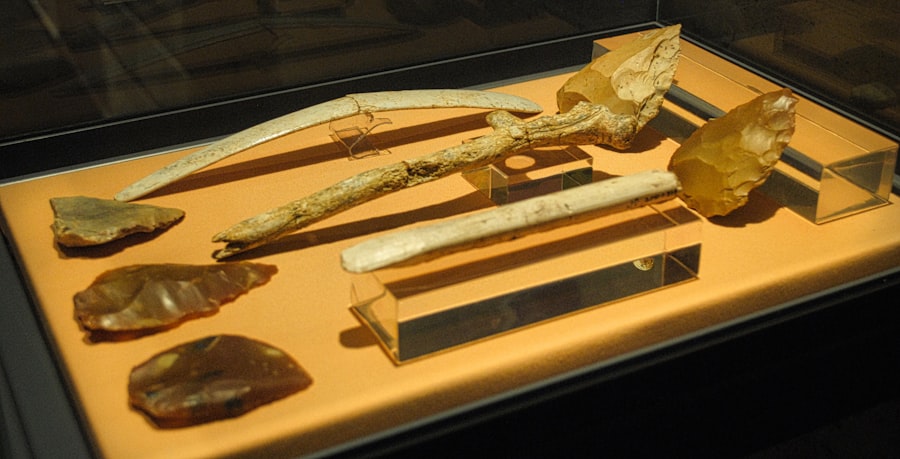
The LGM spurred remarkable technological advancements, as humans ingeniously adapted their tools and techniques to meet the demands of their environment. This period saw the refinement of existing technologies and the development of new ones, demonstrating a profound understanding of materials and their potential.
Lithic Technology: Precision and Versatility
The crafting of stone tools, or lithics, reached new heights of sophistication. The skills involved in selecting raw materials, flaking them precisely, and creating a diverse array of tools were critical for survival.
Blade Technologies: Efficiency and Adaptability
The development of true blade technologies, where long, thin flakes were systematically removed from a core, represented a significant leap forward. These blades were incredibly sharp and versatile, serving as knives, scrapers, and components for composite tools like spearheads and arrowheads. The ability to produce a large number of sharp edges from a single core was highly efficient.
Microburin Technique: Refinement and Tool Making
The microburin technique, which involved intentionally breaking off the tip of a flake to create a notched base, allowed for the precise hafting of smaller lithic elements onto wooden or bone shafts. This innovation was crucial for creating composite tools like harpoons and composite projectile points, enhancing their effectiveness.
Bone and Antler Tools: Strength and Durability
Bone and antler were also extensively utilized, often for tools that required greater strength and durability than stone. This included awls, needles, projectile points, and even decorative items. The ability to work these materials, often by grinding and polishing, further expanded the range of tools available to LGM humans.
Clothing and Adornment: Protection and Identity
The harsh climate necessitated well-made clothing, and evidence suggests ancient humans were skilled in crafting garments from animal hides and furs. The development of fine bone needles points to the ability to stitch together pieces of hide with great precision, creating close-fitting and insulating clothing.
Tailored Garments: Maximizing Insulation
The creation of tailored garments, shaped to the body, would have provided superior insulation compared to simple cloaks. This required careful measurement and cutting of hides, as well as an understanding of how to join them effectively.
The Significance of Adornment: Beyond Practicality
While primarily functional, clothing and personal adornment may also have played social and symbolic roles. Beads made from bone, shell, or teeth, and the use of ochre for body painting, suggest a desire for self-expression and the reinforcement of social identity, even in the face of extreme environmental pressures.
During the Last Glacial Maximum, ancient humans faced extreme environmental challenges that shaped their survival strategies and migration patterns. The harsh climate forced these early populations to adapt to changing landscapes and dwindling resources, leading to innovations in tool-making and social organization. For a deeper understanding of how ancient humans navigated these tumultuous times, you can explore this insightful article on the topic. It provides a fascinating perspective on the resilience of our ancestors during one of Earth’s most challenging periods. If you’re interested, you can read more about it here.
Cognitive and Behavioral Adaptations: The Mind of the Survivor
| Aspect | Details |
|---|---|
| Time Period | Last Glacial Maximum (LGM) occurred approximately 19,000 to 26,000 years ago |
| Climate | Cold and arid climate with lower sea levels and extensive ice sheets |
| Human Migration | Ancient humans migrated to different regions to adapt to the changing environment |
| Tools and Technology | Ancient humans developed specialized tools and adapted their technology to survive in the harsh conditions |
| Settlements | Ancient humans lived in small, mobile groups and utilized natural shelters for temporary settlements |
Beyond tangible technologies and social structures, the survival of ancient humans during the LGM was profoundly influenced by their cognitive abilities and adaptive behaviors. This period highlights the remarkable flexibility and ingenuity of the human mind.
Symbolic Thought and Abstract Reasoning: The Dawn of Culture
Evidence for symbolic thought, such as the creation of art and ornamentation, suggests that LGM humans possessed complex cognitive abilities. Engravings on bone and stone, and the sophisticated decoration of tools and shelters, indicate a capacity for abstract reasoning and the development of cultural traditions.
Early Art and Symbolism: Expression in a Harsh World
Cave paintings, engravings on portable objects, and the deliberate modification of materials for aesthetic purposes all point to a rich inner life and a desire to express complex ideas. These artistic endeavors may have served a variety of functions, including storytelling, ritual, and the transmission of knowledge.
Ritual and Belief Systems: Making Sense of the World
The presence of burials, often accompanied by grave goods, suggests the existence of belief systems surrounding death and the afterlife. These rituals would have provided comfort and meaning in a challenging world, helping to maintain social cohesion and provide a sense of order.
Language and Communication: The Glue of Society
The development and refinement of complex language would have been absolutely essential for coordinating hunting expeditions, sharing knowledge about resources and dangers, and maintaining social bonds. The ability to communicate abstract ideas and future plans would have been a critical advantage.
Complex Information Transfer: Passing Down Wisdom
Language enabled the efficient transfer of vital information about hunting techniques, plant identification, tool-making methods, and social customs. This oral tradition was the primary mechanism for transmitting knowledge across generations, ensuring that accumulated wisdom was not lost.
Learning and Adaptation: A Constant State of Evolution
Perhaps the most crucial adaptation was the inherent capacity for learning and behavioral flexibility. Ancient humans were not static beings; they were constantly observing, experimenting, and adapting their strategies in response to new challenges and opportunities. This adaptive capacity allowed them to navigate the ever-changing landscapes of the LGM and ultimately to thrive.
The survival of ancient humans during the Last Glacial Maximum is a testament to their extraordinary resilience, ingenuity, and adaptability. They were not passive victims of circumstance, but active agents who shaped their environments and their destinies through a remarkable combination of technological innovation, sophisticated social organization, and profound ecological knowledge. Their story serves as a powerful reminder of the enduring strength and adaptability of the human spirit in the face of adversity.

These Footprints Could Rewrite the Story of the First Americans
FAQs
What was the Last Glacial Maximum?
The Last Glacial Maximum (LGM) was a period of the most recent glacial advance, which occurred approximately 26,500 to 19,000 years ago. During this time, large parts of the Earth were covered in ice and the climate was significantly colder than it is today.
How did ancient humans adapt to the Last Glacial Maximum?
Ancient humans during the Last Glacial Maximum adapted to the harsh conditions by developing specialized tools and clothing to survive in cold environments. They also migrated to areas with more temperate climates and adjusted their hunting and gathering strategies to cope with the changing landscape.
What evidence do we have of ancient human activity during the Last Glacial Maximum?
Evidence of ancient human activity during the Last Glacial Maximum includes cave paintings, tools, and artifacts found in archaeological sites. Additionally, genetic studies of modern human populations have provided insights into ancient migration patterns and adaptations to the changing environment.
Did ancient humans coexist with other species during the Last Glacial Maximum?
Yes, ancient humans coexisted with other species such as Neanderthals and Denisovans during the Last Glacial Maximum. Genetic evidence suggests that there was interbreeding between these different human species, leading to some modern human populations carrying traces of Neanderthal and Denisovan DNA.
How did the end of the Last Glacial Maximum impact ancient human populations?
The end of the Last Glacial Maximum led to significant changes in the environment, including the melting of ice sheets and the expansion of habitable areas. This allowed ancient human populations to migrate and settle in new regions, leading to cultural and technological developments as they adapted to the changing landscape.