
Humanity’s ability to thrive in diverse environments is a testament to its adaptability, yet the wilderness remains a formidable force. When faced with unpredictable circumstances, possessing rudimentary survival skills can be the crucial difference between a challenging ordeal and a tragic outcome. This article outlines essential techniques for wilderness survival, focusing on foundational knowledge that can empower individuals to navigate and endure in natural settings when conventional support is unavailable. These skills, honed through practice and understanding, serve as a compass, guiding one through the unpredictable seas of the wild.
The immediate and most critical need in a survival situation, after ensuring immediate safety, is establishing shelter. Exposure to the elements—whether it be freezing temperatures, scorching sun, driving rain, or relentless wind—can rapidly deplete bodily resources and lead to hypothermia or hyperthermia, both of which can be fatal. A well-constructed shelter acts as a bulwark against these environmental assaults, preserving precious body heat and offering a psychological boost. The goal of any shelter is to create a microclimate that is significantly more stable and comfortable than the surrounding environment.
Site Selection: The Foundation of Shelter
The success of any shelter hinges on its location. A poorly chosen site can negate the benefits of even the most meticulously built structure. Consideration must be given to several factors to ensure both safety and efficacy.
Proximity to Resources
While not always achievable, proximity to vital resources such as water and fuel for fire is highly advantageous. However, this must be balanced against other safety considerations. Being too close to water sources can introduce risks of flooding or attract unwanted wildlife. Similarly, while abundant dry wood might seem appealing, densely wooded areas can increase the risk of falling branches or hinder visibility for rescuers. The ideal scenario is a compromise, offering reasonable access without exposing oneself to undue danger.
Natural Windbreaks
Wind is a significant adversary in cold weather, stripping away body heat at an alarming rate. Identifying natural features that can serve as windbreaks is paramount. This could include dense stands of trees, large rock formations, or even the leeward side of a hill. Utilizing these natural defenses reduces the amount of energy required for shelter construction and enhances its insulating properties. Imagine the wind as a relentless thief, and the natural windbreak as a sturdy wall preventing it from reaching you.
Drainage and Topography
Water management is crucial for comfort and health. Building a shelter in a low-lying area, a dried-up creek bed, or a depression can lead to water accumulation during rain or snowmelt, making the shelter damp and cold. Opting for slightly elevated ground with good drainage prevents the intrusion of surface water. The topography of the chosen site also influences heat retention and protection from wind. Gentle slopes can offer some wind protection, while very steep inclines might be unstable or difficult to excavate.
Avoiding Hazards
Several natural hazards must be actively avoided when selecting a shelter location. Overhanging dead trees or large branches, known as “widowmakers,” pose a severe risk of falling, especially in windy conditions. Areas prone to rockslides or avalanches are clearly unsuitable. Similarly, proximity to animal trails or known den sites should be avoided to minimize encounters with potentially dangerous wildlife.
Types of Shelters
The type of shelter constructed will depend on the duration of the survival situation, available materials, and environmental conditions. Simplicity and effectiveness are key.
Debris Hut
The debris hut is a popular and effective survival shelter, particularly in forested environments during cooler weather. It is constructed by creating a sturdy A-frame or lean-to structure using large branches and then piling vast amounts of insulating debris, such as leaves, pine needles, moss, and grass, on top and around it. The thickness of the debris layer is critical for insulation; a minimum of two feet is often recommended. This creates a cocoon that traps body heat. The entrance should be small and closable with additional debris to minimize heat loss.
Lean-To Shelter
The lean-to is a simpler structure that offers protection from wind and rain from one direction. It consists of a single sloping roof supported by a horizontal beam propped up by two upright poles or a tree. The roof can be constructed from branches interwoven with leaves, bark, or tarpaulin if available. While less protective than a debris hut, it acts as a quick shield against prevailing weather, especially when combined with a fire positioned in front to deflect rain and provide warmth.
Snow Shelter (Quinzhee/Snow Cave)
In snowy environments, snow can be an excellent insulator. A quinzhee is a mound of packed snow that is hollowed out from the inside, creating a dome-like structure. A snow cave is dug into an existing snowdrift or bank. Both rely on the insulating properties of compressed snow to maintain a temperature above freezing, even when external temperatures plummet. The entrance to a snow shelter should be lower than the sleeping area to trap warmer air. Proper ventilation is essential to prevent carbon monoxide buildup if a heat source is used.
Shelter Construction Principles
Regardless of the specific type of shelter, certain universal principles apply.
Insulation
The primary function of a shelter is to insulate. This involves trapping warm air and preventing heat transfer through conduction, convection, and radiation. The thickness of insulating materials, like debris or snow, is crucial. The floor of the shelter should also be insulated from the cold ground using a thick layer of dry leaves, pine boughs, or a sleeping pad.
Waterproofing
Keeping dry is as vital as staying warm. While natural materials may not offer complete waterproofing, they can significantly reduce the amount of water that penetrates the shelter. Overlapping layers of leaves or bark, strategically placed, can redirect water flow. If a waterproof material like a tarp is available, it should be the outermost layer.
Ventilation
While we aim to trap heat, complete airtightness can lead to suffocation or a buildup of moisture, which can then condense and freeze, negating the insulation. Small ventilation holes, strategically placed, allow for necessary air exchange while minimizing heat loss. This is particularly important if using any form of flammable fuel inside or near the shelter.
For those interested in enhancing their survival skills, a great resource is the article found at Survival Techniques: Essential Skills for the Outdoors. This article delves into various strategies and methods that can be crucial in emergency situations, providing valuable insights into navigation, shelter building, and foraging for food. Whether you’re an experienced outdoorsman or a beginner looking to learn, this piece offers practical advice that can help you stay safe and prepared in the wild.
Fire Starting: The Lifeline of Survival
Fire is a cornerstone of wilderness survival, fulfilling a multitude of essential functions. It provides warmth, cooks food, purifies water, signals for help, deters predators, and offers significant psychological comfort. The ability to reliably start a fire, even under adverse conditions, is a skill that can dramatically improve one’s chances of survival. The fire, in essence, is the beating heart of your survival camp.
Essential Fire-Starting Components
The successful ignition of a fire relies on three key elements working in harmony: tinder, kindling, and fuel.
Tinder: The Fragile Spark
Tinder is the material that catches the initial spark or flame. It must be exceptionally dry and have a low ignition point. Many natural materials can serve as tinder, but they often require preparation.
Natural Tinder Sources
Dry grass, shredded bark (especially from cedar or birch), cattail fluff, bird nests, and dry moss can all function as tinder. The trick is to gather the driest possible material and, if necessary, break it down into fine fibers to increase its surface area and susceptibility to ignition. Imagine tinder as the delicate wings of a butterfly, easily ignited but requiring careful handling.
Prepared Tinder
If conditions are damp, and natural tinder is scarce, one might prepare tinder in advance. This could include char cloth (cotton fabric that has been partially burned) or commercial fire starters. Cotton balls soaked in petroleum jelly also make excellent, long-burning tinder.
Kindling: The Bridge to Flame
Kindling refers to small, dry twigs and branches, typically ranging in thickness from a pencil lead to a pencil. Its purpose is to catch the flame from the tinder and burn hot enough to ignite the larger fuel.
Gradual Size Increase
It is crucial to have kindling in a graduated series of sizes. Start with the smallest, thinnest pieces and gradually increase the size as the fire grows. This ensures a sustained flame that can progress from the tinder to larger pieces of wood.
Dryness is Paramount
Even small twigs can hold moisture if they are not dead and dry. Look for dead twigs that snap cleanly when bent. Avoid green wood, as it will produce more smoke than flame.
Fuel: Sustaining the Blaze
Fuel wood consists of larger pieces of wood that will maintain the fire once it is established. This ranges from finger-thick branches to logs.
Gradual Progression
Similar to kindling, fuel should be introduced in increasing sizes. Start with pieces no thicker than your thumb and progress to larger logs as the fire grows.
Dry and Seasoned Wood
The best fuel wood is dry and seasoned, meaning it has been dead and exposed to the air for some time, allowing moisture to escape. Green wood will smolder and smoke, making it difficult to maintain a consistent flame.
Fire-Starting Methods
Various methods can be employed to ignite a fire, depending on the tools available and environmental conditions.
The Modern Approach: Matches and Lighters
Waterproof matches and a reliable lighter are invaluable survival tools. These offer the most straightforward and dependable means of starting a fire. However, they can be vulnerable to moisture and damage, so proper storage and contingency plans are important.
The Primitive Approach: Friction-Based Fire
In the absence of modern tools, friction-based methods were essential for human survival for millennia. These methods require significant practice and skill.
Bow Drill Method
The bow drill is one of the most effective friction methods. It involves a spindle, a fireboard, a bow, and a handhold. The bow is used to rapidly spin the spindle against the fireboard, creating friction that generates a hot ember in a notch carved into the fireboard. This ember is then transferred to the tinder bundle to ignite it.
Hand Drill Method
The hand drill is a simpler, but more physically demanding, friction method. It uses a straight spindle rubbed rapidly between the palms of the hands against a fireboard. This method is often less efficient than the bow drill and requires considerable practice to master.
Other Ignition Sources
Ferrocerium Rod (Ferro Rod)
A ferrocerium rod, often called a ferro rod, is a highly reliable fire-starting tool that works even when wet. Scraping a sharp object (like the back of a knife blade) down the rod creates a shower of extremely hot sparks that can ignite tinder.
Magnifying Glass or Lens
On a sunny day, a magnifying glass or a clear lens from glasses or binoculars can be used to focus sunlight onto tinder, igniting it. This method is dependent on sunlight and requires a steady hand.
Fire Maintenance and Safety
Once a fire is started, maintaining it and ensuring its safety are paramount.
Creating a Fire Lay
The arrangement of tinder, kindling, and fuel is crucial for efficient fire starting and maintenance. Common fire lays include the teepee, the log cabin, and the lean-to. The teepee style, where kindling is leaned against the tinder and then larger fuel is added in a conical shape, is effective for starting a fire.
Managing Airflow
Adequate airflow is essential for a fire to burn. Gently blowing on the tinder or kindling can provide the necessary oxygen to feed the flame. However, excessive blowing can extinguish a nascent flame.
Fire Safety
Wildfires are a significant threat. Always clear a wide area around your fire pit of flammable materials. Never leave a fire unattended. Ensure the fire is completely extinguished by dousing it with water and stirring the ashes until cool. Be aware of wind direction and intensity, especially when cooking or using the fire for warmth, to prevent embers from igniting surrounding vegetation.
Water Procurement and Purification: The Elixir of Life

Water is fundamental to all life processes. While the human body can survive weeks without food, it can only endure a few days without water. Dehydration can lead to rapid physical and cognitive decline, making water procurement and purification a top priority in any survival situation. Access to safe drinking water is not just a matter of comfort; it is a matter of life and death.
Identifying Water Sources
Locating a reliable source of water is the first step. Understanding the landscape and natural indicators can significantly aid this search.
Natural Water Features
Rivers, streams, lakes, and springs are the most obvious sources of water. However, it is important to assess the quality of these sources. Fast-flowing, clear water is generally safer than stagnant, murky water.
Signs of Water
Observe the terrain for signs of moisture. Lush vegetation, especially in arid areas, often indicates the presence of groundwater relatively close to the surface. Animal trails often lead to water sources. Insects, particularly swarms of flies or mosquitos, can also congregate around water. The presence of green vegetation can be a siren’s call to a thirsty survivor.
Dew Collection
In the absence of flowing water, dew can be a valuable source of hydration. On clear mornings, dew can be collected by wiping it from non-poisonous leaves with a cloth and then wringing the cloth into a container. Alternatively, a tarp can be set up to collect dew overnight, creating a small reservoir.
Rainfall
Rainfall is a direct and often clean source of water. If rain is expected, set out containers to collect as much as possible. Even a light shower can replenish a significant amount of water.
Water Purification Methods
Even seemingly clear water can harbor harmful bacteria, viruses, and parasites that can cause debilitating illnesses, such as dysentery, which can accelerate dehydration and weaken an individual further. Therefore, purifying all collected water is essential.
Boiling
Boiling is the most effective and time-tested method for killing most waterborne pathogens. Bring water to a rolling boil for at least one minute (longer at higher altitudes to compensate for the lower boiling point). This is the gold standard of water purification in survival.
Chemical Treatment
Water purification tablets, typically containing iodine or chlorine dioxide, are a lightweight and effective way to purify water. Follow the manufacturer’s instructions carefully, as different chemicals require different contact times to be effective.
Filtration
While filtration removes sediment and larger particles, it does not typically remove microscopic pathogens. Survival filters are available that combine filtration with chemical treatment or UV light. However, relying solely on mechanical filtration for survival is not recommended.
Solar Still
A solar still is a device that uses solar energy to evaporate and then condense water, leaving impurities behind. This is a slow but effective method for obtaining pure drinking water, especially in arid environments. It typically involves digging a pit, placing a collection container in the center, and covering the pit with plastic sheeting, anchoring the edges and placing a small weight in the center of the sheeting above the container to create a drip point.
Water Conservation
Once water has been procured and purified, it is essential to use it judiciously.
Rationing
Sip water rather than gulping it down. This allows the body to absorb it more effectively and helps to conserve supply.
Avoiding Diuretics
Avoid consuming caffeine-containing beverages or alcohol, as these can act as diuretics and increase fluid loss.
Food Procurement and Preparation: Sustaining Energy Levels
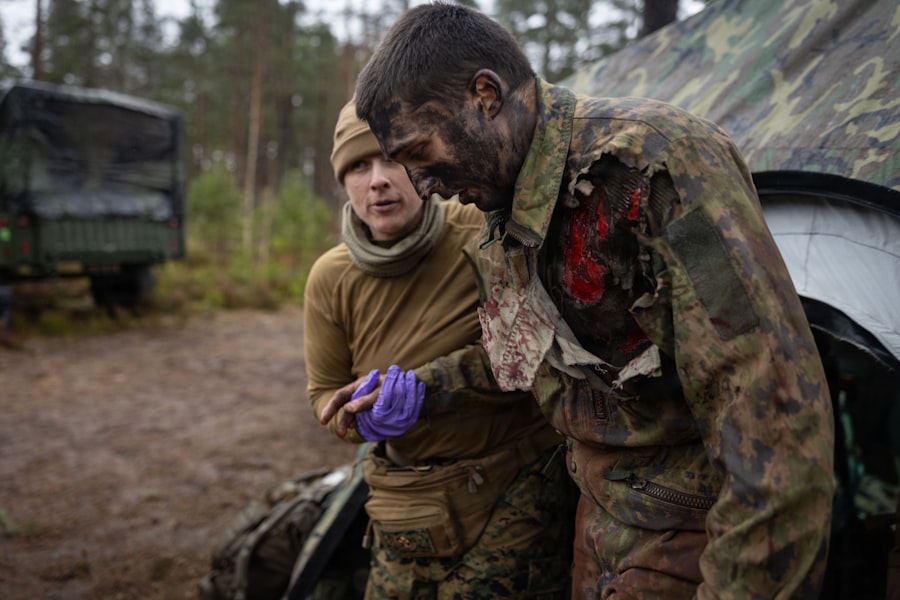
While the body can survive for extended periods without food, hunger can significantly impair judgment, energy levels, and morale. Learning basic food procurement and preparation techniques can provide essential sustenance and prevent the debilitating effects of starvation. However, it is crucial to approach this with caution, prioritizing safe and identifiable food sources.
Identifying Edible Plants
The plant kingdom offers a wealth of potential food sources, but it also contains numerous poisonous species. Misidentification can have severe or fatal consequences.
The Universal Edibility Test
In the absence of prior knowledge, the Universal Edibility Test is a cautious method for determining the edibility of a plant. This involves testing small amounts of the plant species on the skin, lips, mouth, and finally ingesting tiny portions over a period of hours, monitoring for any adverse reactions. This test should only be undertaken with extreme caution and when no other options are available.
Common Edible Wild Plants
Familiarize yourself with common edible wild plants in your region, such as berries (ensure they are identifiable and not poisonous varieties), nuts, roots, and leafy greens. Examples include dandelions, plantain, cattails (roots and young shoots), and various types of wild berries. However, absolute certainty of identification is paramount.
Hunting and Trapping Small Game
Small game animals can provide a valuable source of protein. However, hunting and trapping require knowledge of animal behavior, tracking, and trap construction.
Snares and Traps
Simple snares made from cordage can be effective for catching small game like rabbits or squirrels. Understanding animal trails and placing traps along these routes can increase success rates. Various types of deadfall traps and pivot traps can also be constructed from natural materials.
Improvised Weapons
If necessary, a sharpened stick or a slingshot can be used to hunt small birds or rodents. However, the effectiveness of such improvised weapons is limited.
Fishing
If near a body of water, fishing can be a viable food source.
Improvised Fishing Gear
A line can be fashioned from cordage, and a hook can be made from bone, wood, or metal scavenged from debris. Natural baits like worms or insects can be used. If no line is available, a fish trap can be constructed from branches.
Food Preparation and Safety
Once food has been acquired, proper preparation is crucial to make it palatable and safe to consume.
Cooking
Cooking not only makes food more digestible and palatable but also kills potential parasites and bacteria. Roasting over a fire, boiling, or steaming are common methods.
Preservation
If a surplus of food is acquired, basic preservation techniques like drying can extend its shelf life. This is particularly important for meat.
Avoiding Contamination
When preparing food, ensure that your hands and any utensils are clean. Avoid cross-contamination between raw and cooked foods.
Survival techniques are essential for anyone looking to navigate the challenges of the great outdoors, and understanding these skills can make a significant difference in emergency situations. For those interested in enhancing their knowledge, a related article on practical survival strategies can be found at this resource. This article delves into various methods that can help individuals stay safe and secure when faced with unexpected circumstances, making it a valuable read for adventurers and outdoor enthusiasts alike.
Signaling for Rescue: Be Seen, Be Heard
| Survival Technique | Description | Key Metric | Effectiveness | Typical Duration |
|---|---|---|---|---|
| Fire Starting | Ability to create fire for warmth, cooking, and signaling | Time to ignite (seconds) | High | Continuous use as needed |
| Water Purification | Methods to make water safe for drinking | Contaminant removal rate (%) | Very High | Ongoing |
| Shelter Building | Constructing protection from elements | Time to build (minutes) | Medium to High | Hours to days |
| Navigation | Finding direction using natural or man-made tools | Accuracy (degrees off true north) | High | Continuous |
| Food Foraging | Identifying and gathering edible plants and insects | Caloric yield per hour | Medium | Variable |
| Signaling for Rescue | Methods to attract attention of rescuers | Visibility range (meters) | High | As needed |
| First Aid | Basic medical treatment to prevent infection and treat injuries | Recovery improvement (%) | High | Variable |
While self-sufficiency is paramount, the ultimate goal in a survival situation is often rescue. Effectively signaling one’s presence to potential rescuers can significantly reduce the time spent in a survival scenario. The wilderness can feel like an immense, indifferent ocean; your signals are the lighthouses that draw ships to your plight.
Visual Signals
Visual signals are designed to be seen from a distance, attracting the attention of aircraft, boats, or ground search parties.
Fire and Smoke Signals
A smoky fire during the day and a bright fire at night are highly effective signals. Three fires arranged in a triangle is an internationally recognized distress signal. Adding green vegetation to a fire creates more smoke, making it more visible during daylight hours.
Reflective Surfaces
Mirrors, polished metal, or even a CD can be used to reflect sunlight in the direction of potential rescuers. This can create a bright flash that is visible for miles. Practice aiming these flashes to avoid wasting precious energy.
Brightly Colored Materials
If you have brightly colored clothing or tarpaulins, display them in an open area where they are easily visible from the air. Creating large, contrasting symbols, such as an “X” or “SOS,” on the ground using rocks or logs can also be effective.
Whistle Signals
A whistle can be heard further than shouting, especially in windy conditions or through dense vegetation. Three short blasts followed by a pause is a common distress signal.
Auditory Signals
Auditory signals are useful when visual contact is not possible or when attempting to alert those who may be within earshot.
Shouting and Yelling
While less effective than a whistle, coordinated shouting can be used to attract attention. However, it is important to conserve energy and avoid yelling indiscriminately.
Banging or Striking Objects
Striking rocks together or banging on hollow logs can create loud noises that may alert others.
Understanding Distress Signals
Familiarize yourself with universally recognized distress signals, such as:
- Three of anything: Three fires, three whistle blasts, three flashes of light. This is a universal sign of distress.
- SOS: The international Morse code for SOS (……) is easily recognized.
Maintaining a Signal Fire and Location
If you are in an area where rescue is a possibility, maintaining a signal fire in a visible location is a continuous effort. Regularly adding fuel and ensuring it is ready to be produced should be a priority.
Staying Put vs. Moving
In general, if you are lost, it is advisable to stay put in one location, especially if you have made efforts to signal your presence. Moving depletes energy and can make it harder for rescuers to find you. However, if you are in immediate danger or have a clear idea of the direction of civilization, a calculated move might be considered, but this carries significant risks.
Conclusion
Wilderness survival is not about heroics; it is about preparedness, knowledge, and a calm, rational approach to adversity. The skills outlined in this article—shelter construction, fire starting, water procurement and purification, food procurement, and signaling—form the bedrock of a survivor’s toolkit. These are not merely techniques to be memorized but principles to be understood and practiced. By internalizing this knowledge and engaging in regular practice, individuals can significantly enhance their ability to face the challenges of the wild and emerge from a survival situation with their well-being intact. The wilderness is a demanding teacher, but its lessons, when learned, are invaluable.
FAQs
What are the basic survival techniques everyone should know?
Basic survival techniques include finding and purifying water, building a shelter, starting a fire, signaling for help, and knowing how to navigate using natural landmarks or a compass.
How can I find safe drinking water in the wild?
Safe drinking water can be found by collecting rainwater, locating streams or rivers, or digging for groundwater. It is important to purify water by boiling, using water purification tablets, or filtering to remove harmful bacteria and parasites.
What are effective methods for building a shelter in the wilderness?
Effective shelters can be made using natural materials like branches, leaves, and bark. Common types include lean-tos, debris huts, and snow caves, which provide protection from the elements and help retain body heat.
How do I start a fire without matches or a lighter?
Fire can be started using friction methods such as a bow drill or hand drill, striking flint and steel, or using a magnifying glass to focus sunlight. It is important to gather dry tinder, kindling, and fuel wood to maintain the fire.
What are some basic navigation techniques for survival situations?
Basic navigation techniques include using the sun and stars to determine direction, reading natural landmarks, and using a compass or map if available. Understanding how to orient oneself can help in finding the way to safety or signaling rescuers.