
The scorching sun, a relentless orb in a vast, unyielding sky, has long defined the existence of desert civilizations. For millennia, these societies have not merely endured the arid extremes but have thrived, developing ingenious strategies to harness scarce resources and create havens of life in what often appears to be a barren wasteland. Their legacy is a testament to human resilience, adaptability, and a profound understanding of their environment, a knowledge etched into the very fabric of their architecture, water management systems, and social structures. Examining their methods offers invaluable insights into sustainable living and the enduring power of human innovation when faced with environmental challenges.
Ancient desert dwellers understood that the sun was both a giver of life and a potential destroyer. Their architecture was a deliberate dance with solar radiation, designed to mitigate its harshest effects while subtly harnessing its energy. This was not a haphazard process; it was a meticulously crafted response to the desert’s specific climate, demonstrating an intimate knowledge of solar angles, prevailing winds, and the thermal properties of local materials. The very shapes and orientations of their structures were dictated by the sun’s movements throughout the day and across the seasons.
Strategic Orientation and Building Design
The most fundamental strategy was the careful orientation of buildings. Homes and public spaces were often positioned to minimize direct sun exposure during the hottest parts of the day. In many arid regions, this meant facing structures away from the east and west, where the sun’s rays are most direct and intense. Instead, buildings might be oriented to capture cooler morning and evening light. Courtyards, a ubiquitous feature in desert architecture, played a crucial role. These enclosed spaces, often at the heart of a dwelling or complex, provided a shaded, cooler microclimate.
The sheer mass of buildings also served a critical thermal function. Thick walls, constructed from materials like adobe, mudbrick, or stone, acted as thermal batteries. During the day, these massive walls absorbed the sun’s heat, but at a slow rate, preventing the interior from overheating. As the temperature dropped in the evening, the stored heat would radiate back into the building, providing a welcome warmth against the chill of the desert night. This passive thermal regulation was far more effective and sustainable than any form of artificial cooling. The depth of these walls also acted as a barrier against the infiltration of hot air.
The Ingenuity of Shade Structures
Beyond the walls of buildings, the creation of shade was paramount. This was achieved through a variety of architectural elements. Overhanging roofs, particularly those with deep eaves, were designed to cast shadows onto walls and windows during the peak sun hours. Verandas and porticoes offered sheltered walkways and resting areas, shielding inhabitants from direct sunlight. In some cultures, lightweight, portable awnings made from woven reeds or animal hides were used to create temporary shaded spaces. The intricate latticework found in some traditional desert homes, known as mashrabiya, served a dual purpose: it diffused sunlight, creating dappled shade, and also allowed for ventilation, a critical element for comfort in hot climates. These decorative elements were not merely aesthetic; they were functional engineering marvels.
Ventilation as a Lifeblood
Effective ventilation was as vital as shade. Ancient desert architects understood the importance of air movement to carry away heat and create a cooling effect. Wind towers, also known as badgirs, are perhaps the most iconic examples of this ingenuity. These structures, built atop buildings, were designed to capture prevailing winds and channel them down into the interior. The shafts of the wind towers were often strategically placed to draw air from shaded courtyards or cooler, higher elevations. Some wind towers incorporated baffles or channels to enhance the cooling effect through evaporation.
Another common ventilation technique involved the strategic placement of openings. Windows were often narrow and tall, allowing for air to enter and exit efficiently without letting in too much direct sunlight. The design of interior spaces also facilitated airflow. Rooms were often arranged in a sequence that encouraged a natural draft, with openings designed to create a continuous flow of air through the dwelling. This passive ventilation system was a testament to their understanding of natural forces and their ability to manipulate them for comfort and survival.
Ancient civilizations developed remarkable strategies to survive the harsh desert heat, utilizing innovative techniques in architecture, agriculture, and water management. For instance, the use of mud-brick structures helped insulate homes from extreme temperatures, while advanced irrigation systems allowed for the cultivation of crops in arid environments. To explore more about how ancient societies adapted to their surroundings, you can read a related article on securing communication lines in challenging environments at this link.
Harnessing Water: The Lifeblood of Deserts
In deserts, water is not merely a resource; it is the very essence of life. Ancient civilizations in these arid regions developed extraordinary systems to locate, collect, store, and distribute water, transforming parched landscapes into arable land and supporting thriving communities. Their water management strategies were often complex, sophisticated, and deeply intertwined with their agricultural practices and social organization.
The Art of Water Collection and Storage
One of the most remarkable achievements was their ability to capture and store precious rainfall. Cisterns, underground reservoirs carved into rock or built with masonry, were a common and effective method of water storage. These structures, often covered to minimize evaporation, could store water for extended periods, providing a vital buffer against drought. In areas with infrequent but intense rainfall, elaborate systems of channels and conduits were constructed to divert surface runoff into these cisterns.
In regions where groundwater was accessible, wells played a critical role. The depth and complexity of these wells varied, with some requiring sophisticated lifting mechanisms to bring water to the surface. The knowledge of where to find underground water sources was often passed down through generations, a vital piece of practical ecology. In some arid regions, particularly those with a porous subsoil, systems of underground channels known as qanats or falaj were developed. These ingenious irrigation systems tapped into underground aquifers and, using gravity, channeled water over long distances to irrigate fields and supply settlements. The construction and maintenance of these qanats required immense labor and coordination, highlighting the cooperative nature of these societies.
Innovative Irrigation Techniques
The efficient use of water in agriculture was a cornerstone of survival. Flood irrigation, where fields were temporarily inundated with water, was often employed, but it was done with careful management to minimize waste. Terracing was another crucial technique. By creating stepped fields on hillsides, they slowed down water flow, allowing it to soak into the soil and preventing erosion. This also ensured that water reached lower terraces.
Drip irrigation, a concept centuries ahead of its time, was also practiced in some forms. Small channels or porous clay pots were used to deliver water directly to the roots of plants, minimizing evaporation and maximizing water efficiency. The choice of crops was also a strategic decision, with drought-resistant varieties being favored. Ancient farmers understood which plants could thrive with minimal water, ensuring a sustainable food supply. The careful planning and execution of these irrigation systems were essential for transforming arid land into productive agricultural oases.
Water Conservation and Recycling
Beyond collection and distribution, water conservation was deeply ingrained in the culture of desert peoples. Every drop was valued. Waste was minimized through a variety of practices. The careful design of homes often incorporated ways to collect and reuse greywater for irrigation or other purposes. In some societies, communal responsibility for water management was emphasized, ensuring that everyone understood the importance of conserving this precious resource. The social structures and laws often reflected this commitment, with penalties for water wastage.
Nourishment in the Arid Land: Subsistence Strategies
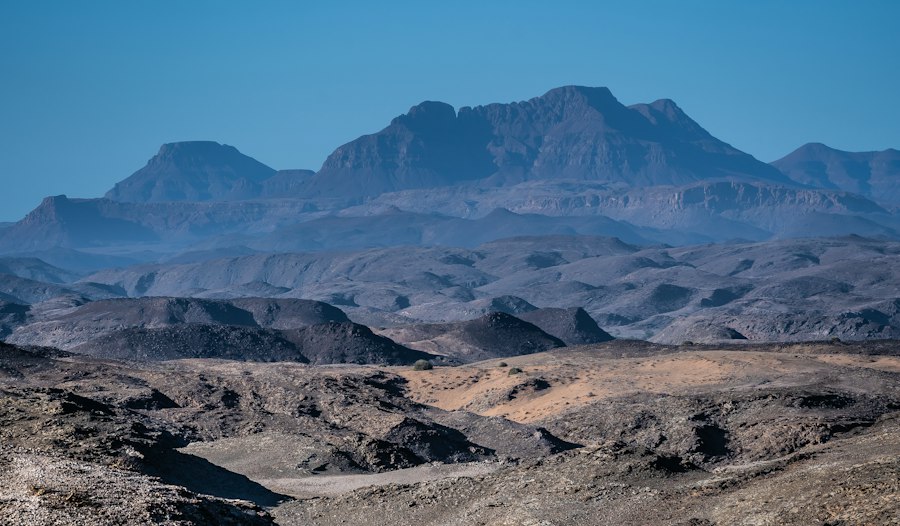
Sustaining human populations in the harsh desert environment required a deep understanding of local flora and fauna and the development of specialized subsistence strategies. These were not simply about finding food, but about creating a reliable and sustainable food system in the face of extreme scarcity.
Drought-Resistant Agriculture
As mentioned earlier, the selection of crops was a critical element. Ancient farmers in arid regions cultivated varieties of grains like millet, sorghum, and barley, which are known for their resilience and ability to grow with limited water. Legumes, such as lentils and chickpeas, were also important as they could fix nitrogen in the soil, improving its fertility. These crops were often grown in rotation, further enhancing soil health and reducing reliance on water.
The cultivation of fruit trees, particularly date palms, was vital. Date palms are exceptionally well-suited to arid climates, requiring minimal water once established and providing a nutritious and calorie-dense food source. Their shade also provided a microclimate beneficial for other, more water-sensitive crops grown beneath them.
Pastoralism and Nomadic Lifestyles
In vast desert expanses, pastoralism, the herding of livestock, was a crucial subsistence strategy. Nomadic and semi-nomadic peoples followed their herds of sheep, goats, camels, and cattle in search of grazing land and water sources. This mobile lifestyle allowed them to exploit ephemeral resources and avoid overgrazing in any single area.
Camels, in particular, were indispensable. Their ability to survive long periods without water, withstand extreme temperatures, and travel vast distances made them the ultimate desert transport and survival animal. They provided milk, meat, and wool, and their dung was used as fuel. The knowledge of animal husbandry, migration routes, and the signs of water and pasture was a sophisticated form of environmental intelligence.
Foraging and Resourcefulness
Even in the seemingly barren desert, edible plants and animals could be found by those who knew where and how to look. Foraging for wild grains, seeds, roots, and fruits was an important supplement to agricultural and pastoral diets. Knowledge of medicinal plants was also crucial, providing natural remedies for common ailments.
The ability to utilize every part of an animal and every edible plant was a hallmark of desert survival. Nothing was wasted. Bones might be fashioned into tools, hides into clothing and shelters, and edible parts processed and stored for leaner times. This deep respect for resources and an understanding of their interconnectedness were fundamental to their long-term survival.
Social Structures and Community Cooperation
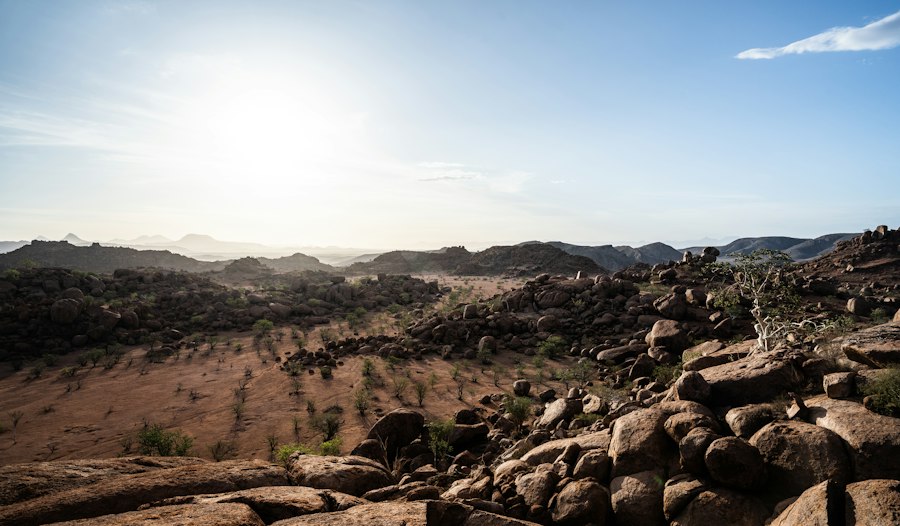
Surviving in the harsh desert environment was not solely a matter of individual ingenuity; it was profoundly shaped by the social structures and the degree of cooperation within communities. Collective effort and shared responsibility were essential for managing scarce resources and overcoming collective challenges.
Communal Water Management
The management of water resources, arguably the most critical element for desert survival, often necessitated communal effort. The construction and maintenance of complex irrigation systems like qanats or the digging of communal wells required the coordinated labor of many individuals. Water rights and distribution were often governed by established social customs and laws, ensuring equitable access and preventing conflict. This shared responsibility fostered a strong sense of community and interdependence.
Collective Labor and Defense
Beyond water management, many other aspects of desert life benefited from collective action. Building shelters, clearing land for agriculture, and even defense against potential threats from other groups or predators often required communal participation. The ability to mobilize labor quickly and efficiently was a significant advantage in these challenging environments.
Knowledge Transmission and Education
The transmission of vital knowledge and skills from one generation to the next was paramount. This included everything from agricultural techniques and water management practices to understanding animal behavior and the properties of plants. This education often occurred informally through observation and participation, embedded within the daily life of the community. Elders played a crucial role as repositories of this accumulated wisdom, ensuring the continuity of their society’s survival strategies.
Ancient civilizations developed remarkable strategies to survive the harsh conditions of desert heat, employing techniques such as advanced irrigation systems and architectural innovations to create cooler living spaces. These adaptations were crucial for their survival and prosperity in arid environments. For a deeper understanding of how societies can withstand extreme challenges, you might find it interesting to explore the article on the potential threats of state collapse, which discusses various factors that can impact civilization stability. You can read more about it here.
Enduring Legacy: Lessons for the Modern World
| Ancient Civilization | Method of Surviving Desert Heat | Key Features | Effectiveness |
|---|---|---|---|
| Ancient Egyptians | Use of mudbrick architecture | Thick walls, small windows, high ceilings to keep interiors cool | High – maintained cooler indoor temperatures |
| Mesopotamians | Irrigation systems and canal networks | Diverted river water to fields, reducing heat stress on crops | High – enabled agriculture in arid conditions |
| Indus Valley Civilization | Advanced urban planning with drainage and ventilation | Grid city layout, covered drains, and ventilation shafts | Moderate – improved airflow and sanitation |
| Bedouin Tribes | Nomadic lifestyle and use of tents | Lightweight tents made from goat hair, easily movable to avoid heat | Moderate – mobility helped avoid extreme heat zones |
| Ancient Persians | Qanat underground water channels | Subterranean tunnels transporting water to settlements | High – provided reliable water supply and cooling effect |
| Native American Ancestral Puebloans | Cliff dwellings and shaded structures | Built homes in shaded cliffs to avoid direct sun | Moderate – natural shade reduced heat exposure |
The ancient civilizations of the desert, through their ingenious strategies for survival, offer profound lessons for our modern world, particularly in the face of escalating environmental challenges. Their resourcefulness, their deep understanding of ecological principles, and their emphasis on community cooperation provide a blueprint for sustainable living that remains remarkably relevant today.
Principles of Sustainability
The core of their success lay in their inherent sustainability. They lived in a way that did not deplete their resources, recognizing that their survival was inextricably linked to the health of their environment. Their water management techniques, designed for efficiency and conservation, are a stark contrast to the often wasteful practices of modern societies. Their architecture, which utilized passive cooling and thermal mass, offers a glimpse into low-energy, climate-responsive design.
The Importance of Local Knowledge
Their deep understanding of their local environment, gained through centuries of observation and adaptation, is a valuable reminder of the importance of traditional ecological knowledge. In our pursuit of technological solutions, we often overlook the wisdom embedded in indigenous practices. The ancient desert dwellers understood their ecosystems intimately, a knowledge that allowed them to thrive where others might falter.
Community and Cooperation
The emphasis on community and cooperation in their survival strategies highlights the social dimension of sustainability. Facing environmental challenges often requires collective action and a shared commitment to the common good. The desert peoples demonstrated that robust social bonds and a willingness to work together are essential for resilience.
Their legacy is not merely a historical curiosity; it is a living testament to human ingenuity and the power of adapting to one’s surroundings. By studying their strategies, we can gain invaluable insights into how to live more harmoniously with our planet, ensuring a sustainable future for generations to come. The whispers of their solutions echo across the sands, urging us to listen, learn, and adapt.

How Ancient Cities Stayed Cool Without Air Conditioning
FAQs
1. How did ancient civilizations adapt to the extreme heat of the desert?
Ancient civilizations survived desert heat by building their settlements near oases or rivers for access to water, constructing buildings with thick walls to provide insulation, and wearing loose, light-colored clothing to stay cool.
2. What methods did ancient civilizations use to store and conserve water in the desert?
Ancient civilizations in the desert stored water in underground cisterns, reservoirs, and wells. They also used irrigation systems such as qanats and canals to bring water from distant sources to their settlements.
3. How did ancient civilizations utilize natural resources to survive in the desert?
Ancient civilizations in the desert utilized natural resources such as palm trees for shade and food, camels for transportation and carrying goods, and mud bricks for building materials due to their insulating properties.
4. What role did trade play in helping ancient civilizations survive desert heat?
Trade was essential for ancient civilizations in the desert to acquire goods such as food, water, and materials that were not readily available in their arid environments. Trade routes connected different regions and facilitated the exchange of resources.
5. How did ancient civilizations develop agricultural techniques to thrive in desert environments?
Ancient civilizations in the desert developed agricultural techniques such as terracing, flood irrigation, and crop rotation to maximize water efficiency and cultivate crops in arid conditions. They also domesticated drought-resistant plants and animals to sustain their food supply.