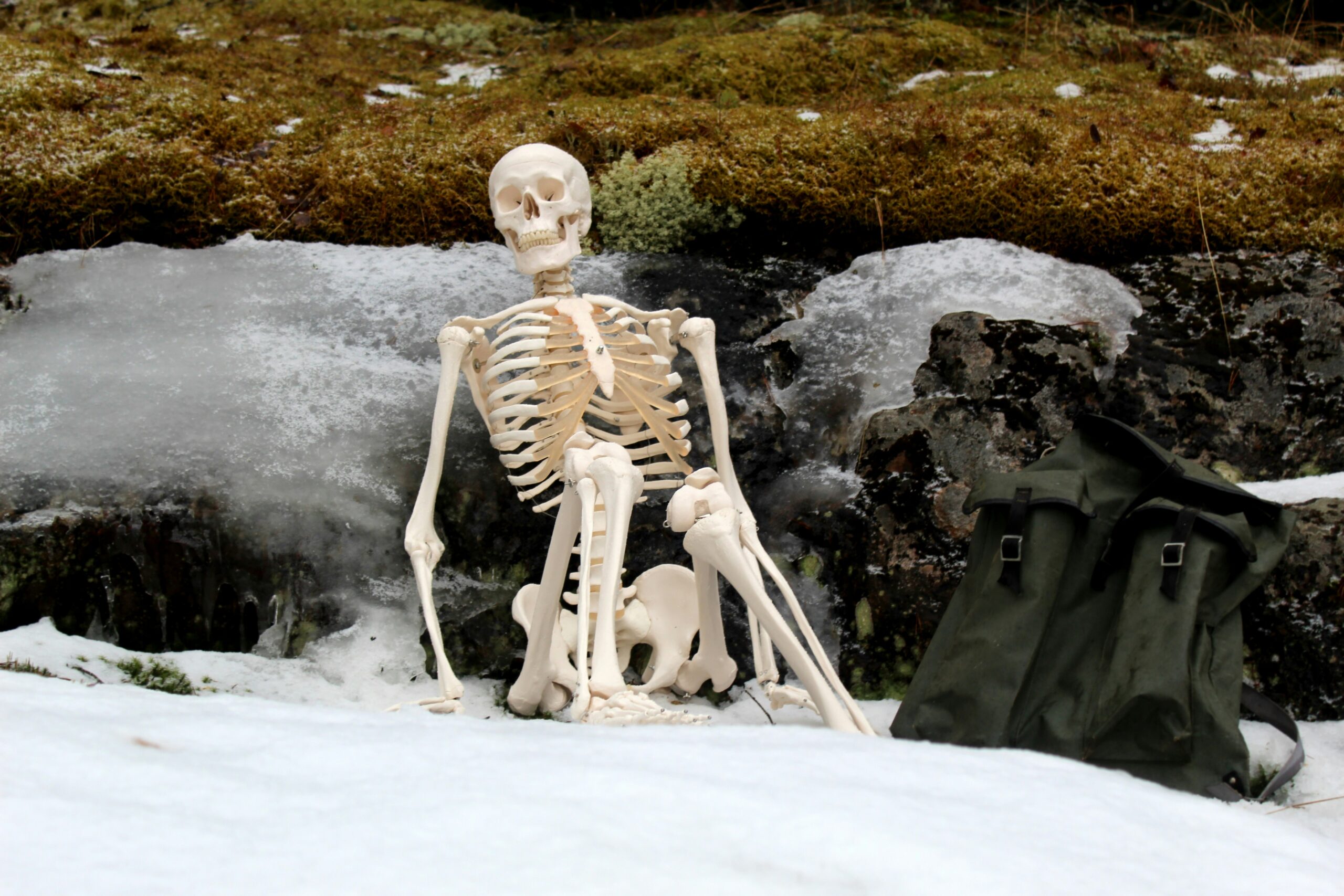
The biting winds, the suffocating snow, the prolonged darkness – these were not merely inconveniences for our ancient ancestors. They were existential threats. Early humans, long before the advent of warm clothing, heated dwellings, or readily available food stores, faced the formidable challenge of surviving harsh winters. The evolutionary pressures exerted by these unforgiving seasons played a significant role in shaping the very essence of what it means to be human, influencing everything from our physiology and behavior to our social structures and technological innovations. Exploring these strategies offers a profound insight into the resilience and adaptability that define our lineage.
The Physiological Arsenal Against the Cold
Survival in frigid environments demanded more than just willpower; it required a suite of physiological adaptations that allowed early humans to endure extreme cold. These adaptations were not instantaneous but evolved over vast timescales, conferring a survival advantage to those individuals and groups better equipped to handle the icy grip of winter.
Thermoregulation: The Internal Furnace
Maintaining a stable internal body temperature, known as thermoregulation, was paramount. Humans, like other mammals, possess mechanisms to generate and conserve heat. Early humans likely benefited from an increased metabolic rate, which would have generated more internal heat through the breakdown of food. This would have been particularly crucial during periods of prolonged exposure to cold. The effectiveness of these metabolic processes would have been a significant factor in survival.
Fat Storage: The Body’s Insulation and Fuel
The accumulation of subcutaneous fat served a dual purpose. Firstly, it acted as a natural insulator, reducing the rate at which heat escaped from the body. A thicker layer of fat would have provided a buffer against the cold, allowing individuals to spend more time foraging or engaged in other necessary activities without succumbing to hypothermia. Secondly, fat is a dense energy source. During winter months when food was scarce, stored fat could be metabolized to provide the calories needed to maintain body temperature and fuel vital bodily functions. The ability to efficiently store and mobilize this energy reserve would have been a critical evolutionary advantage.
Blood Flow and Peripheral Circulation
The body’s circulatory system also played a vital role. During cold exposure, the body conserves heat by reducing blood flow to the extremities – the hands, feet, and face – directing it instead to the core organs. While this protects vital functions, it also makes these peripheral areas more susceptible to frostbite. Evolutionary pressures may have favored individuals with more efficient vasoconstriction and vasodilation mechanisms, allowing for a better balance between heat conservation and maintaining tissue viability in the extremities. Some research suggests that variations in blood vessel structure, particularly in the hands and feet, could have provided a degree of protection against extreme cold.
Surviving the harsh winter seasons was a critical challenge faced by early humans, influencing their migration patterns, social structures, and survival strategies. An insightful article that delves into the complexities of human adaptation in difficult environments can be found at this link: Navigating Contested Territories: A Complex Geopolitical Landscape. This piece explores how early human communities navigated not only the physical challenges of winter but also the social dynamics that arose in response to environmental pressures.
Behavioral and Social Strategies for Winter Survival

Beyond innate physiological capabilities, early humans developed sophisticated behavioral and social strategies to navigate the challenges of winter. These were learned behaviors, passed down through generations, that significantly enhanced their chances of survival and reproduction.
Seeking Shelter: The Importance of Insulation and Protection
The most immediate and fundamental strategy was the pursuit of adequate shelter. Early humans would have sought out natural formations like caves and rock overhangs, which offered protection from wind and precipitation. However, these natural shelters were not always sufficient. The development of rudimentary shelters, constructed from materials like branches, leaves, animal hides, and even snow, represented a crucial evolutionary leap. These structures, however simple, provided a barrier against the elements, trapping warmth and creating a more hospitable microclimate. The skill in selecting appropriate locations, materials, and construction techniques for shelters would have been a significant determinant of survival.
Fire: The Double-Edged Sword of Warmth and Light
The mastery of fire was arguably one of the most transformative technologies in human history, and its importance during winter cannot be overstated. Fire provided warmth, allowing early humans to survive much colder temperatures than they otherwise could have. It also provided light, extending the usable hours of the day for activities like tool making, food preparation, and social interaction. Furthermore, fire was essential for cooking food, making it more digestible and releasing more nutrients, which would have been particularly important when food sources were limited. However, maintaining fire in harsh winter conditions, especially finding and transporting fuel, would have been a constant challenge, requiring careful planning and resource management.
Diet and Food Procurement: Adapting to Scarcity
Winter presented a severe challenge to food availability. Many plant sources died back or became inaccessible under snow, and animal populations often migrated or became less active. Early humans had to adapt their diets and hunting strategies. This likely involved a shift towards more calorie-dense foods, such as animal fats and proteins, and a greater reliance on stored provisions. The ability to hunt migratory animals during their wintering grounds or to exploit hibernating species would have been crucial. Furthermore, the development of techniques for preserving food, such as drying or smoking, would have allowed communities to store surplus food gathered during warmer months for use during winter scarcity. This required foresight, planning, and the ability to anticipate future needs.
Social Cooperation and Division of Labor
Survival in harsh environments is rarely a solitary endeavor. Social cooperation became increasingly vital as winters intensified. Group living offered numerous advantages: shared warmth in communal shelters, collaborative hunting efforts that could bring down larger prey, and the pooling of resources. The division of labor within groups would have become more pronounced. Certain individuals might have specialized in hunting, others in gathering fuel, and others in childcare and maintaining the shelter and fire. This specialization increased efficiency and ensured that essential tasks were carried out. The ability to communicate, coordinate, and maintain social cohesion within a group would have been a powerful evolutionary advantage in overcoming the isolating and resource-depleting effects of winter.
Technological Innovations Driven by Winter’s Demands

The relentless pressure of cold winters acted as a powerful catalyst for technological innovation. Early humans were not passive recipients of their environment; they actively sought to overcome its challenges through ingenuity and the development of tools and techniques.
Clothing and Personal Protection
The development of clothing was a monumental step in adapting to cold climates. Initially, this likely involved using readily available animal hides, crudely fashioned to provide basic coverage. Over time, these techniques became more refined, with the development of methods for tanning hides to make them more durable and flexible, and for stitching them together using bone needles and sinew to create more fitted and effective garments. The invention of specialized footwear, mittens, and head coverings would have provided crucial protection for the most vulnerable parts of the body. The ability to create and maintain a wardrobe of warm clothing would have significantly expanded the habitable range and the types of activities humans could undertake during winter.
Tools for Hunting and Resource Management
Winter necessitated the development of specialized tools to cope with the prevailing conditions. Spear-throwers (atlatls) and bows and arrows, which allowed for more efficient and longer-range hunting, would have been particularly valuable for bringing down prey from a safe distance. Tools for processing hides and bone, such as scrapers and awls, would have been essential for clothing production. Furthermore, tools for digging through snow and ice to access stored food or water sources would have been critical. The development of more durable and effective stone tools, as well as early bone and antler implements, allowed for greater precision and efficiency in a wide range of winter-specific tasks.
Shelter Construction and Improvement
While natural shelters provided a baseline, the desire for more effective protection drove innovation in shelter construction. Beyond simple lean-tos, early humans likely experimented with more elaborate structures. The use of larger timbers, woven mats, and even mud or clay as building materials would have improved insulation and durability. The ability to create a more substantial and well-insulated dwelling allowed for greater comfort, reduced fuel consumption, and provided a safer environment for raising young. The evolution of shelter design, from temporary refuges to more permanent, climate-controlled structures, reflects a long-term adaptation to the challenges of cold climates.
The Long-Term Evolutionary Legacy of Winter
The impact of harsh winters on early human evolution extends far beyond immediate survival. These environmental pressures likely shaped fundamental aspects of our biology and cognitive abilities, leaving a lasting legacy on our species.
Cognitive Development and Problem-Solving
The constant need to anticipate future needs, plan for resource scarcity, and adapt to unpredictable environmental changes would have placed a significant selective pressure on cognitive abilities. The complex strategies required for winter survival – such as remembering food cache locations, coordinating group efforts, and innovating new tools – likely fostered the development of advanced problem-solving skills, memory, and foresight. The ability to learn from past experiences and apply that knowledge to future challenges would have been a crucial factor in evolutionary success.
Social Complexity and Communication
The demands of surviving in challenging winter conditions likely contributed to the increasing complexity of human social structures. The need for cooperation, coordination, and the sharing of knowledge fostered the development of more sophisticated communication systems. The ability to convey complex instructions, share warnings, and maintain group cohesion through language would have been a significant advantage. This, in turn, could have driven the evolution of larger brain sizes and more complex neural pathways associated with language and social cognition.
Genetic Adaptations to Cold
While behavioral and technological adaptations are readily apparent, there is also evidence to suggest that genetic adaptations may have occurred in response to sustained exposure to cold. These could include variations in metabolism that optimize energy expenditure in cold environments, or differences in the regulation of blood flow to extremities. While direct evidence from early humans is scarce, comparative studies of modern populations living in cold climates provide insights into the potential genetic pathways involved in cold adaptation. These might include genes related to thermogenesis, fat metabolism, and vascular control.
Surviving the harsh winter seasons during early human evolution was a critical challenge that shaped our ancestors’ development and adaptability. As they faced extreme cold and scarce resources, early humans had to innovate and collaborate to ensure their survival. For a deeper understanding of how environmental factors influence human behavior and resource management, you can explore this insightful article on the geopolitical race for Antarctic resources, which sheds light on the ongoing struggles for survival in extreme conditions. This connection to our past highlights the enduring impact of climate on human evolution and societal dynamics. You can read more about it here.
The Enduring Human Drive to Adapt and Thrive
| Metric | Description | Estimated Value | Significance |
|---|---|---|---|
| Average Winter Temperature | Estimated average temperature during harsh winters in early human habitats | -10°C to -30°C | Determined the need for shelter and clothing adaptations |
| Duration of Winter Season | Length of cold season impacting food availability and survival strategies | 4 to 6 months | Influenced migration patterns and food storage techniques |
| Body Fat Percentage | Estimated body fat levels in early humans for insulation and energy reserves | 15% to 25% | Critical for thermal regulation and survival during food scarcity |
| Use of Fire | Evidence of controlled fire use for warmth and cooking | Approx. 1 million years ago | Improved survival rates by providing heat and safer food |
| Clothing Development | Emergence of clothing made from animal hides | Approx. 170,000 years ago | Enhanced protection against cold and increased mobility |
| Hunting Efficiency | Improvement in hunting tools and strategies during winter | Increased success rate by 30% | Ensured steady food supply during scarce winter months |
| Shelter Construction | Development of insulated shelters or caves | Approx. 400,000 years ago | Provided protection from elements and predators |
The story of early humans surviving harsh winters is a testament to the remarkable adaptability and resilience of our species. It highlights how environmental challenges can act as powerful engines of evolution, driving innovation in physiology, behavior, technology, and cognition. From the simple act of seeking shelter to the complex social cooperation required to weather the storm, every strategy employed was a step in the long and arduous journey that led to modern humanity. The enduring lessons from these ancient struggles continue to resonate, reminding us of the deep connection between our evolutionary past and our present capacity to confront and overcome adversity, a drive that remains etched in our very being. The challenges of winter, though different in form, continue to shape human societies, prompting us to innovate and cooperate in the face of resource limitations and environmental change.

➡️Life 20,000 Years Ago | When Strangers Claim Your Winter Shelter 🚨
FAQs
What adaptations did early humans develop to survive harsh winter conditions?
Early humans developed several adaptations to survive harsh winter conditions, including the use of fire for warmth and cooking, the creation of insulated clothing made from animal hides, and the construction of shelters that provided protection from the elements. These adaptations helped them maintain body heat and secure food sources during the colder months.
How did diet change for early humans during winter seasons?
During winter seasons, early humans often shifted their diet to include more calorie-dense foods, such as fatty meats and stored nuts or seeds. They relied on hunting larger game, which provided substantial nutrition, and foraged for available plant resources. This dietary shift was crucial for maintaining energy levels in the cold.
What role did social structures play in surviving winter?
Social structures played a significant role in survival during winter. Early humans often formed groups or bands that worked together to hunt, gather, and share resources. This cooperation allowed them to pool their efforts for hunting larger animals and to provide mutual support in building shelters and sharing food, which increased their chances of survival.
How did early humans use tools to cope with winter challenges?
Early humans developed and utilized various tools to cope with winter challenges. They created specialized hunting tools, such as spears and traps, to catch game more effectively. Additionally, they made tools for processing animal hides and bones, which were essential for making clothing and shelter materials, thus enhancing their ability to withstand cold temperatures.
What evidence do we have of early human survival strategies during winter?
Evidence of early human survival strategies during winter includes archaeological findings such as hearths, which indicate the use of fire, and remnants of animal bones that suggest hunting practices. Additionally, the discovery of ancient tools and shelters in cold regions provides insight into how early humans adapted their lifestyles to endure harsh winter conditions.