
The biting winds, the relentless snow, the stark, frozen landscapes – these were the defining features of the Pleistocene epoch, an era punctuated by colossal ice ages. For early humans, these periods of extreme cold were not mere inconveniences but existential threats. Yet, through a remarkable tapestry of innovation, resilience, and a deep understanding of their environment, prehistoric populations not only survived but thrived through these frozen millennia. Their story is a testament to the adaptive power of humanity, a narrative etched in stone tools, fossilized remains, and the very genetic makeup of our species. The ability to endure and even flourish in the face of overwhelming environmental challenges offers profound insights into the evolutionary journey of Homo sapiens and our hominin ancestors.
Navigating the Frozen Frontier: Early Human Migration and Settlement
The arrival of hominins in regions subjected to glacial cycles was not a passive event. It involved strategic movements and the establishment of resilient communities capable of weathering prolonged periods of extreme cold. The dispersal of early human populations across Eurasia, for instance, placed them directly in the path of advancing ice sheets and permafrost. Understanding how these groups navigated and settled these challenging environments is crucial to appreciating their adaptive capacity.
Following the Food: Hunting Strategies in a Sparse Landscape
The sustenance of prehistoric human groups during ice ages was intrinsically linked to the fauna that managed to survive in these frigid ecosystems. Mammoths, woolly rhinoceroses, reindeer, and bison were not just food sources; they were walking larders, providing meat, fat, hides, and bone. The successful hunting of these large animals required sophisticated knowledge of their migratory patterns, behavior, and the development of specialized tools and techniques.
The Art of the Hunt: Tools and Tactics for Subduing Giants
The archeological record provides compelling evidence of the ingenuity employed by ice age hunters. Spear throwers (atlatls) and finely crafted projectile points made of stone, bone, and antler allowed for more effective and safer hunting of large game from a distance. The cooperative nature of hunting large, dangerous animals was also a critical factor. Group strategies, involving coordinated encirclement, driving prey towards natural traps, or utilizing terrain to their advantage, would have been essential for survival. The successful acquisition of such substantial food resources would have supported larger, more stable communities.
Finding Refuge: Shelter and Settlement Patterns
Beyond the immediate need for food, shelter was paramount in surviving the brutal cold. Early humans utilized a variety of strategies, from natural formations to meticulously constructed dwellings. Caves and rock shelters offered immediate protection from the elements, and evidence suggests they were often strategically chosen for their defensibility and proximity to water sources and hunting grounds.
Subterranean Sanctuaries: Utilizing Caves and Rock Overhangs
The selection of caves was not arbitrary. Archeological sites in regions like Europe have revealed that hominins often chose caves that provided not only shelter but also insulation. Deep caves, often with narrow entrances, offered protection from prevailing winds and trapped geothermal warmth. Evidence of repeated occupation, including hearths, tool-making debris, and faunal remains, demonstrates the long-term reliance on these natural refuges.
Above-Ground Adaptations: Mammoth Bone Huts and Other Structures
In open landscapes devoid of natural caves, early humans developed remarkable architectural solutions. Perhaps the most iconic are the mammoth bone huts found in Eastern Europe and Siberia. These structures, constructed from the massive bones of mammoths – including skulls, ribs, and leg bones – formed a robust framework over which hides and turf were likely stretched. The sheer scale of these constructions, often large enough to house multiple individuals, speaks to the advanced planning and communal effort involved. Other adaptations might have included the construction of semi-subterranean dwellings, lined with sod and animal hides, providing excellent insulation against the frigid temperatures. The careful placement of these settlements, often near water sources and in sheltered valleys, further underscores their understanding of the environment.
Prehistoric humans faced numerous challenges as they adapted to extreme cold environments, developing innovative survival strategies that included the use of tools, clothing, and shelter. A related article that explores the demographic and labor advantages of human adaptation in various contexts can be found at this link. This piece highlights how different populations have historically leveraged their unique environments to thrive, drawing parallels to the resilience and ingenuity of early humans in harsh climates.
Harnessing the Elements: Fire, Clothing, and Technology

The survival of prehistoric humans during ice ages was intrinsically linked to their ability to control and manipulate their environment through technological advancements. Among the most critical were the mastery of fire, the development of sophisticated clothing, and the creation of specialized tools that extended their capabilities. These innovations were not simply conveniences; they were life-saving adaptations that allowed them to push the boundaries of human habitation.
The Ever-Present Flame: The Crucial Role of Fire
Fire was the linchpin of survival in ice age environments. It provided essential warmth, allowing humans to inhabit regions that would otherwise have been uninhabitable. Beyond mere comfort, fire was a vital tool for cooking food, making it more digestible and killing harmful bacteria. It also played a crucial role in early forms of social organization, serving as a focal point for communities, a source of light in long, dark nights, and a deterrent against predators.
Keeping Warm: Fire as a Primary Heat Source
The archeological evidence for the widespread use of fire during ice age periods is abundant. Hearths, often found within shelters and settlements, are clear indicators of its importance. The careful management of fuel, the selection of appropriate wood, and the techniques for maintaining a steady flame would have been honed over generations. The ability to generate and control fire allowed humans to extend their active periods into the colder months and to venture into higher latitudes.
Beyond Warmth: Fire’s Multifaceted Utility
The benefits of fire extended far beyond its heating capabilities. Cooking transformed tough, fibrous plant matter and meat into more palatable and nutritious forms, unlocking a wider range of dietary options. Fire was also used to harden wooden tools, such as spear points, increasing their durability and effectiveness. Furthermore, the smoke from fires could have been used to preserve food through drying and smoking, a vital strategy in periods of scarcity. The psychological comfort and security provided by a visible and controllable flame also cannot be overstated.
Prehistoric humans displayed remarkable adaptability to extreme cold environments, utilizing innovative strategies to survive harsh conditions. Their ability to create sophisticated tools and develop social structures played a crucial role in their survival. For a deeper understanding of how ancient populations mastered their environments, you can explore the article on mastering ancient climate control, which highlights the techniques they employed for environmental regulation. This insight into their resilience sheds light on the evolutionary paths that shaped human history.
Clothing the Cold: The Evolution of Protective Garments
The thin, furless bodies of early humans were ill-equipped to face the extreme cold without substantial protection. The development of tailored clothing, crafted from animal hides and furs, was a monumental leap in their adaptive arsenal. This technological innovation allowed them to venture further from warmer refuges and to survive prolonged exposure to sub-zero temperatures.
From Simple Wraps to Sophisticated Tailoring: The Evolution of Dress
The earliest forms of clothing likely involved simple animal skins draped around the body. However, over time, the archeological evidence suggests a more sophisticated approach. The discovery of bone needles and awls, dating back tens of thousands of years, indicates the ability to pierce and stitch hides together, creating fitted garments. This level of craftsmanship would have allowed for the creation of clothing that provided superior insulation, such as hooded parkas, mittens, and fur-lined leggings, effectively creating a mobile microclimate for the wearer.
The Importance of Materials: Selecting and Preparing Hides
The effectiveness of ice age clothing depended heavily on the careful selection and preparation of animal hides. Knowledge of which animals provided the best fur for insulation, the techniques for scraping fat and flesh from the hides, and the methods for softening and preserving them would have been passed down through generations. The use of sinew for thread and bone or ivory for needles and awls further demonstrates a comprehensive understanding of available resources and their application in clothing production.
Tools for the Task: Specialized Implements for Survival
The harsh conditions of the ice ages spurred the development of a diverse array of specialized tools. These implements were not generic; they were precisely engineered for specific tasks, from butchering large game to working bone and antler. The innovation and refinement of lithic technology, in particular, played a pivotal role in human adaptation.
Lithic Mastery: Stone Tools as Extensions of Human Ingenuity
The archeological record is replete with examples of sophisticated stone tools from the ice age. Knives, scrapers, points, and blades, meticulously crafted from flint, obsidian, and other hard stones, were essential for a multitude of tasks. The development of techniques such as pressure flaking allowed for the creation of remarkably sharp and durable edges, crucial for skinning animals, preparing hides, and processing food. Different tool types were developed for specific purposes, reflecting a deep understanding of the materials and the demands of their environment.
Beyond Stone: Bone, Antler, and Ivory Tools
The ingenuity of ice age toolmakers extended beyond stone. Bone, antler, and ivory were also extensively utilized, offering distinct advantages for certain applications. Polished bone awls were indispensable for sewing hides, while antler was shaped into points, scrapers, and even decorative items. The ability to work these materials, often with great precision, further expanded the toolkit available to prehistoric humans, enabling them to adapt to the specific challenges of their cold environments.
Cognitive Shifts: Social Structures, Communication, and Abstract Thought
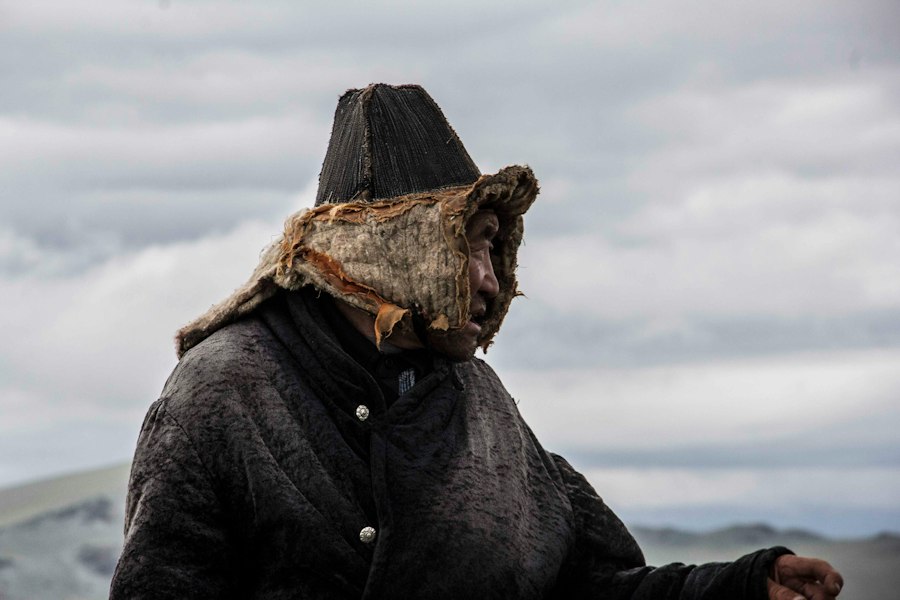
Survival during the ice ages was not solely a matter of physical adaptation and technological prowess. It also involved significant cognitive and social developments that allowed prehistoric human groups to cooperate, share knowledge, and adapt to changing circumstances. The increasing complexity of social structures, the development of more sophisticated communication, and the emergence of abstract thought all played vital roles in their resilience.
The Power of the Group: Social Organization and Cooperation
The challenges of surviving in harsh, resource-scarce environments would have favored individuals and groups who could effectively cooperate. The formation of larger, more cohesive social units provided numerous advantages, from improved hunting success and defense against predators to more efficient sharing of resources and knowledge.
Family Bonds and Beyond: The Evolution of Social Units
While the exact nature of early human social structures remains a subject of ongoing research, evidence suggests a move beyond simple family units. The archeological sites, with their evidence of communal hearths and shared living spaces, indicate the presence of larger bands or tribes. These groups would have facilitated the transmission of knowledge and skills, the pooling of labor for hunting and construction, and mutual support during times of hardship. The ability to maintain social cohesion in the face of environmental stress was a crucial factor in long-term survival.
The Exchange of Goods and Ideas: Early Forms of Trade and Social Networks
The presence of exotic materials found in archeological sites, far from their geological origins, hints at early forms of trade and social networking. The exchange of high-quality stone for toolmaking, or perhaps rare food resources, would have fostered inter-group relationships and facilitated the spread of innovation. These networks, even if informal, provided resilience by diversifying resource access and spreading risk across multiple communities.
The Language of Survival: Communication and Knowledge Transmission
The complexity of the challenges faced during ice ages necessitated effective communication. The ability to convey information about hunting strategies, resource locations, dangers, and social norms was vital for group survival and the transmission of knowledge across generations.
From Gestures to Grunts: The Foundations of Language
While definitive proof of spoken language in early humans is elusive, the increasing sophistication of their tools, social structures, and art suggests a significant advancement in communication capabilities. The development of abstract thought, essential for planning and problem-solving, would have been heavily reliant on a more complex symbolic system, which likely included vocalizations and gestures that evolved into rudimentary language.
Passing the Torch: The Importance of Intergenerational Learning
The transmission of critical survival skills, from flintknapping techniques to the identification of edible plants and the tracking of game, would have been paramount. This intergenerational learning, facilitated by effective communication and observation, ensured that valuable knowledge was not lost with the passing of individuals. Elders likely played a crucial role in this process, sharing their accumulated wisdom and experience with younger generations.
Beyond the Immediate: The Emergence of Abstract Thought and Symbolism
The ability to think abstractly and engage in symbolic behavior is a hallmark of Homo sapiens. The ice ages appear to have been a crucible for the development of these cognitive abilities, which manifested in various forms, including art, ritual, and symbolic adornment.
The Art of the Ice Age: Cave Paintings and Portable Art
The breathtaking cave paintings of Lascaux, Chauvet, and Altamira, as well as the numerous examples of portable art like carved figurines and decorated tools, are powerful testaments to the emergence of abstract thought and symbolic expression. These creations, dating back tens of thousands of years, were not merely decorative. They may have served ritualistic purposes, facilitated storytelling, documented important events, or expressed complex beliefs about the natural world and the human place within it. The ability to create and interpret symbols indicates a profound shift in cognitive capacity.
Understanding the Cosmos: Early Belief Systems and Ritual
While direct evidence of ice age religious beliefs is scarce, the presence of carefully arranged burials, often accompanied by grave goods, suggests a nascent understanding of death and perhaps an afterlife. The creation of symbolic objects and the potential for ritualistic practices point towards an early human drive to understand and connect with the larger forces of the universe, including the cyclical nature of the ice ages themselves. This cognitive engagement with the intangible was a crucial aspect of their overall resilience.
Resilience and the Future: Lessons from the Frozen Past
The story of prehistoric humans surviving ice ages is not just a tale of past accomplishments; it is a powerful narrative of human resilience and adaptability that holds profound lessons for the present and the future. Their ability to innovate, cooperate, and deeply understand their environment in the face of immense challenges offers a blueprint for confronting the environmental and societal hurdles we face today.
The Echoes of Resilience: Enduring Human Adaptability
The archeological and anthropological evidence consistently points to the remarkable capacity of our ancestors to adapt to extreme environmental changes. When faced with shrinking habitable zones, unpredictable weather, and scarce resources, they did not succumb. Instead, they innovated. They developed new technologies, refined existing ones, and organized themselves in ways that maximized their chances of survival. This inherent adaptability is a defining characteristic of our species.
From Glacial Cycles to Global Change: Parallels with Modern Challenges
The ice ages, though different in scale and cause, present striking parallels to the global environmental challenges we face today. Climate change, resource depletion, and the need for sustainable living are all contemporary issues that echo the struggles of our ice age ancestors. Understanding how they navigated these pressures – their reliance on renewable resources, their emphasis on community, and their ingenuity in resource management – can provide valuable insights for forging a more sustainable future.
The Human Spirit: Innovation, Cooperation, and Hope
The ultimate lesson from the ice ages is one of enduring human spirit. It is a testament to our ability to overcome adversity through innovation, cooperation, and a deep connection with the natural world. The prehistoric populations who braved the frozen frontier did not simply survive; they laid the foundations for the future of humanity. Their story reminds us that even in the face of seemingly insurmountable challenges, human ingenuity and collective action can pave the way for progress and a brighter tomorrow. The legacy of their resilience continues to inspire and inform our own journey.