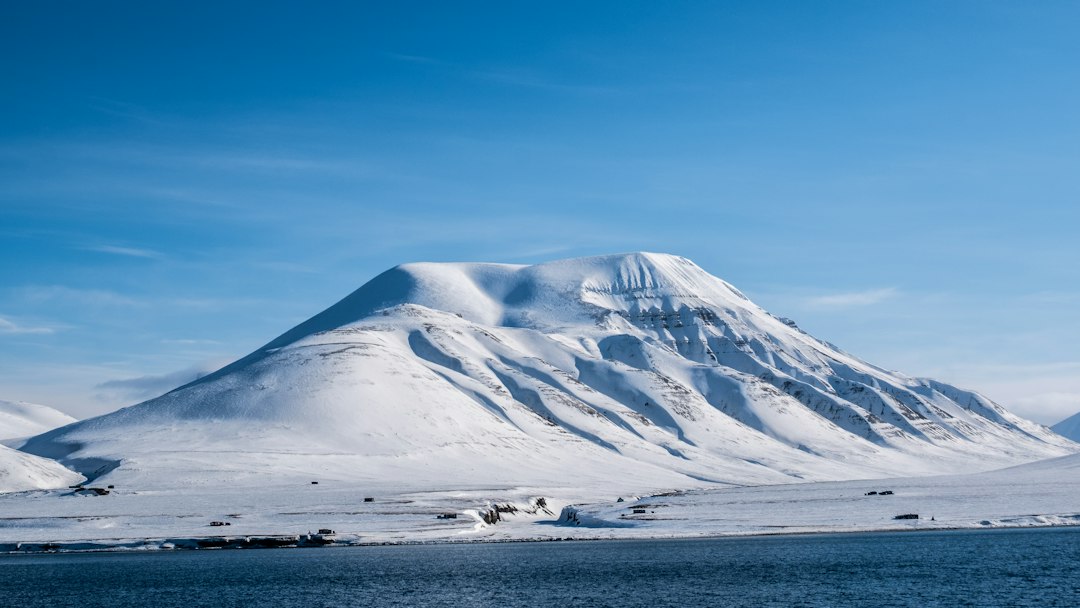
The biting winds of the Pleistocene and Holocene epochs sculpted a stark and unforgiving world across the northern latitudes. For the early humans who ventured into these frigid realms, survival was not merely a matter of adaptation, but a testament to ingenuity, resilience, and a deep understanding of the natural world. These were lives lived on the edge, where the abundance of ice and the profound isolation of the landscape presented formidable challenges that tested the very limits of human endurance. From the vast, frozen plains of Siberia to the glacial fringes of North America, prehistoric peoples developed sophisticated strategies to navigate and thrive in environments that would spell doom for the unprepared. Their story is one of remarkable perseverance, offering a window into the extraordinary capabilities of our ancestors when confronted with extreme conditions.
Masters of the Frozen Frontier
The ability to conquer the cold was paramount for survival in northern climates. Prehistoric peoples living in these regions did not simply endure the icy conditions; they actively mastered them, transforming potential death sentences into opportunities for life. This mastery was built upon a foundation of knowledge, meticulously acquired and passed down through generations. The understanding of animal behavior, the properties of natural materials, and the cyclical rhythms of the seasons were all critical components of this mastery.
Shelter Against the Storm
The immediate and most pressing need in any cold climate is reliable shelter. For early humans, this meant more than just a rudimentary lean-to. They developed a range of innovative dwelling types, each suited to the specific environmental pressures and available resources. The use of caves, while offering immediate protection, was often supplemented or replaced by more deliberate constructions. Mammoth bone huts, particularly in the open steppes, stand as remarkable examples of resourcefulness. These structures, often semi-subterranean to further insulate against the wind, utilized the massive bones of extinct megafauna as primary building materials. Hides, supplemented with packed earth or snow, provided further insulation, creating surprisingly warm and sturdy abodes. The ingenuity lay not only in the design but also in the ability to transport and assemble these heavy materials, a testament to their communal strength and cooperative efforts. In coastal regions, where wood might be scarce, dwellings were sometimes constructed from driftwood, stone, and turf, demonstrating a flexible approach to shelter based on local availability. The seasonal nature of human habitation often dictated the type of shelter. During warmer months, more temporary camps might be established, while winter demanded more substantial and permanent structures. The internal layout of these shelters was also optimized for warmth, often featuring hearths strategically placed to maximize heat distribution and minimize smoke inhalation.
Clothing: A Second Skin
The development of effective clothing was another cornerstone of survival. Simply wearing animal skins was not enough; it was the understanding of how to prepare and fashion them that made the difference. The process of tanning hides, which involved removing flesh and fat, then softening and making them pliable, was a crucial skill. This not only made the skins more comfortable but also prevented them from becoming stiff and brittle when wet and frozen. The construction of tailored garments, often using bone needles and sinew for thread, allowed for close-fitting clothing that minimized heat loss. Multiple layers were essential, creating air pockets that trapped warmth. The use of fur, with its natural insulating properties, was paramount. Animal furs were carefully selected for their warmth and durability, with different furs used for different purposes – thicker pelts for outer garments and finer furs for linings. The art of elaborating these garments, perhaps with decorative stitching or beadwork, also speaks to a capacity for aesthetic expression even in the harshest environments. The discovery of ancient sewing needles and awls made from bone and antler provides direct archaeological evidence of these sophisticated clothing-making techniques.
Harnessing the Fire Within
Fire was more than just a source of warmth; it was a multi-faceted tool that dramatically improved the quality of life and chances of survival. Mastering the control and maintenance of fire in challenging weather conditions was a vital skill. The ability to reliably start a fire, even in damp or windy conditions, would have been a testament to practiced techniques and carefully selected tinder. The primary uses of fire were obvious: heating dwellings, cooking food, and providing light. However, its role extended beyond these basic functions. Fire was used to harden wooden spear tips, making them more effective hunting tools. It played a role in processing certain foods, such as drying meat or rendering fat. Furthermore, the presence of a fire could deter predators and offer a psychological comfort against the encroaching darkness and isolation. The careful management of fuel sources, ensuring a sustainable supply of wood or other combustible materials, would have been a constant concern, particularly in treeless environments.
The practical challenges of prehistoric life in northern climates are often underscored by the need for effective resource management and adaptation strategies to survive harsh conditions. An insightful article that explores the broader implications of resource utilization can be found at this link. It discusses how understanding resource value, even in extreme environments, can inform our approach to both ancient and modern survival strategies.
Sustenance from the Ice and Snow
Procuring food in northern climates presented a unique set of challenges, demanding specialized hunting techniques, a deep understanding of the local fauna, and a remarkable ability to adapt to periods of scarcity. The frozen landscape, while seemingly barren, held the potential for sustenance, but only for those who knew where and how to look.
The Art of the Hunt
The large game animals that roamed the northern territories, such as mammoths, woolly rhinoceroses, and large bovids, were a crucial source of protein, fat, hides, and bone. Hunting these creatures was a dangerous and complex undertaking that required immense skill, coordination, and specialized tools. The development of sophisticated projectile weapons, such as spears with stone or bone points, and eventually bows and arrows, allowed hunters to strike from a safer distance. The discovery of meticulously crafted spear throwers (atlatls) indicates an even earlier mastery of leverage and force projection, enabling hunters to hurl projectiles with devastating power. Group hunting strategies were likely employed to bring down larger prey, requiring a high degree of communication and tactical understanding. The tracking of animals across vast distances, often in difficult terrain and under harsh weather, was an essential skill, necessitating an intimate knowledge of animal behavior, tracks, and signs. The successful hunt was not just about individual prowess but about the collective effort of a community.
Fishing and Fowling
While large game provided substantial sustenance, smaller game and aquatic resources also played a vital role in the diet. Fishing, in both open water and through ice, was a significant food-gathering activity. The use of bone or antler hooks, weighted lines, and perhaps even nets fashioned from plant fibers or animal sinew, allowed for the capture of fish. Ice fishing, a technique that persists in many northern cultures today, would have required the ability to locate ice of sufficient thickness and to create openings for fishing lines. The abundant birdlife in the northern summers provided another valuable food source. Fowling could have involved a variety of methods, from trapping to the use of projectile weapons. The seasonal migration patterns of birds would have been meticulously observed, allowing for planned hunts during their peak abundance.
Preserving the Bounty
In a landscape where food could be plentiful one season and scarce the next, the ability to preserve food was critical for survival. Drying, smoking, and freezing were all likely employed. Meat could be cut into thin strips and dried in the sun or over a low fire, making it lightweight and long-lasting. Smoking provided both preservation and a desirable flavor. The natural cold of the northern winters offered a powerful advantage for food preservation, essentially creating a giant, natural freezer. Meat and fish could be frozen and stored for consumption during leaner months. This ensured a more stable food supply throughout the year, mitigating the risks of starvation. The careful management of these preserved resources would have been a key element of successful long-term survival.
Navigating Isolation and Mobility
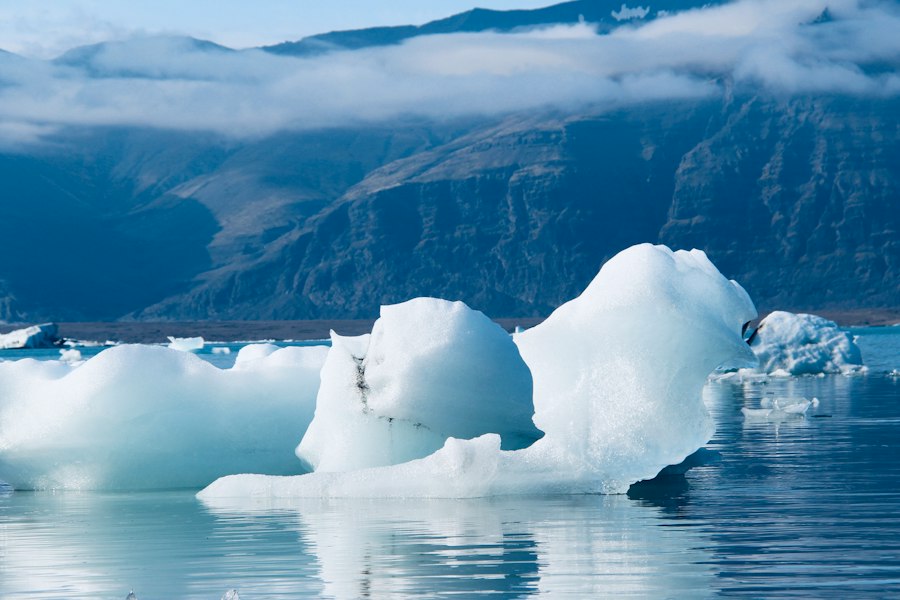
The vastness of northern landscapes, characterized by long distances and sparse populations, fostered a sense of profound isolation. Yet, prehistoric peoples in these regions were not static. They were mobile, moving across territories in response to resource availability, seasonal changes, and the needs of their communities. This mobility was a double-edged sword, offering access to resources but also presenting challenges in maintaining social connections.
Seasonal Migrations and Nomadic Lifestyles
Many northern prehistoric groups likely followed a nomadic or semi-nomadic lifestyle, dictated by the movements of game animals and the availability of seasonal resources. This might involve following herds of caribou across the tundra or migrating to coastal areas during the summer months when fish and marine mammals were more abundant. The creation of temporary camps, often strategically located near water sources or hunting grounds, was a hallmark of this lifestyle. The ability to pack up and move efficiently, taking essential tools and provisions, was a vital skill. The archaeological evidence for such mobility can be subtle, appearing in the distribution of tool types or the presence of temporary structures.
Routes of Connection and Exchange
Despite the isolation, prehistoric northern communities were not entirely cut off from each other. Trade networks, though perhaps less extensive than in more temperate regions, did exist. The exchange of valuable resources, such as high-quality stone for tool making, exotic shells, or finished goods, would have fostered connections between distant groups. The discovery of obsidian or chert far from its source is often indicative of such trade. These exchanges would have served not only economic purposes but also social ones, facilitating the spread of ideas, technologies, and alliances. The routes of these exchanges likely followed natural pathways – river valleys, coastlines, or established overland trails.
The Challenge of Distance
The sheer distances involved in travel across northern landscapes presented a significant challenge. Long journeys could be arduous and dangerous, requiring careful planning and preparation. The development of effective means of transport, whether by foot, sleds pulled by dogs (in later periods), or possibly rudimentary watercraft, would have been crucial. The ability to navigate across featureless terrain, relying on landmarks, celestial bodies, or an intimate knowledge of the land, was an essential skill. The social implications of these distances were also profound. Extended periods of separation could lead to the divergence of dialects, customs, and even genetic lineages. Maintaining a sense of shared identity and cultural cohesion across such vast distances would have been a continuous endeavor.
Tools and Technology: Shaping a Harsh World
The success of prehistoric peoples in surviving and thriving in northern climates was inextricably linked to their technological innovations. Their toolkits were not simply utilitarian; they were extensions of their bodies and minds, meticulously crafted to overcome the specific challenges of ice and isolation.
Lithic Mastery and Beyond
The mastery of stone tool technology was fundamental. The selection of appropriate raw materials, such as flint, chert, and obsidian, and the skilled technique of knapping to create sharp edges and functional forms were paramount. For northern climates, tools like scrapers were essential for processing hides, while projectile points were vital for hunting. The development of specialized tools for working ice, such as ice picks and chisels, would have been indispensable for shelter construction, access to water, and even for creating hunting blinds. Beyond stone, bone and antler were extensively utilized. These materials provided durable and versatile options for making needles, awls, harpoons, fish hooks, and weapon components. The intricate carving and shaping of these materials speak to a high level of craftsmanship and an understanding of their physical properties.
Innovations for Cold and Mobility
The specific needs of northern life spurred further technological developments. The invention of the bow and arrow, which likely emerged in northern Eurasia, provided a significant advantage in hunting efficiency and range. The development of sleds, particularly those adapted for use with dogs, revolutionized winter travel, allowing for the transport of larger loads over snow-covered terrain. The creation of specialized clothing, as discussed earlier, was itself a technological achievement, involving the understanding of materials and construction techniques. Even seemingly simple innovations, like the development of durable containers for carrying food and water, played a critical role in enabling longer expeditions and ensuring survival. The archaeological record often reveals the ingenuity of these early technologies through the discovery of well-preserved artifacts that continue to impress with their functional design and careful execution.
Understanding the Cycles of Nature
Perhaps the most profound technological “tool” was not physical but intellectual: a deep and intricate understanding of the natural world. This included an intimate knowledge of weather patterns, the behavior of animals, the properties of plants, and the geological features of the landscape. This knowledge allowed for the prediction of seasonal changes, the identification of safe travel routes, and the successful procurement of food and materials. This intellectual technology, passed down through generations, was as critical to survival as any sharpened stone or finely crafted spear. It was the foundation upon which all other technological adaptations were built, enabling them to not just survive but to truly thrive in the unforgiving embrace of the northern wilds.
Exploring the practical challenges of prehistoric life in northern climates reveals a fascinating intersection of survival strategies and environmental adaptation. For instance, the ways in which early humans managed to create tools and harness natural resources are crucial to understanding their resilience. A related article discusses the ingenuity behind ancient technologies, which can provide insights into how prehistoric communities thrived despite harsh conditions. You can read more about this intriguing topic in the article on ancient inventions found here.
Resilience and Legacy: Echoes of the Past
| Challenge | Description | Impact on Prehistoric Life | Adaptive Strategies |
|---|---|---|---|
| Extreme Cold Temperatures | Long, harsh winters with temperatures often below freezing | Increased risk of hypothermia and frostbite; limited food availability | Development of insulated clothing from animal hides; use of fire for warmth |
| Limited Food Resources | Scarcity of edible plants and animals during winter months | Malnutrition and starvation risks; seasonal migration pressures | Hunting large game; food preservation techniques like drying and smoking |
| Short Growing Seasons | Brief summers limiting plant growth and agricultural potential | Dependence on hunting and gathering rather than farming | Storage of surplus food; reliance on diverse food sources |
| Limited Daylight Hours | Reduced sunlight during winter months affecting visibility and activity | Challenges in hunting and gathering; psychological effects | Use of artificial light sources like torches; indoor social activities |
| Harsh Terrain and Snow Cover | Snow and ice making travel and shelter construction difficult | Restricted mobility; difficulty in accessing resources | Development of snowshoes and sleds; building insulated shelters like igloos |
The lives of prehistoric peoples in northern climates were characterized by extraordinary resilience in the face of extreme environmental pressures. Their ability to adapt, innovate, and persist in these challenging landscapes left an indelible mark on human history and offers valuable insights into the enduring strengths of the human spirit.
Enduring Human Spirit
The sheer persistence of human populations in the harsh northern environments is a testament to an inherent drive to survive and even flourish against seemingly insurmountable odds. These were not lives of passive acceptance but of active engagement with the world around them. Their successes were built on a foundation of courage, cooperation, and an unwavering determination to overcome obstacles. The stories of these early peoples, pieced together through the painstaking work of archaeologists and paleoanthropologists, speak of a profound connection to the land and a deep respect for the forces of nature. Their lives, though vastly different from our own, offer a powerful reminder of the adaptability and ingenuity that has characterized our species throughout its evolutionary journey.
Cultural Continuity and Adaptation
The cultural traditions and survival strategies developed by these early northern inhabitants were not lost to time. They laid the groundwork for later cultures that continued to inhabit and thrive in these regions. Many of the techniques for hunting, shelter construction, clothing production, and food preservation were refined and passed down through countless generations, forming the bedrock of traditional lifeways that persisted for millennia. The enduring presence of indigenous peoples in northern latitudes today, many of whom maintain cultural practices with deep historical roots, is a living testament to this legacy of resilience and adaptation. The knowledge of the land, honed over thousands of years, continues to be a vital resource for survival and cultural identity.
Lessons for the Modern World
The study of prehistoric life in northern climates offers more than just a glimpse into the past; it provides valuable lessons for the present and future. In an era of rapid environmental change and increasing awareness of the fragility of our ecosystems, the strategies employed by these early humans – their resourcefulness, their deep understanding of the natural world, their emphasis on community and cooperation – offer a compelling model. Their ability to live in balance with their environment, to utilize resources sustainably, and to adapt to changing conditions without causing irreparable harm serves as a profound inspiration. The challenges they faced may have been different, but the core principles of resilience, ingenuity, and a deep connection to the natural world remain timeless and universally relevant. The echoes of their survival in ice and isolation continue to resonate, reminding us of the extraordinary capacity of humanity to not only endure but to thrive in even the most demanding of circumstances.

➡️Life 20,000 Years Ago | When Strangers Claim Your Winter Shelter 🚨
FAQs
What were the primary challenges faced by prehistoric humans in northern climates?
Prehistoric humans in northern climates faced several challenges, including extreme cold temperatures, limited food resources, and harsh weather conditions. These factors made survival difficult, requiring innovative strategies for shelter, clothing, and food procurement, such as hunting large game and gathering edible plants during the short growing season.
How did prehistoric people adapt their hunting techniques to northern climates?
Prehistoric people adapted their hunting techniques by developing specialized tools and strategies suited for the environment. They utilized weapons like spears and bows, created traps for smaller animals, and learned to track migratory patterns of large game such as mammoths and reindeer. Additionally, they often hunted in groups to increase their chances of success.
What types of shelter did prehistoric humans use in northern climates?
Prehistoric humans in northern climates constructed various types of shelters to protect themselves from the elements. Common structures included tents made from animal hides, igloos made of snow and ice, and semi-permanent dwellings built from wood and stone. These shelters were designed to retain heat and provide safety from predators.
What role did clothing play in the survival of prehistoric people in cold environments?
Clothing was crucial for the survival of prehistoric people in cold environments, as it provided insulation and protection against the harsh weather. They crafted garments from animal skins and furs, which helped to trap body heat. Layering clothing and using materials that could wick moisture away from the skin were also important strategies for maintaining warmth.
How did the availability of resources impact prehistoric life in northern climates?
The availability of resources significantly impacted prehistoric life in northern climates. Limited vegetation and harsh winters meant that food sources were scarce, leading to a reliance on hunting and fishing. Seasonal migrations were common as groups followed animal herds or moved to areas with more abundant resources, influencing their social structures and settlement patterns.