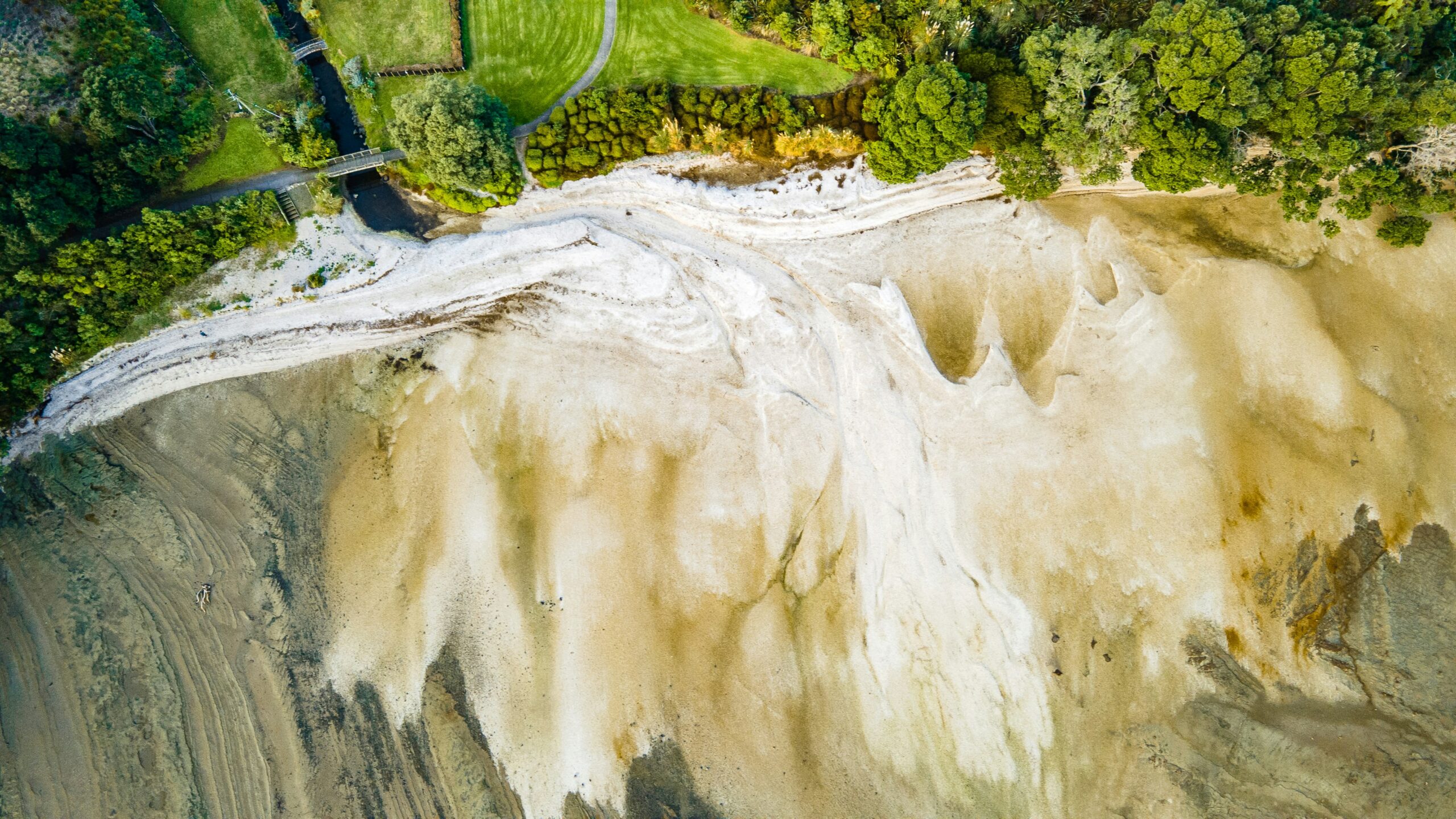
The relentless roar of a thousand rivers unleashed. The sky, a bruised canvas of grey, wept incessantly. For the early hominins and the earliest Homo sapiens, these were not just storms; they were existential crises. Prehistoric floods, powerful and unpredictable, were a constant threat, shaping landscapes and forcing our ancestors to adapt or perish. Survival was not a passive act of weathering the deluge; it was an active, often perilous, series of strategies employed to navigate these watery cataclysms. While modern humans might seek higher ground or build fortified structures, our ancient predecessors relied on ingenuity, cooperation, and a deep, instinctual understanding of their environment, often taking significant risks that, against all odds, proved life-saving.
The Unpredictable Fury of Nature’s Deluge
The sheer scale of prehistoric floods was often far beyond anything experienced in more recent human history. Plate tectonics, glacial meltwater pulses, and catastrophic rainfall events could combine to create torrents that reshaped entire continents. These were not minor inundations; they were forces of immense destructive power, capable of carving canyons and depositing vast sediment layers. Understanding the triggers and patterns, however rudimentary, was the first step in developing survival strategies.
Understanding the Water’s Mood
Early humans were intimately connected to their environment, observing the subtlest cues. They learned to read the sky, recognizing the signs that portended a coming storm long before the first drops fell. The behavior of animals offered vital clues. The panicked flight of herbivores, the unusual silence of birds, or the agitated movements of insects all signaled impending danger. More critically, they observed the rivers themselves. A subtle discoloration, an increased current speed, or a rising water level, even without visible rain, could indicate upstream melt or rainfall that would eventually reach them. This observational learning, passed down through generations, was a critical element of their flood preparedness. The ability to anticipate, even imprecisely, the timing and intensity of a flood allowed for a small window of opportunity to enact survival plans.
The Geological Canvas of Danger
The very landscape our ancestors inhabited was a testament to the destructive power of water. Ancient riverbeds, now dry and meandering across plains, spoke of past deluges. Understanding these geological features was crucial. Certain valleys, while fertile, were also natural channels for floodwaters. Proximity to major river systems, while offering resources, inherently increased risk. They learned, through trial and error, which areas were consistently inundated and which offered relative safety, albeit temporary. The presence of ancient sediment layers, some hundreds of meters thick, served as stark reminders of the vast quantities of water and debris that had once swept through these regions. Recognizing these danger zones, even without a full understanding of hydrological principles, was a form of learned risk assessment.
In exploring the perilous decisions made by early humans to survive prehistoric floods, one can gain further insight by examining ancient navigational tools and their significance in such dire circumstances. A related article that delves into this topic is “Uncovering Ancient Technology: The Piri Reis Map,” which discusses how early cartography and navigation played a crucial role in the survival of civilizations during catastrophic events. For more information, you can read the article here: Uncovering Ancient Technology: The Piri Reis Map.
Ingenuity in the Face of Immersion

When escape was not an option, or when the floodwaters arrived with terrifying speed, our ancestors were forced to improvise. Their tools and shelters, though primitive by modern standards, were adapted and utilized in ways that demonstrated remarkable ingenuity. These were often last-ditch efforts, gambles against the overwhelming force of the water.
Improvised Rafts and Floating Sanctuaries
The concept of buoyancy was not a complex scientific theory to early humans, but a practical reality. When their settlements were threatened and escape routes were cut off, they would quickly construct rudimentary rafts from logs, reeds, or any buoyant material available. These were not seaworthy vessels, but temporary lifeboats designed to keep individuals and small groups above the rising waters for a limited time. Evidence from archaeological sites suggests the use of woven reed mats and bundles of dry vegetation as flotation devices. The risky aspect here was the inherent instability of these craft, their susceptibility to being swamped or capsized by even moderate waves, and the constant danger of being carried away by strong currents into unknown territories or treacherous rapids. Yet, for those trapped with no other recourse, these floating platforms offered a sliver of hope, a chance to survive until the waters receded or they could reach higher ground.
Elevated Shelters and Natural Fortifications
When building permanent structures, our ancestors often chose elevated locations to minimize the risk of inundation. However, even these seemingly safe havens could be overwhelmed. In such dire circumstances, they would seek out natural fortifications. Caves on cliff faces, large rock overhangs, or even the sturdy branches of ancient, massive trees became temporary refuges. The risk involved was significant. Climbing to precarious heights could lead to falls, especially in muddy, wet conditions. Caves could become death traps if they flooded from within or if access was cut off by rising waters. Nevertheless, these elevated positions offered a strategic advantage, a temporary reprieve from the immediate threat, and a vantage point from which to assess the flood’s progress and potential escape routes. The ability to quickly identify and access these natural defenses was a vital survival skill.
Utilizing Animal Knowledge for Refuge
The knowledge of animals and their behavior was a cornerstone of prehistoric survival. When floods threatened, humans would observe which animals sought refuge in specific areas. While some animals might flee, others, like certain primates or birds, might instinctively seek higher ground or particular types of trees. Mimicking these animal strategies, albeit with human limitations, could lead to the discovery of safer havens. For instance, observing baboons congregating on rocky outcrops or birds nesting in the upper branches of sturdy trees might have guided humans to similar secure locations. The risk here lay in misinterpreting animal behavior or selecting refuge sites that, while safe for the animal, might not be suitable for humans, such as unstable trees or precarious ledges. However, in a crisis, any potential advantage, however risky, would be explored.
The Double-Edged Sword of Risk and Reward

Survival in the face of prehistoric floods was rarely about passive endurance. It demanded calculated risks, often with immediate and severe consequences for failure. These were not acts of recklessness, but of desperate necessity, where the potential reward—life itself—outweighed the perceived danger.
Navigating the Floodwaters: Calculated Gambles
When confronted with impassable floodwaters, some groups would attempt to cross them. This was perhaps one of the riskiest strategies. They might use their improvised rafts, swim across narrower sections, or attempt to ford shallower, but still dangerously fast-moving, currents. The danger of being swept away, of succumbing to hypothermia, or of encountering submerged obstacles was immense. However, the alternative might have been to remain trapped, facing starvation or further inundation. The “calculation” in these gambles was based on a deep, intuitive understanding of current strength, water depth, and the capabilities of their makeshift equipment. Success meant reaching safety, finding new resources, or reuniting with other groups. Failure meant almost certain death. This strategy highlights a profound acceptance of risk, driven by the primal urge to survive.
The Perilous Pursuit of Higher Ground
The instinct to seek higher ground is a fundamental survival response to flooding. For prehistoric humans, this often meant traversing treacherous terrain. Steep, muddy slopes, dense, waterlogged forests, and even rocky outcrops that became slippery and hazardous would need to be navigated. The risks included falls, injuries, and exhaustion, which could make them vulnerable to predators or further environmental hazards. Furthermore, reaching higher ground might mean abandoning familiar territories and resources, leading to a different set of survival challenges. However, the reward was escaping the immediate threat of drowning. The success of this strategy depended on their physical endurance, their knowledge of the terrain, and their ability to adapt to the difficult conditions. It was a gamble that often paid off, but at a considerable physical cost.
Relocation as a High-Stakes Migration
In cases of prolonged or recurring major flooding, entire communities might have been forced to relocate. This was not a simple matter of moving a few kilometers. It involved abandoning established hunting grounds, familiar water sources, and potentially sacred sites. The journey itself was fraught with peril. They would be exposed to new predators, unfamiliar environments, and the possibility of encountering hostile groups. Furthermore, there was no guarantee that the new territory would be safe from future floods or offer sufficient resources for survival. The “risk” lay in the unknown and the vast uncertainties of migration. However, the “reward” was the potential for a more secure future, a chance to establish a new home free from the constant threat of inundation. This was a long-term, high-stakes gamble that, over time, shaped the dispersal patterns of early human populations.
The Power of Collective Action in the Face of Chaos
Individual survival was often amplified by the strength of the group. Prehistoric floods, while isolating individuals, also underscored the vital importance of cooperation and shared knowledge in navigating these crises.
Communal Effort in Shelter and Rescue
When disaster struck, communal efforts were essential. Building and reinforcing shelters, especially those designed to withstand water, required collective labor. In rescue situations, groups would work together to pull stranded individuals to safety, share limited resources, and maintain morale. This collaborative spirit was a critical survival mechanism, allowing them to overcome challenges that would have been insurmountable for any single person. The risk here was often in the act of rescue itself, with individuals putting themselves in danger to save others. However, the collective reward was the preservation of the group, ensuring the continuation of their lineage and the transmission of vital knowledge.
The Oral Tradition: Passing Down Survival Wisdom
The knowledge gained from surviving floods was not lost with the passing of individuals. It was meticulously preserved and transmitted through oral traditions, stories, and practical demonstrations. Elders would recount tales of past floods, detailing what worked and what didn’t, reinforcing lessons about the importance of certain refuges, the signs of impending danger, and the best methods for constructing temporary shelters. This continuous sharing of wisdom ensured that subsequent generations were better equipped to face similar threats. The “risk” was in the imperfect nature of memory and oral transmission, where details could be lost or distorted. However, the reward was the cumulative wisdom of generations, providing a vital foundation for survival in a constantly changing and often hostile environment.
Shared Vigilance and Early Warning Systems
Prehistoric communities likely developed informal early warning systems. Individuals or small groups might have been designated to keep watch for signs of approaching floods, particularly from upstream. The first person to spot an unusual rise in the river or a change in the weather would alert the others, giving the community precious time to prepare or evacuate. This shared vigilance was a crucial element of their collective survival strategy. The “risk” was that an individual on watch might be caught by surprise or make an error in judgment. However, the reward was the enhanced ability of the entire group to respond effectively to an imminent threat, significantly increasing their chances of survival.
In exploring the perilous decisions made by early humans to survive prehistoric floods, one can gain insight into the diverse environments that shaped their experiences. The article on the geography of Afghanistan highlights how varied terrains can influence survival strategies, as different landscapes present unique challenges and opportunities. For a deeper understanding of how geography impacts human choices, you can read more in this informative piece about the diverse terrain of Afghanistan.
Lessons from the Deep Past: Enduring Principles of Resilience
| Choice | Description | Risk Level | Survival Impact | Example Scenario |
|---|---|---|---|---|
| Climbing Trees | Seeking refuge in tall trees to avoid rising floodwaters | Medium | High – Provides temporary safety but risk of falling or tree collapse | Floodwaters rising rapidly in forested areas |
| Building Rafts | Constructing makeshift rafts from logs and vegetation | High | Medium – Enables movement but risk of drowning or raft failure | Crossing flooded rivers or lakes |
| Seeking Higher Ground | Moving to elevated terrain to escape flood zones | Low | Very High – Most effective survival strategy | Floodplain inundation during heavy rains |
| Entering Caves | Taking shelter in caves to avoid floodwaters | Medium | Medium – Protection from water but risk of entrapment or lack of oxygen | Flooding in open areas with nearby caves |
| Swimming Across Floodwaters | Attempting to swim through floodwaters to reach safety | Very High | Low – High risk of drowning or injury | Escaping rapidly rising waters with no other options |
The strategies employed by our ancient ancestors to survive prehistoric floods, though born of desperation, offer profound insights into the nature of human resilience. These were not merely reactive measures but proactive adaptations that shaped human behavior and societal structures.
Environmental Adaptation and Learned Behaviors
The constant threat of floods drove significant environmental adaptation. Over time, human settlements were increasingly located in areas less prone to inundation, or structures were built with flood resilience in mind. More importantly, learned behaviors became ingrained. The ability to read the signs of nature, the instinct to seek higher ground, and the understanding of collective action all became part of the human behavioral repertoire. This ongoing process of adaptation and learning allowed our ancestors to not only survive but to thrive in diverse and challenging environments. The “risk” was the constant pressure and hardship, but the “reward” was the development of a species uniquely equipped to endure and overcome environmental challenges.
The Intrinsic Value of Cooperation in Crisis
Perhaps the most enduring lesson from the survival of prehistoric floods is the fundamental importance of cooperation. In the face of overwhelming natural forces, individual strength and ingenuity were amplified exponentially by collective action. The willingness to share resources, to protect the vulnerable, and to work towards a common goal were not just altruistic gestures; they were essential for the survival of the species. This deeply ingrained cooperative instinct, honed by millennia of facing existential threats like floods, remains a cornerstone of human society today, proving that even in the face of nature’s most formidable challenges, we are stronger together. The inherent “risk” in cooperation, such as the potential for betrayal or unequal contribution, was outweighed by the demonstrable survival advantage it provided.
The Legacy of Ingenuity and Courage
The stories of our ancestors surviving prehistoric floods are not just tales of survival; they are testaments to human ingenuity, courage, and the indomitable will to live. Their risky strategies, born out of necessity and a deep understanding of their world, paved the way for our own existence. They faced down forces that could have easily extinguished them, and through their actions, they left us with a legacy of resilience, a blueprint for confronting adversity, and a profound appreciation for the interconnectedness of life and environment. Their courage in the face of overwhelming odds, their willingness to take calculated risks for the sake of survival, echoes through time, reminding us of the deep-seated strength that lies within the human spirit.
