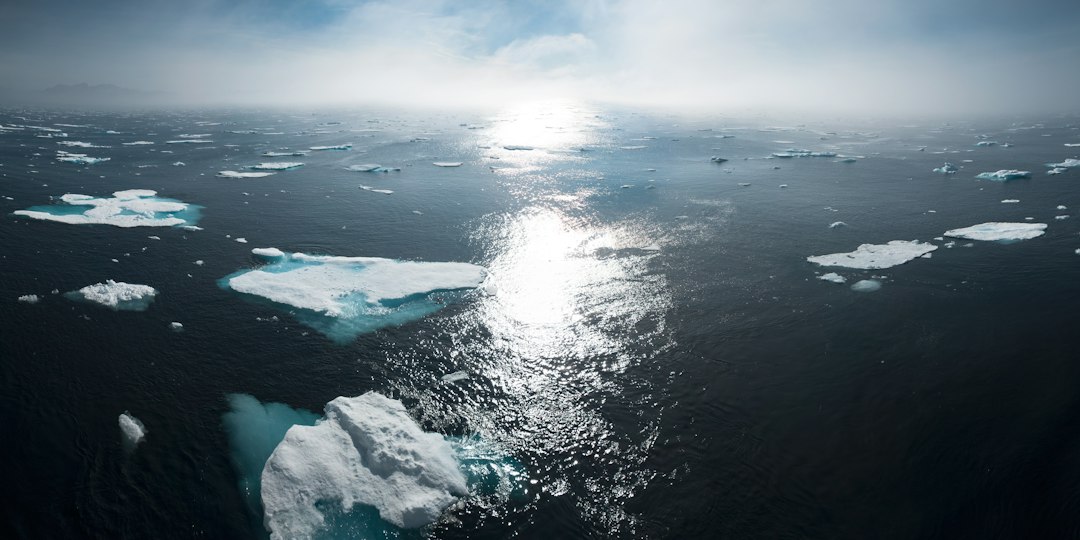
The frigid breath of the Last Glacial Maximum (LGM) settled upon the Earth approximately 20,000 years ago. Vast ice sheets, kilometers thick in places, sprawled across North America and Eurasia, drastically altering landscapes and presenting formidable challenges to life. Surviving this period of extreme cold, characterized by prolonged winters, ephemeral summers, and a scarcity of resources, was no small feat for early humans and the animal species they depended upon. This article delves into the intricate strategies and adaptations that allowed life to persevere through the harsh realities of the LGM.
Navigating the Frozen Frontier: Human Ingenuity and Adaptation
The human populations that endured the LGM were not passive victims of circumstance. Instead, they possessed a remarkable capacity for innovation, resourcefulness, and a deep understanding of their environment. Their survival was a testament to a complex interplay of technological advancement, social organization, and behavioral flexibility, allowing them to thrive in landscapes dominated by ice and perpetual winter.
Mastering the Art of Shelter
One of the most critical elements for survival in glacial conditions was effective shelter. The biting winds and sub-zero temperatures demanded protection that went beyond simple windbreaks. Early humans developed sophisticated strategies for constructing and utilizing dwellings that could withstand the extreme cold and conserve precious body heat.
Utilizing Natural Resources for Shelter Construction
The available materials dictated the form and function of these shelters. In treeless regions, particularly in the high plains and tundra environments adjacent to the ice sheets, humans relied heavily on naturally occurring features. Caves and rock overhangs were invaluable, providing pre-existing insulation and protection from the elements. However, these were often scarce and contested resources. When natural formations were not available, or insufficient, early humans became adept at constructing artificial shelters from readily available materials.
Mammoth bones, ribs, and tusks, remnants of the abundant megafauna, served as robust frameworks for dwellings. These massive structures could be covered with hides, turf, and snow, creating surprisingly effective insulated living spaces. The sheer size of these shelters, often accommodating entire family groups, allowed for communal warmth and shared resources. Evidence from sites like the Mezhirich site in Ukraine reveals remarkably well-preserved mammoth bone huts, demonstrating the ingenuity of these early architects. The thickness of the bone walls provided significant thermal insulation, and the rounded or semi-spherical shape likely helped deflect wind and distribute pressure more evenly. The placement of these dwellings was also strategic, often chosen in sheltered locations or on slopes that offered some protection from prevailing winds.
The Role of Snow and Ice in Habitation
Beyond bone structures, snow itself became a crucial building material. The igloo, a testament to the ingenuity of Arctic peoples, though perhaps not as widespread during the LGM as later periods, exemplifies the principles of snow construction. Packed snow, when frozen, acts as an excellent insulator. Early hunters likely employed similar techniques, creating snow caves or burying their shelters under thick layers of snow to create a thermal envelope. The trapped air within the snow provided a barrier against the external cold. Furthermore, the construction of windbreaks using packed snow around campsites or dwelling entrances would have significantly reduced heat loss and improved comfort. The ability to manipulate and utilize these frozen resources was a hallmark of LGM survival.
Clothing: The Second Skin of Survival
The harsh environment demanded more than just shelter; it required equally effective personal insulation. The clothing worn by LGM inhabitants was a crucial determinant of their ability to venture out of their dwellings and engage in essential activities like hunting and gathering.
Crafting Garments from Animal Hides and Furs
The primary raw materials for clothing were the hides and furs of the animals that roamed the glacial landscapes. Mammoth, reindeer, bison, and other large mammals provided not only food and shelter materials but also the dense, insulating pelts necessary for survival. The process of preparing these hides was labor-intensive and required specialized knowledge. Tanning, scraping, and softening the hides made them pliable enough for sewing.
The construction of garments was likely layered, mimicking the principles of modern cold-weather clothing. An inner layer of fine furs, such as rabbit or fox, would have provided excellent insulation close to the skin, trapping body heat. An outer layer of thicker, more durable furs and hides, such as mammoth or bison, would have offered protection against wind and moisture. The cut of these garments was also important. Loose-fitting clothing allowed for air pockets that further enhanced insulation. Hoods, mittens, and boots were essential for protecting extremities, which are most susceptible to frostbite. The archaeological record, though sparse in terms of intact textiles, provides indirect evidence of advanced tailoring through the discovery of bone and ivory needles, awls, and scrapers, tools clearly designed for working with hides and bone. The intricate designs found on some artifacts suggest not only functional but also perhaps aesthetic considerations in their clothing.
The Significance of Tailoring and Fit
The ability to tailor clothing effectively was paramount. Ill-fitting garments would have allowed cold air to penetrate, negating their insulating properties. Evidence suggests that early humans were skilled in precisely cutting and stitching hides to create form-fitting garments that still allowed for freedom of movement. The use of sinew, the strong tendons found in animals, as thread, further highlights their resourcefulness. The precise fit of hoods and the sealing of openings were critical to prevent heat loss from the head and neck. The archaeological discovery of complex sewing tools suggests a level of sophistication in clothing production that allowed for intricate tailoring and repair, crucial for maintaining the integrity of garments over long periods in challenging conditions.
Fire: The Hearth of Survival
Fire was an indispensable tool for survival during the LGM, providing warmth, light, and a means to process food and materials. Its control and maintenance were likely central to the daily lives of these early populations.
The Multifaceted Role of Fire in LGM Life
The most obvious benefit of fire was its ability to generate heat. In environments where ambient temperatures were consistently far below freezing, fire was the primary source of warmth within dwellings. It extended the usable hours of the day, allowing for activities beyond daylight. Beyond warmth, fire served as a crucial element for cooking. Raw meat and certain plants can be indigestible or even toxic. Cooking not only made food safer and more palatable but also unlocked vital nutrients, increasing the energy yield from their diets. Furthermore, fire was essential for the processing of materials. Hides could be dried and treated, bone and ivory could be worked, and stone tools could be heat-treated to improve their durability and sharpness. The smoke from fires also served a practical purpose, deterring insects and potentially acting as a disinfectant, although this latter function would have been less understood then. The creation of fire itself, likely through friction methods like hand drills or bow drills, or by striking stones to create sparks, was a skill that required practice and mastery.
Fuel Procurement and Management
The sustained use of fire required a constant and reliable source of fuel. In glacial environments, fuel was not always abundant. Forests were receding, and open plains offered limited wood. Early humans likely relied on a variety of fuel sources. Dried grasses, shrubs, and animal dung would have been important in treeless regions. In areas with more conifer forests, wood would have been a primary fuel. The efficient collection and storage of fuel were therefore critical. This likely involved organized foraging expeditions dedicated to gathering firewood. The management of fire itself was also important, ensuring that it did not burn too rapidly or inefficiently. Creating banked fires that could be easily reignited would have been a common practice. The careful husbanding of this precious resource was undoubtedly a key factor in long-term survival.
Understanding how ancient humans survived the dramatic seasonal changes during the Last Glacial Maximum can provide valuable insights into resilience and adaptation in the face of environmental challenges. For a deeper exploration of how historical events have shaped human behavior and policy, you might find the article on the impact of Executive Order 6102, which mandated the confiscation of gold, particularly intriguing. It highlights the lengths to which societies will go in response to economic pressures, much like how our ancestors adapted to the harsh climates of their time. You can read more about it here: The Impact of Executive Order 6102: Gold Confiscation.
The Hunter-Gatherer Lifestyle in a Frozen World
The LGM was a period of significant ecological upheaval, forcing hunter-gatherer societies to adapt their subsistence strategies to exploit the unique flora and fauna of the glacial landscape. Their success was dependent on a deep understanding of animal behavior, plant cycles, and the ability to adapt their foraging techniques to the prevailing conditions.
Exploiting the Mega-Fauna
The most iconic inhabitants of the LGM were the large herbivores, often referred to as megafauna. These creatures, adapted to the cold and open environments, represented a significant source of sustenance and raw materials for human populations.
Mammoth and Reindeer: Keystone Species for Survival
Mammoths and reindeer (caribou in North America) were particularly important. Mammoths, with their thick fur and substantial meat reserves, provided calorie-rich food, durable hides, and bone for construction. Hunting these massive animals was a dangerous endeavor, requiring coordinated group efforts and sophisticated hunting strategies. Evidence suggests the use of spear throwers (atlatls) and potentially organized drives to corner and dispatch these formidable prey. Reindeer, while smaller, were often found in larger herds and were a more accessible source of meat, hides, and antlers, which were used for tools and weapons. The migratory patterns of reindeer would have been closely observed and exploited by human groups, following their movements across the frozen landscapes. The seasonal abundance of these animals dictated the movement and lifestyle of human groups, often following the herds.
Diversification of the Hunt
While mammoths and reindeer were central, other animals also played a role. Bison, horses, and various smaller game like hares and birds would have supplemented the diet. The ability to hunt a diverse range of prey increased resilience against potential declines in any single species. The seasonal availability of different animals would have dictated shifts in hunting grounds and strategies. For instance, during warmer periods, certain animals might have moved into more specific habitats, requiring different hunting approaches. The success of these hunting endeavors was not just about brute force; it involved a profound understanding of animal behavior, including their breeding seasons, migration routes, and susceptibility to different hunting techniques.
Surviving the harsh conditions of the last glacial maximum required innovative adaptations and resilience from early human populations. As these groups faced extreme cold and shifting landscapes, their survival strategies became crucial for their existence. For a deeper understanding of how environmental changes can lead to societal transformations, you might find it interesting to explore this article on the sudden collapse of ancient civilizations, which discusses similar themes of adaptation and resilience in the face of drastic changes. You can read more about it here.
The Ephemeral Bounty of Glacial Flora
While the LGM was characterized by vast ice sheets, the periods between glacial advances, known as interstadials, and the warmer fringes of the ice sheets, still supported a surprising diversity of plant life. Early humans skillfully exploited these ephemeral resources.
Foraging for Edible Roots, Seeds, and Berries
The tundra and steppe environments of the LGM supported hardy grasses, sedges, and flowering plants. While leafy greens were scarce, edible roots, tubers, and seeds would have been important components of the diet. These could be stored for longer periods, providing a vital food reserve. Certain berries, often found in sheltered valleys or during the brief summer months, would have provided essential vitamins and antioxidants. The knowledge of which plants were edible, medicinal, and where to find them would have been passed down through generations, a critical element of survival. The harsh conditions meant that plant resources were often seasonal and localized, requiring extensive knowledge of the terrain to locate.
Utilizing Plants for Non-Subsistence Purposes
Beyond direct consumption, plants played a role in other aspects of LGM life. Tough grasses and sedges could be woven into mats, baskets, and even used for insulating bedding. The fibers of certain plants might have been used for making cordage, essential for tool making and construction. Medicinal plants, though their usage is difficult to ascertain archaeologically, would have been invaluable for treating injuries and illnesses in a time before modern medicine. The ability to identify and utilize these plant resources required an intimate knowledge of the local flora, its growth cycles, and its various applications.
Social Structures and Cooperation in the Face of Adversity

The challenges of the LGM were too great for individuals to overcome alone. The survival of early human populations was intrinsically linked to their ability to form strong social bonds, cooperate effectively, and share resources and knowledge.
The Importance of Small, Mobile Groups
The hunter-gatherer lifestyle of the LGM necessitated small, mobile social units, typically comprising extended family groups or bands. These groups were flexible enough to adapt to changing resource availability and move efficiently across the landscape in pursuit of game or seasonal plant resources.
Kinship and Cooperation within Bands
Kinship ties formed the bedrock of these social units. Cooperation within the band was essential for all aspects of survival: hunting large game, sharing food, caring for the young and elderly, and defending against predators. The division of labor, likely based on age and sex, ensured that tasks were carried out efficiently. Men typically focused on hunting large game, while women were responsible for gathering, preparing food, making clothing, and childcare. However, these divisions were likely fluid and adaptable, with individuals contributing where their skills were most needed. The strong bonds of cooperation ensured that no one was left behind, and that the collective was always stronger than the sum of its parts.
The Role of Social Learning and Knowledge Transmission
Survival depended on the transmission of knowledge and skills from one generation to the next. This social learning was crucial for understanding animal behavior, identifying edible plants, mastering tool-making techniques, and navigating the treacherous landscape. Elders, with their accumulated wisdom and experience, played a vital role in this process. Storytelling, imitation, and direct instruction were likely the primary methods of knowledge transfer. The preservation and transmission of this crucial information were vital for the continued success of the group. The ability to adapt to new challenges, such as the emergence of new prey or changes in the environment, would have been facilitated by a culture that valued learning and shared knowledge.
Intergroup Relations: Alliance and Competition
While small bands were the primary units of survival, interactions between different groups also played a role. These interactions could range from cooperation and resource sharing to competition and conflict.
Evidence for Exchange and Alliance Networks
There is evidence, albeit indirect, for interaction between different human groups during the LGM. The presence of exotic materials, such as certain types of stone used for toolmaking, found far from their original sources, suggests trade or exchange networks. These exchanges could have facilitated the movement of goods, information, and even individuals between groups, fostering a degree of interdependency. Alliances might have been formed for mutual defense, to pool resources during times of scarcity, or to undertake large-scale hunting expeditions that would have been impossible for a single group. These interactions, even if infrequent, would have contributed to the resilience of the broader human population.
Competition for Scarce Resources
Conversely, competition for vital resources like hunting grounds, water sources, or sheltered campsites was likely a reality. The scarcity of resources during the LGM would have heightened tensions between groups. Conflict, though perhaps not overtly documented in the archaeological record in the same way as later periods, would have been a potential factor influencing group movements and territoriality. The ability to defend their resources and territories would have been as crucial as the ability to acquire them. The balance between cooperation and competition likely shaped the overall distribution and dynamics of human populations across the glacial landscape.
The Enduring Legacy of LGM Survival
The LGM was a period of immense hardship, yet life persisted and, in many ways, was shaped by its rigors. The adaptations and strategies developed by early humans and the resilient ecosystems they inhabited left an enduring mark on the planet.
The Evolutionary Shaping of Life
The extreme environmental pressures of the LGM acted as a powerful selective force. Species that could not adapt to the cold, the changing landscapes, or the scarcity of resources often perished. This led to the evolution of cold-adapted traits in many animals, such as thicker fur, larger body sizes (Bergmann’s rule), and more efficient metabolic processes. Similarly, the human populations that survived were those with the genetic predispositions for resilience, along with the cultural capacity for innovation and adaptation. The experience of the LGM likely contributed to the development of traits that made humans particularly well-suited to survive in challenging environments.
Adaptation in Flora and Fauna
The plant communities that survived the LGM were hardy and adapted to cold, dry conditions. These included the tough grasses, sedges, and dwarf shrubs that characterized the tundra and steppe biomes. The animal kingdom saw a significant diversification of cold-adapted species. The woolly mammoth, the woolly rhinoceros, the cave bear, and the saber-toothed cat are just some of the iconic creatures that thrived in these environments. These species possessed specialized physiologies and behaviors that allowed them to cope with the extreme cold, limited food availability, and long periods of darkness. The LGM also saw the development of migratory strategies in many species, allowing them to follow more favorable conditions throughout the year.
The Foundations of Human Resilience
The survival strategies honed during the LGM provided a foundation for future human expansion and adaptation. The technological innovations in toolmaking, clothing, and shelter construction, along with the sophisticated social organization and knowledge transmission systems, were all crucial building blocks for subsequent human development. The ability to thrive in marginal environments, a skill refined during the glacial period, allowed humans to populate diverse ecological niches as the climate warmed and the ice receded. The resilience forged in the crucible of the LGM endowed humanity with a remarkable capacity to overcome environmental challenges.
Technological and Behavioral Legacies
The advancements in lithic technology, evident in the finely crafted tools of the LGM, laid the groundwork for future technological development. The mastery of fire, the art of hide preparation and clothing construction, and the development of sophisticated hunting techniques all represent significant achievements that would continue to be refined. Furthermore, the emphasis on cooperation, resource sharing, and knowledge transmission fostered a social and cultural framework that underpinned human success in subsequent millennia. The lessons learned in the harsh realities of the LGM were not forgotten; they were integrated into the fabric of human existence, shaping the trajectory of our species.
The Long Shadow of the Ice Ages
The impact of the LGM extends beyond the immediate survival of its inhabitants. The vast ice sheets shaped the very geography of our planet, carving out fjords, creating moraines, and influencing river systems. As the ice retreated, it left behind landscapes that continue to bear the marks of its passage, influencing ecosystems and human settlement patterns to this day. The ecological dynamics that emerged in the post-glacial world were a direct consequence of the survival and adaptations that occurred during the glacial periods. The LGM, therefore, represents not just a period of survival but a crucial evolutionary and developmental stage that profoundly shaped the Earth and the life it supports.

Beneath the Ice: Surviving the Ice Age 20,000 Years Ago
FAQs
What was the Last Glacial Maximum?
The Last Glacial Maximum (LGM) was a period of the most recent glacial advance when ice sheets were at their greatest extent, occurring approximately 26,500 to 19,000 years ago.
How did humans survive during the Last Glacial Maximum?
Humans survived the Last Glacial Maximum by adapting to the harsh conditions through strategies such as hunting large mammals, gathering plants, and utilizing fire for warmth and cooking.
What impact did the Last Glacial Maximum have on sea levels?
During the Last Glacial Maximum, sea levels were significantly lower than they are today, as vast amounts of water were locked up in ice sheets, resulting in exposed land bridges and altered coastlines.
How did plant and animal species adapt to the Last Glacial Maximum?
Plant and animal species adapted to the Last Glacial Maximum by migrating to more hospitable regions, evolving new physical characteristics, or entering a state of dormancy to survive the cold temperatures and limited food sources.
What evidence do scientists use to study the Last Glacial Maximum?
Scientists use a variety of evidence to study the Last Glacial Maximum, including ice core samples, pollen records, fossil remains, and geological data to reconstruct past climates and understand how ecosystems and human populations responded to the changing environment.