The scorching sun beat down on the undulating sands, a relentless force that had shaped civilizations and humbled armies for millennia. For those who ventured into the vast, arid expanses of the ancient Persian desert, survival was not a matter of luck but a testament to ingenuity and accumulated wisdom. The ancient Persians, masters of their harsh environment, developed and refined a suite of techniques that allowed them to traverse, inhabit, and even thrive in what many would consider an inhospitable wasteland. These time-tested methods, born from necessity and passed down through generations, offer a profound glimpse into human resilience and our capacity to adapt.
The ancient Persian desert, encompassing regions like the Dasht-e Kavir and Dasht-e Lut, was a formidable opponent. Understanding its nature was the first and most crucial step towards survival. This wasn’t simply about acknowledging the heat; it was about comprehending the nuanced dangers and opportunities presented by the environment.
The Deceptive Beauty of the Sands
The desert’s visual appeal could be dangerously misleading. Vast, seemingly empty plains could mask treacherous quicksand pits, while towering dunes, though magnificent, could shift and change with the wind, erasing ancient tracks and disorienting travelers. The ancient Persians learned to read the subtle cues of the landscape. They understood that certain soil textures indicated firmer ground, and that the presence of specific hardy plants could signal proximity to subsurface moisture or more stable terrain. Their knowledge wasn’t academic; it was deeply ingrained through direct experience and observation, a living encyclopedia of the desert floor.
The Unseen Threat of the Sun
The sun was the most immediate and potent threat. Its rays, amplified by the reflective sands, could lead to rapid dehydration and heatstroke. The ancient Persians recognized the sun’s power and developed strategies to mitigate its impact. This included understanding the optimal times for travel, avoiding the peak heat of midday, and utilizing any available shade, however temporary. Their awareness of the sun’s trajectory throughout the day allowed for strategic planning of movement and rest.
The Subtle Whispers of the Wind
Wind was another omnipresent force, capable of creating blinding sandstorms and altering the desert’s topography. While often a destructive element, the wind also played a vital role in the desert’s ecosystem, carrying seeds and shaping the land. The Persians learned to anticipate wind patterns, recognizing the signs that preceded a sandstorm, such as a change in wind direction or the subtle darkening of the horizon. This knowledge allowed them to seek shelter before being caught in the full fury of a tempest.
Ancient Persian desert survival techniques were deeply intertwined with the understanding of the environment and its signs. For those interested in exploring how ancient cultures adapted to their surroundings, a related article can provide valuable insights. You can read more about this fascinating topic in the article titled “Ancient Weather Wisdom: Understanding Nature’s Signs” available at this link. This resource delves into the ways ancient peoples, including the Persians, interpreted natural phenomena to enhance their survival in harsh climates.
The Lifeblood of Survival: Water Management
Water was, and remains, the most precious commodity in the desert. The ancient Persians were not just survivors; they were water architects, developing sophisticated systems to find, store, and conserve this vital resource. Their innovations were so advanced that some, like the qanat system, are still in use today.
Unearthing Hidden Reserves: The Qanat System
Perhaps the most celebrated of Persian desert survival techniques is the qanat. This ingenious system of underground channels tapped into aquifers deep beneath the desert surface, channeling water to settlements and agricultural lands through gravity. The construction of qanats was a monumental undertaking, requiring meticulous planning, surveying, and excavation. Shafts were dug at regular intervals, allowing access for construction and maintenance, and also serving as ventilation for the underground waterways. The gradient of the qanat was carefully calculated to ensure a steady flow without excessive erosion. This system was not merely about extracting water; it was about sustainable access, providing a reliable source that could support permanent habitation and agriculture in the heart of the arid lands.
The Wisdom of the Well
Beyond the grand qanat system, simpler, yet equally vital, well-digging techniques were employed. The Persians understood that water could often be found at lower elevations, in depressions, or near the roots of certain desert flora. They developed methods for digging wells that minimized water loss through evaporation, often by constructing wellheads with protective coverings or by drawing water at cooler times of the day. The knowledge of where to dig and how to interpret the signs of subsurface water was a skill honed over generations.
Conservation as a Sacred Duty
Water conservation was not just practical; it was deeply ingrained in the cultural and religious beliefs of the ancient Persians. Every drop was valued, and waste was considered a grave offense. This ethos permeated their daily lives, influencing how water was used for drinking, agriculture, and even hygiene. Drip irrigation techniques, though rudimentary by modern standards, were likely employed to minimize water loss in agriculture. Sharing water resources was a communal responsibility, fostering a sense of interdependence essential for survival.
Shelter from the Storm: Building for the Extremes

Protection from the relentless sun and the chilling desert nights was paramount. The ancient Persians were adept builders, utilizing local materials and architectural principles to create structures that offered both refuge and remarkable resilience.
The Humble Adobe: Earth’s Embrace
Adobe, a sun-dried brick made from a mixture of mud, straw, and water, was a cornerstone of desert construction. Its thermal properties were exceptional. During the day, the thick adobe walls absorbed the sun’s heat, insulating the interior and keeping it cool. At night, as the desert temperature plummeted, the stored heat was slowly released, warming the interiors. This natural temperature regulation made adobe dwellings remarkably comfortable. The construction process was labor-intensive but accessible, allowing for the creation of sturdy and enduring homes.
The Strategic Courtyard: Inner Sanctums of Coolness
Many Persian desert dwellings featured central courtyards. These weren’t just aesthetic elements; they were vital architectural components for climate control. The courtyard acted as a microclimate, often featuring a water source like a small fountain or a cistern, which helped to cool the surrounding air through evaporation. The open space allowed for natural ventilation, drawing cooler air in and allowing hot air to escape. Tall walls surrounding the courtyard also provided shade and protection from the desert winds.
Subterranean Sanctuaries: Escaping the Sun’s Scorch
In the most extreme environments, subterranean dwellings were sometimes employed. Digging homes into the earth offered unparalleled insulation from both the scorching heat of the day and the freezing temperatures of the night. These underground structures, often connected by tunnels, provided a stable and temperate living environment, showcasing the Persians’ deep understanding of how to harness the earth’s natural thermal regulation.
Navigating the Unseen Paths: Desert Travel and Navigation
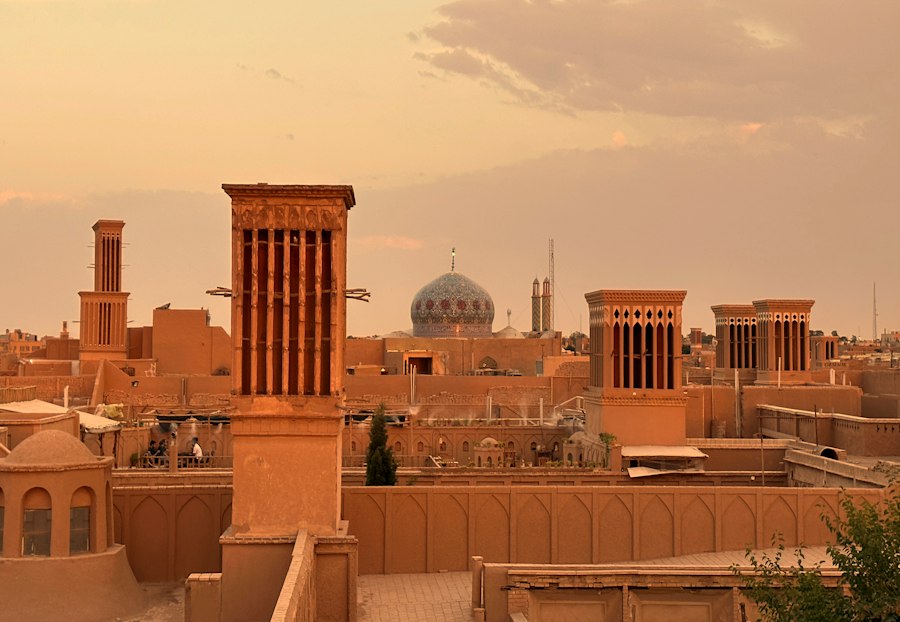
The vastness of the desert presented a significant navigational challenge. Without clear landmarks, travelers could easily become lost, facing a slow and agonizing demise. The ancient Persians developed sophisticated methods for charting their course and ensuring their safe passage.
The Celestial Compass: The Stars as Guides
The clear desert nights offered an unparalleled view of the night sky, and the ancient Persians were astute astronomers. They used the predictable movements of celestial bodies, particularly the pole star (Polaris) and other constellations, as reliable navigational aids. Understanding the stars allowed them to maintain a consistent direction of travel, even when no terrestrial landmarks were visible. This knowledge was likely passed down orally and through practical demonstration, forming a crucial part of a desert traveler’s training.
Reading the Whispers of the Land: Subtle Landmarks and Signs
While the desert may seem featureless, experienced travelers could read its subtle cues. They learned to identify distinctive rock formations, changes in vegetation patterns that indicated proximity to water, and even the direction of prevailing winds. Animal tracks, though ephemeral, could provide information about recent passage and potential water sources. The trained eye could discern a wealth of information from what others would overlook.
The Power of the Caravan: Collective Strength in Numbers
Traveling alone in the desert was perilous. The ancient Persians relied heavily on the caravan system. Caravans offered safety in numbers, providing mutual support, shared resources, and a collective intelligence for navigation. Experienced guides led these caravans, their knowledge of routes, water sources, and potential dangers invaluable. The social structure of a caravan also ensured that individuals looked out for one another, fostering a strong sense of community crucial for enduring the harshness of the journey.
Ancient Persian desert survival techniques have long fascinated historians and archaeologists, showcasing the ingenuity of early civilizations in harsh environments. These techniques included methods for locating water sources, building shelters, and utilizing local flora and fauna for sustenance. For those interested in exploring more about survival strategies in extreme conditions, a related article discusses geological evidence that sheds light on ancient ecosystems and their adaptations. You can read more about it in this fascinating piece that highlights how ancient peoples thrived in challenging landscapes.
Sustenance in the Barren Lands: Desert Agriculture and Diet
| Technique | Description | Materials Used | Purpose | Effectiveness |
|---|---|---|---|---|
| Water Conservation | Collecting dew and condensation during early mornings | Cloth, shallow containers | To gather drinking water in arid conditions | High in early mornings, low during day |
| Underground Shelters | Building sunken homes or shelters to avoid heat | Clay, mud bricks, stone | Protection from extreme daytime temperatures | Very effective in temperature regulation |
| Clothing Adaptations | Wearing loose, light-colored garments | Lightweight cotton or linen fabrics | To reflect sunlight and allow airflow | Moderate to high effectiveness |
| Plant Utilization | Using desert plants for food and moisture | Cacti, wild herbs, roots | Nutrition and hydration | Variable depending on plant availability |
| Travel Timing | Moving during cooler parts of the day (dawn/dusk) | None | Reduce water loss and heat exposure | Highly effective |
The ability to cultivate food and maintain a nutritional diet in the desert was a remarkable achievement. The ancient Persians employed clever agricultural techniques and dietary strategies to thrive, demonstrating that even arid lands could yield sustenance.
The Art of Xeriscaping: Water-Wise Cultivation
Given the scarcity of water, ancient Persian agriculture was inherently water-wise. They focused on cultivating drought-resistant crops like dates, figs, pomegranates, and certain grains that could withstand arid conditions. These crops were often grown in areas with access to qanat water or near natural springs. Techniques like terracing slopes to retain moisture and planting in depressions where water might collect were also employed.
The Date Palm: A Desert Lifeline
The date palm was an iconic and indispensable plant in the ancient Persian desert. It was remarkably well-adapted to arid conditions, with deep root systems that could access subsurface water and a tolerance for high temperatures. Dates provided a readily available source of calories, sugars, and essential nutrients. The palm also offered shade and its fronds could be used for construction and crafts, making it a multifaceted resource.
Preserving the Harvest: Food Storage and Longevity
With harvests often being seasonal and unpredictable, effective food preservation was vital. The ancient Persians developed methods for drying and storing grains, dates, and other foodstuffs. Sun-drying was a common practice, utilizing the desert’s heat to remove moisture and prevent spoilage. Sealed storage containers, often made of clay, helped to protect food from pests and further dehydration. This ability to preserve food allowed communities to survive through leaner periods and provided a buffer against unforeseen environmental challenges.
The survival techniques of the ancient Persians in their vast desert landscapes are a testament to human ingenuity, deep ecological understanding, and an unwavering respect for the natural world. From the architectural marvels of their qanats to the subtle art of reading the desert’s signs, their methods speak of a profound connection to their environment and a remarkable capacity for adaptation. These time-tested techniques, born from necessity, offer invaluable lessons not only about surviving the arid extremes but also about the enduring power of human resilience and the wisdom that can be found in harmonious coexistence with nature. Their legacy continues to echo in the whispers of the wind across the sands, a reminder of the enduring strength of those who learned to thrive where others could only perish.

How Ancient Cities Stayed Cool Without Air Conditioning
FAQs
What are some ancient Persian desert survival techniques?
Some ancient Persian desert survival techniques include finding shade during the hottest parts of the day, wearing loose and light-colored clothing, and conserving water by limiting physical activity.
How did ancient Persians find water in the desert?
Ancient Persians found water in the desert by digging wells, collecting dew from plants, and locating natural springs or oases. They also used animal bladders or skins to store water for later use.
What types of food did ancient Persians eat in the desert?
Ancient Persians in the desert ate foods that were easy to carry and did not spoil quickly, such as dried fruits, nuts, and grains. They also hunted small animals like lizards and birds for protein.
How did ancient Persians protect themselves from desert predators?
Ancient Persians protected themselves from desert predators by building campfires at night to ward off wild animals, using spears or bows and arrows for defense, and sleeping in elevated areas to avoid snakes and scorpions.
What tools did ancient Persians use for desert survival?
Ancient Persians used tools such as knives for cutting plants and skinning animals, ropes for building shelters, and clay pots for storing water. They also utilized camel caravans for transportation and trade in the desert.