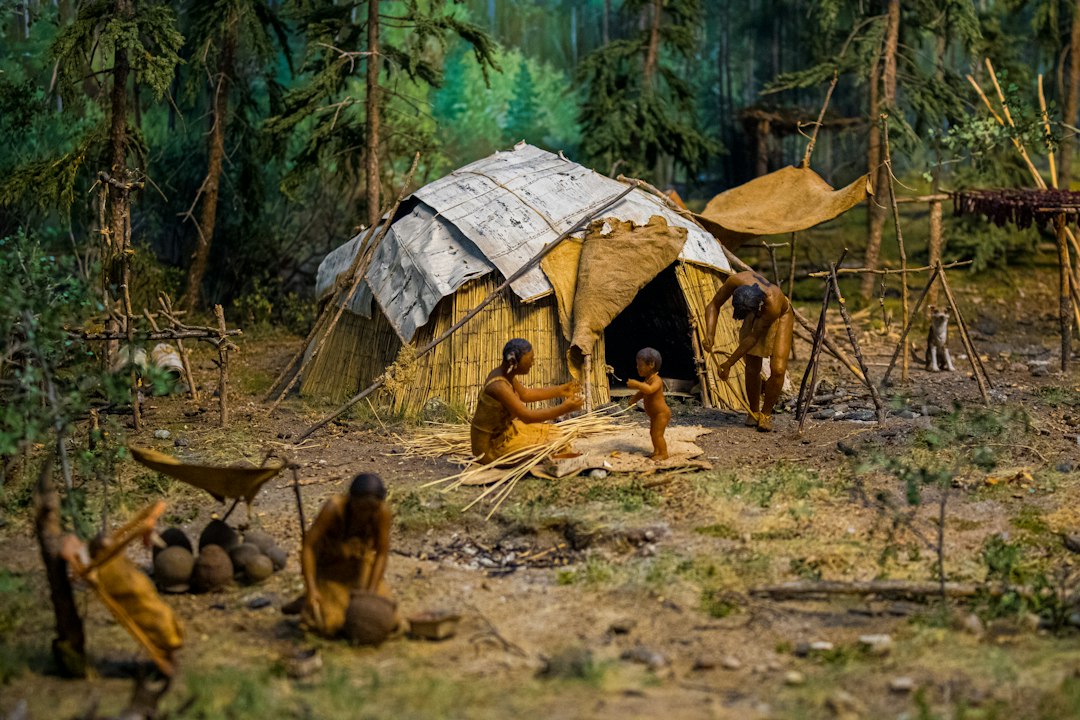
The vast savanna, bathed in the nascent glow of a prehistoric dawn, was a canvas of brutal beauty. It was here, amidst the rustling grasses and the distant calls of unseen predators, that early humans embarked on their arduous journey of survival. This was a world unburdened by the comforts of civilization, a raw and unforgiving arena where every sunrise was a victory and every sunset a perilous gamble. Their existence was a constant, precarious dance with death, a testament to an indomitable spirit that etched the very foundations of humanity. To comprehend their struggle is to understand the crucible that forged our species, a tale woven from hunger, fear, and an unyielding will to endure.
The Constant Shadow of Hunger
The specter of starvation loomed large over the lives of early humans. Their sustenance was a fragile inheritance, wholly dependent on the unpredictable bounty of their environment. The dawn brought not just light but also the gnawing emptiness in their bellies, a constant prompt to embark on the day’s perilous hunt or forage. This was a life lived on the precipice of scarcity, where a successful hunt could mean survival for days, while a failed one could spell doom.
The Elusive Prey
The savanna teemed with life, but much of it was swift, powerful, and formidable. Large herbivores like wildebeest and zebras were prized for their meat, fat, and hides, but their speed and herd instincts made them incredibly difficult to bring down with the rudimentary tools available to early humans. The hunt was a coordinated, often desperate, effort, requiring immense patience, cunning, and physical prowess.
The hunters, often small bands of males, would track their prey for hours, sometimes days, across vast distances. They relied on a deep understanding of animal behavior, their migratory patterns, and their vulnerabilities. Spears tipped with sharpened stone or bone were their primary weapons, thrown with all the force their bodies could muster. The goal was to incapacitate or kill, a single missed throw or a poorly aimed strike could send the animal fleeing, the hunters left with nothing but exhaustion and disappointment. Even when successful, the process was fraught with danger. A wounded animal, especially a large one, could turn on its attackers with ferocity, inflicting serious injury or death. The kill itself was a messy, brutal affair, demanding courage and resilience in the face of blood and gore.
The Scavenger’s Gamble
When direct hunting proved too dangerous or unfruitful, early humans often turned to scavenging. This was a dangerous but sometimes necessary supplement to their diet. The kills of larger predators, such as lions and hyenas, presented an opportunity. However, arriving at a fresh carcass meant confronting the original hunters, a high-stakes gamble that could result in injury or death.
Scavenging required an acute sense of smell to locate carcasses and a keen understanding of predator territories. It also demanded speed and agility to snatch what they could before the carrion eaters arrived in full force. Often, they would arrive after the predators had taken their fill, leaving them with scraps and bones. Yet, even these meager offerings provided vital calories and nutrients. The success of scavenging was not just about finding food, but also about survival in the face of other predators who viewed any intruder as a threat. They had to be constantly vigilant, their senses on high alert for both the remains of a meal and the potential for becoming a meal themselves.
The Forager’s Bounty and Burden
While hunting captured the imagination, foraging for plant-based foods was an equally critical, and often safer, component of the early human diet. Roots, tubers, berries, nuts, seeds, and edible leaves provided essential carbohydrates, vitamins, and minerals. This was a more consistent source of sustenance than hunting, but it still demanded extensive knowledge of the local flora.
Women and children were often the primary foragers, their smaller stature and perceived lower threat level allowing them to move through the landscape with less risk. They possessed an intimate understanding of which plants were edible and which were poisonous, knowledge passed down through generations. They knew when certain fruits ripened, where to find the most nutritious roots, and how to process certain seeds to make them digestible. The act of foraging was a meticulous and time-consuming endeavor. It involved digging for roots with sharpened sticks, painstakingly collecting small berries, and cracking hard-shelled nuts with stones. The bounty of the foraging world was not always abundant, and some seasons could be lean, forcing them to travel further and work harder to find enough to sustain their families. The constant search for food meant a nomadic existence, following the seasonal availability of plants across the savanna.
In exploring the survival dramas of early human history, one can draw parallels to the contemporary challenges faced by communities in Sub-Saharan Africa. The article titled “Sub-Saharan Africa Crisis: The Urgent Need for Action” delves into the pressing issues that threaten the livelihoods of millions, reminiscent of the struggles faced by our ancestors in their quest for survival. For a deeper understanding of these modern challenges and their historical context, you can read the article here: Sub-Saharan Africa Crisis: The Urgent Need for Action.
The Ever-Present Threat of Predators
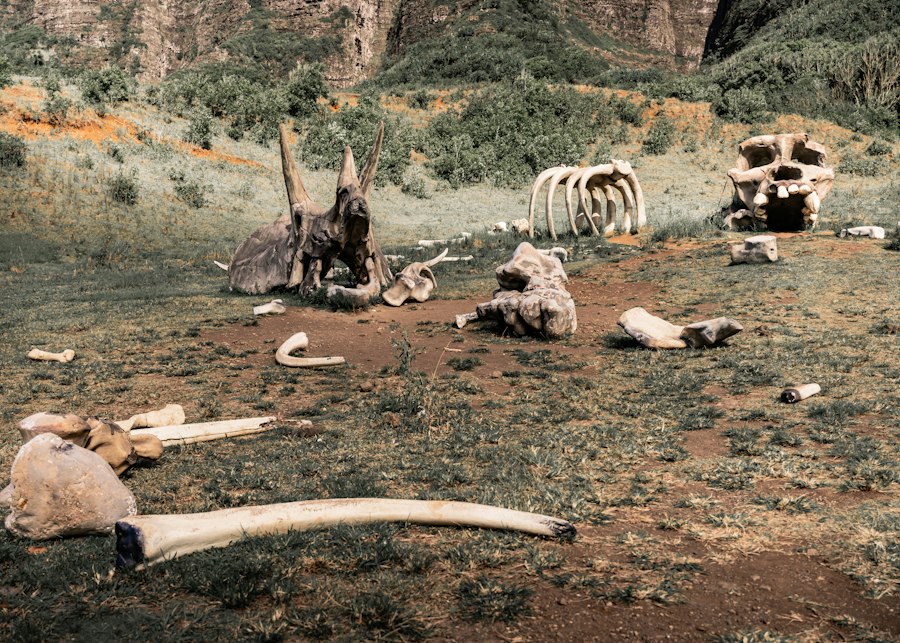
The savanna was a complex ecosystem where early humans were not at the apex of the food chain. They were, in fact, prey for a host of formidable carnivores. The constant threat of predation shaped their behavior, their social structures, and their very survival strategies. Every rustle in the grass, every shadow cast by the setting sun, could signal an imminent danger.
The Stealthy Stalkers
Predators like lions, leopards, and cheetahs were the masters of the savanna, their speed, strength, and camouflage making them deadly hunters. Early humans were acutely aware of their presence and learned to read the signs of their passage – tracks in the dust, alarm calls of prey animals, the chilling roars that echoed through the night.
Encounters with these powerful carnivores were moments of sheer terror. Survival often depended on quick thinking and group cohesion. Being caught alone in the open was a death sentence. They learned to avoid open spaces at night and to travel in groups, the increased numbers providing a deterrent and a greater chance of spotting danger. They developed a keen awareness of their surroundings, their senses constantly scanning for movement, their ears attuned to the slightest sound that deviated from the norm. The scent of a predator was a primal alarm, sending chills down their spines and prompting immediate retreat or defense.
The Pack Mentality: Safety in Numbers
The vulnerability of early humans fostered a strong sense of community and cooperation. They understood that their chances of survival were significantly enhanced by moving and living in groups. This pack mentality was a crucial evolutionary advantage.
Larger groups offered a greater collective defense against predators. More eyes could spot danger, more voices could create a formidable deterrent, and more individuals could participate in defense if an attack occurred. Sleeping in a communal den or encampment provided a degree of security, with individuals taking turns on watch. This shared responsibility for safety fostered strong social bonds and a deep reliance on one another. The threat of predation was a constant, unifying force, driving them to protect each other and to foster a sense of belonging within their small, mobile communities. This shared vulnerability forged the bedrock of their social organization.
The Art of Evasion and Defense
While direct confrontation with large predators was usually a last resort, early humans developed sophisticated strategies for evasion and defense. Their knowledge of the terrain, their agility, and their rudimentary tools became vital assets.
They learned to utilize the environment to their advantage, seeking refuge in trees, caves, or dense thickets when pursued. Their ability to climb, though perhaps not as adept as some primates, provided a temporary escape from ground-dwelling predators. When evasion was not possible, they would use their spears and clubs to ward off attackers, often by making themselves appear larger and more threatening. The strategic use of fire, a significant technological advancement, also played a crucial role in defense. Fires kept predators at bay, providing a protective barrier around their encampments, and the flickering light offered a psychological advantage against the darkness and the unseen threats within it. The ability to control fire was a monumental leap forward, transforming their relationship with the night and its dangers.
The Environmental Gauntlet: Weather and Disease

The natural world, while providing sustenance, also presented a relentless barrage of challenges beyond predation. Harsh weather patterns and the pervasive threat of disease tested their resilience and often proved as deadly as any predator.
The Fury of the Elements
The savanna’s climate was characterized by extreme fluctuations. Scorching sun, torrential rains, and bone-chilling winds were daily realities. Early humans had to contend with these elements without the protection of modern shelter.
During the dry season, the sun beat down relentlessly, leading to dehydration and heatstroke. They had to find shade, conserve energy, and seek out scarce water sources. The wet season brought its own set of dangers: flash floods, sweltering humidity, and the proliferation of disease-carrying insects. Their shelters, often simple lean-tos or natural rock overhangs, offered limited protection from the downpours, leaving them exposed to the elements. The constant struggle against the weather demanded adaptation. They learned to predict weather patterns, to seek out natural shelters, and to create rudimentary coverings from animal hides and plant materials. The ability to endure these extreme conditions was a testament to their physical hardiness and their resourcefulness.
The Invisible Enemies: Illness and Injury
Disease and injury were constant companions in the lives of early humans. Without the benefit of modern medicine, even minor ailments could become life-threatening. Infections, wounds, and chronic illnesses took a heavy toll.
Cuts and scrapes from thorns, sharp rocks, or animal encounters could easily become infected, leading to sepsis. Diarrhea and other gastrointestinal illnesses, often caused by contaminated water or food, were widespread and debilitating. Parasitic infections were also common, weakening individuals and making them more susceptible to other diseases. The lack of understanding about hygiene and disease transmission meant that infections could spread rapidly within a group. Injuries sustained during hunts or fights could cripple individuals, rendering them unable to contribute to the group’s survival and often leading to their demise. The harshness of their existence meant that the weak and the infirm were at a constant disadvantage, their lifespan often dictated by the unforgiving nature of their environment and the limitations of their own biology.
The Seeds of Innovation: Tools and Fire
Despite the overwhelming challenges, early humans possessed a remarkable capacity for innovation. Their ability to fashion tools and harness the power of fire marked pivotal turning points in their struggle for existence, transforming them from mere survivors into active shapers of their destiny.
The Extension of the Hand: Lithic Technology
The development of stone tools, known as lithic technology, was a profound leap forward. These simple yet ingenious implements significantly increased their efficiency in obtaining food, processing materials, and defending themselves.
The earliest tools were likely simple choppers and scrapers, made by striking one stone against another to create a sharp edge. Over time, these technologies evolved, leading to the production of more sophisticated handaxes, points, and blades. These tools allowed them to butcher carcasses more effectively, to scrape hides for clothing and shelter, to dig for roots, and to craft other implements. The process of toolmaking itself required significant cognitive ability – foresight, planning, and the understanding of material properties. Each sharp flake struck from a core was a testament to their growing mastery of the physical world. The evolution of their stone toolkits mirrors the evolution of their own ingenuity, a tangible record of their increasing ability to manipulate their environment.
The Taming of the Flame: A Revolution in Survival
The mastery of fire was arguably the most significant technological advancement of early humans. Fire provided warmth, protection, and the ability to cook food, fundamentally altering their way of life.
The discovery of how to create and control fire was a gradual process, likely beginning with the opportunistic use of naturally occurring fires. Over time, they learned to nurture embers and eventually to intentionally generate flames through friction. Fire provided a vital defense against predators, its light and heat deterring nocturnal threats. It offered warmth during cold nights and in cooler climates, allowing them to expand their territories. Perhaps most importantly, fire revolutionized their diet. Cooking food made it more digestible, unlocking essential nutrients and reducing the risk of foodborne illnesses. It also made tough meats tender and edible, expanding their dietary options. The hearth became the center of the early human community, a symbol of safety, warmth, and social cohesion.
In exploring the survival dramas of early human history, one cannot overlook the impact of lost technologies on our ancestors’ ability to thrive in harsh environments. The article on ancient innovations discusses how these forgotten advancements may have played a crucial role in shaping human resilience and adaptability. For a deeper understanding of this fascinating topic, you can read more about it in this insightful piece on lost ancient technology.
The Dawn of Consciousness: Social Bonds and Cognitive Growth
| Metric | Description | Estimated Value | Significance in Early Human Survival Drama |
|---|---|---|---|
| Average Lifespan | Typical age reached by early humans | 30-40 years | Reflects harsh living conditions and survival challenges |
| Hunting Success Rate | Percentage of successful hunts | 20-30% | Determines food availability and group survival |
| Group Size | Average number of individuals in a band or tribe | 20-50 people | Impacts social dynamics and resource sharing |
| Fire Control | Approximate time when fire was mastered | ~1 million years ago | Crucial for warmth, cooking, and protection |
| Tool Use | Emergence of stone tools | ~2.6 million years ago | Enhanced hunting and survival capabilities |
| Migration Events | Major dispersals out of Africa | ~60,000 years ago | Expansion into new environments and survival challenges |
| Diet Composition | Proportion of meat vs. plant intake | ~30-50% meat | Influences nutrition and energy for survival |
Beyond the physical and technological adaptations, the crucible of survival also fostered the development of crucial cognitive and social traits. The harsh realities of their existence spurred the growth of language, cooperation, and the very foundations of human consciousness.
The Threads of Connection: Communication and Cooperation
The need for coordinated action in hunting, defense, and resource sharing necessitated the development of more complex communication. While the precise origins of language are unknown, it is undeniable that early humans possessed the ability to convey information, intentions, and emotions to one another.
Gestures, vocalizations, and eventually a rudimentary spoken language allowed for the planning of hunts, the warning of danger, and the sharing of knowledge. This increased capacity for communication fostered stronger social bonds and enabled more effective cooperation within groups. The success of a hunt, the defense of the group, or the finding of a new food source were all amplified by the ability to share information and work together. This collaborative spirit was not merely about survival; it was about building a shared understanding of the world and their place within it, laying the groundwork for the complex social structures that would define humanity.
The Spark of Understanding: Early Cognition and Culture
The constant challenges of survival demanded problem-solving skills, memory, and the ability to learn from experience. These cognitive pressures likely accelerated the development of early human brains.
The ability to remember hunting grounds, to recognize edible plants, to understand the behavior of predators, and to pass on knowledge to offspring all required sophisticated cognitive abilities. The creation of tools and the mastery of fire are tangible evidence of their capacity for abstract thought and planning. Furthermore, the development of shared rituals, early forms of art (such as cave paintings), and the transmission of stories and myths suggest the emergence of a nascent culture. These cultural elements provided a sense of identity, meaning, and continuity, helping early humans to navigate the complexities of their existence and to imbue their harsh lives with a sense of purpose beyond mere survival. The dawn of their consciousness was not a singular event but a gradual unfolding, a testament to the relentless drive of a species learning to not just exist, but to truly understand and shape their world.