The biting wind howled, a constant, chilling companion that whipped across the vast, frozen tundra. For our ancient hunter, a man named Kael, this was simply the backdrop to existence. The Pleistocene, an epoch of extreme cold and dramatic landscapes, was his home, and survival was an intricate dance with nature’s unforgiving rhythms. His day, like that of his kin, was a testament to resilience, ingenuity, and an intimate knowledge of the world around him.
The Dawn of Survival: Awakenings and Preparations
The first hint of dawn was not a gentle blush of color, but a subtle lessening of the oppressive darkness. Kael stirred from his deep slumber, the coarse furs of his sleeping pallet offering scant protection against the ambient chill that permeated their cave dwelling. The scent of woodsmoke, a precious commodity, still hung faintly in the air, a reminder of the fire that had been carefully banked overnight. His muscles ached, a perpetual thrum of exertion from the previous day’s hunt and the constant demands of their harsh environment.
Gathering the Clan: The Morning Huddle
Slowly, other figures began to emerge from their own resting places. The cave, a communal space carved into the rock face, was gradually filled with the quiet rustling of movement. Children, their small faces already etched with a seriousness far beyond their years, huddled closer to their mothers, seeking warmth and reassurance. The elders, their bodies stooped with age and the burdens of countless winters, observed the nascent stirrings with rheumy eyes. There was no need for loud pronouncements or lengthy discussions. A shared glance, a subtle gesture, was enough to communicate the pressing needs of the day. A quick check of their meager stores of dried meat and berries, a glance at the sky for any signs of changing weather, and the silent agreement was reached: the hunt must go on. The survival of the clan depended on it.
Arming for the Chase: Tools of the Trade
Kael’s hands, gnarled and calloused, moved with practiced efficiency as he inspected his tools. His spear, its fire-hardened tip honed to a wicked point, was his primary weapon, an extension of his own strength and will. Beside it lay a smaller, more versatile flint knife, its edges sharpened to razor keenness, perfect for skinning, butchering, and crafting. He re-tied the sinew bindings of his throwing stick, ensuring its perfect balance for maximum accuracy and impact. His clothing, a layered ensemble of animal hides – mammoth, reindeer, and wolf – was meticulously maintained, each piece a testament to the successful hunts of seasons past. He donned a thick wolfskin cloak, its fur facing inward for warmth, and a cap fashioned from fox fur to protect his ears. The weight of his tools, the familiar feel of the hides against his skin, provided a sense of readiness, a silent promise to himself and his people.
In exploring the fascinating world of the Ice Age, a related article that delves into the complexities of human decision-making during this period can be found at this link. This piece highlights how early humans navigated their environment, made crucial choices for survival, and adapted to the challenges posed by climate and competition. The dramatized reconstructions of daily life during the Ice Age provide a vivid backdrop for understanding these pivotal moments in human history.
The Tundra’s Embrace: Tracking the Prey
The world outside the cave was a stark, monochromatic expanse of white and grey. Snowdrifts, sculpted by the relentless wind, rose like sculpted mountains, obscuring the familiar landmarks. The air was thin and frigid, each breath a sharp intake of ice crystals. Kael, along with a small contingent of the clan’s most skilled hunters, emerged from their sanctuary, their senses immediately heightened, attuned to the subtle whispers of the frozen landscape.
Reading the Signs: Footprints in the Snow
The primary task of the morning was to locate their quarry. This was not a matter of luck or chance; it was a skill honed over generations, a profound understanding of the behavior of the animals that shared their world. Kael’s eyes scanned the snow-covered ground, searching for the tell-tale signs: the unique imprint of a mammoth’s foot, the delicate tracery of reindeer tracks, the tell-tale scatter of dung. He moved with a low, deliberate gait, his gaze sweeping across the terrain, looking for any disturbance in the otherwise uniform surface. A displaced pebble, a snapped twig beneath the snow, a faint scuff mark – each was a clue, a piece of a puzzle that would lead them closer to their objective. His companions, equally adept, fanned out, creating a wide net of observation, communicating through hand signals and hushed calls.
The Hunt’s Strategy: Patience and Precision
The choice of prey was dictated by the season and the needs of the clan. Mammoths, their massive size a promise of abundant meat and hides, were the ultimate prize, but their hunting was fraught with peril. Smaller herds of reindeer or agile ibex offered a more immediate, albeit less substantial, reward. Once a promising trail was discovered, the true work began. Patience became their greatest ally. They would track their prey for hours, even days, conserving their energy, waiting for the opportune moment. The goal was not to rush, but to outmaneuver, to exploit any weakness in the animal’s defenses. This often involved strategic flanking maneuvers, using the terrain to their advantage, and the silent communication between hunters to coordinate their movements. The wind, often an enemy, could also be an ally, masking their scent and muffling their sounds.
The Test of Strength: Confronting the Wild
The moment of confrontation was a primal dance of hunter and hunted, a clash of instinct and strategy. The tension in the air was palpable, a silent testament to the high stakes involved. The successful outcome of this encounter would mean sustenance for weeks, the warmth of hides for the coming cold, and the continuation of their lineage.
The Mammoth’s Might: A Dangerous Encounter
Should their quarry be a woolly mammoth, the hunt transformed into a calculated risk. A lone bull, or a small group, could be incredibly dangerous. The hunters would employ tactics designed to wear down the massive beast. They would use their spears with coordinated volleys, aiming for vulnerable areas like the legs and flanks, trying to hobble their prey. If possible, they would try to drive the mammoth towards a natural hazard – a steep incline, a frozen riverbed, or a dense thicket – where its movement could be restricted. The sheer power of the animal, its thundering hooves and tusks capable of inflicting grievous injury, demanded absolute discipline and unwavering courage. Retreat was always an option, a testament to their pragmatism, for a failed hunt was preferable to the loss of a valuable hunter.
Swift and Agile: The Reindeer or Ibex Pursuit
The pursuit of smaller prey, like reindeer or ibex, was a different kind of challenge, one that demanded speed, agility, and precise aim. These animals were quick and sure-footed, capable of disappearing into the snowy landscape with astonishing speed. The hunters would utilize their throwing sticks, launching them with tremendous force and accuracy to bring down their quarry from a distance. Sometimes, they would employ a strategy of relentless pursuit, using the terrain to their advantage, driving the animals into dead ends or towards a waiting hunter. The keenness of their senses was paramount, as a single misstep or lapse in concentration could mean the difference between a successful meal and an empty belly.
The Bounty of the Hunt: Processing and Preservation
The successful kill was not the end of the labor, but the beginning of another arduous, yet vital, phase. The raw meat, the precious hides, the bones and sinew – each element of the fallen animal was to be utilized, leaving nothing to waste. This was a sacred responsibility, a deep respect for the life that had been taken to sustain their own.
Butchering the Beast: Skill and Efficiency
Back at the cave, or in a sheltered location if the kill was made far from their dwelling, the process of butchering began. The flint knives, their edges still sharp, were put to the test. The hunters, their faces smeared with blood and sweat, worked with a practiced efficiency. The massive carcasses were systematically dismembered, the meat carefully separated from the bone. Every cut was precise, every movement economical. The women, equally skilled in this aspect of survival, played a crucial role, preparing the hides for tanning and processing the meat. The smell of fresh blood, a stark contrast to the sterile cold of the tundra, filled the air, a powerful reminder of their success.
Preserving for the Future: Drying and Storing
The challenge of the Ice Age was not just acquiring food, but ensuring its survival through the lean times. A significant portion of the meat was cut into thin strips and hung to dry, either by the warmth of the fire inside the cave or in the open air, exposed to the dehydrating winds. This process, carefully monitored, would transform the fresh meat into a preserved, nutrient-rich source of sustenance that could last for weeks, even months. The hides, after being scraped clean of any remaining flesh or fat, were treated with a primitive tanning process, often involving rubbing them with animal brains and then stretching them to dry. These processed hides would become the vital clothing, blankets, and shelter that protected them from the elements. Bones, too, were not discarded; they were cracked open to extract the nutrient-rich marrow, and later, fashioned into tools and implements.
In exploring the complexities of human survival during the Ice Age, one can gain valuable insights from a related article that discusses the challenges and opportunities faced by modern societies, particularly in Tuvalu. This piece highlights how daily choices, much like those made by our ancestors, can significantly impact our future. For a deeper understanding of how these themes intersect, you can read more about it in the article on Tuvalu’s future challenges and opportunities here.
The Fireside’s Glow: Community and Reflection
| Aspect | Description | Estimated Frequency | Impact on Survival |
|---|---|---|---|
| Food Gathering | Collecting edible plants, roots, and small animals | Daily | High – Essential for energy and nutrition |
| Hunting Large Game | Cooperative hunting of mammoths, bison, and reindeer | Weekly to Monthly | Very High – Provided large amounts of meat and materials |
| Tool Making | Crafting stone tools and weapons for hunting and processing | Regularly, as needed | High – Improved efficiency and survival chances |
| Shelter Construction | Building shelters from bones, hides, and wood | Seasonally or when relocating | High – Protection from harsh weather |
| Fire Management | Maintaining and using fire for warmth and cooking | Daily | Critical – Essential for survival in cold climates |
| Social Interaction | Sharing resources, storytelling, and planning | Daily | Moderate – Strengthened group cohesion and knowledge transfer |
| Clothing Production | Making garments from animal hides and furs | Seasonally or as needed | High – Protection against cold temperatures |
As the frigid night descended, enveloping the tundra in a blanket of darkness, the sounds of the hunt receded, replaced by the comforting crackle of the fire. The cave, once a place of rest, now transformed into the heart of the community, a beacon of warmth and shared experience. The day’s exertions, though still felt in weary muscles, were momentarily put aside as the clan gathered.
Sharing the Day’s Bounty: A Communal Meal
The scent of roasted meat, mingling with the smoky aroma of the fire, filled the cave, a testament to the day’s success. The hunters, their faces illuminated by the flickering flames, shared stories of the chase, their voices low and often punctuated by laughter or nods of acknowledgment from their listeners. The children, their hunger satisfied, curled closer to their mothers, their small hands clutching pieces of dried meat. The elders, their faces etched with the wisdom of countless such evenings, offered quiet commentary, their words carrying the weight of experience. This shared meal was more than just sustenance; it was a ritual, a reinforcement of their bonds, a celebration of their collective ability to survive.
The Long Night’s Watch: Stories and Dreams
As the fire died down to embers, casting long, dancing shadows on the cave walls, the conversations gradually subsided. Sleep, a deep and restorative balm, began to claim the weary hunters. Yet, even in slumber, the minds of these ancient people were alive with the echoes of their day. They dreamed of the charging mammoth, the swift reindeer, the endless expanse of the tundra. They dreamed of the fire, the warmth of their kin, and the promise of another dawn, another day of survival, in the unforgiving, yet profoundly beautiful, world of the Ice Age. Their existence was a constant, unwavering testament to the enduring spirit of humanity, a spirit forged in the crucible of the Pleistocene.
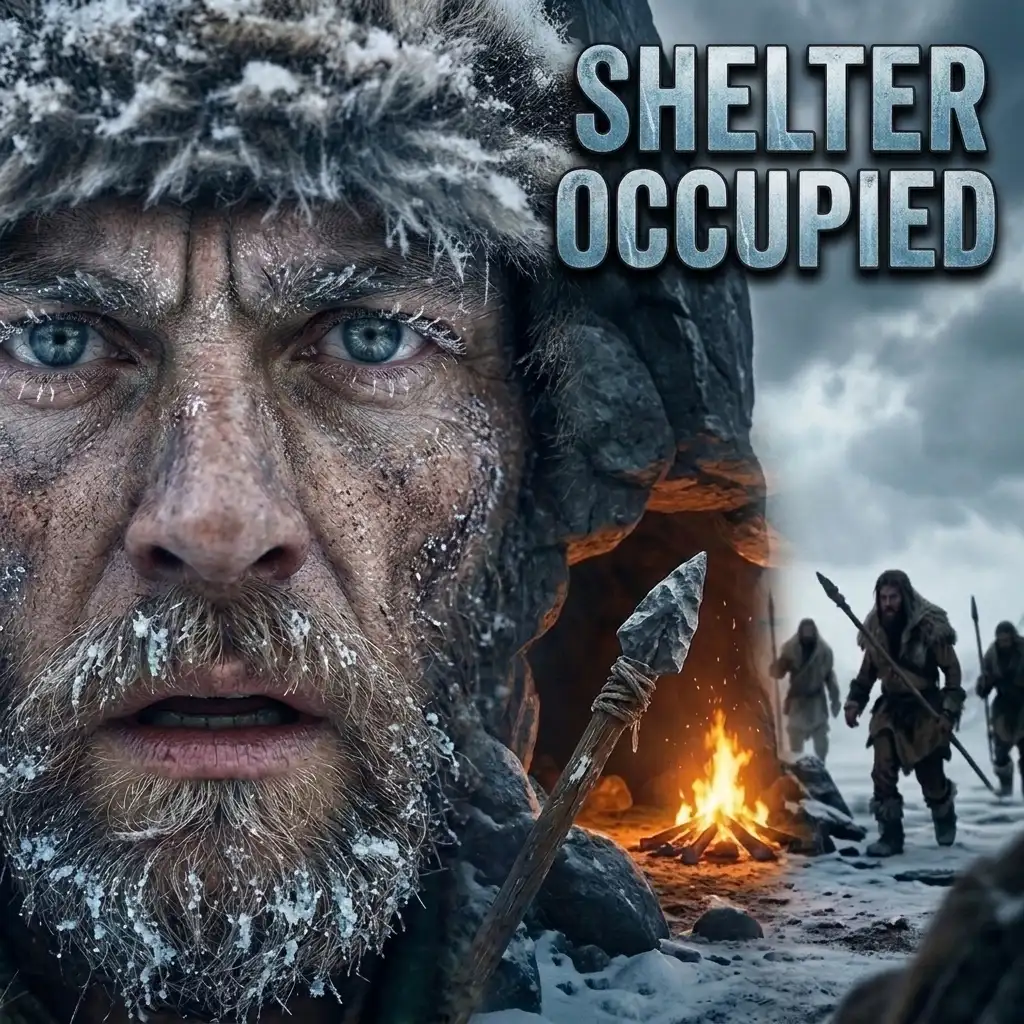
➡️Life 20,000 Years Ago | When Strangers Claim Your Winter Shelter 🚨
FAQs
What is a dramatized reconstruction of daily choices in the Ice Age?
A dramatized reconstruction of daily choices in the Ice Age is a creative representation that illustrates how prehistoric humans made decisions regarding survival, resource management, and social interactions during that period. This can include reenactments of hunting, gathering, shelter building, and community dynamics, often based on archaeological findings and anthropological research.
What types of daily choices are typically highlighted in these reconstructions?
These reconstructions often highlight choices related to food acquisition (such as hunting strategies and foraging), shelter selection, tool-making, social organization, and conflict resolution. They may also explore decisions influenced by environmental factors, such as climate changes and animal migrations.
How do researchers gather information for these reconstructions?
Researchers gather information for these reconstructions through a combination of archaeological evidence, such as tools and remnants of food, as well as studies of contemporary hunter-gatherer societies. They also analyze climate data and geological records to understand the environmental context of the Ice Age.
What is the purpose of creating dramatized reconstructions?
The purpose of creating dramatized reconstructions is to educate the public about prehistoric life, enhance understanding of human evolution, and foster appreciation for the complexities of early human societies. These reconstructions can also serve as a tool for engaging audiences in discussions about survival, adaptation, and cultural development.
Are there any notable examples of dramatized reconstructions of Ice Age life?
Yes, notable examples include documentaries and films that depict Ice Age life, such as “The Last of the Ice Age” and various episodes of educational series like “Walking with Prehistoric Beasts.” Additionally, museums often feature interactive exhibits that allow visitors to experience aspects of Ice Age life through dramatized scenarios.