The Endless White: A World of Ice
“Surviving the Ice Age: A Prehistoric Human Survival Documentary” plunges viewers headfirst into a world utterly alien, a frozen expanse where humanity’s ancestors clung precariously to existence. The documentary masterfully reconstructs the brutal realities of life during the Pleistocene epoch, an era defined by vast glaciers and punishingly low temperatures. Through meticulous CGI, expert interviews, and compelling narrative, it paints a vivid picture of the challenges faced by early Homo sapiens and their hominin relatives as they navigated an environment that offered little in the way of comfort or predictability. The sheer scale of the ice sheets, stretching across continents and reshaping landscapes, is a constant, imposing presence. Audiences are made acutely aware of the immense geological forces at play, forces that dictated every aspect of prehistoric life. The film’s opening sequences, showcasing towering walls of ice and desolate, windswept tundras, immediately establish the raw, unforgiving nature of this era. It is a world of extremes, where survival was not a given but a daily, hard-won victory. The documentary doesn’t shy away from the sheer physical demands placed upon these early humans. From the constant need for shelter to the relentless pursuit of food, every action was geared towards enduring the cold and the scarcity it imposed.
The Genesis of Resilience
The narrative of “Surviving the Ice Age” begins not with a bang, but with a slow, persistent pressure. It explores the evolutionary adaptations that allowed humans to even contemplate life in such a hostile climate. The development of bipedalism, while offering advantages in the savanna, presented new challenges in icy terrains. The film highlights the ingenuity born of necessity, focusing on the nascent stages of tool use and its crucial role in survival. Early stone tools, painstakingly crafted, become extensions of the human hand, enabling hunting, processing of hides, and the shaping of wood. The documentary emphasizes that these were not sophisticated implements by modern standards, but they represented a significant leap in our ancestors’ ability to interact with and manipulate their environment. The growth of the brain, a hallmark of hominin evolution, is presented as intrinsically linked to the demands of this era. Complex problem-solving, memory recall for tracking game, and the ability to learn and transmit knowledge became paramount. The film posits that the Ice Age itself may have been a powerful selective pressure, favoring those individuals and groups who possessed the greatest capacity for innovation and cooperation. The very fabric of human evolution is shown to be interwoven with the challenges of a frozen planet.
Migrating with the Mammoths
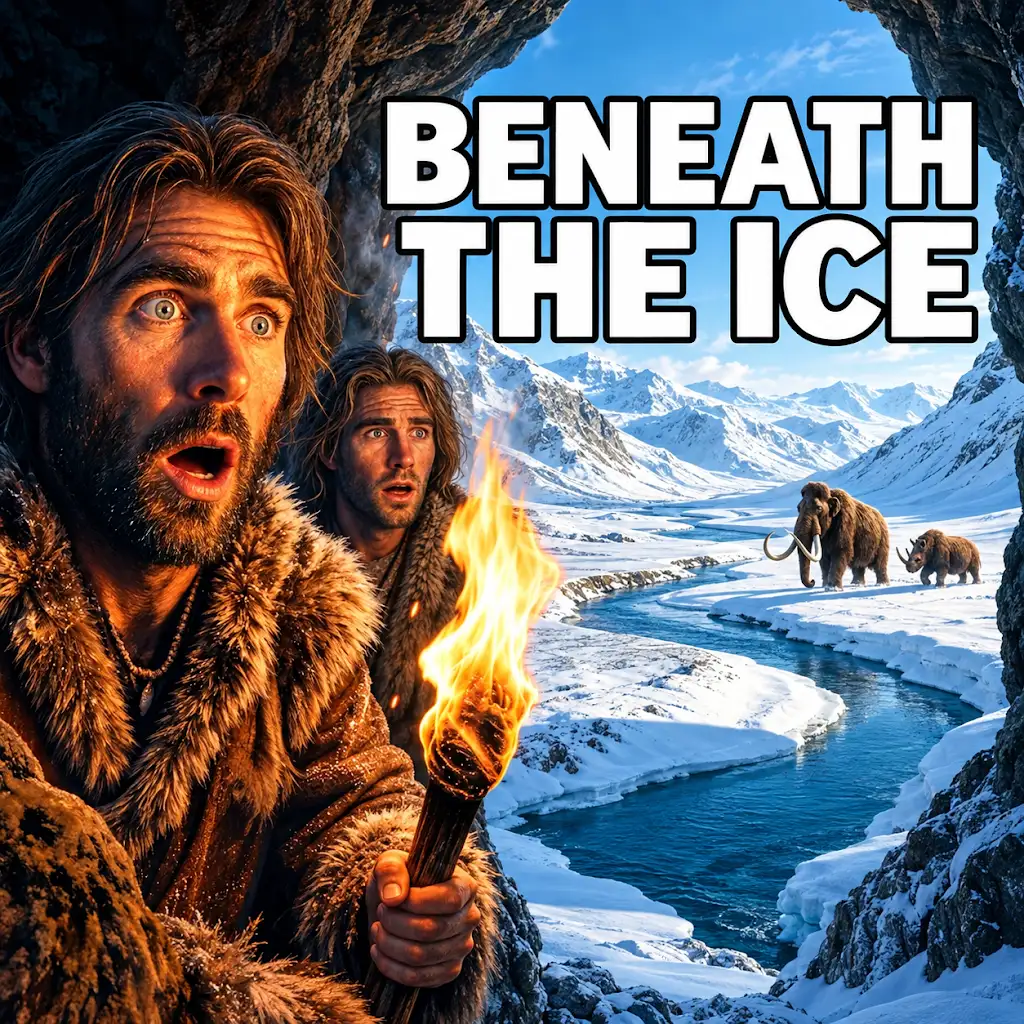
One of the most compelling aspects of “Surviving the Ice Age” is its exploration of human migration patterns. The documentary posits that vast herds of megafauna, particularly mammoths, acted as nomadic signposts, guiding human movements across continents. The availability of these colossal creatures meant a readily accessible source of meat, fat, and hides, essential for sustenance and warmth. The film visually reconstructs these epic journeys, showcasing small bands of humans following the ancient migratory routes of their prey. This wasn’t a planned, strategic endeavor in the modern sense, but a deep, instinctual response to ecological cues. The documentaries’ CGI sequences are particularly effective here, depicting the sheer scale of mammoth herds and the vast, often perilous landscapes they traversed. Viewers witness the challenges of crossing icy rivers, navigating treacherous mountain passes, and enduring blizzards that could bury entire encampments. The film suggests that this constant movement, while demanding, prevented overhunting of local resources and exposed early humans to diverse environments, further fostering adaptability. The interconnectedness of human survival with the fate of these magnificent creatures is a central theme, highlighting a delicate ecological balance that existed for millennia.
In exploring the complexities of prehistoric human survival, one can draw intriguing parallels to modern geopolitical dynamics, as discussed in the article “The Geopolitical Shift: US, Mexico, and China.” This piece delves into how historical patterns of migration and resource competition continue to shape current international relations, much like the survival strategies of early humans who adapted to their environments. For a deeper understanding of these connections, you can read the article here: The Geopolitical Shift: US, Mexico, and China.
Shelter from the Storm: Architectures of Survival

The documentary dedicates significant attention to the innovative dwelling strategies employed by prehistoric humans. In a world where natural shelters like caves were often scarce or occupied, the ability to construct protective habitats was a critical determinant of survival. “Surviving the Ice Age” showcases reconstructions of various temporary and semi-permanent structures, ranging from simple windbreaks fashioned from branches and hides to more elaborate dwellings. The film details the use of mammoth bones and tusks as structural supports for larger tents, a testament to the resourcefulness of these early peoples. Imagine a framework of colossal ribs, draped with thick animal hides, creating a surprisingly insulated and weather-resistant shelter. The documentary delves into the process of tanning hides, a labor-intensive but essential step in creating durable clothing and shelter materials that could withstand the biting winds and freezing temperatures. The construction of these shelters wasn’t solely about physical protection; it also provided a focal point for social cohesion. Within these warm, dimly lit spaces, stories were shared, knowledge was passed down, and bonds were strengthened, fostering a sense of community that was vital for collective survival.
The Hearth: A Beacon of Life
The invention and mastery of fire represent a monumental turning point in human history, and “Surviving the Ice Age” emphasizes its profound significance in this frozen epoch. The documentary explores the dual role of fire: as a source of warmth and as a tool. Fire allowed humans to extend their active hours, to cook food, making it more digestible and less prone to spoilage, and to deter predators. The film vividly illustrates the painstaking process of fire-making, highlighting the skill and knowledge required to ignite and maintain this precious resource. The warmth emanating from a carefully tended fire within a sheltered dwelling is presented as more than just physical comfort; it is a symbol of life, safety, and hope in a world dominated by cold and darkness. The documentary also touches upon the social implications of fire. The hearth became the center of prehistoric social life, a place where families and groups gathered to share meals, exchange information, and strengthen social bonds. The communal nature of tending the fire, with its inherent need for cooperation, likely played a role in the development of more complex social structures. The documentary suggests that the ability to control and utilize fire was not merely a technological advancement, but a fundamental shift in the human relationship with the natural world, enabling a level of dominance over the elements that was previously unimaginable.
Clothing the Body, Shielding the Soul
The development of effective clothing was another crucial adaptation for survival during the Ice Age. “Surviving the Ice Age” meticulously reconstructs the process of creating and wearing animal hides, transforming them into essential protective garments. The documentary highlights the meticulous skill involved in preparing hides, including scraping away flesh and fat, and then tanning them with animal brains or smoke to render them soft and pliable. This was not a casual undertaking; it required significant effort and knowledge passed down through generations. The film showcases various styles of prehistoric clothing, from simple tunics and leggings to more elaborate, fur-lined cloaks designed to trap heat. The careful stitching and arrangement of furs are depicted, emphasizing the understanding of thermal insulation. The documentary suggests that clothing served not only a physical purpose but also a symbolic one, indicating social status or group affiliation. Furthermore, the very act of creating and wearing these garments represented a triumph of human ingenuity over the harsh environment, a tangible assertion of control over the forces that threatened to overwhelm them. The documentary makes it clear that without these advancements in clothing technology, venturing out into the frigid outdoors would have been a suicidal endeavor, severely limiting the range and effectiveness of early human activity.
The Hunt for Sustenance: A Daily Battle

“Surviving the Ice Age” doesn’t shy away from the brutal realities of acquiring food. The documentary dedicates substantial screen time to the complex and often dangerous hunting strategies employed by prehistoric humans. The film emphasizes that this was not a matter of casual foraging; it was a meticulously planned and executed endeavor that demanded immense skill, coordination, and courage. The availability of game was directly tied to the prevailing environmental conditions. During the Ice Age, megafauna like mammoths, woolly rhinoceroses, and giant deer were staple food sources, but hunting them presented formidable challenges. The documentary meticulously reconstructs the techniques used, from the crafting of spears with sharpened stone points to the intricate methods of driving prey towards natural traps or cliff edges. The sheer power and size of these animals meant that a single misstep could be fatal. The film’s CGI sequences effectively convey the tension and adrenaline of these hunts, showcasing the coordinated efforts of hunting parties, their strategic flanking maneuvers, and the ultimate, often violent, conclusion. The documentary highlights the importance of knowledge about animal behavior, migratory patterns, and the terrain in which these hunts took place.
In exploring the fascinating world of prehistoric human survival, one can gain deeper insights by examining the evolution of consumer behavior in modern societies. A related article discusses how the Mexican consumer is on the rise, showcasing the adaptability and resourcefulness that echo the survival strategies of our ancestors. For more information, you can read about this intriguing topic here. Understanding these connections can provide a unique perspective on how survival instincts have shaped both ancient and contemporary cultures.
Cooperative Carnage: The Power of the Pack
A central theme within the hunting sections of “Surviving the Ice Age” is the critical role of cooperation. The documentary stresses that solitary hunting of large game was virtually impossible and incredibly risky. Instead, it depicts small, tightly-knit groups of humans working in unison. This required sophisticated communication, trust, and a shared understanding of roles and responsibilities. The film illustrates how different individuals might have been assigned specific tasks: some to distract the animal, others to flank it, and still others to deliver the killing blow. This reliance on collective action is presented as a cornerstone of human success during this period. The documentary suggests that the development of such cooperative hunting strategies may have fostered the evolution of more complex social structures and communication abilities. The shared success of a successful hunt, with its promise of sustenance for the entire group, would have reinforced the value of teamwork and mutual dependence. The documentary provides a compelling visual argument for how these early social bonds, forged in the crucible of survival, laid the groundwork for the development of human societies as we know them.
From Kill to Kitchen: Processing the Bounty
The documentary doesn’t end with the successful hunt; it moves on to the equally vital process of butchering and preparing the kill. “Surviving the Ice Age” emphasizes that every part of the animal was utilized, reflecting a deep respect for the life taken and an understanding of the resources it provided. The film details the skilled use of stone tools for skinning, dismembering, and cutting through tough hides and bone. It highlights the importance of accessing the nutrient-rich marrow within bones and the fatty tissues that provided essential calories. The documentary also explores the methods of preserving meat, such as drying or smoking, which allowed groups to stockpile food and survive periods of scarcity. The transformation of a raw carcass into sustenance, clothing, and tools is presented as a complex and multifaceted process, a testament to the comprehensive understanding these early humans had of their environment and its offerings. The film’s detailed reconstructions of these processing techniques underscore the sheer labor and expertise involved, further emphasizing the difficulty of prehistoric life.
The Edge of Existence: The Threats Endure
“Surviving the Ice Age” unflinchingly portrays the constant threats that loomed over prehistoric human life. The documentary emphasizes that survival was a precarious balance, always teetering on the brink of disaster. The extreme cold was a relentless adversary, capable of claiming lives through hypothermia and frostbite even within relatively protected environments. The scarcity of resources, particularly during prolonged glacial periods, meant that hunger was a constant specter, driving desperate measures and leading to conflict. The film explores the predatory landscape as well, showcasing the dangers posed by large carnivores such as cave bears, saber-toothed cats, and packs of wolves. These animals not only competed for food resources but also represented a direct threat to human life. The documentary suggests that the development of defensive strategies, such as utilizing fire to deter predators and establishing communal living spaces, were crucial for mitigating these risks. The inherent vulnerability of early humans in such a hostile environment is a recurring motif, underscoring the remarkable resilience and ingenuity that allowed them to persist.
Diseases and Disasters: The Unseen Killers
Beyond the immediate, tangible threats, “Surviving the Ice Age” also touches upon the less visible dangers. The documentary hints at the prevalence of disease and parasitic infections, particularly in close-knit communities with limited sanitation. While direct evidence for specific diseases from this period is scarce, the film infers the likely impact of such ailments on overall population health and survival rates. Furthermore, natural disasters, such as avalanches, floods, and extreme weather events, posed significant and often unpredictable threats. A sudden blizzard could isolate communities, leading to starvation, or a flash flood could wipe out encampments. The documentary posits that the nomadic lifestyles of many Ice Age populations were, in part, a strategy to avoid the constant risks associated with settling in one vulnerable location. The constant awareness of these potential catastrophes, both natural and biological, would have fostered a profound respect for the forces of nature and a deep-seated drive for preparedness and adaptation. The film concludes by reinforcing the idea that prehistoric humans lived in a state of perpetual vigilance, their lives a continuous dance with danger.
The Long Shadow of Uncertainty
The overarching message of “Surviving the Ice Age” is one of profound uncertainty. The documentary concludes by reflecting on the ephemeral nature of survival in this epoch. Unlike the relative stability afforded by more temperate climates, the Ice Age presented a world of constant flux. Glacial cycles waxed and waned, bringing periods of intense cold followed by brief thaws, each bringing its own set of challenges. The availability of resources could shift dramatically with these climatic changes, forcing rapid adaptation or migration. The documentary suggests that this constant state of flux may have shaped the very psychology of early humans, fostering a sense of impermanence and a deep understanding of the cyclical nature of life and death. The film leaves viewers with a profound appreciation for the sheer tenacity and adaptive capacity of our ancestors, who, against all odds, managed to not only survive but to thrive in an environment that would be utterly inhospitable to modern humans without our advanced technology. Their story is a testament to the enduring power of the human spirit.