The Whispers of Frozen Eras: Understanding Ancient Climate Shifts
The Earth’s history is punctuated by dramatic shifts in its climate, none so stark as the periods of glaciation, commonly known as Ice Ages. These eras, characterized by the extensive growth of ice sheets and glaciers, fundamentally reshaped landscapes and presented formidable challenges to nascent human communities. Understanding how early humans not only endured but thrived through these periods of profound environmental upheaval offers invaluable insights into human resilience, adaptability, and the intricate relationship between humanity and its environment. These weren’t mere periods of mild cold; they were epochs of radical environmental transformation, demanding fundamental re-evaluations of how to secure food, shelter, and social cohesion. The very fabric of existence was tested, pushing the boundaries of what was thought possible for survival. The study of these ancient challenges is not just an academic pursuit; it is a narrative of human ingenuity in the face of seemingly insurmountable odds.
The concept of an “Ice Age” itself is a relatively modern one, only gaining traction in the 19th century. Before that, the geological evidence of widespread glaciation was often attributed to biblical floods or other catastrophic events. However, as geologists and paleontologists unearthed more evidence – erratics, moraines, striated bedrock, and fossilized flora and fauna – a picture emerged of recurring cycles of frigid conditions spanning vast geological timescales. These cycles, driven by complex interactions between orbital mechanics, atmospheric composition, and tectonic activity, brought about dramatic changes in sea levels, vegetation zones, and animal migrations. For the early humans who were just beginning to spread across the globe, these shifts were not abstract scientific concepts; they were tangible realities that dictated their every move and decision. The survival of these ancient communities hinged on their ability to perceive and respond to these monumental environmental pressures.
Early communities faced significant challenges during the transition from the last ice age, particularly in navigating and adapting to their environments as ice sheets receded. One fascinating aspect of this period is how these groups utilized their knowledge of the land and resources to survive. For a deeper understanding of how ancient maps, like the Piri Reis map, provide insights into glacial history and the navigation strategies of early peoples, you can read more in this related article: Uncovering Glacial History with the Piri Reis Map.
Echoes of the Periglacial Frontier: Life on the Edge of the Ice
The fringes of the massive ice sheets, known as the periglacial zones, were not barren wastelands but dynamic and, for some, surprisingly resource-rich environments. While the ice itself was a formidable barrier and a source of immense cold, the areas immediately adjacent to it were often characterized by tundra and steppe ecosystems. These landscapes, though harsh, supported a unique array of megafauna – woolly mammoths, rhinoceroses, horses, and bison – that became a cornerstone of many early human diets. The successful exploitation of these resources required a deep understanding of animal behavior, migratory patterns, and the seasonal availability of prey. This was not simply about hunting; it was a sophisticated ecological dance that involved knowledge passed down through generations.
Hunting the Giants: Strategies for Mammoth and Megafauna Exploitation
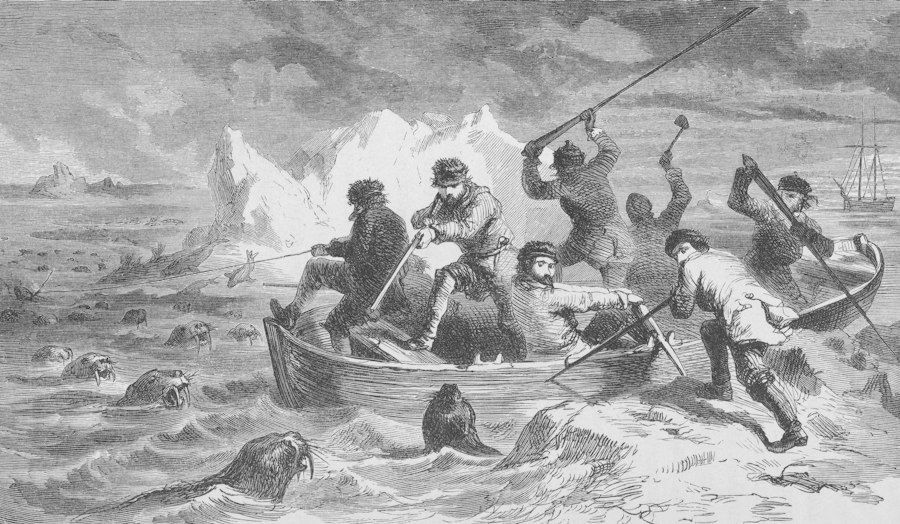
The hunting of large herbivores like mammoths and woolly rhinoceroses was a high-risk, high-reward endeavor. Early humans developed specialized tools and techniques to tackle these formidable creatures. Spear throwers (atlatls) allowed for greater force and accuracy from a safer distance, while strategically driven hunts, often into natural traps like ravines or bogs, could bring down even the largest prey. The successful procurement of such a kill provided not only a substantial food source but also valuable hides for clothing and shelter, bones for tools and construction, and ivory for ornamentation and utilitarian objects. The social organization required for these hunts was also significant, necessitating cooperation and coordination among individuals.
The Art of the Hearth: Mastering Fire and Shelter in Extreme Cold
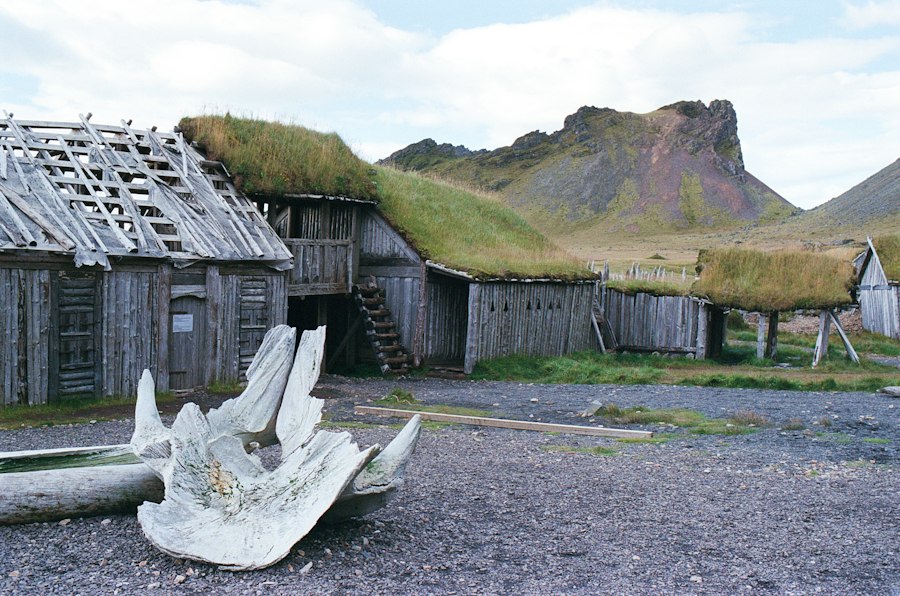
Survival in sub-zero temperatures hinged on the mastery of fire and the creation of effective shelters. Open-air encampments would have been untenable for extended periods. Instead, early communities sought out natural shelters like caves and rock overhangs, which provided immediate protection from the elements. Where these were unavailable, they constructed artificial shelters using readily available materials. Mammoth bones, particularly large ribs and skulls, were often incorporated into the framework of these structures, covered with hides, turf, and branches to create insulated dwellings. The control and maintenance of fire were paramount, not only for warmth but also for cooking food (making it more digestible and killing pathogens), purifying water, and providing light and protection from predators. The strategic placement of hearths within these shelters, often in communal areas, fostered social cohesion and shared warmth.
Nomadic Rhythms: Following the Seasons and the Herds
The extreme seasonality of Ice Age climates often dictated a nomadic lifestyle for early human communities. As ice sheets advanced and retreated, and as vegetation zones shifted, so too did the distribution of game animals and other essential resources. Successful survival meant being able to anticipate and adapt to these environmental fluctuations, following predictable migratory routes of herds and exploiting ephemeral resources as they became available. This inherent mobility fostered a deep understanding of the landscape and its cycles, a knowledge that was crucial for the long-term survival of the group. The ability to pack up and move, to leave behind depleted areas and seek out new abundance, was a fundamental survival strategy.
The Great Migrations: Adapting to Shifting Landscapes
The expansion of humans across continents during the Pleistocene was intricately linked to periods of glacial advance and retreat. Lower sea levels, exposed land bridges, and more extensive habitable zones in formerly glaciated regions provided pathways for migration. However, these migrations were not always into favorable conditions. Early humans would have encountered vast, windswept plains, dense boreal forests, and treacherous mountain ranges. Adapting to these diverse landscapes required developing a range of subsistence strategies, from coastal foraging and riverine fishing to grassland hunting and forest dwelling. The genetic and cultural diversity observed in modern human populations is a testament to these incredible journeys and the varied adaptations that enabled them.
Resourcefulness in Motion: Tools and Technologies for a Mobile Existence
A mobile lifestyle necessitates a toolkit that is both versatile and portable. Early humans developed ingenious solutions for this. Stone tools, for instance, were not just static implements but were often expertly crafted from durable materials that could be easily transported and, if necessary, resharpened. The development of composite tools, where different materials like bone, antler, and wood were combined with stone elements, offered greater functionality and efficiency. The ability to process hides for clothing and shelter, to craft cordage for various uses, and to preserve food through drying or smoking were all essential skills for a community on the move, ensuring that they could carry their essential resources with them.
Social Bonds in a Cold World: Cooperation and Community Resilience
The harsh realities of Ice Age survival placed a premium on social cooperation and community cohesion. Facing unpredictable environmental challenges, scarce resources, and the constant threat of predation, individuals who could rely on their kin and fellow group members for support, shared knowledge, and mutual defense had a significantly higher chance of survival. The development of complex social structures, kinship networks, and reciprocal sharing practices were not just social niceties; they were vital mechanisms for ensuring the well-being and perpetuation of the group. The emphasis on collective action over individualistic pursuits was a defining characteristic of successful Ice Age communities.
The Wisdom of the Elders: Transmission of Knowledge and Skills
The survival of any community, especially one facing extreme environmental pressures, relies heavily on the transmission of knowledge and skills across generations. Elders, having lived through numerous cycles of scarcity and abundance, possessed a wealth of accumulated wisdom regarding the land, its resources, and the best practices for survival. This knowledge, passed down through oral traditions, storytelling, and direct instruction, encompassed everything from identifying edible plants and understanding animal behavior to mastering toolmaking techniques and navigating treacherous terrain. This intergenerational transfer of knowledge was a critical buffer against the uncertainties of the Ice Age.
Collective Effort and Shared Sustenance: The Foundation of Group Survival
In a world where a single successful hunt could mean the difference between starvation and survival for an entire group, collective effort was paramount. Large game hunting, as previously discussed, often required the coordinated efforts of many individuals. Similarly, the construction and maintenance of communal shelters, the gathering of firewood, and the processing of food resources all benefited from shared labor. Beyond the practicalities, the practice of sharing food and resources fostered strong social bonds and ensured that even the weakest or most vulnerable members of the community received a share, increasing the overall survival rate of the group. This ethos of mutual reliance was a cornerstone of resilience.
Early communities faced significant challenges in navigating the complexities of a collapsed ice age camp, relying on their ingenuity and resourcefulness to adapt to changing environments. These groups often had to compete for scarce resources, which is explored in detail in a related article that discusses the broader implications of resource scarcity in ancient times. Understanding how these early societies managed their supplies can provide valuable insights into their survival strategies. For more information, you can read about these dynamics in the article on resource wars here.
Enduring Legacies: Lessons from the Perilous Past
| Metric | Description | Evidence Source | Significance |
|---|---|---|---|
| Shelter Construction | Use of animal bones, hides, and ice blocks to build insulated shelters | Archaeological remains of dwellings in Ice Age sites | Provided protection from extreme cold and wind |
| Fire Usage | Controlled use of fire for warmth, cooking, and light | Charcoal deposits and hearth remains in campsites | Essential for survival and social gatherings |
| Food Procurement | Hunting megafauna and gathering seasonal plants | Stone tools, animal bones with cut marks | Ensured nutritional needs were met despite harsh conditions |
| Clothing | Use of animal skins and furs for insulation | Preserved clothing fragments and bone needles | Maintained body heat and mobility |
| Group Mobility | Seasonal migration to follow food sources and favorable climates | Settlement patterns and tool distribution analysis | Optimized resource use and survival chances |
| Social Organization | Cooperative hunting and resource sharing | Ethnographic analogies and site spatial organization | Enhanced group cohesion and efficiency |
The story of early human communities surviving the Ice Ages is a testament to the remarkable adaptability and ingenuity of our species. They navigated a world transformed by glacial cycles, exploiting its resources with profound ecological understanding, developing innovative technologies, and forging strong social bonds that enabled them to overcome immense challenges. The adaptations and strategies they employed – from sophisticated hunting techniques and robust shelter construction to nomadic mobility and intricate social networks – laid the groundwork for the continued expansion and diversification of human populations. These ancient ancestors did not merely survive; they laid the foundation for all that came after, demonstrating that even in the face of environmental collapse, humanity possesses an extraordinary capacity for resilience and innovation. Their story is a powerful reminder that understanding our past is key to navigating our present and future environmental challenges. The echoes of their survival resonate even today, offering hope and inspiration in our own era of unprecedented environmental change.

Life 20,000 Years Ago | When an Ice Age Wildfire Traps Your Primitive Family
FAQs
What were the primary challenges faced by early communities during the collapse of the ice age?
Early communities faced numerous challenges during the collapse of the ice age, including drastic climate changes that affected their food sources, habitat loss, and increased competition for resources. As temperatures rose, many large mammals that these communities relied on for food became extinct or migrated, forcing humans to adapt their hunting and gathering strategies.
How did early communities adapt their hunting strategies in response to changing environments?
To adapt to the changing environments, early communities diversified their diets by incorporating smaller game, fish, and plant-based foods. They developed new hunting techniques, such as using traps and nets, and began to exploit a wider range of ecosystems, including rivers and forests, to ensure a stable food supply.
What role did social structures play in the survival of early communities during this period?
Social structures were crucial for the survival of early communities during the ice age collapse. Cooperative hunting and gathering allowed for more efficient resource acquisition, while shared knowledge and skills enhanced survival rates. Social bonds also facilitated the sharing of resources and support during difficult times, fostering resilience within the community.
How did technological advancements influence the navigation of early communities during the ice age?
Technological advancements, such as the development of more sophisticated tools and weapons, significantly influenced the navigation and survival of early communities. Innovations like the atlatl (spear-thrower) and improved stone tools allowed for more effective hunting and processing of food, while advancements in shelter construction provided better protection against the elements.
What evidence do archaeologists use to study early communities’ adaptations during the ice age?
Archaeologists study various forms of evidence to understand early communities’ adaptations during the ice age, including artifacts such as tools, remnants of food, and shelter structures. They also analyze environmental data from sediment cores and pollen samples to reconstruct past climates and ecosystems, providing insights into how these communities responded to environmental changes.