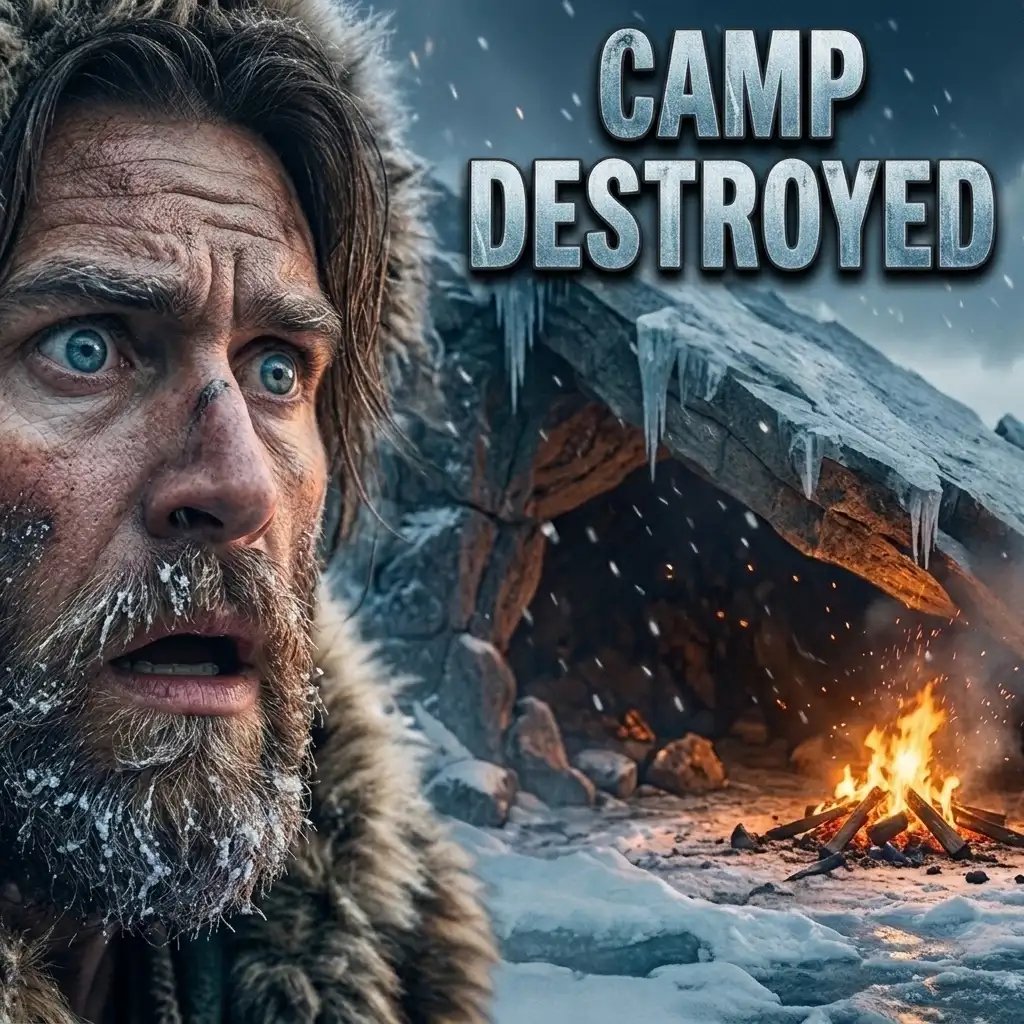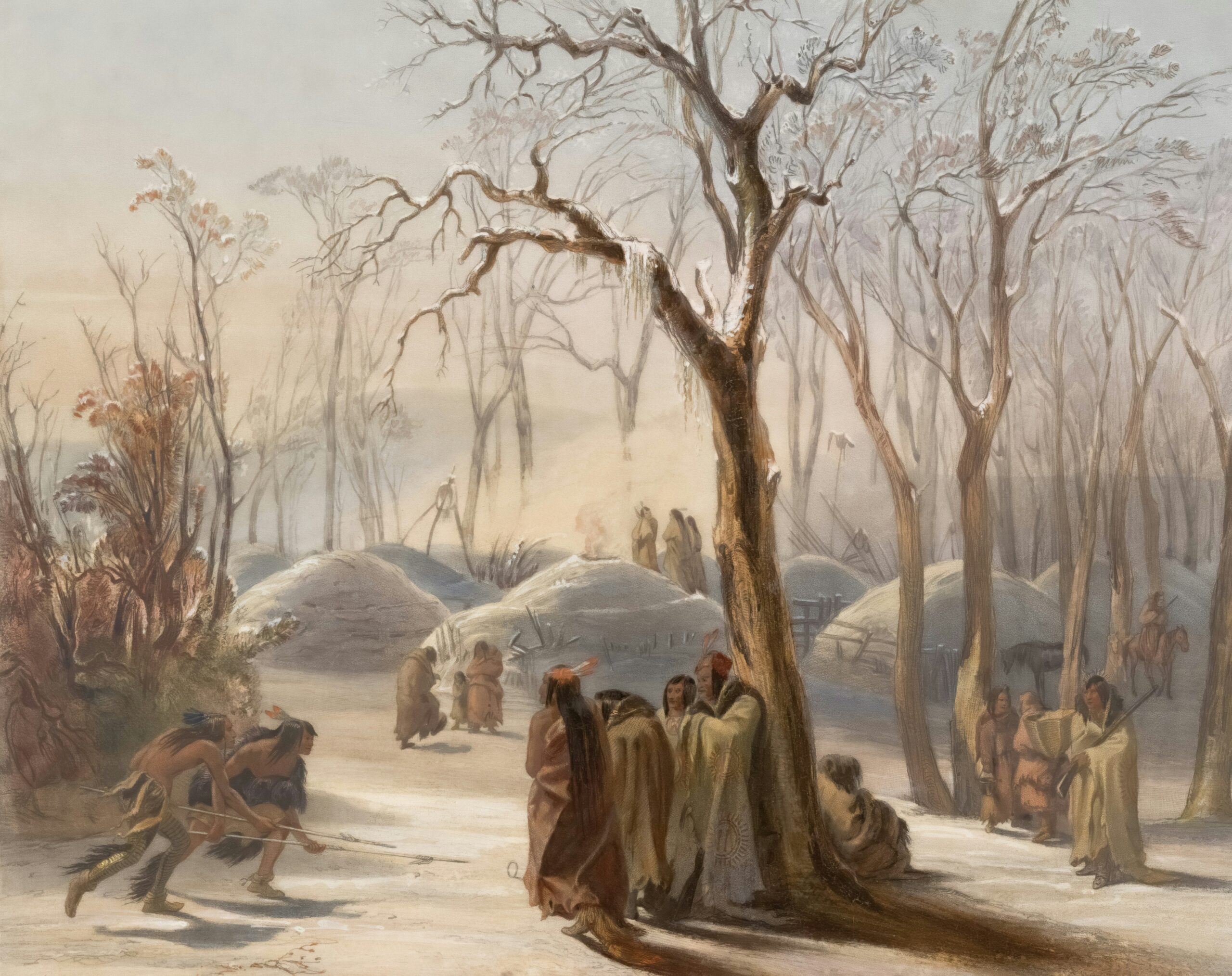
The biting winds howled across a vast, frozen landscape. Mammoth bones lay scattered, monuments to a past now shrouded in ice. For early humans, this was not a distant, abstract threat; it was their daily reality. The Pleistocene epoch, commonly known as the Ice Age, presented an existential challenge, forcing them to adapt or perish against the relentless grip of freezing temperatures. The story of prehistoric humans surviving this frigid epoch is a testament to their ingenuity, resilience, and the profound bond between humanity and its environment, however harsh.
The Unrelenting Chill: Understanding the Pleistocene Environment
The Pleistocene epoch, spanning roughly from 2.6 million to 11,700 years ago, was characterized by repeated cycles of glaciation and interglacial periods. During glacial maxima, massive ice sheets, kilometers thick in places, covered significant portions of the Earth’s landmasses, dramatically altering coastlines, river systems, and climates. These ice sheets extended far beyond their current polar confines, reaching down into temperate latitudes. This meant that areas that are today temperate or even warm were subjected to prolonged periods of extreme cold, deep snow cover, and reduced daylight hours.
The landscape was a stark and alien place. Vast tundras, treeless plains dominated by hardy grasses, mosses, and shrubs, stretched as far as the eye could see. Forests, where they existed, were sparser and composed of cold-tolerant conifers like pine, spruce, and fir. Animals that were adapted to these harsh conditions thrived – woolly mammoths, rhinoceroses, bison, and reindeer roamed in herds, forming the backbone of the prehistoric food chain. However, the very creatures that provided sustenance also posed significant dangers. Predators like saber-toothed cats and cave bears were formidable threats, their presence adding another layer of peril to daily existence.
The fluctuations between glacial and interglacial periods also had profound implications. As glaciers advanced, sea levels dropped, exposing land bridges that allowed for migration between continents. Conversely, during warmer interglacial periods, these land bridges submerged, isolating populations. These climatic shifts created dynamic environments, forcing human groups to constantly assess their surroundings and adapt their strategies. The availability of resources, the movement of game, and the accessibility of shelter all varied dramatically with these glacial cycles, demanding an extraordinary level of flexibility from our ancestors. The very air was different, often thinner at higher altitudes and carrying the fine dust stirred up by glacial winds, further impacting the breathability and visibility for early humans.
Shifting Continents and Vanishing Shores
The immense volume of water locked up in glacial ice during cold periods led to a significant drop in global sea levels. Estimates suggest that sea levels could have been as much as 120 meters lower than today. This dramatic recession of the oceans had a profound impact on geography. Continental shelves, normally submerged, were exposed, creating vast tracts of land that connected continents and islands. The Bering Land Bridge, connecting Siberia and Alaska, is perhaps the most famous example, playing a crucial role in the migration of humans and animals into the Americas. Similarly, land bridges may have existed between Southeast Asia and Australia, and between Britain and mainland Europe. These exposed landmasses were not just dry ground; they were often rich ecosystems, teeming with life that had followed the receding waters, offering new hunting grounds and opportunities for expansion.
The Great Herds: Giants of the Frozen Plains
The fauna of the Pleistocene Ice Age was as impressive as it was challenging. Megafauna, large animals that are now extinct, dominated the landscape. Woolly mammoths, with their thick fur, long curved tusks, and specialized digestive systems, were a primary source of food and materials for early humans. Their immense size made them a dangerous prey, but their meat, hide, and bones provided essential resources for survival. Woolly rhinoceroses, even larger and more aggressive than mammoths, also roamed these lands. Herds of steppe bison, with their formidable horns, were another crucial prey animal, offering vast quantities of meat and hides. Reindeer, adapted to the cold and nomadic lifestyle, were also a significant food source, their migrations dictating the movements of human hunting parties. The presence of these large animals meant that early humans were often part of a complex ecosystem where they were both hunters and hunted. The constant need to track, ambush, and process these enormous creatures required sophisticated hunting strategies and cooperative group efforts.
Prehistoric humans faced immense challenges as they battled freezing temperatures daily, adapting their survival strategies to endure harsh climates. Their resilience and ingenuity in creating tools and shelters are fascinating subjects of study. For a deeper understanding of how environmental challenges shape survival, you may find it interesting to explore the article on the vulnerability of lunar habitats and their implications for human survival in extreme conditions. You can read more about it here: Vulnerability of Lunar Habitats.
Ingenuity in the Face of Frost: Innovations for Survival

Prehistoric humans did not passively endure the Ice Age; they actively shaped their survival through remarkable innovations in technology, shelter, and resource management. These developments were not sudden leaps but gradual refinements, driven by the necessity to overcome the pervasive cold.
Clothing the Cold: The Dawn of Tailored Textiles
The most immediate and perhaps most crucial adaptation to the freezing temperatures was the development of effective clothing. Before the advent of specialized sewing tools, early humans likely relied on furs and hides from hunted animals. However, the ability to fashion these materials into more sophisticated garments was a significant evolutionary step. The invention of the needle, crafted from bone or ivory, allowed for the creation of tailored clothing that could be precisely fitted to the body, minimizing heat loss. This likely involved stitching together pieces of hide to create coverings for the torso, legs, and feet. The use of sinew as thread provided strong and durable seams. Furthermore, the preparation of these hides – scraping, stretching, and possibly tanning them – would have improved their flexibility and insulating properties. Evidence for this can be found in the archaeological record through the discovery of bone needles and awls, as well as animal bones showing cut marks indicative of hide processing. The ability to create multiple layers of clothing, trapping air for insulation, would have been essential for enduring prolonged exposure to sub-zero temperatures. This also meant that the types of animals hunted were influenced by the quality of their pelts, with animals like mammoths and reindeer providing particularly valuable fur.
Dwellings Against the Blizzard: Shelters of Stone and Hide
Shelter was paramount for survival, offering protection from wind, snow, and extreme cold. Early humans utilized a variety of strategies, from natural formations to elaborate constructed dwellings. Caves and rock overhangs provided readymade protection, offering a stable temperature and shielding inhabitants from the elements. Archaeological sites in caves, such as those found in Europe, have revealed evidence of long-term occupation, including hearths, discarded tools, and food remains, indicating that these were not temporary refuges but established homes.
Beyond natural shelters, humans also constructed more permanent structures. In open landscapes, they built dwellings using readily available materials. Mammoth bones, particularly the large skull plates and long ribs, were often incorporated into the framework of huts, providing sturdy supports. These bone structures were then covered with animal hides, packed with insulating materials like moss and grass, and sometimes even sealed with mud or clay. The resulting structures, often semi-subterranean to take advantage of the earth’s insulation, could be remarkably effective at retaining heat. The discovery of circular or oval foundations littered with mammoth bones in sites across Eastern Europe provides compelling evidence for these innovative constructions. Some shelters were also built into natural slopes or depressions, further enhancing their ability to conserve warmth.
Harnessing the Spark: The Control of Fire
The mastery of fire was arguably the single most transformative technological advancement for prehistoric humans, especially during the Ice Age. Fire provided warmth, a crucial element for survival in freezing environments. It allowed humans to extend their active hours beyond the limited daylight, providing light and heat during long, dark winter nights. Beyond warmth, fire was essential for cooking food. Cooking breaks down tough plant fibers and makes meat more digestible and nutritious, significantly increasing the caloric intake available to humans. This was particularly important in a diet that relied heavily on meat, which could be difficult to digest raw. Fire also served to purify water, making it safer to drink. Furthermore, the smoke produced by fires could help deter biting insects, a common nuisance even in colder climates, and potentially even ward off predators. The strategic use of fire in hunting, such as driving game towards traps or creating controlled burns to flush out prey, also likely played a significant role. Archaeological evidence for the control of fire is widespread, with hearths containing charcoal and burnt bones found at numerous Paleolithic sites. The careful management and maintenance of these fires would have been a communal effort, fostering social cohesion and requiring a deep understanding of fuel sources and combustion.
The Hunt for Warmth: Sustaining Life in a Frozen World

The Ice Age was a period of intense reliance on hunting and gathering. For prehistoric humans, the successful procurement of food and resources was a constant, life-or-death struggle against the backdrop of a harsh environment.
Tracking the Giants: Strategies for Mammoth and Megafauna
Hunting large game, especially Ice Age megafauna like mammoths, was a high-stakes endeavor. It required meticulous planning, specialized tools, and often, considerable risk. Hunting parties would likely have tracked herds for days, observing their behavior, movements, and vulnerabilities. Ambush tactics were common, utilizing natural features like cliffs, ravines, or dense thickets to funnel prey into killing zones. Pit traps, dug into the ground and concealed, could ensnare large animals. The development of projectile weapons, such as spears tipped with sharpened stone points, allowed hunters to engage prey from a safer distance. These spear points, often made from flint or chert, were designed for maximum penetration and shock. The discovery of spear shafts and projectile points in association with mammoth remains provides direct evidence of these hunting practices. The sheer size of these animals meant that a successful hunt was a communal effort, involving the coordinated actions of many individuals. The processing of a mammoth carcass was also a significant undertaking, providing meat, fat, bone, and hide, all of which were essential for survival. The careful butchering of carcasses, as evidenced by cut marks on bones, suggests a sophisticated understanding of anatomy for efficient resource extraction.
The Bountiful but Brief: Gathering in the Tundra and Forest Edge
While large game dominated the diet, gathering also played a vital role, especially during the warmer interglacial periods or in transitional zones between glacial ice and more temperate regions. Hardy tundra plants, such as berries, roots, and tubers, would have been a source of vital nutrients and carbohydrates. The ability to identify edible plants and know when and where to find them would have been crucial knowledge passed down through generations. During warmer periods, more diverse flora would have been available, including nuts, seeds, and edible leaves. The seasonal availability of these resources meant that prehistoric humans needed to develop strategies for storing food. Drying, smoking, and preserving meat and plant materials would have extended their availability through the lean winter months. The development of simple tools, such as digging sticks and stone scrapers, would have aided in the collection and preparation of plant foods. Even in the harshest glacial periods, the edges of the ice sheets could support a surprising amount of life, and exploiting these transitional zones for both plants and migrating animals would have been a key survival strategy.
Mastering the Elements: Water and Fuel Procurement
Access to fresh water and fuel for fires were constant concerns. During glacial periods, meltwater from glaciers and snow provided a source of hydration, though the collection and transport of this water could be challenging. Rivers and lakes, where they existed, were also vital. The ability to melt snow and ice for water would have been a necessary skill. Fuel for fires was primarily wood, gathered from sparse forests or driftwood along coastlines. However, in regions with very little vegetation, other materials might have been used. The large bones of megafauna, filled with marrow, could have been burned to provide a long-lasting source of heat and light, especially in underground shelters. The efficient collection, transport, and storage of fuel would have been critical for maintaining warmth throughout the long, cold nights. The discovery of large quantities of wood fragments and other fuel materials at archaeological sites underscores the importance of this resource.
Community and Kinship: The Social Fabric of Survival
Individual survival was rare. Prehistoric humans lived in groups, their strength lying in their collective efforts, shared knowledge, and the bonds of kinship.
The Power of the Pack: Cooperative Hunting and Defense
As highlighted previously, large-scale hunting of megafauna was inherently a cooperative endeavor. Coordinating the movements of a hunting party, employing complex strategies, and collectively taking down powerful prey demanded strong social cohesion. This cooperation extended beyond hunting; it was also crucial for defense. While individuals might have been vulnerable to predators, a group could defend itself more effectively. Sharing of resources, including food, was also likely a fundamental aspect of Ice Age social structures. This mutual reliance would have fostered a sense of belonging and a commitment to the well-being of the group. The discovery of multiple individuals buried together at some Paleolithic sites suggests close social ties and potentially communal burial practices.
Passing Down the Knowledge: Oral Traditions and Skill Transmission
The survival of prehistoric humans depended on the transmission of vital knowledge across generations. This knowledge encompassed a vast array of skills: how to identify edible plants and dangerous ones, how to track animals, how to craft tools and weapons, how to make fire and maintain it, how to build shelters, and how to navigate the treacherous landscape. This knowledge was primarily passed down through oral traditions, storytelling, and direct mentorship. Elders, with their accumulated experience, would have been invaluable repositories of this wisdom. The development of early forms of art, such as cave paintings and engravings, may have served as mnemonic devices, reinforcing important stories, hunting techniques, or spiritual beliefs. These artistic expressions provide a glimpse into the minds of our ancestors and the cultural narratives that shaped their lives.
The Importance of Hearth and Home: Family and Belonging
The concept of hearth and home, however rudimentary, would have been central to the lives of Ice Age humans. These shelters, warmed by fire and occupied by family groups, provided a sense of security and belonging in a world that was often unpredictable and dangerous. The shared experience of living together, raising children, and working towards common goals would have strengthened family bonds. These familial units, likely extended families or small kin-based bands, formed the building blocks of larger social structures. The challenges of survival, the shared triumphs of a successful hunt, and the comfort of the warm hearth would have forged deep and enduring connections.
Prehistoric humans faced the daunting challenge of surviving in freezing temperatures, battling the elements daily to secure food and shelter. Their resilience and ingenuity in adapting to such harsh conditions are fascinating subjects of study. For those interested in exploring more about ancient civilizations and their remarkable feats, a related article delves into the mysteries surrounding the construction of monumental structures, which often required overcoming significant environmental obstacles. You can read more about this intriguing topic in the article on Baalbek stone blocks.
Legacy of the Ice: Echoes in the Modern World
| Metric | Value | Description |
|---|---|---|
| Average Daily Temperature | -20°C to 0°C | Typical temperature range in Ice Age environments inhabited by prehistoric humans |
| Clothing Materials | Animal hides, furs | Primary materials used for insulation against cold |
| Fire Usage Frequency | Daily | Fire was essential for warmth, cooking, and protection |
| Average Shelter Insulation | Thick animal skins and wood | Materials used to build shelters that retained heat |
| Metabolic Rate Increase | Up to 20% | Estimated increase in metabolism to generate more body heat |
| Caloric Intake | Up to 4000 kcal/day | Higher calorie consumption needed to sustain energy in cold climates |
| Physical Adaptations | Shorter limbs, stockier build | Body shapes adapted to conserve heat |
| Survival Rate in Extreme Cold | Varied, approx. 50% | Estimated survival rate during harsh winter months |
The resilience and ingenuity of prehistoric humans who survived the Ice Age left an indelible mark on our species. Their adaptations and innovations laid the groundwork for future human development and offer profound lessons about our relationship with the environment.
The Foundation of Civilization: Technology and Adaptation
The technological advancements born out of the necessity of the Ice Age – the development of sophisticated tools, the control of fire, the mastery of clothing and shelter construction – were fundamental steps in the evolution of human civilization. These innovations did not disappear with the receding glaciers; they were refined, adapted, and built upon by subsequent generations. The principles of shelter construction, the understanding of heat retention, and the fundamental methods of toolmaking all have roots in the Paleolithic. The ability to adapt to extreme environments, to harness resources efficiently, and to develop complex social structures are all hallmarks of human success that were forged in the crucible of the Ice Age.
The Human Spirit: Resilience and the Will to Thrive
The story of Ice Age survival is a powerful testament to the indomitable human spirit. Faced with overwhelming environmental challenges, early humans did not succumb to despair. Instead, they innovated, cooperated, and persevered. Their ability to endure extreme cold, to find sustenance in a barren landscape, and to build communities in the face of adversity speaks volumes about our species’ innate drive to survive and thrive. This inherent resilience, honed over millennia of challenging epochs, is a fundamental aspect of what it means to be human.
Lessons for Today: Environmental Stewardship and Adaptability
The lessons learned from the Ice Age are remarkably relevant to our modern world. The need for careful resource management, the understanding of environmental limits, and the importance of adaptability in the face of change are all echoed in the strategies employed by our ancestors. As we confront contemporary environmental challenges, from climate change to resource scarcity, the story of Ice Age survival serves as a potent reminder of our capacity for innovation and cooperation. It underscores the crucial importance of understanding our impact on the planet and developing sustainable ways of living in harmony with the natural world, a lesson learned through the very survival of our species against the formidable power of the ice.