Prehistoric families faced formidable winters during the Ice Age, and their survival hinged on a smart combination of practical skills and strong social bonds. It wasn’t just about enduring the cold; it was about thriving through it.
Staying Warm: The Crucial Role of Clothing and Shelter
Keeping the cold out was paramount. This meant more than just huddling together; it involved sophisticated techniques for creating and maintaining warm environments.
Tailored Fur Clothing
Think of these early garments not as simple hides, but as carefully crafted protection. Animal skins were expertly prepared – scraped, tanned, and softened – to make them pliable and insulating. We’re talking about multi-layered clothing, with the fur often worn inwards for maximum warmth. The development of bone needles, like those found by archaeologists, was a game-changer. These allowed for intricate stitching, creating fitted garments that minimized heat loss. Imagine tailoring a parka from mammoth fur or reindeer hide, carefully piecing together sections to protect every vulnerable part of the body. This wasn’t just about survival; it was a testament to their ingenuity and understanding of materials. The success of these garments meant that families could venture out for essential tasks, even in the harshest conditions, without succumbing to hypothermia.
Mammoth-Bone Shelters and Caves
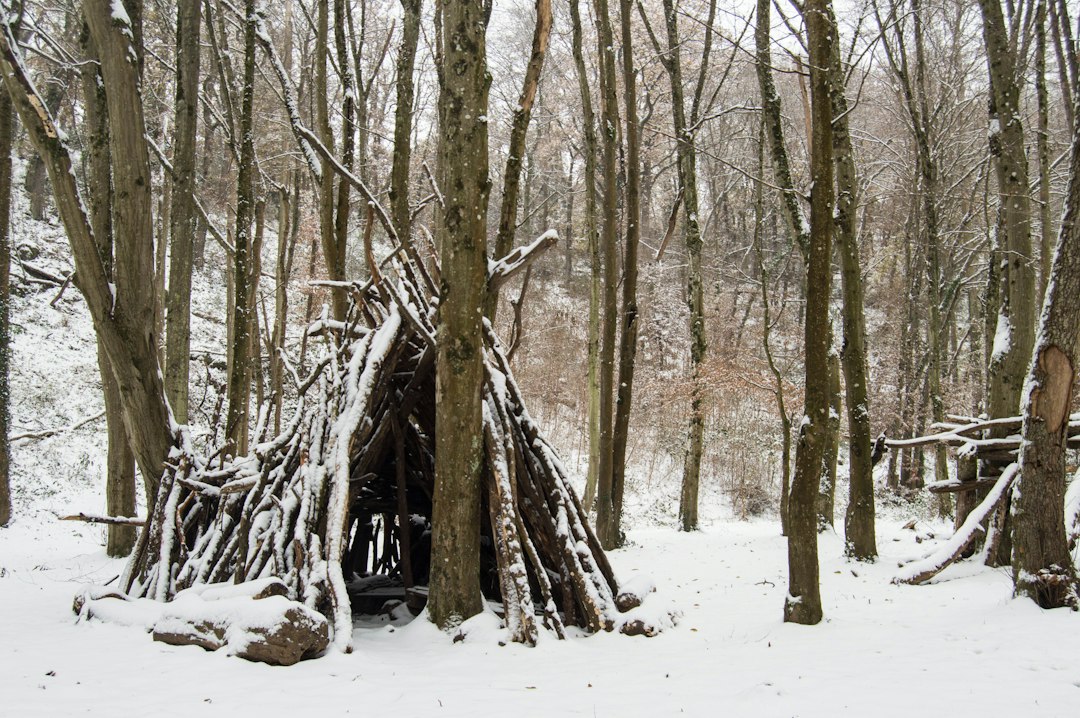
When it came to a place to live, prehistoric families had to be creative. Mammoth bones, being large and robust, provided an excellent framework for constructing shelters. These could be dome-shaped or lean-to structures, covered with hides or turf to create a barrier against the wind and snow. These structures were designed to retain heat effectively. Furthermore, natural formations like caves and rock overhangs were invaluable. They offered ready-made protection from the elements. Neanderthal families, for instance, are known to have utilized caves, which provided a consistent temperature and a secure environment, especially crucial for vulnerable infants. Archaeological evidence suggests these spaces were not just used for sleeping but were actively managed, with hearths built to provide warmth and light. The positioning of these shelters, often facing south to catch the winter sun, also demonstrates a keen awareness of their environment.
During prehistoric winters, families faced significant challenges that influenced their survival choices, including food storage, shelter construction, and social dynamics. An insightful article that explores the broader implications of resource management and decision-making in times of crisis can be found at this link. It highlights how historical choices regarding resources can parallel modern dilemmas, shedding light on the importance of strategic planning in both ancient and contemporary contexts.
Fueling the Body: Diet and Food Security
Winter meant a scarcity of fresh resources, so storing and consuming the right foods was a matter of life and death.
High-Fat Foods for Sustained Energy
The Ice Age diet was not lean by modern standards. Instead, it was rich in fats, which provided essential calories and sustained energy needed to withstand the cold and perform strenuous activities like hunting and gathering. Animal fat, marrow, and blubber were highly prized. These foods not only offered a dense source of energy but also contained vital nutrients that helped the body function in extreme temperatures. Imagine the importance of a successful hunt for a large animal, providing not just meat but also ample fat reserves that could sustain a family through long, lean periods. This dietary focus was a biological imperative, allowing them to generate and retain body heat more effectively.
The Art of Food Storage
With hunting and gathering being unpredictable, especially in winter, effective food storage was vital. This involved a range of techniques. Meats might be dried or smoked to preserve them. Roots and berries could be stored in pits dug into the ground, where the cooler temperatures helped to prevent spoilage. In some cases, they might have used natural freezing conditions to preserve food. For example, storing meat in areas that remained consistently frozen could keep it edible for extended periods. This proactive approach to food security meant that families weren’t entirely at the mercy of daily catches, providing a buffer against lean times and allowing for more stable consumption throughout the winter months. The careful planning involved in anticipating future needs and preserving resources highlights a remarkable level of foresight.
The Power of the Group: Social Structures and Cooperation

Survival wasn’t a solo act. The strength of the family unit and broader social networks was fundamental to overcoming winter’s challenges.
Family Units and Parental Care
The concept of family was the bedrock of Ice Age society. For Neanderthals, evidence suggests strong parental bonds, with parents actively caring for their young, including breastfeeding, which provided vital nutrition and warmth for infants. The harshness of winter meant that children were particularly vulnerable, and the protection and care offered by parents were essential for their survival and development. This intimate care extended beyond basic needs; it involved teaching survival skills from a young age, ensuring the continuation of knowledge and practices across generations. The extended period of dependency for young children meant that stable family units were crucial for their long-term success.
Collective Cooperation and Community Living
Archaeological findings point towards group living and cooperation as a key strategy. The discovery of a Neanderthal “community” living together 100,000 years ago in Poland is a prime example. These larger groups likely pooled resources, shared hunting duties, and collectively defended themselves and their shelters. This social organization provided a safety net, where individuals could rely on the support of others during difficult times. Whether it was larger family groups or more formal community structures, working together amplified their chances of survival. This collaborative effort likely extended to sharing knowledge about hunting grounds, weather patterns, and effective techniques for resource management. The strength of these bonds was a powerful force against the isolating and dangerous conditions of the Ice Age.
Mobility and Environmental Awareness
While some families might have had more permanent winter bases, others relied on moving to find resources. This required an intimate understanding of the landscape and its seasonal changes.
Seasonal Migration and Resource Tracking
Not all Ice Age families hunkered down in one place. Some likely engaged in seasonal migration, following animal herds or moving to areas with more accessible food sources during winter. This required a deep knowledge of the landscape, understanding migration routes of prey animals, the locations of edible plants that might persist under snow, and suitable areas for shelter. This mobility was not aimless wandering; it was a calculated movement, driven by the need to find sustenance and avoid the most extreme conditions. Being able to read the subtle signs of the environment, such as animal tracks or changes in vegetation, was a critical survival skill that was passed down through generations.
Reading the Environment and Weather
Prehistoric peoples were acutely attuned to their surroundings. They would have observed the subtle shifts in weather patterns, the signs of approaching storms, and the behaviour of animals that indicated changes in the environment. This included understanding how ice formations developed, which areas were prone to avalanches or deep snowdrifts, and where to find unfrozen water sources. The discovery of ancient ice in Tibet, preserving climate records, hints at the long-term atmospheric conditions that these early humans would have navigated. Their survival depended on a constant assessment of the environment, allowing them to make informed decisions about where to hunt, where to shelter, and when to move. This ecological knowledge was as vital as any tool or technique.
During prehistoric winters, families faced numerous challenges that influenced their survival strategies and choices. The dynamics of family roles and resource allocation were crucial in ensuring that all members could endure the harsh conditions. For a deeper understanding of how environmental factors shape societal structures, you might find it interesting to explore this article on industrial real estate in Mexico, which discusses how modern families adapt to changing landscapes and economic climates. You can read more about it here.
Long-Term Survival: Adaptations and Knowledge Transfer
| Metric | Description | Typical Values | Impact on Family Choices |
|---|---|---|---|
| Food Availability | Amount and variety of edible plants and animals accessible | Low to Moderate | Families prioritized hunting large game and storing food |
| Temperature (°C) | Average winter temperature | -10 to 0 | Influenced shelter construction and clothing choices |
| Shelter Type | Type of dwelling used for protection | Caves, huts made of wood and animal skins | Families chose insulated shelters to conserve heat |
| Group Size | Number of individuals living together | 5 to 15 members | Larger groups improved warmth and resource sharing |
| Fire Usage | Frequency and purpose of fire use | Daily for warmth and cooking | Essential for survival and social bonding |
| Clothing Materials | Materials used for making clothes | Animal hides, furs | Provided insulation and protection from cold |
| Mobility | Movement patterns during winter | Mostly sedentary with occasional hunting trips | Families limited travel to conserve energy |
The ability of these early families to survive across many harsh winters wasn’t just about immediate actions; it was about deep-seated adaptations and the consistent passing of knowledge.
Genetic and Physiological Adaptations
Over long periods, populations living through Ice Age conditions likely developed subtle genetic and physiological adaptations. These might have included a greater efficiency in metabolizing fats, improved insulation through body composition, or a greater tolerance to cold. While difficult to prove directly from archaeological remains, the sheer resilience of these groups over millennia suggests that such adaptations played a role in their long-term persistence. These were not conscious choices but rather the slow, evolutionary processes that favored individuals and groups better equipped to handle the environmental pressures.
Passing Down Survival Knowledge
Perhaps the most crucial element for long-term survival was the transfer of knowledge. This wasn’t just about knowing how to knap a flint tool; it encompassed a vast body of information about the natural world. This included understanding which plants were edible and medicinal, how to track and hunt specific animals, how to predict weather, how to build effective shelters, and how to manage fire. This knowledge was passed down through generations, primarily through oral tradition, observation, and direct participation in survival activities. The education of children in these essential skills was a continuous process, ensuring that each new generation was equipped to face the challenges of the prehistoric winter, effectively allowing them to “survive the ice” time and time again.

Life 20,000 Years Ago | When Your Ice Age Family Can’t Feed the Dog
FAQs
What were the primary concerns for families during a prehistoric winter?
During a prehistoric winter, families faced several primary concerns, including securing enough food to last through the cold months, maintaining warmth and shelter, and protecting themselves from predators. The scarcity of resources often forced families to rely on stored food and to develop strategies for hunting and gathering in harsh conditions.
How did prehistoric families prepare for winter?
Prehistoric families prepared for winter by gathering and storing food during the warmer months, such as drying meat, foraging for nuts and berries, and preserving fish. They also constructed more robust shelters, often using materials like wood, stone, and animal hides to insulate against the cold. Additionally, families would create tools and weapons to aid in hunting during the winter.
What types of food did prehistoric families rely on during winter?
Prehistoric families relied on a variety of foods during winter, including preserved meats from animals hunted in the fall, stored root vegetables, nuts, and dried fruits. They often turned to hunting larger game, such as mammoths or reindeer, and utilized techniques like ice fishing to supplement their diets when fresh food was scarce.
How did social structures influence family choices during winter?
Social structures played a significant role in family choices during winter, as cooperative hunting and sharing of resources were essential for survival. Families often banded together in small groups or tribes to pool their resources, share knowledge about food sources, and provide mutual support in harsh conditions, which enhanced their chances of survival.
What role did climate play in the decisions made by prehistoric families?
Climate significantly influenced the decisions made by prehistoric families, as extreme cold and snowfall could limit access to food and resources. Families had to adapt their hunting and gathering strategies based on weather patterns, often migrating to more favorable areas or altering their seasonal routines to ensure they could find adequate shelter and sustenance.