Surviving prehistoric winters was incredibly tough, and for families, it meant a constant battle against the cold, hunger, and dangers. It wasn’t about one big hero; it was about smart planning, working together, and leaning on each other. Essentially, intelligence, cooperation, and a good dose of compassion were their most important survival tools, just like we rely on our communities today.
The Harsh Reality of an Ice Age Winter
Imagine a world where the sun seems to hide for months, the wind bites through everything, and the landscape is dominated by ice and snow. This was the reality for our ancient ancestors during the Ice Age. Winters weren’t just cold; they were brutal, long periods that tested the limits of human endurance. For prehistoric families, this meant facing down freezing temperatures that could kill in hours, a drastic scarcity of food, and the ever-present threat of powerful predators drawn to any sign of weakness. Survival wasn’t a given; it was a daily achievement, earned through a combination of ingenuity and sheer grit.
The Ever-Present Threat of Extreme Cold
The defining characteristic of the Ice Age was its extreme cold. Glaciers pushed south, dramatically lowering global temperatures. This wasn’t just a matter of wearing a few extra layers. It meant temperatures regularly dropping far below freezing, with blizzards that could bury entire landscapes in snow, making travel impossible and hunting a near-suicidal endeavor. Hypothermia was a constant danger, not just to the very young or old, but to anyone exposed for too long. Finding or creating shelter that could actually keep the biting wind out and retain precious body heat was paramount. Without effective insulation, the cold could numb limbs, slow down thought processes, and ultimately, lead to death.
Scarcity: The Constant Companion of Winter
When the ice advanced, so did hunger. The plants that sustained families for much of the year would die back or become inaccessible under snow. The migration patterns of game animals changed drastically, often moving to warmer regions or becoming harder to track in the snow. This meant that food sources, already precarious, dwindled to almost nothing. Families had to be incredibly resourceful, relying on preserved stores from warmer months, hunting animals that were adapted to the cold (and often dangerous), or scavenging. The specter of starvation was a relentless shadow over every winter, forcing difficult choices and pushing people to their absolute limits to find sustenance.
Predators and Perils of the Frozen Landscape
The Ice Age wasn’t just about the weather; it was a dangerous place. Large predators, like cave bears, sabre-toothed cats, and wolves, were a constant threat. These animals were often larger, stronger, and better adapted to the cold than humans. A lone individual, or even a small group, could easily become prey. Beyond the predators, the landscape itself posed dangers. Hidden crevasses in glaciers, sudden avalanches, and treacherous icy terrain could lead to falls and injuries. For families, especially those with young children or infirm members, the risks were amplified. Protecting each other from these external threats while simultaneously battling the internal challenges of cold and hunger was an immense undertaking.
In exploring the challenges faced by prehistoric families during the harsh winter freeze, one can draw parallels to the modern struggles of communities threatened by environmental changes. An insightful article that delves into the impact of climate change on vulnerable populations is available at this link: The Threat of Sinking Island Nations. This piece highlights how contemporary societies are grappling with survival in the face of extreme weather, much like our ancestors did when battling the unforgiving cold of winter.
Building a Haven: Shelter and Fire in the Deep Freeze
Faced with these overwhelming challenges, prehistoric families developed ingenious solutions for shelter and warmth. They understood that staying alive meant creating a safe, insulated space and mastering the control of fire. These weren’t just conveniences; they were the cornerstones of survival, allowing them to endure the harshest conditions.
Designing Dwellings for Survival
Prehistoric shelters were far from rudimentary huts. Families learned to adapt to their environment, using whatever resources were available. Mammoth bones, for instance, were incredibly strong and formed the basis for large, sturdy structures, sometimes referred to as mammoth-bone houses. These could house not just a single family but often multiple families together, creating larger, more resilient communities under one roof. These multi-family winter shelters provided not only physical protection from the elements but also crucial social benefits. The sheer mass of a large shelter helped retain heat, and the collective body warmth of many individuals significantly increased the ambient temperature inside. They also understood the importance of location, often choosing campsites in sheltered valleys or caves that offered natural protection from the wind and snow.
The Indispensable Gift of Fire
Fire was arguably the single most important invention for surviving the Ice Age. It was the ultimate source of warmth, a defense against predators, a way to cook food (making it more digestible and safer), and a tool for shaping other implements. Families would spend considerable effort and time ensuring their fires were kept going, especially through the long, cold nights. The knowledge of how to create fire, often through friction methods like rubbing sticks together, was a vital skill passed down through generations. The smoky haze from a hearth was a beacon of life and a stark contrast to the desolate, icy world outside. For families huddled together, the flickering flames of a campfire provided not just physical comfort but also a sense of hope and security.
Sustenance Against the Odds: Food and Resource Management
Feeding a family during the Ice Age winter was a monumental task. It required a deep understanding of the natural world, careful planning, and the ability to preserve precious resources. Survival depended on their ability to find food when it was scarce and to make that food last.
Mastering the Hunt and Gathering
While plants became scarce, the Ice Age still offered food, but it was often tough to acquire. Families and small groups would organize hunts for animals adapted to the cold, like mammoths, reindeer, and bison. These hunts were incredibly dangerous, requiring specialized tools and coordinated effort. They also learned to utilize every part of the animal – meat for food, hides for clothing and shelter, bones for tools and construction. Beyond large game, smaller animals, fish, and birds also provided sustenance. Gathering was still a part of it, albeit more limited. They would seek out edible roots, berries that could be dried and preserved, or the inner bark of certain trees. The knowledge of what was edible and where to find it was crucial, and this knowledge was hard-won and fiercely guarded.
Preserving the Bounty for Lean Times
The concept of food preservation was central to surviving the lean winter months. Families understood the importance of storing food gathered during warmer periods. This could involve drying meat and fish in the sun or by the fire, or burying roots and berries in the frozen ground to keep them fresh. The development of techniques to prevent spoilage, even in the extreme cold, was vital. This allowed them to have a reserve, a buffer against complete starvation when hunting was unsuccessful. It meant that even if a particular hunt failed, they wouldn’t necessarily face immediate crisis. This foresight and planning were essential for the long-term survival of the family unit.
The Human Element: Cooperation, Knowledge, and Compassion
Beyond the practicalities of shelter and food, what truly allowed prehistoric families to survive the Ice Age was their social structure and inherent human qualities. Intelligence, cooperation, and compassion weren’t just desirable traits; they were essential survival mechanisms.
The Power of the Group: Cooperation as a Lifeline
The idea that surviving alone was nearly impossible is a recurring theme in understanding Ice Age life. Families, and often multiple families banding together, formed cooperative units. This wasn’t just about sharing resources; it was about shared labor, collective defense, and mutual support. Hunting larger game required the coordinated efforts of many. Building and maintaining robust shelters was a communal task. Caring for the injured or sick would have been impossible for an individual to manage alone. This social cooperation extended beyond the immediate family unit, forming bands or small communities that pooled their strengths and shared their weaknesses. This collective approach significantly increased their chances of enduring the winter.
Passing Down Wisdom: Knowledge Across Generations
The survival strategies of the Ice Age were not innate. They were learned and perfected over countless generations. The elders held invaluable knowledge about animal behavior, edible plants, weather patterns, and the best techniques for hunting and tool-making. This knowledge was passed down meticulously from parent to child, from mentor to apprentice. It was a living library of survival. This intergenerational transfer of knowledge ensured that each new generation had the tools and understanding to face the same challenges their ancestors had. This continuous learning and adaptation were fundamental to their long-term persistence through the harsh Ice Age periods.
Caring for Each Other: Compassion as a Survival Strategy
The documentaries and studies highlight the importance of compassion. Caring for injured members of the group was not just an act of kindness; it was a strategic decision. An injured individual might be less able to contribute immediately, but their survival meant preserving a valuable member of the community who could recover and contribute later. It also demonstrated a level of social cohesion and empathy that strengthened the group as a whole. Families protected one another, especially the most vulnerable – the very young, the elderly, and those who were sick or injured. This intrinsic drive to protect and nurture the group, even at personal cost, was a powerful force that helped them endure when individual survival would have been impossible.
In examining the harsh realities faced by prehistoric families during winter freezes, it becomes evident that survival depended heavily on resourcefulness and community support. The struggle for warmth and sustenance often led to innovative solutions, as families banded together to share knowledge and resources. For a deeper understanding of how ancient societies navigated challenges, you might find it interesting to explore the complexities of historical navigation and mapping in the article on the Piri Reis map controversy, which sheds light on the broader context of human ingenuity in the face of adversity. You can read more about it here.
When Disaster Strikes: Resilience in the Face of Catastrophe
| Metric | Description | Estimated Impact | Notes |
|---|---|---|---|
| Food Scarcity | Availability of edible plants and animals during winter | High | Limited hunting opportunities due to animal migration and hibernation |
| Temperature Drop | Average decrease in temperature during winter months | Severe | Exposure risk increased; need for shelter and clothing |
| Mortality Rate | Estimated family member deaths due to winter conditions | Moderate to High | Higher mortality among infants and elderly |
| Shelter Quality | Effectiveness of constructed shelters against cold | Variable | Improved shelters increased survival chances |
| Group Size | Number of family members or tribe units during winter | Medium | Larger groups shared resources and warmth |
| Resource Storage | Ability to store food and materials for winter use | Low to Medium | Early forms of food preservation were limited |
Even with the best planning, life in the Ice Age was unpredictable. Catastrophic events could strike without warning, testing the resilience of families to their absolute breaking point. These moments highlight the raw courage and adaptability of prehistoric peoples.
The Mammoth in the Room: Unexpected Threats
Imagine the sheer terror of a woolly mammoth, a creature of immense power and size, accidentally collapsing your shelter. This isn’t a far-fetched scenario for Ice Age families. Such events, while not everyday occurrences, were a real possibility. A mammoth or other large animal could blunder into a dwelling, causing structural damage, injury, or even death. The immediate aftermath would be chaos: dust, debris, injured individuals, and the very real danger of the animal itself. For a mother and children trapped in such a situation, the immediate priority would be protection and escape. This involves assessing injuries, finding a safe exit, and potentially fending off lingering threats, all while in a state of extreme shock and fear.
Escaping the Ruins: Immediate Response and Survival
When disaster struck, the immediate response was critical. A family trapped by a collapsed shelter would have to act quickly to free themselves and any trapped members. This might involve using tools they had readily available, or even their bare hands, to clear debris. Once free, they would face the daunting task of navigating a dangerous, altered landscape. Their immediate survival would depend on their ability to find new shelter, perhaps a cave or a temporary lean-to, and to restart their fire if it was extinguished. The psychological toll of such an event would be immense, but their ingrained survival instincts and the support of the surviving family members would be crucial in helping them cope and begin the process of rebuilding their lives. This resilience, the ability to bounce back from devastating events, was a hallmark of prehistoric survival.
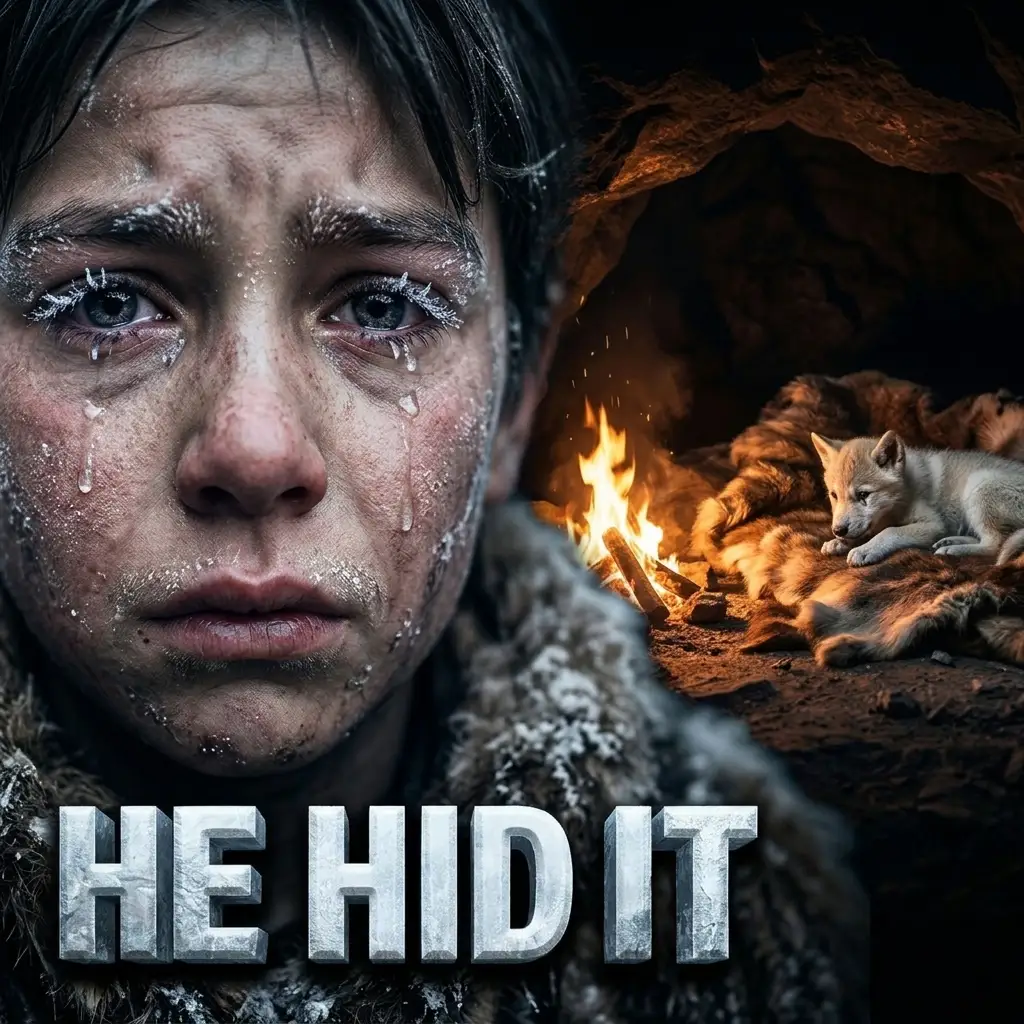
Life 20,000 Years Ago | When Your Ice Age Family Can’t Feed the Dog
FAQs
What challenges did prehistoric families face during winter freezes?
Prehistoric families faced numerous challenges during winter freezes, including scarcity of food, harsh weather conditions, and the need for adequate shelter. The cold temperatures made hunting and gathering difficult, leading to potential starvation. Additionally, families had to contend with the risk of hypothermia and frostbite without modern clothing or heating methods.
How did prehistoric families adapt to survive winter conditions?
To survive winter conditions, prehistoric families adapted by creating insulated shelters using materials like animal hides, wood, and snow. They also developed strategies for food preservation, such as drying or smoking meat, and relied on stored supplies from warmer months. Some groups may have migrated to milder climates during extreme cold periods.
What role did social structures play in surviving winter freezes?
Social structures were crucial for survival during winter freezes, as cooperation among family and community members increased the chances of finding food and sharing resources. Group hunting and collective efforts in building shelters allowed for better protection against the elements and improved food security, fostering a sense of solidarity and mutual support.
What types of food sources were available to prehistoric families in winter?
During winter, prehistoric families relied on a limited range of food sources, including stored nuts, dried fruits, and preserved meats. They also hunted large game such as mammoths or reindeer, which provided substantial nutrition. Fishing through ice and gathering edible plants that could survive the cold were additional strategies employed to supplement their diets.
How did climate change impact prehistoric family survival during winter?
Climate change significantly impacted prehistoric family survival during winter by altering weather patterns and affecting the availability of resources. Colder temperatures and prolonged winters could lead to harsher conditions, making it more difficult to find food and shelter. Conversely, warmer periods might have allowed for longer growing seasons and increased food availability, influencing migration patterns and settlement locations.