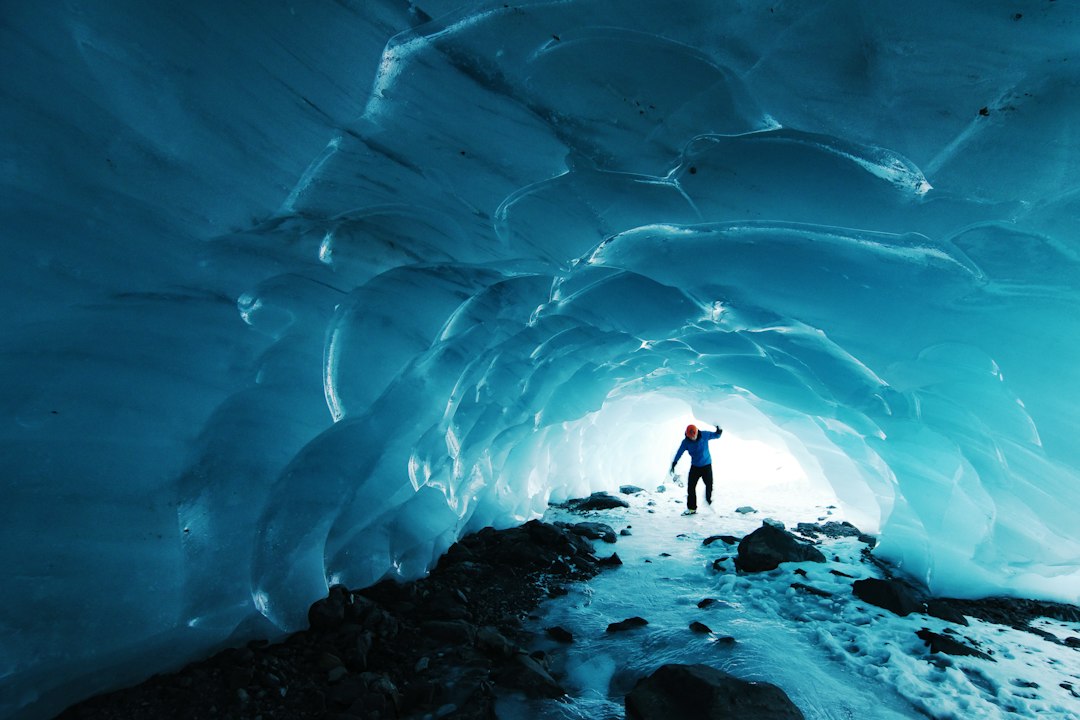
The Last Glacial Maximum, a period roughly 26,500 to 19,000 years ago, represents a stark testament to human resilience. During this epoch, colossal ice sheets, some kilometers thick, dominated vast swathes of the Northern Hemisphere. Scandinavia, much of Britain, and the northern United States and Canada were buried under this frozen dominion, drastically reshaping landscapes and pushing terrestrial ecosystems to their limits. The planet’s average temperature plummeted by as much as 10 degrees Celsius, leading to significantly lower sea levels as water was locked away in glacial ice. This harsh environment, characterized by freezing temperatures, limited habitable land, and scarce resources, would have presented an existential challenge to the early humans of the time. Yet, evidence from archaeological sites across the globe paints a picture not of extinction, but of survival and adaptation. These ancient peoples, armed with ingenuity, social cooperation, and a deep understanding of their surroundings, navigated a world teetering on the brink of inhospitable frozen desolation. Their story is one of remarkable endurance, showcasing the fundamental human capacity to thrive against formidable odds.
Adapting to the Frozen Frontier
The relentless advance of glaciers and the associated frigid climate necessitated a profound recalibration of human lifestyles. Survival hinged on the ability to exploit the few available niches and to develop technologies and behaviors that could withstand the extreme cold. This period wasn’t a uniform blanket of ice; rather, it was a mosaic of frozen tundra, exposed continental shelves, and more temperate refugia where life could persist. Early humans had to be acutely aware of these subtle environmental variations and tailor their strategies accordingly.
Finding Refuge in a Cold World
While much of the northern continents were encased in ice, pockets of relative habitability persisted, acting as crucial refugia. These were often located in southern latitudes, coastal regions that remained ice-free due to oceanic currents, or sheltered valleys protected from the harshest winds. Archaeological evidence suggests that human populations contracted and congregated in these areas, concentrating their efforts on exploiting the resources available there. For example, in Europe, the Franco-Cantabrian region, with its extensive cave systems offering natural shelter, became a vital stronghold for populations during the glacial maximum. These caves not only protected against the elements but also provided stable environments for social aggregation and the development of complex hunter-gatherer societies. In North America, evidence suggests that humans may have persisted in coastal refugia, areas that are now submerged due to post-glacial sea-level rise, or in ice-free corridors that opened at different times. Understanding these refugia is key to tracing the migratory patterns and survival strategies of populations during this critical period.
Mastering the Elements: Shelter and Fire
The development and mastery of artificial shelter and fire were paramount for surviving the extreme cold. Natural shelters like caves and rock overhangs were undoubtedly utilized, but humans also constructed their own dwellings. These often consisted of insulated structures built from readily available materials such as animal hides, mammoth bones, and wood. In the open plains of Eastern Europe, evidence from sites like Mezhirich in Ukraine reveals the construction of remarkable mammoth bone huts. These structures, some circular and others semi-subterranean, were substantial and likely provided excellent insulation against the frigid temperatures. The use of animal hides, often stretched over frameworks, would have created effective windbreaks and retained body heat.
Fire was more than just a source of warmth; it was a transformative technology. It provided light in the long, dark glacial nights, enabled the cooking of food which made it more digestible and nutritious, and served as a vital tool for processing materials like bone and hides. Archaeological sites frequently reveal hearths, often with evidence of repeated use, indicating the sustained importance of fire for daily life. The ability to control and maintain fire in windy, cold conditions would have been a significant advantage, allowing for the expansion of habitable zones and the extension of daily activities. The efficiency of fuel use, likely utilizing bone and dung in treeless environments, also speaks to the ingenuity of these early humans.
Understanding how humans survived the Last Glacial Maximum is a fascinating exploration of resilience and adaptation in the face of extreme environmental challenges. Researchers have uncovered various strategies that early humans employed, such as migration to more hospitable areas, the development of sophisticated hunting techniques, and the use of communal living for resource sharing. For a deeper insight into the complexities of human interaction during ancient times, you might find it interesting to read about the nuances of communication in political contexts, as discussed in the article on the art of diplomatic language in ancient politics, which can be found here: The Art of Diplomatic Language in Ancient Politics.
Subsisting on the Edge: Hunting and Gathering Strategies
The flora and fauna available to humans during the Last Glacial Maximum were drastically different from those of today. The landscape was dominated by cold-adapted species, and the types of plants that could survive the harsh conditions were limited. Human survival depended on an intimate knowledge of these resources and the development of sophisticated hunting and gathering techniques.
The Mega-Hunt: Pursuing Cold-Adapted Prey
The iconic image of Ice Age survival often involves the hunting of large megafauna. Mammoths, woolly rhinoceroses, bison, and reindeer were crucial sources of meat, fat, hides, and bone. These animals, adapted to the cold, were a concentrated source of calories and essential nutrients. Hunting such large and potentially dangerous prey was a highly organized and cooperative endeavor. Evidence from kill sites and butchery marks on animal bones demonstrates sophisticated hunting strategies. These included ambushing prey in natural traps like ravines or bogs, using projectiles like spears tipped with stone points, and potentially employing cooperative herding techniques to drive animals into vulnerable positions. The successful procurement of large game would have provided sustenance for groups over extended periods, allowing for settlement in areas with abundant prey.
Exploiting the Tundra and Steppe Biomes
Beyond megafauna, early humans were skilled at exploiting the resources of the tundra and steppe biomes. While plant life was sparse, they would have gathered edible roots, tubers, and berries that could survive in these conditions. These would have supplemented the diet, especially during periods when large game was scarce. The rivers and lakes, though often frozen, would have provided opportunities for fishing. Evidence of fish bones at some sites suggests that this was a viable, albeit seasonal, food source. The ability to utilize a diverse range of food sources, from the largest mammals to the smallest plants, was a testament to the adaptability of these early hunter-gatherers. Their knowledge of seasonal availability and the reproductive cycles of their prey and the plants they gathered would have been critical for long-term survival.
Technological Innovations in Hunting and Resource Acquisition
The challenges of the Ice Age spurred significant technological innovation. The development of more efficient projectile points, such as those associated with the Solutrean culture in Europe, indicates advancements in stone tool technology. These points were often finely crafted and designed for maximum penetration and impact. The invention of the spear-thrower (atlatl) was a game-changer, allowing hunters to project spears with greater force and accuracy, increasing their range and safety. Beyond lithic technology, the effective use of bone and antler for tools, weapons, and even for construction (as seen in mammoth bone huts) highlights a comprehensive understanding of material properties and their applications. This period also saw the refinement of techniques for processing animal hides into durable clothing and shelter materials, essential for protection against the extreme cold.
Social Structures and Cooperation for Survival
In the face of overwhelming environmental pressures, social organization and cooperation were not merely advantageous; they were essential for human survival. The challenges of the Last Glacial Maximum would have been insurmountable for solitary individuals or small, loosely connected groups.
The Power of the Band: Group Living and Resource Sharing
Early humans lived in social groups, often referred to as bands, which likely consisted of extended families or kin groups. These bands would have been crucial for communal defense, cooperative hunting, and the sharing of resources. The ability to pool labor for tasks like building shelters, processing game, and caring for the young would have significantly increased their chances of survival. Archaeological evidence, such as the presence of multiple hearths within a single dwelling or the distribution of artifacts at a campsite, can provide insights into the size and organization of these social units. The sharing of knowledge and skills within the group, passed down from generation to generation, was vital for adapting to changing conditions and for maintaining technological expertise.
Intergroup Relations: Alliances and Exchange
While small bands formed the basis of social organization, evidence suggests that interactions between different groups also occurred. These interactions could have taken various forms, from periodic gatherings for mating and trade to the formation of larger alliances for mutual support. The presence of exotic raw materials at archaeological sites, sourced from distant locations, points to established trade networks. These networks, even if informal, would have facilitated the exchange of goods, ideas, and perhaps even social connections. In times of extreme resource scarcity or environmental upheaval, such intergroup relations could have provided crucial lifelines, allowing groups to access resources from neighboring territories or to seek refuge with allied populations. The ability to form and maintain these social connections across a fragmented and often challenging landscape was a significant factor in long-term human persistence.
Cognitive and Cultural Adaptations
Survival during the Last Glacial Maximum was not solely a matter of physical prowess and technological innovation. The cognitive and cultural adaptations of early humans played a pivotal role in their ability to understand, navigate, and ultimately thrive in their challenging world.
The Emergence of Complex Cognition and Symbolic Expression
The period of the Last Glacial Maximum witnessed the continued development and flourishing of complex human cognition. This is most vividly evident in the emergence of sophisticated symbolic expression. Cave art, found in sites across Europe, such as Lascaux and Chauvet, provides a breathtaking window into the minds of Ice Age humans. These intricate paintings and engravings of animals, abstract symbols, and human figures demonstrate a capacity for abstract thought, planning, and communication. The creation of such art likely served multiple purposes: it could have been part of ritualistic practices, a method of knowledge transmission about the natural world, or a form of storytelling that reinforced social cohesion. The meticulous detail and artistic skill displayed in these works underscore a level of cognitive sophistication that allowed for complex social interactions and a nuanced understanding of their environment.
The Transmission of Knowledge: Education and Lore
The successful survival of Ice Age populations depended heavily on the effective transmission of knowledge. This was not confined to practical skills like toolmaking or hunting techniques; it also encompassed an understanding of the environment, the behavior of animals, the properties of plants, and the social norms of their communities. This knowledge was passed down through generations via oral traditions, storytelling, and direct instruction. The creation of art and other symbolic artifacts likely played a role in this transmission, embedding vital information within memorable and engaging forms. The ability to learn from past experiences, both within an individual’s lifetime and across generations, was a cornerstone of their resilience. This capacity for cumulative culture, where knowledge builds and refines over time, is a defining characteristic of human success and was crucial for navigating the extreme conditions of the glacial maximum.
Navigating a Dynamic World: Environmental Knowledge and Prediction
Early humans possessed an intimate and profound understanding of their environment. They would have been acutely aware of seasonal changes, weather patterns, the migration routes of animals, and the locations of essential resources like water and shelter. This knowledge was not static; it was constantly updated and refined through observation and experience. The ability to predict the onset of harsh winters or the movements of prey herds would have been critical for planning hunting expeditions and for ensuring the survival of the group. This environmental literacy, combined with their cognitive flexibility, allowed them to adapt their strategies as the climate shifted and landscapes changed, demonstrating a remarkable capacity to live in harmony with, and to master, a challenging natural world.
During the Last Glacial Maximum, humans faced extreme environmental challenges that tested their survival skills and adaptability. Research suggests that early humans utilized various strategies, such as migrating to more hospitable areas and developing new hunting techniques to cope with the harsh conditions. For a deeper understanding of how technological advancements can aid in survival, you might find it interesting to explore the article on advancing lunar operations with autonomous systems, which highlights how innovation can play a crucial role in overcoming obstacles, much like our ancestors did during the Ice Age.
Legacy of Resilience: The Enduring Human Spirit
| Survival Strategy | Description | Evidence | Impact on Human Survival |
|---|---|---|---|
| Use of Fire | Controlled use of fire for warmth, cooking, and protection | Charcoal remains, hearths found in archaeological sites | Increased caloric intake and survival in cold climates |
| Clothing and Shelter | Development of tailored clothing from animal hides and construction of shelters | Bone needles, remains of huts and shelters | Protection from extreme cold and wind |
| Dietary Adaptation | Shift to hunting large Ice Age mammals and gathering diverse plant foods | Stone tools, animal bones with cut marks | Improved nutrition and energy availability |
| Migration | Movement to more hospitable regions with better resources | Genetic studies, distribution of artifacts | Access to more favorable climates and resources |
| Social Cooperation | Group hunting, sharing resources, and knowledge transmission | Complex tool assemblages, evidence of communal living | Enhanced survival through collaboration and cultural learning |
The Last Glacial Maximum was not simply a period of hardship; it was a crucible that forged the resilience and adaptability that defines our species. The challenges of this era forced early humans to innovate, to cooperate, and to develop a deep understanding of their world, laying the groundwork for the future expansion and diversification of humanity across the globe.
The Foundations for Future Expansion
The successful navigation of the Last Glacial Maximum provided early humans with a robust set of skills and adaptations that would prove invaluable as the climate began to warm. The technological advancements in hunting, shelter construction, and material processing, honed during the ice age, allowed populations to thrive and expand into newly available territories as the glaciers retreated. The social structures and cooperative behaviors that were essential for survival in harsh conditions continued to serve as the foundation for more complex societies. The cognitive abilities and symbolic expressions that flourished during this period continued to develop, leading to the rich tapestry of human cultures that characterize our history. In essence, the Ice Age was a critical evolutionary testing ground, shaping the very essence of what it means to be human.
Understanding Our Ancestors’ Triumph
Studying the lives of those who endured the Last Glacial Maximum offers profound insights into our own lineage. It reminds us of the remarkable capacity for adaptation and innovation that lies at the heart of the human story. The archaeological record, though often fragmented and challenging to interpret, tells a compelling narrative of ingenuity, perseverance, and the enduring power of social connection. By piecing together the evidence from ancient hearths, toolkits, and cave paintings, we gain a deeper appreciation for the challenges our ancestors faced and the extraordinary ways in which they overcame them. Their story is a testament to the unyielding human spirit, a spirit that has allowed us to populate virtually every corner of the Earth and to continue to adapt to new and unforeseen challenges. The lessons learned from their survival continue to resonate, offering inspiration and a profound sense of connection to our ancient past.

20,000 Years Ago | The Coldest Journey in Human History
FAQs
What was the Last Glacial Maximum?
The Last Glacial Maximum (LGM) was a period during the last ice age when ice sheets covered a large portion of the Earth’s surface, reaching their maximum extent about 26,500 years ago.
How did humans survive the Last Glacial Maximum?
Humans survived the Last Glacial Maximum by adapting to the harsh conditions. They developed advanced tools, clothing made from animal hides, and built shelters to protect themselves from the cold.
Did humans migrate during the Last Glacial Maximum?
Yes, humans migrated during the Last Glacial Maximum to follow food sources and seek more hospitable environments. This led to the peopling of new regions and continents.
What role did hunting play in human survival during the Last Glacial Maximum?
Hunting played a crucial role in human survival during the Last Glacial Maximum. Humans relied on hunting large mammals for food, clothing, and tools, which helped them adapt to the challenging environment.
Were there any advancements in technology or culture during the Last Glacial Maximum?
Yes, there were advancements in technology and culture during the Last Glacial Maximum. Humans developed new tools, such as spear-throwers and harpoons, and created intricate artwork, indicating a complex social structure and cultural expression.