The biting wind howled, carrying with it the promise of snow and the gnawing threat of starvation. For prehistoric tribes, the onset of winter was not a gentle transition, but a stark confrontation with the raw power of nature. These early human societies, lacking the sophisticated technologies and societal structures of today, faced a formidable challenge: how to survive the long, dark months of winter. Their enduring legacy, however, is a testament to remarkable ingenuity, profound ecological knowledge, and an unwavering will to persevere. Through careful observation, adaptation, and a deep understanding of their environments, these ancestors not only endured but often thrived, laying the groundwork for human resilience in the face of extreme conditions.
Shelter: The Fortress Against the Frost
The most immediate and critical concern for any prehistoric tribe facing winter was the need for adequate shelter. Exposure to the elements was a swift and deadly enemy, and the ingenuity applied to constructing and maintaining habitable spaces was paramount to survival. These dwellings were not merely rudimentary huts; they were carefully designed structures that maximized the benefits of available materials and natural features, offering protection from the wind, snow, and extreme cold. The selection of a site, the choice of building materials, and the very form of the dwelling all reflected a sophisticated understanding of thermal dynamics and environmental pressures.
Subterranean Sanctuaries: Harnessing Earth’s Embrace
One of the most effective strategies employed by many prehistoric groups was the utilization of subterranean or semi-subterranean dwellings. By digging into the earth, tribes could tap into the stable, moderate temperatures found below the frost line. These structures offered excellent insulation against the fluctuating surface temperatures. Homes carved into hillsides, or sunken pits with strategically placed roofs, provided a natural buffer against the harsh winter winds. The earth itself became a formidable insulator, trapping warmth generated by internal fires and the bodies of the inhabitants. The construction often involved excavating a pit, then building walls from timber, stone, or packed earth, topped with a thatched or sod roof. This effectively created a thermal mass that helped regulate interior temperatures, making these dwellings significantly warmer and more stable than above-ground structures. Evidence for such dwellings can be found across various archaeological sites, indicating a widespread and successful adaptation to cold climates.
Above-Ground Innovations: Fortified and Insulated Dwellings
While subterranean homes offered significant advantages, above-ground structures were also crucial, especially in regions where digging was difficult or impractical. Prehistoric builders developed sophisticated techniques to create robust and insulated dwellings that could withstand the rigors of winter. The use of readily available materials like timber, stone, and animal hides was central to these constructions. Dwellings were often built with thick walls to provide insulation and were designed with minimal openings to reduce heat loss. The orientation of these structures also played a role, with entrances often facing away from prevailing winds. In areas with abundant forests, log cabins, or structures with wattle-and-daub infill, provided sturdy shelters. In rocky terrains, natural caves were often enhanced and fortified. The roofs were typically steeply pitched to shed snow efficiently, preventing structural collapse. The interiors were further insulated with layers of animal furs, grasses, and other insulating materials, creating a warm and relatively comfortable living space.
Heating and Ventilation: The Art of Indoor Climate Control
Maintaining a livable temperature inside these dwellings required a careful balance between heating and ventilation. Fires were essential for warmth, but open fires posed risks of smoke inhalation and uncontrolled heat loss. Prehistoric peoples learned to manage these challenges effectively. Hearths were often centrally located within dwellings, designed to direct heat inward and, in some cases, to channel smoke upwards through a rudimentary chimney or opening in the roof. The use of specific types of fuel also mattered; slow-burning woods and dung provided sustained heat. Furthermore, they understood the importance of ventilation. While sealing up dwellings was crucial for warmth, complete airtightness would lead to dangerous levels of carbon monoxide and a buildup of moisture. Small, strategically placed openings, or the deliberate creation of air currents, allowed for the necessary exchange of air, ensuring breathable conditions without compromising too much on warmth. This careful management of indoor climate was a testament to their practical understanding of physics and human physiology.
Prehistoric tribes faced numerous challenges during winter storms, often relying on their ingenuity and resourcefulness to survive the harsh conditions. They developed various strategies, such as building sturdy shelters and stockpiling food, to endure the cold months. For a deeper understanding of how ancient communities adapted to their environment, you can explore the article on security strategies in modern contexts, which draws parallels to historical survival tactics. Check it out here: Demystifying the Security Shoring Strategy.
Sustenance: Storing the Harvest and Hunting the Elusive
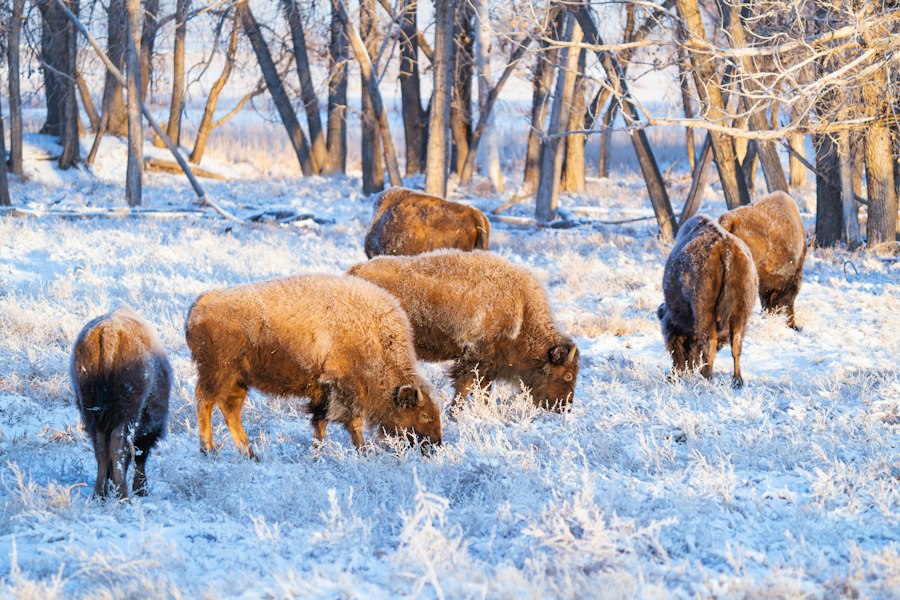
Winter presented a significant challenge to food security. The abundance of the warmer months dwindled, and the landscape often became barren. Prehistoric tribes developed intricate strategies for both preserving food from the harvest and hunting the scarce game that remained. This required foresight, planning, and a deep understanding of the natural cycles of their environment. Their ability to store food and their skill in hunting during challenging conditions were critical factors in their ability to survive the lean months.
Preserving the Bounty: Techniques for Long-Term Storage
The successful transition into winter was heavily reliant on the ability to preserve the food gathered during the more abundant seasons. This involved a variety of ingenious methods that prevented spoilage and ensured a supply of nutrients throughout the winter. Drying was a primary technique. Meats, fish, and fruits were often thinly sliced and exposed to air, either sun-dried or dried over low fires. This removed moisture, inhibiting the growth of bacteria and molds. Smoking, which combined drying with the antiseptic properties of smoke, was another highly effective method for preserving meat and fish, also imparting a desirable flavor. Root vegetables and tubers were often stored in cool, dark, and dry conditions, sometimes buried in pits or stored in underground cellars, which maintained a stable temperature and humidity, preventing them from sprouting or rotting. Grains and seeds were typically dried and stored in sealed containers, often made of pottery or woven baskets, to protect them from moisture and pests. Fermentation was also likely employed for certain foodstuffs, creating lactic acid that acted as a preservative and enhanced digestibility. The success of these preservation methods directly dictated the length of time a tribe could comfortably subsist without relying on the more precarious hunting of winter.
The Winter Hunt: Tracking and Trapping in the Snow
While stored food was essential, hunting continued to play a vital role in the winter diet. The challenge of hunting in snowy and cold conditions required specialized skills and knowledge. Prehistoric hunters were masters of tracking, able to read the subtle signs left by animals in the snow – a disturbed patch of white, a snapped twig, or a faint paw print. They understood animal behavior, knowing where to find animals seeking shelter or foraging for scarce vegetation. Trapping was also a crucial strategy, requiring less direct confrontation with potentially dangerous prey and allowing hunters to conserve energy. Simple snares, pit traps, and more complex deadfall traps were employed to catch small game like rabbits, birds, and even larger animals. The development of specialized hunting tools was also key. The spear, often tipped with sharpened stone or bone, was a primary weapon, and its effectiveness was enhanced by the development of the atlatl, a spear-thrower that significantly increased the range and power of a thrown spear. Archery, when it emerged, further revolutionized winter hunting by allowing for more distant and precise kills. The ability to adapt hunting strategies to the specific conditions of winter, utilizing camouflage, understanding wind direction, and patiently waiting for opportunities, was a hallmark of successful prehistoric survival.
Social Cohesion: Strength in Numbers and Shared Knowledge

Winter’s challenges were not solely physical; they were also social. The confined spaces and shared reliance on resources fostered a strong sense of community and cooperation. Prehistoric tribes understood that their collective strength was their greatest asset. Social structures, traditions, and the transmission of knowledge were vital for navigating the hardships of winter together.
The Hearth as the Heart of the Community
The dwelling, particularly the central hearth, served as the focal point of social life during the winter months. Around the fire, families and kin groups would gather, sharing warmth, food, and stories. This was a time for reinforcing social bonds, for elders to impart their wisdom to younger generations, and for communal activities that fostered a sense of unity. Storytelling, often accompanied by music or rudimentary performances, served not only as entertainment but as a crucial mechanism for preserving history, cultural values, and practical knowledge. Shared meals, even meager ones, were important rituals that reinforced interdependence. The very act of huddling together for warmth fostered a sense of shared experience and mutual reliance, strengthening the fabric of the community.
Intergenerational Knowledge Transfer: Lessons Learned
Winter was a prime season for the transmission of vital knowledge from the elders to the younger members of the tribe. Survival skills that had been honed over generations were passed down through direct instruction, observation, and participation. This included the intricate knowledge of edible plants that might still be accessible, the best methods for finding water in a frozen landscape, the nuances of animal tracking and trapping in different snow conditions, and the techniques for repairing tools and clothing. The elders, possessing a lifetime of experience, held the keys to navigating the dangers and uncertainties of the winter. This intergenerational transfer of knowledge ensured that the survival strategies of the tribe were not lost, but continually refined and passed on, guaranteeing the continuity of their way of life. The success of a tribe in enduring winter was, in large part, a reflection of the effectiveness of this knowledge transfer system.
Ritual and Belief: Finding Meaning in the Darkness
For prehistoric peoples, winter was often a time imbued with spiritual significance. The harshness of the season, the long nights, and the apparent stillness of nature could inspire awe, fear, and a deep contemplation of the forces that governed their world. Rituals and ceremonies, often centered around the cycles of nature and the hope for the eventual return of spring, played a crucial role in maintaining morale and providing a framework for understanding their existence. These rituals could involve offerings, dances, or communal prayers, aimed at appeasing spirits, ensuring a successful return of game, or simply celebrating their continued survival. The shared experience of these rituals further strengthened social bonds and provided a sense of hope and collective purpose. In the face of overwhelming natural forces, these spiritual practices offered comfort, meaning, and a sense of control, however symbolic, over their environment.
Tools and Technology: Ingenuity in the Face of Adversity
The ability of prehistoric tribes to survive winter was inextricably linked to their development and use of tools and technologies. While these may seem simple by modern standards, they represented a sophisticated understanding of materials and physics, honed through generations of trial and error. These innovations were crucial for every aspect of winter survival, from shelter construction to food acquisition and the creation of essential clothing.
Crafting Warmth: The Art of Hide Preparation and Clothing
Clothing was a critical barrier against the cold, and prehistoric peoples were masters of utilizing animal hides to create effective garments. The process began with the careful flaying of animals, followed by scraping away any remaining fat or flesh. Hides were then treated through various methods, including brain tanning, which used animal brains to break down tough connective tissues, making the leather soft and pliable. Smoking the hides also added a degree of waterproofing and preservation. The skins were then cut and sewn together using bone needles and sinew as thread, creating garments that were often layered for maximum insulation. Such clothing would have included tunics, leggings, and capes, all designed to trap body heat and protect against wind and snow. The meticulous preparation and crafting of these garments underscore the immense effort and skill involved in ensuring warmth and comfort throughout the long winter months.
Tools for the Frost: Adapting the Arsenal
The tools used for survival were adapted and refined to meet the specific challenges of winter. The axe, whether made of stone or bone, was essential for felling trees for construction and fuel, and for shaping wood for various purposes. Knives and scrapers, fashioned from sharp stone flakes, were used for preparing hides, butchering game, and crafting smaller tools. Bone awls and needles were indispensable for sewing clothing and repairing shelters. Specialized tools for ice fishing, such as bone or stone hooks and gorges, were developed to exploit the resources available beneath frozen water bodies. The development of containers, such as pottery or woven baskets, was crucial for storing food and water, and for transporting materials. Even simple tools like digging sticks, hardened by fire, were vital for unearthing roots or creating the foundation for shelters. The ingenuity in adapting existing tools and developing new ones specifically for winter conditions highlights their pragmatic and innovative approach to survival.
Fire: The Ever-Present Ally
Fire was arguably the most important technological advancement for prehistoric survival, and its role in winter was indispensable. The ability to create and control fire provided warmth, a means of cooking food, protection from predators, and a source of light in the long winter nights. Prehistoric peoples likely developed multiple methods for fire ignition, including friction-based techniques like the hand drill or bow drill, and the use of percussion with specific types of stone to create sparks. Once ignited, maintaining a fire required constant attention and a steady supply of fuel. The careful collection and management of firewood were therefore critical winter activities. The hearth not only provided physical warmth but also psychological comfort, a beacon of life and security in the heart of the cold and darkness. The mastery of fire was a fundamental pillar of their ability to endure and thrive during the winter months.
Prehistoric tribes faced numerous challenges during winter storms, relying on their ingenuity and resourcefulness to survive the harsh conditions. They developed various strategies, such as building sturdy shelters and stockpiling food to endure the long, cold months. Additionally, they often worked together in communal efforts to ensure the safety and well-being of their members. For a deeper understanding of how communities adapt to extreme environments, you can explore this insightful article on the consequences of an attack on a lunar base, which draws parallels to the survival tactics of ancient tribes. Check it out here.
Beyond Survival: Resilience and Adaptation as a Legacy
| Aspect | Method | Description | Effectiveness |
|---|---|---|---|
| Shelter | Use of natural caves and constructed huts | Tribes sought natural caves or built insulated huts using wood, animal hides, and snow to protect from wind and cold. | High – Provided essential protection from harsh weather and retained heat. |
| Clothing | Animal skins and furs | Wearing layered clothing made from thick animal furs and skins to maintain body heat. | High – Effective insulation against cold temperatures. |
| Fire | Controlled use of fire | Maintaining fires inside shelters or communal areas for warmth and cooking. | High – Crucial for warmth and survival during storms. |
| Food Storage | Preservation and caching | Storing dried or frozen food in protected areas to ensure supply during winter. | Moderate – Helped sustain tribes when hunting was difficult. |
| Mobility | Seasonal migration | Moving to lower elevations or sheltered areas to avoid the worst weather. | Variable – Depended on geography and tribe mobility. |
| Community Cooperation | Group living and resource sharing | Pooling resources and living communally to increase survival chances. | High – Enhanced warmth and resource efficiency. |
The enduring success of prehistoric tribes in surviving winter storms is far more than just a narrative of hardship endured. It is a profound testament to the inherent resilience of the human spirit and our remarkable capacity for adaptation. The strategies they developed, honed over countless generations, speak volumes about their deep connection to the natural world and their ability to innovate and cooperate in the face of extreme environmental pressures. Their legacy is woven into the very fabric of human history, demonstrating that with ingenuity, community, and a profound understanding of the world around them, even the harshest conditions can be overcome.
The Foundation of Future Civilizations
The survival strategies developed by prehistoric tribes during winter laid the groundwork for the development of more complex societies. Their understanding of food preservation allowed for the establishment of settled communities, as they could rely on stored resources. Their knowledge of shelter construction evolved into more sophisticated architecture. The social cohesion and cooperative practices fostered during harsh winters became the bedrock of larger social structures and governance. In essence, their ability to overcome the challenges of winter was a crucial evolutionary step that enabled humanity to spread across diverse and often challenging environments, paving the way for the rise of agriculture, the development of civilizations, and the expansion of human populations across the globe.
A Lesson in Sustainable Living
In an era increasingly concerned with environmental sustainability, the practices of prehistoric tribes offer valuable insights. Their existence was intrinsically linked to the health of their ecosystems. They understood the rhythms of nature, took only what they needed, and wasted little. Their reliance on locally sourced materials and their intimate knowledge of the land fostered a deep respect for the environment. This approach to living in balance with nature, a stark contrast to many modern industrial practices, serves as a powerful reminder that true resilience often lies not in conquering nature, but in living in harmony with it. Their ability to thrive for millennia without significantly damaging their environments is a potent lesson for contemporary society.
The Enduring Spirit of Human Ingenuity
Ultimately, the story of prehistoric tribes surviving winter storms is a powerful affirmation of the indomitable spirit of human ingenuity and perseverance. Faced with existential threats, they did not succumb to despair. Instead, they observed, they learned, they innovated, and they supported one another. They demonstrate that even with limited technology, a profound understanding of the natural world, coupled with a strong social fabric, can be the most powerful tools for survival. Their story is a timeless reminder that challenges, no matter how formidable, can be met and overcome with intelligence, cooperation, and an unwavering will to endure. This enduring spirit of adaptation and resilience is perhaps their greatest and most enduring legacy to all of humanity.

20,000 Years Ago | The Coldest Journey in Human History
FAQs
How did prehistoric tribes stay warm during winter storms?
Prehistoric tribes stayed warm during winter storms by using animal furs and hides to make clothing and blankets. They also built shelters out of materials like wood, stone, and animal skins to protect themselves from the cold.
What did prehistoric tribes eat during winter storms?
Prehistoric tribes relied on stored food supplies such as dried meat, nuts, and berries during winter storms. They also hunted animals like deer and rabbits for fresh meat, and some tribes practiced ice fishing to catch fish from frozen lakes and rivers.
How did prehistoric tribes navigate through winter storms?
Prehistoric tribes navigated through winter storms by using landmarks, natural signs, and the position of the sun and stars. They also developed knowledge of their surroundings over generations, allowing them to travel safely even in harsh winter conditions.
Did prehistoric tribes have any rituals or traditions related to winter storms?
Some prehistoric tribes had rituals or traditions related to winter storms, such as performing ceremonies to ask for protection from harsh weather or to celebrate the changing seasons. These rituals often involved storytelling, music, and dance to bring the community together during challenging times.
How did prehistoric tribes prepare for winter storms in advance?
Prehistoric tribes prepared for winter storms in advance by gathering extra food supplies, reinforcing their shelters, and stocking up on firewood. They also made sure their clothing and footwear were in good condition to withstand the cold and snow. Additionally, some tribes migrated to more sheltered areas or lower elevations before the onset of winter to avoid the worst of the storms.