The arid and semi-arid regions of the world have long grappled with the challenge of water scarcity, a predicament that profoundly impacts agricultural productivity and the livelihoods of countless communities. For millennia, ingenious systems have been developed to harness precious water resources, and among the most remarkable and enduring is the qanat. This subterranean channel, painstakingly constructed by ancient engineers, transports water from underground aquifers to the surface, providing a vital lifeline for agriculture. While qanat systems represent a significant historical achievement in water management, their continued efficacy in the face of modern environmental pressures and increasing water demands necessitates a critical examination and strategic enhancement of their irrigation techniques. The focus here is on exploring how these ancient marvels can be revitalized and optimized through sustainable agricultural practices.
The Enduring Legacy of Qanat Systems
Qanat systems, also known by various names across different cultures such as Karez, Galeries Drainantes, or Foggara, are a testament to human ingenuity in adapting to challenging environments. Their fundamental principle involves tapping into groundwater reserves by excavating a series of gently sloping tunnels that run downhill from the aquifer to the surface. This gravity-fed system avoids the evaporation losses inherent in open canals and allows for the efficient delivery of water to agricultural lands, often over considerable distances. The construction of a qanat is an arduous undertaking, requiring meticulous surveying, excavation through diverse geological formations, and ongoing maintenance to prevent collapse and siltation. The social and economic structures that evolved around qanat systems were equally sophisticated, often involving complex water rights, community cooperation, and specialized roles for their upkeep. The sustainability of these systems was not merely a technical feat but a social and economic one, deeply embedded in the fabric of their societies. Historically, qanats have been instrumental in the development of lush agricultural oases in otherwise desolate landscapes, supporting populations for centuries. Their ability to provide a reliable, albeit often limited, water source made them the backbone of agriculture in regions like Iran, Afghanistan, Oman, and parts of North Africa and Spain. The inherent low energy requirement of the gravity-fed system also aligns with principles of sustainability, minimizing reliance on external energy sources.
Historical Context and Global Distribution
The origins of qanat technology are debated, with evidence pointing to Persia (modern-day Iran) as a likely center of development, perhaps as early as the 8th century BCE. From Persia, the technology spread along ancient trade routes, influencing agricultural practices across the Middle East, Central Asia, North Africa, and even reaching as far as the Iberian Peninsula and China. The sheer geographical distribution of qanat systems underscores their adaptability and the universal need for efficient water management in arid regions. Each region developed unique adaptations to the basic qanat design, influenced by local topography, soil conditions, and cultural practices. For instance, the scale and complexity of qanat systems varied significantly, from small, localized networks serving a few villages to vast interconnected systems supporting entire cities and extensive agricultural areas. The resilience of these systems over millennia is a testament to their inherent robustness and the deep understanding of hydrogeology possessed by their builders. The preservation of this knowledge and the physical infrastructure of qanats are crucial for understanding historical water management and for informing contemporary sustainable practices.
Socio-Economic Impact and Community Reliance
The construction and maintenance of qanats fostered strong community bonds and cooperative water management practices. Water from qanats was often allocated based on pre-established rights and schedules, promoting social equity and preventing conflicts over this vital resource. The availability of water directly impacted settlement patterns, economic development, and cultural practices in qanat-dependent regions. The social organization surrounding qanats often involved a hierarchical structure with roles for engineers, excavators, caretakers, and water distributors. This shared responsibility fostered a sense of collective ownership and a vested interest in the long-term health of the water system. In many communities, the qanat was more than just an irrigation system; it was the heart of their existence, shaping their entire way of life. The intricate water rights systems, often codified in oral traditions or written agreements, ensured fair distribution and prevented the depletion of the aquifer. This historical model of community-based resource management offers valuable lessons for modern water governance.
Qanat field irrigation is an ancient technique that has been crucial for agriculture in arid regions, allowing for the efficient distribution of water from underground sources. This method not only conserves water but also supports sustainable farming practices. For a deeper understanding of how environmental issues, such as deforestation, impact agricultural practices and water management, you can read a related article on the topic at The Deforestation Crisis: A Looming Catastrophe.
Challenges Facing Traditional Qanat Irrigation
Despite their historical success, qanat systems today face a multitude of challenges that threaten their continued viability. These challenges are a complex interplay of environmental, social, and economic factors, exacerbated by changing climatic conditions and increased human activity. The most significant threat is often over-extraction of groundwater, both from the qanat itself and from surrounding wells, leading to aquifer depletion and a decline in qanat discharge.
Aquifer Depletion and Declining Water Tables
The primary challenge to qanat systems is the decline in groundwater levels. In many regions, increased demand for water from agriculture, industry, and domestic use has led to excessive pumping, drawing down the water table faster than it can be replenished. This directly impacts the flow of qanats, reducing their discharge and sometimes rendering them inoperable. Over-extraction can lead to irreversible damage to the aquifer, making it difficult or impossible to restore water levels. Furthermore, the ingress of saline water into freshwater aquifers can render the water unusable for irrigation. The interconnectedness of groundwater systems means that extraction from one source can negatively affect others, highlighting the need for integrated water resource management.
Environmental Degradation and Siltation
Qanats are susceptible to environmental degradation, particularly siltation. Natural erosion processes, exacerbated by unsustainable land-use practices in the recharge areas, can lead to increased sediment load entering the qanat. This sediment gradually fills the tunnels, reducing their carrying capacity and requiring costly and labor-intensive desilting operations. Changes in land cover, such as deforestation or intensive agriculture without adequate soil conservation measures, can significantly increase runoff and erosion, contributing to siltation. The structural integrity of the qanat itself can also be compromised by earthquakes, land subsidence, or poor construction and maintenance, leading to collapses and water loss.
Socio-Economic Shifts and Loss of Traditional Knowledge
Modernization, rural-urban migration, and changes in land ownership have eroded the traditional community structures that were essential for qanat maintenance. Younger generations may not possess the specialized knowledge and skills required for qanat upkeep, and the economic incentives for maintaining these systems can diminish, especially when alternative water sources or livelihoods become available. The privatization of land and water resources can also disrupt traditional cooperative management systems. Without the collective responsibility and shared understanding of the qanat’s importance, their long-term sustainability is jeopardized. The loss of traditional ecological knowledge related to qanat operation, maintenance, and water allocation represents a significant cultural and practical loss.
Enhancing Qanat Irrigation Techniques for Sustainability
Addressing the challenges faced by qanat systems requires a multifaceted approach that combines modern technological solutions with a deep respect for traditional knowledge and practices. The goal is not to replace the qanat but to enhance its efficiency, resilience, and sustainability in the context of contemporary environmental and socio-economic realities.
Modern Water Management and Monitoring
Integrating modern water management techniques is crucial for optimizing qanat performance. This includes employing real-time monitoring systems to track water flow, water levels in the aquifer, and the discharge from the qanat. Advanced hydrological modeling can help predict aquifer behavior and optimize extraction rates. Implementing smart irrigation scheduling based on crop water requirements and weather forecasts can ensure that water is used efficiently, minimizing waste. Sensors can be deployed to detect leaks or blockages within the qanat, allowing for prompt intervention and reducing water loss. Data-driven approaches to water management can provide valuable insights for long-term planning and resource allocation.
Improving Water Use Efficiency in Agriculture
Beyond the qanat itself, enhancing water use efficiency at the farm level is paramount. This involves promoting water-saving irrigation methods such as drip irrigation or micro-sprinklers, which can be integrated with qanat water delivery systems where feasible. Selecting drought-tolerant crop varieties and adopting water-efficient farming practices like mulching and conservation tillage can significantly reduce the overall water demand. Education and training programs for farmers on best practices for water management are essential. The establishment of water user associations that promote collective responsibility for efficient water use and equitable distribution can further bolster sustainability.
Infrastructure Rehabilitation and Maintenance Strategies
Investing in the rehabilitation and regular maintenance of qanat infrastructure is vital. This may involve repairing collapsed sections, desilting tunnels, and reinforcing vulnerable areas. Modern construction techniques and materials can be used to improve the durability and longevity of qanat structures. Developing sustainable funding mechanisms for ongoing maintenance, possibly through community contributions, government support, or private sector partnerships, is crucial. Establishing local maintenance brigades equipped with the necessary tools and training can ensure that qanats are kept in good working order. Preventive maintenance, rather than reactive repairs, is key to minimizing costly interventions and water losses.
Innovations in Qanat Augmentation and Protection
Beyond improving the efficiency of existing qanat operations, innovative approaches can be employed to augment water availability and protect the integrity of these vital systems. These innovations aim to enhance the resilience of qanats to changing environmental conditions and to ensure their long-term viability.
Recharge Augmentation and Aquifer Management
Strategies to artificially recharge aquifers that feed qanats can help to counteract depletion. This can involve rainwater harvesting techniques, the construction of check dams, or the managed infiltration of excess surface water during periods of high rainfall. These methods aim to increase the natural replenishment of groundwater reserves, thereby supporting higher qanat discharge. Integrated watershed management plans that focus on land conservation and sustainable land use practices in the recharge areas are crucial for maintaining the health of the aquifer and ensuring a consistent water supply for the qanat. Understanding the hydrogeological connectivity between different water sources is essential for effective aquifer management.
Technological Innovations for Water Conservation
Emerging technologies offer new possibilities for water conservation within qanat systems. Solar-powered pumps can be integrated into qanat outlets to lift water to higher irrigation levels or to distribute it more evenly across fields, reducing reliance on manual labor and improving efficiency. Smart sensors can monitor soil moisture levels, providing precise irrigation recommendations and preventing overwatering. The use of remote sensing and Geographic Information Systems (GIS) can aid in identifying optimal locations for new qanat construction or for the rehabilitation of existing ones, as well as in mapping and managing water resources more effectively. Advanced materials can be explored for lining qanat tunnels to prevent seepage and reduce maintenance needs.
Community Empowerment and Knowledge Transfer
The sustainability of qanat systems hinges on the active participation and empowerment of the communities that rely on them. Revitalizing traditional water management institutions and strengthening local governance structures are essential. Education and training programs should focus on transferring both traditional knowledge and modern technical skills related to qanat operation, maintenance, and water conservation. Encouraging intergenerational knowledge transfer through mentorship and apprenticeships can ensure that valuable expertise is passed on. The establishment of demonstration farms showcasing best practices in water-efficient agriculture can serve as learning hubs for the community. Recognizing and valuing the social capital inherent in traditional qanat management can foster a stronger sense of ownership and commitment to their preservation.
Qanat field irrigation, an ancient method of water management, has been pivotal in arid regions for centuries. This traditional technique not only conserves water but also supports sustainable agriculture in challenging climates. For those interested in innovative approaches to resource management, a related article discusses the implications of private sector investment in building lunar infrastructure, highlighting how such advancements could inspire new methods for terrestrial challenges. You can read more about this intriguing connection in the article here.
The Future of Qanat Irrigation in a Changing World
| Metric | Description | Typical Values | Unit |
|---|---|---|---|
| Water Discharge Rate | Volume of water delivered by qanat per second | 0.01 – 0.1 | liters/second |
| Length of Qanat | Total length from water source to field outlet | 500 – 5000 | meters |
| Water Table Depth | Depth of groundwater tapped by qanat | 10 – 50 | meters |
| Field Area Irrigated | Area of agricultural land served by qanat irrigation | 1 – 50 | hectares |
| Water Delivery Efficiency | Percentage of water reaching crops vs. water extracted | 60 – 80 | % |
| Flow Velocity | Speed of water flow inside qanat channel | 0.1 – 0.5 | meters/second |
| Number of Vertical Shafts | Count of vertical access shafts along qanat length | 10 – 100 | count |
| Water Quality | Typical parameters such as pH and salinity | pH 7-8, Salinity < 1000 | pH, mg/L TDS |
The challenges facing qanat systems are significant, but they are not insurmountable. By embracing a blend of traditional wisdom and modern innovation, these ancient irrigation marvels can be revitalized to play a crucial role in sustainable agriculture in arid and semi-arid regions. The future of qanat irrigation lies in recognizing their inherent value as low-energy, community-based water management systems and in strategically enhancing their performance to meet the demands of a changing world.
Policy and Governance Frameworks for Qanat Revitalization
Effective policy and governance frameworks are essential for the successful revitalization of qanat systems. Governments and local authorities must recognize qanats as critical water infrastructure and integrate them into national water management strategies. This includes providing legal recognition and protection for qanat rights, establishing clear water allocation policies, and facilitating access to technical and financial support for rehabilitation and modernization. Policies that promote integrated water resource management, considering both surface and groundwater resources, are crucial for ensuring the long-term health of the aquifers that feed qanats. The establishment of specialized agencies or units dedicated to qanat management and development can provide focused attention and expertise.
Economic Viability and Sustainable Livelihoods
Ensuring the economic viability of qanat-dependent agriculture is crucial for its long-term sustainability. This can involve promoting the cultivation of high-value, drought-tolerant crops, developing markets for products from sustainably irrigated farms, and fostering agro-tourism that highlights the cultural and environmental significance of qanats. Providing access to microfinance and other financial instruments can support farmers in adopting water-efficient technologies and improving their irrigation infrastructure. Diversifying livelihoods in qanat-dependent communities can also reduce pressure on water resources. The economic benefits derived from efficient water management should be clearly demonstrated to encourage continued investment and participation.
Qanats as Models for Climate Change Adaptation
Qanat systems, with their inherent resilience and reliance on gravity-fed water, offer valuable lessons for climate change adaptation in arid and semi-arid regions. Their ability to provide a stable water source with minimal energy input makes them an attractive model for developing climate-resilient agricultural systems. The principles of community-based management and efficient water use embodied in qanat systems are directly applicable to addressing the challenges posed by increasing water scarcity and extreme weather events. By studying and enhancing these traditional systems, we can unlock a wealth of knowledge and practical solutions for a more water-secure future. The ongoing research and documentation of successful qanat revitalization projects can serve as a blueprint for replication in other vulnerable regions facing similar environmental pressures.
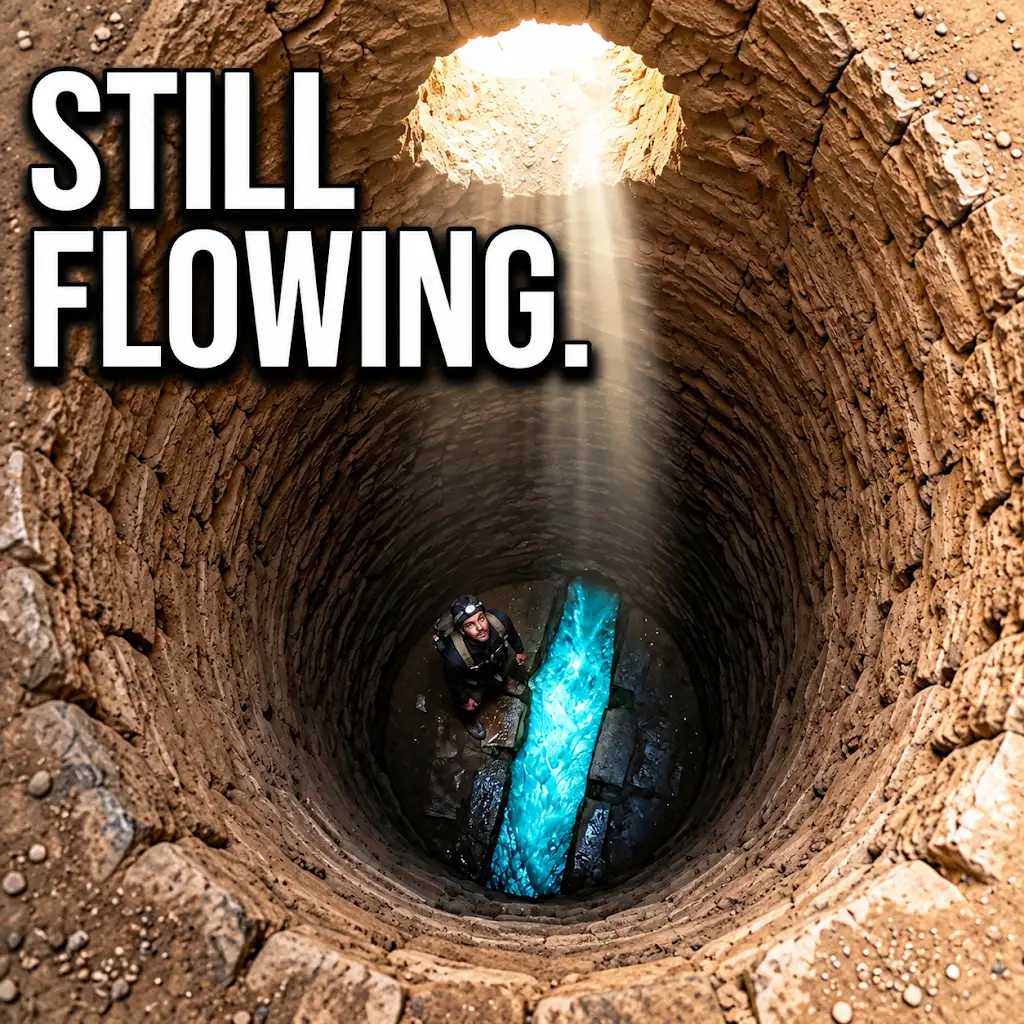
They Dug Water Tunnels Under the Desert… And They Still Flow
FAQs
What is qanat field irrigation?
Qanat field irrigation is a traditional system of underground tunnels used to transport water from a water source to agricultural fields for irrigation purposes.
How does a qanat system work?
A qanat system works by tapping into an underground water source at a higher elevation and using gravity to channel the water through a series of tunnels to the surface at lower elevations where it can be used for irrigation.
Where are qanat field irrigation systems commonly found?
Qanat field irrigation systems are commonly found in arid and semi-arid regions of the Middle East, North Africa, and Central Asia where water scarcity is a major concern.
What are the advantages of using qanat field irrigation?
Some advantages of using qanat field irrigation include efficient water distribution, reduced evaporation losses, and the ability to provide a reliable water supply for agriculture in water-scarce regions.
Are qanat field irrigation systems still in use today?
Yes, qanat field irrigation systems are still in use today in various parts of the world, particularly in regions where modern irrigation techniques may not be feasible or sustainable due to water scarcity or other environmental factors.