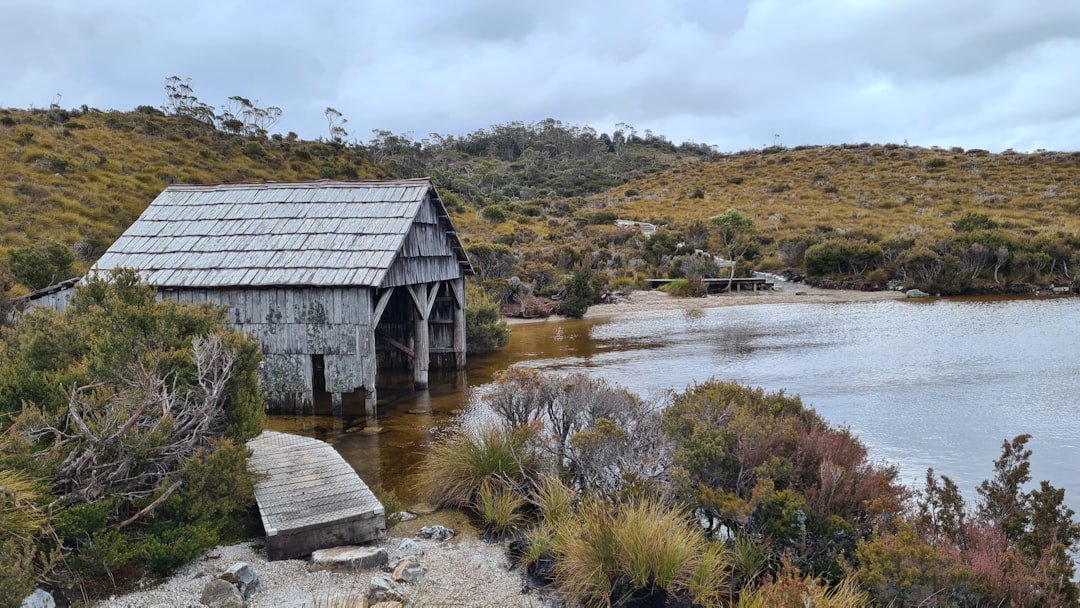
Tasmania, an island state off the southeastern coast of Australia, possesses geographical and geological characteristics that have, at various junctures, led to its consideration as a potential refuge in scenarios of global catastrophe, including nuclear war. This assessment is not one of celebration or endorsement, but a pragmatic examination of its environmental and infrastructural attributes that might confer a degree of survivability in the aftermath of widespread nuclear conflict. The island’s isolation, its relatively low population density, and its resource base have contributed to this perception, though any discussion of nuclear war sanctuary is inherently fraught with grim realities.
Tasmania’s primary claim to being a potential sanctuary rests on its profound geographical isolation. Situated approximately 240 kilometers (150 miles) off the Australian mainland’s southeastern tip, separated by the Bass Strait, the island enjoys a natural buffer against the direct impacts of a large-scale nuclear exchange originating elsewhere.
The Bass Strait as a Deterrent
The Bass Strait, a stretch of water characterized by unpredictable weather patterns and often rough seas, presents a significant impediment to rapid transit and large-scale movement. In the context of a nuclear event, this waterway would create a substantial barrier, hindering the immediate fallout that might spread across continents. While not an absolute defense against airborne radioactive particles, it would undoubtedly slow their dispersion towards the island and reduce the intensity of their initial arrival. The strait’s presence means that any direct strike on mainland Australia would not automatically translate to an immediate and overwhelming contamination of Tasmania.
Distance from Major Geopolitical Hotspots
Furthermore, Tasmania is geographically removed from the primary geopolitical hotspots that would likely be targeted in a global nuclear conflict. Many of the world’s densely populated and highly industrialized nations, which possess significant nuclear arsenals, are located in the Northern Hemisphere, particularly in North America, Europe, and Asia. While the destructive potential of nuclear weapons is far-reaching, the immediate and most devastating impacts – blast, thermal radiation, and prompt gamma radiation – are concentrated in the immediate vicinity of the detonations. Tasmania’s remoteness from these probable targets offers a degree of insulation from these initial, catastrophic effects.
Potential for Reduced Immediate Casualties
The reduced likelihood of direct targeting and the attenuating effect of distance and the Bass Strait suggest that Tasmania might experience fewer immediate casualties from nuclear detonations compared to heavily populated and strategically significant regions. This does not imply immunity, as the long-term consequences of nuclear war, such as radioactive fallout reaching distant locations and atmospheric disruptions, would still pose existential threats. However, the initial phase of survival would likely present a comparatively less dire immediate situation.
Tasmania has gained attention as a potential sanctuary in the event of a nuclear war, thanks to its remote location and relatively low population density. This discussion aligns with broader themes of survival and resilience in the face of global threats, which are explored in a related article that delves into ancient technologies and their relevance today. For more insights on how ancient knowledge can inform modern survival strategies, you can read the article here: Forbidden Ancient Technology: Secrets Unearthed.
Resource Self-Sufficiency Potential
Beyond its geographical advantages, Tasmania’s natural resource base and existing infrastructure offer a theoretical potential for a degree of self-sufficiency in the post-nuclear environment, a critical factor for any enduring sanctuary. This self-sufficiency would necessitate adaptation and resilience in the face of severely disrupted global supply chains and environmental degradation.
Agricultural Capacity and Food Production
Tasmania possesses fertile land and a temperate climate conducive to agriculture. Dairy farming, sheep farming, fruit cultivation, and vegetable production are established industries. In the event of nuclear war, the ability to maintain and potentially expand food production would be paramount. While soil contamination from fallout would be a significant concern, areas less affected might still support cultivation. Diversified farming practices, local seed banks, and a strong emphasis on sustainable agriculture would be crucial for long-term survival. The island’s relatively small population, when compared to continental landmasses, means that even a reduced agricultural output could potentially sustain its inhabitants.
Water Resources
The island is endowed with abundant freshwater resources, including numerous rivers, lakes, and reservoirs. These natural water sources, if protected from widespread contamination, could provide a vital lifeline. Maintaining water quality and ensuring equitable distribution would be critical challenges. Furthermore, Tasmania’s reliance on hydroelectric power, which is generated from its rivers, connects its water resources to its energy supply, highlighting the interconnectedness of essential services.
Mineral and Timber Resources
Tasmania also possesses significant mineral deposits, including tin, copper, gold, and iron ore, as well as extensive forests. These resources could be vital for rebuilding infrastructure, manufacturing tools and equipment, and providing fuel and shelter. However, the extraction and processing of these resources would depend on functional technology and skilled labor, which might be severely compromised in a post-nuclear world. The sustainability of resource extraction would also become a paramount concern, precluding the extensive exploitation seen in peacetime.
Potential for Energy Independence
The island’s established hydroelectric power generation capacity offers a degree of energy independence from fossil fuels, which would likely become scarce and difficult to transport. While nuclear power plants exist on mainland Australia, Tasmania’s reliance on renewable hydropower puts it in a comparatively advantageous position. Nevertheless, the maintenance of the existing infrastructure and the potential for its expansion would require significant technological capacity and resources, which could be difficult to sustain. Diversification of energy sources, including solar and wind, might also become essential for resilience.
Population Density and Infrastructure Considerations
Tasmania’s relatively low population density and the nature of its existing infrastructure present a mixed picture when considering its suitability as a nuclear war sanctuary. These factors influence both the potential for societal cohesion and the challenges of rebuilding and sustaining a population.
Lower Population Concentration
Compared to many other developed nations, Tasmania has a significantly lower population density. Major population centers, such as Hobart and Launceston, are relatively compact. This lower concentration could, in theory, lead to less competition for resources and a reduced risk of widespread panic and social breakdown in the immediate aftermath of a catastrophic event. It also means that any essential services that remain operational would, ostensibly, need to serve a smaller populace.
Distributed Infrastructure
The infrastructure across Tasmania, while not as extensive as on a continental mainland, is nevertheless dispersed. This dispersal can be both an advantage and a disadvantage. On one hand, it means that a single strike or localized disaster would not necessarily cripple the entire island’s essential services. On the other hand, the maintenance and repair of this dispersed infrastructure, including roads, communication networks, and power grids, would be a considerable challenge in a post-apocalyptic scenario where resources and skilled labor are scarce.
The State of Existing Shelters and Preparedness
The level of preparedness for nuclear war, including the existence and functionality of purpose-built shelters, is a crucial consideration. While some government facilities and private structures might offer a degree of protection, a comprehensive network of robust, long-term shelters comparable to those found in countries with explicit civil defense strategies is unlikely to exist. The absence of such widespread, dedicated infrastructure would increase vulnerability to fallout and other delayed effects. The focus of any preparedness would likely need to shift from pre-existing structures to the ability to adapt and construct rudimentary shelters from available materials.
Challenges of Scale in a Rebuilding Phase
If Tasmania were to become a refuge for a substantially larger population displaced from other regions, its current infrastructure and resource base would be severely strained. The logistical challenges of accommodating, feeding, and providing healthcare for an influx of survivors would be immense, potentially overwhelming the island’s capacity. The very isolation that offers protection would also create a bottleneck for any external aid or expertise. therefore, the notion of Tasmania as a sanctuary is arguably more applicable to its existing population or a limited number of well-prepared individuals.
Environmental Resilience and Climate Factors
Tasmania’s environmental characteristics, including its climate and relatively undeveloped areas, contribute to its theoretical appeal as a sanctuary.
Temperate Climate and Weather Patterns
The island’s temperate maritime climate, characterized by moderate temperatures and distinct seasons, could be advantageous. It avoids the extreme heat of equatorial regions that might become uninhabitable or the prolonged, harsh winters of higher latitudes that would exacerbate resource scarcity. This moderating influence, while not immunity, could make agricultural recovery and daily life more manageable than in drastically altered global climatic conditions.
Lower Levels of Industrial Pollution
Historically, Tasmania has had a lower level of industrialization and associated pollution compared to many heavily industrialized nations. While nuclear war would introduce a far more pervasive and destructive form of pollution, the baseline environmental health might offer a slightly more favorable starting point for recovery in certain areas. The absence of widespread pre-existing chemical contamination from heavy industry could be a minor benefit.
Potential for Less Severe Fallout Deposition
While fallout is a global phenomenon, its intensity and longevity are influenced by wind patterns, precipitation, and the altitude of atmospheric debris. Tasmania’s geographical position and prevailing wind patterns might, in some scenarios, lead to a less severe initial deposition of radioactive particles compared to regions directly downwind of major detonations. However, this is highly speculative and dependent on the specific meteorology of the post-war period.
The Threat of Nuclear Winter
The most significant environmental threat, regardless of location, is the potential for nuclear winter. The injection of vast quantities of smoke and dust into the atmosphere from widespread fires ignited by nuclear blasts could block sunlight, leading to a drastic drop in global temperatures, widespread crop failure, and ecological collapse. Tasmania, like all other regions on Earth, would be profoundly affected by such a phenomenon, regardless of its isolation. Therefore, the concept of sanctuary is necessarily limited by the overarching global consequences of nuclear war.
In recent discussions about potential safe havens in the event of a nuclear conflict, Tasmania has emerged as a compelling option due to its remote location and low population density. The island’s unique geography and political stability make it an attractive sanctuary for those seeking refuge from global tensions. For further insights into how geopolitical factors influence safety and trade, you might find it interesting to explore Mexico’s growing role in global trade, which highlights the interconnectedness of nations in times of crisis. You can read more about it in this article here.
Psychological and Societal Aspects of Survival
| Metrics | Data |
|---|---|
| Population | 540,600 (as of 2021) |
| Land Area | 68,401 square kilometers |
| Nuclear War Shelter Capacity | Estimated to accommodate 100,000 people |
| Distance from Major Cities | Approximately 240 kilometers from Melbourne, Australia |
| Geographical Features | Rich in natural resources and diverse ecosystems |
Beyond the physical and environmental considerations, the psychological and societal aspects of surviving a nuclear war in a designated sanctuary are profound and complex.
Maintaining Social Cohesion
In any survival scenario, the ability of a community to maintain social cohesion is paramount. Tasmania’s relatively close-knit communities and shared identity could, in theory, foster a stronger sense of unity and cooperation in the face of adversity. However, extreme stress, resource scarcity, and loss can also lead to fragmentation and conflict, regardless of prior social structures. The leadership and governance established in a post-war Tasmania would be critical to navigating these challenges.
The Role of Knowledge and Skills
The survival and rebuilding phase would place a high premium on practical knowledge and skills. This includes agricultural expertise, engineering and mechanical skills, medical knowledge, and the ability to adapt existing technologies. Tasmania’s existing population may possess some of these skills, particularly in its rural and trades sectors. However, the scale of destruction and disruption would likely necessitate a rapid acquisition and dissemination of new knowledge and techniques.
Psychological Resilience and Trauma
Individuals and communities would face immense psychological trauma from the direct and indirect effects of nuclear war. The concept of a sanctuary, while offering physical safety, cannot shield individuals from the emotional and psychological burden of loss, fear, and the collapse of familiar societal structures. Long-term mental health support and strategies for coping with widespread trauma would be essential for any successful rebuilding effort.
The Ethics of Sanctuary
The very notion of a “nuclear war sanctuary” raises significant ethical questions. To whom does this sanctuary belong? Does it imply a right to exclude others seeking refuge? The practicalities of managing a potential influx of survivors from more heavily impacted regions would necessitate difficult choices and potentially lead to ethical dilemmas. The potential for a sanctuary to become a site of conflict over resources or access is also a consideration. Ultimately, any claim of sanctuary is a grim acknowledgment of potential global devastation, not a cause for celebration.
FAQs
What is Tasmania’s role as a nuclear war sanctuary?
Tasmania has been proposed as a potential nuclear war sanctuary due to its remote location and relatively low population density. Proponents argue that the island’s distance from major population centers and its natural resources make it an ideal location for sheltering from the effects of a nuclear war.
Has Tasmania been officially designated as a nuclear war sanctuary?
No, Tasmania has not been officially designated as a nuclear war sanctuary. The idea of using Tasmania as a sanctuary in the event of a nuclear war is a speculative concept and has not been endorsed or implemented by any government or international organization.
What are the potential benefits of using Tasmania as a nuclear war sanctuary?
Proponents of the idea argue that Tasmania’s remote location and natural resources could provide a relatively safe haven for people seeking refuge from the effects of a nuclear war. The island’s distance from major population centers and its relatively low population density are seen as potential advantages in such a scenario.
What are the potential drawbacks or challenges of using Tasmania as a nuclear war sanctuary?
Critics of the idea point out that Tasmania’s remote location could also pose logistical challenges in terms of accessing necessary supplies and resources in the aftermath of a nuclear war. Additionally, the island’s limited infrastructure and capacity to support a large influx of people seeking refuge could be a significant challenge.
What is the current stance of the Tasmanian government on the idea of using the island as a nuclear war sanctuary?
The Tasmanian government has not officially endorsed the idea of using the island as a nuclear war sanctuary. As of now, there are no official plans or policies in place to designate Tasmania as a sanctuary in the event of a nuclear war.