
The Mediterranean Sea, an expanse of water cradled by continents, served for millennia as a vital conduit for the exchange of goods, ideas, and cultures. Far from being a barrier, this inland sea acted as a highway, facilitating a complex network of maritime trade routes that shaped the destinies of countless civilizations. Understanding these ancient arteries of commerce is crucial to grasping the economic and cultural development of the regions bordering this remarkable body of water.
The origins of Mediterranean maritime trade are shrouded in the mists of prehistory, but archaeological evidence points to early seafaring activities long before the rise of complex societies.
Neolithic Beginnings: Obsidian and Early Navigation
As early as the Neolithic period, rudimentary forms of maritime trade emerged, driven by the desire for scarce resources. Obsidian, a volcanic glass prized for its sharp edges, was a particularly significant commodity. Deposits of obsidian were geographically limited, yet artifacts made from this material have been discovered hundreds of kilometers from their source, indicating organized transportation, often by sea. For instance, obsidian from the island of Melos has been found at sites throughout the Cycladic islands and mainland Greece, suggesting early mariners possessed the fundamental knowledge of navigation and boatbuilding. These early vessels, likely simple rafts or dugout canoes, hugged coastlines, venturing offshore only for short distances or in exceptionally calm conditions. The risks were immense, but the rewards of acquiring valuable materials spurred innovation and courage.
The Rise of Specialized Craft: From Dugouts to Plank-Built Boats
Over time, the craft of shipbuilding evolved. The transition from simple dugouts to more sophisticated plank-built boats represented a significant leap. These vessels, capable of carrying heavier loads and withstanding more challenging sea conditions, opened up new possibilities for long-distance trade. Evidence from dynastic Egypt, for instance, depicts ships capable of navigating the Nile and venturing into the Red Sea, facilitating trade with Punt for exotic goods like frankincense and myrrh. Similarly, Minoan Crete, with its advanced shipbuilding techniques, established a thalassocracy, dominating maritime trade in the Aegean and beyond, exchanging fine pottery, olive oil, and wine for metals and other raw materials. This era marked a shift from opportunistic exchanges to more systematic and organized maritime commerce.
Ancient maritime trade routes in the Mediterranean played a crucial role in the exchange of goods, culture, and ideas among civilizations. For a deeper understanding of how these routes influenced economic and social dynamics in the region, you can explore a related article that delves into the intricacies of maritime commerce and its impact on ancient societies. To read more about this fascinating topic, visit this article.
The Bronze Age: A Network of Interconnected Civilizations
The Bronze Age witnessed the blossoming of elaborate maritime trade networks, fueled by the demand for metals and the emergence of complex state-level societies. This period transformed the Mediterranean into a bustling marketplace.
The Quest for Metals: Copper, Tin, and the Uluburun Shipwreck
The production of bronze, an alloy of copper and tin, was the technological cornerstone of the Bronze Age. As neither metal was universally available, a robust trade in these raw materials became essential. Cyprus emerged as a major source of copper, while tin, a rarer commodity, was sourced from as far afield as Cornwall in Britain. The astonishing Uluburun shipwreck, discovered off the coast of Turkey and dated to the late 14th century BCE, serves as a vivid snapshot of this era. Its cargo included ten tons of copper ingots, one ton of tin ingots, Canaanite jars filled with resin, glass ingots, ebony logs, ivory, and jewelry. This single vessel represents a cross-section of the international trade of the time, demonstrating the advanced organizational capabilities required to assemble such a diverse and valuable consignment. The shipwreck provides invaluable insights into the composition of traded goods, the origins of materials, and the sophistication of Bronze Age maritime logistics.
Minoan and Mycenaean Dominance: A Tapestry of Trade and Influence
On the island of Crete, the Minoan civilization established an extensive maritime network, exporting olive oil, wine, pottery, and textiles, and importing raw materials like copper, tin, and precious stones. Their distinctive pottery has been found across the Aegean, in Egypt, and along the Levantine coast, serving as a testament to their widespread commercial reach. Following the decline of the Minoans, the Mycenaean Greeks inherited and expanded upon these trade routes. Mycenaean pottery, particularly stirrup jars used for transporting oil, has been unearthed at sites throughout the eastern Mediterranean, indicating their significant role in the distribution of goods. The Mycenaean involvement in trade was not solely economic; it also facilitated the exchange of cultural ideas, artistic styles, and technological innovations, fostering a remarkable interconnectedness among the various Bronze Age polities.
The Iron Age and the Rise of Phoenician and Greek Commercial Empires
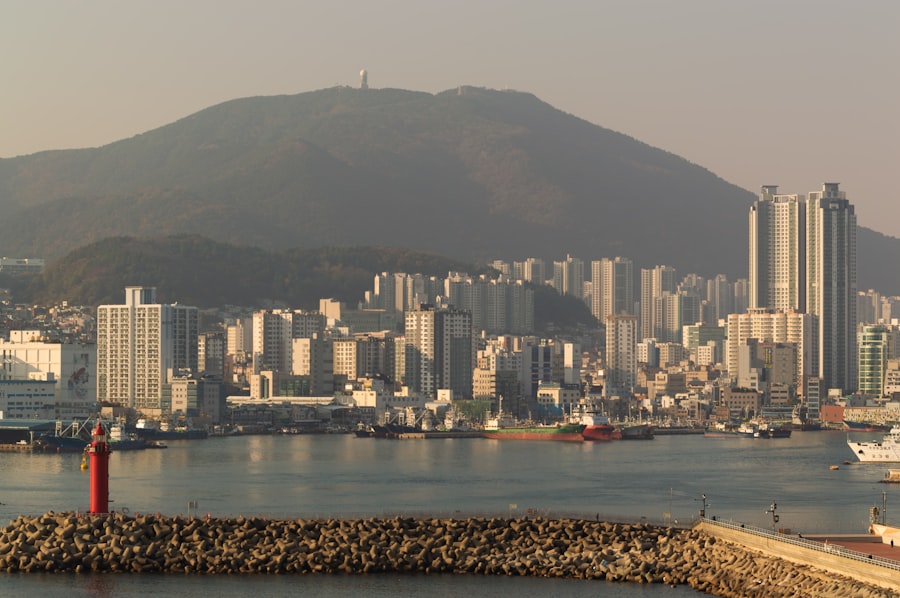
The collapse of the Bronze Age civilizations, often referred to as the “Bronze Age Collapse,” brought about a period of disruption. However, the subsequent Iron Age saw the emergence of new maritime powers, most notably the Phoenicians and the Greeks, who redefined Mediterranean trade.
The Phoenicians: Masters of the Seas and Colonial Expansion
Emerging from the city-states of the Levant (modern-day Lebanon), the Phoenicians were unparalleled seafarers and traders. Their mastery of shipbuilding, navigation, and maritime logistics allowed them to establish an expansive network of trade routes that stretched across the entire Mediterranean, reaching as far as the Atlantic coast of Africa and possibly even Britain. They skillfully utilized their distinct triremes and biremes, efficient vessels for both commerce and defense. The Phoenicians specialized in luxury goods, including purple dye (Tyrian purple), cedar wood, intricate metalwork, and glassware. They not only traded but also established numerous trading posts and colonies, acting as distribution hubs for their goods and facilitating access to new markets and raw materials. Carthage, founded by Phoenician settlers in North Africa, became one of the most powerful maritime empires of the ancient world, a testament to their enduring commercial acumen. Their alphabet, disseminated through their trade, profoundly influenced the development of writing systems across the Mediterranean.
Greek Expansion: From Black Sea Grain to Western Colonies
The Greeks, initially emerging from the “Dark Ages,” also embarked on a period of extensive maritime expansion and commercial activity. Driven by factors such as population growth, land scarcity, and the search for new resources, Greek city-states established colonies throughout the Mediterranean and Black Sea. These colonies, while politically independent, maintained strong commercial ties with their mother cities. The Black Sea region became a crucial source of grain, essential for feeding the growing populations of the Greek mainland. Conversely, Greek manufactured goods, such as pottery, olive oil, and wine, were widely exported. The Greeks, like the Phoenicians, were not merely traders; they were cultural disseminators, spreading their language, political systems, and artistic traditions throughout their commercial sphere. The competitive yet often cooperative relationship between Greek and Phoenician traders shaped the commercial landscape of the Iron Age Mediterranean.
The Roman Era: Mare Nostrum and the Grand Scale of Trade
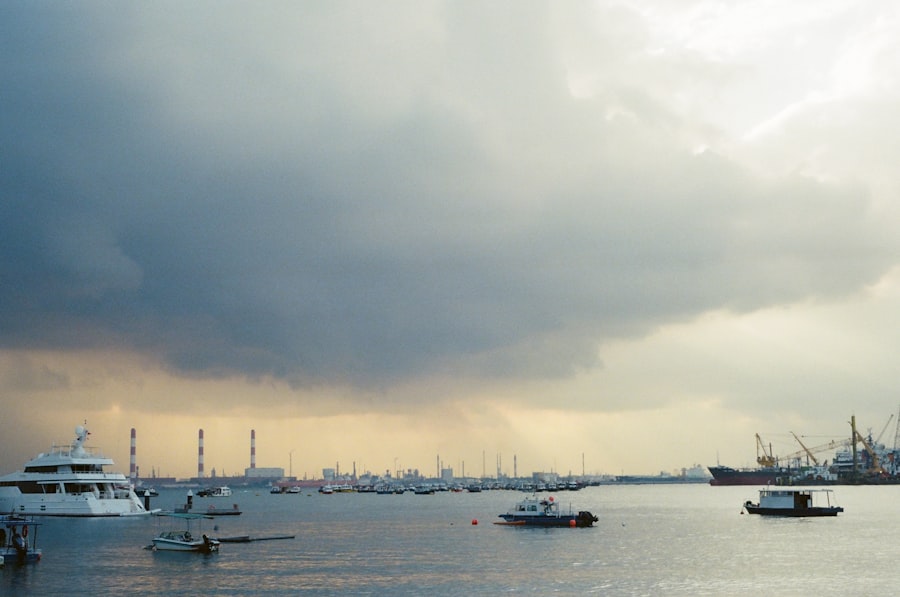
With the ascent of Rome, the Mediterranean was transformed into a veritable Roman lake, or “Mare Nostrum” (“Our Sea”). Roman dominance brought unprecedented stability and security to the trade routes, facilitating an enormous expansion of commerce.
Pax Romana and Maritime Security: The End of Piracy
One of Rome’s most significant contributions to Mediterranean trade was the establishment of the Pax Romana, a period of relative peace and stability. The systematic suppression of piracy, a perennial threat to maritime trade, was crucial. Roman naval patrols made the seas safer, reducing the risks and costs associated with shipping. This security encouraged greater investment in maritime enterprises and allowed for the transport of vast quantities of goods over long distances without constant fear of raiding. The state itself became a major consumer, requiring immense amounts of grain, particularly for the burgeoning city of Rome, which was largely imported from Egypt, North Africa, and Sicily. This massive logistical undertaking relied entirely on efficient and secure maritime routes.
The Grain Fleets and Luxury Goods: A Connected Empire
Roman maritime trade encompassed a vast array of goods. Staple commodities like grain, olive oil, and wine were transported in enormous quantities, often in specialized ships known as navis oneraria. These bulk carriers could hold thousands of amphorae or many tons of loose grain. Alongside these essentials, a vibrant trade in luxury goods flourished. Silk from China, spices from India, incense from Arabia, precious metals, exotic animals, and fine marble flowed into Rome and other imperial centers, testifying to the far-reaching influence of Roman trade routes beyond the Mediterranean itself. Ports like Ostia, the port of Rome, and Alexandria in Egypt became bustling hubs of international commerce, processing goods from across the known world. The sheer scale of Roman maritime trade was unprecedented and laid the foundation for integrated economies on a continental scale.
Ancient maritime trade routes in the Mediterranean played a crucial role in shaping the economies and cultures of the civilizations that thrived along its shores. These routes facilitated the exchange of goods, ideas, and technologies, connecting distant lands and fostering relationships between diverse peoples. For a deeper understanding of how these trade networks influenced the development of ancient societies, you can explore this insightful article on maritime trade. The interconnectedness of these routes not only contributed to economic prosperity but also laid the groundwork for cultural exchanges that would resonate through history.
The Legacy of Mediterranean Maritime Trade: A Blueprint for Global Exchange
| Trade Route | Primary Commodities | Key Civilizations | Approximate Time Period | Major Ports | Significance |
|---|---|---|---|---|---|
| Phoenician Trade Route | Tyrian purple dye, cedar wood, glass, metals | Phoenicians, Carthaginians | 1500 BCE – 300 BCE | Tyre, Sidon, Carthage, Gades | Spread of alphabet, cultural exchange, establishment of colonies |
| Roman Maritime Route | Grain, olive oil, wine, pottery, metals | Romans | 200 BCE – 400 CE | Ostia, Alexandria, Carthage, Massalia | Supply of food to Rome, economic integration of empire |
| Greek Maritime Route | Olive oil, wine, pottery, silver | Ancient Greeks | 800 BCE – 300 BCE | Athens, Corinth, Rhodes, Delos | Expansion of trade networks, spread of Hellenic culture |
| Egyptian Nile-Mediterranean Route | Grain, papyrus, gold, linen | Ancient Egyptians | 3000 BCE – 1000 BCE | Alexandria, Memphis, Byblos | Link between Nile Valley and Mediterranean trade |
| Byzantine Maritime Route | Silk, spices, wine, textiles | Byzantine Empire | 330 CE – 1453 CE | Constantinople, Thessaloniki, Venice | Control of Eastern Mediterranean trade, cultural diffusion |
The ancient maritime trade routes of the Mediterranean did not simply vanish with the decline of Rome. Their echoes reverberated through subsequent eras, influencing medieval and early modern trade, and offering profound insights into the nature of global exchange.
Cultural Diffusion and Technological Exchange: More Than Goods
Beyond the tangible exchange of goods, these trade routes were arteries of cultural diffusion. Ideas, religious beliefs, artistic styles, architectural innovations, and technological advancements traversed the sea lanes. The spread of the alphabet by the Phoenicians, the dissemination of Greek philosophy and art, and the later spread of Christianity and Islam are all inextricably linked to these maritime connections. Mariners and merchants, often living in multi-ethnic port cities, became accidental ambassadors, bridging vast cultural divides and fostering a remarkable cosmopolitanism. The constant interaction fostered innovation, as different societies learned from each other, adapting and refining techniques in shipbuilding, navigation, and even agricultural practices.
The Blueprint for Future Trade: From Galleys to Global Shipping
The fundamental principles established by these ancient mariners – the identification of demand and supply, the establishment of efficient transportation networks, the development of secure routes, and the creation of commercial infrastructure like ports and warehouses – laid the groundwork for future global trade. While the ships grew larger and the compass and astrolabe offered new navigational aids, the essential mechanics remained. The Mediterranean, acting as a microcosm of global trade, provided a proving ground for commercial strategies that would eventually extend across oceans. Understanding this ancient network helps us appreciate the enduring importance of trade in shaping human history and connecting disparate parts of the world into a single, intricate tapestry of exchange. The waves of the Mediterranean, still lapping at ancient shores, whisper tales of countless voyages, each contributing to the rich narrative of human endeavor and interconnectedness.

WATCH NOW ▶️ WARNING: The Giza Muon Scans Just Changed Everything
FAQs
What were the ancient maritime trade routes in the Mediterranean?
Ancient maritime trade routes in the Mediterranean were sea paths used by civilizations such as the Phoenicians, Greeks, and Romans to exchange goods, culture, and ideas across coastal cities and islands throughout the Mediterranean Sea.
Which goods were commonly traded along these routes?
Commonly traded goods included olive oil, wine, pottery, metals, textiles, spices, and luxury items like glassware and precious stones. These goods facilitated economic and cultural exchanges between different Mediterranean societies.
How did geography influence Mediterranean maritime trade?
The Mediterranean’s relatively calm waters, numerous natural harbors, and proximity of coastal cities and islands made it ideal for maritime trade. Its geography allowed for shorter sea voyages and easier navigation compared to open ocean routes.
What role did ancient ports play in Mediterranean trade?
Ancient ports such as Carthage, Alexandria, and Rhodes served as critical hubs for loading, unloading, and redistributing goods. They also acted as centers for cultural exchange and political control over trade networks.
How did ancient maritime trade impact Mediterranean civilizations?
Maritime trade contributed to economic prosperity, cultural diffusion, and technological advancements. It enabled the spread of ideas, religions, and innovations, fostering interconnectedness among Mediterranean civilizations and influencing their development.