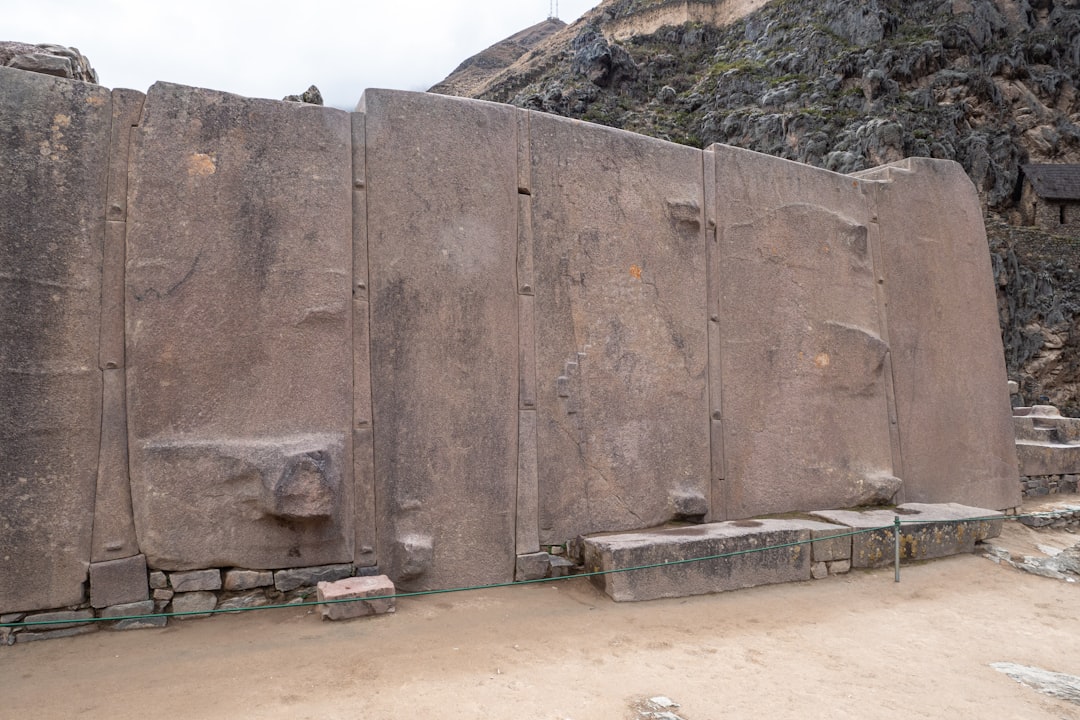
The monolithic stones of Ollantaytambo, nestled high in the Peruvian Andes, have long whispered tales of a forgotten civilization, their silent narratives etched into the very fabric of the landscape. More than just a fortress or a ceremonial center, Ollantaytambo is a testament to an ingenious architectural prowess that continues to baffle and inspire, its stone walls standing as a profound enigma. The sheer scale of the stonework, the precision with which these colossal blocks were lifted and fitted, and the strategic placement of the entire complex speak to a sophistication that challenges conventional understandings of ancient engineering and societal organization.
The primary structure of Ollantaytambo, the Temple of the Sun, dominates the hilltop with its imposing terraced walls. These are not mere decorative elements; they are engineering marvels in themselves, designed to withstand the seismic activity common to the region and to create a stable foundation for the monumental architecture above. The sheer audacity of transporting and shaping these massive rocks, some weighing upwards of 50 tons, is a feat that ignites the imagination. The question of how these stones, many quarried from distant mountains, were moved and manipulated remains one of the most enduring mysteries.
Quarries and Transportation Enigmas
The pink granite, used for the most prominent sections of the Temple of the Sun, originates from the quarries of Ollantaytambo, a significant distance across the Urubamba River. While the Incas were known for their incredible road networks, the specific methods employed to transport these gargantuan blocks over such varied terrain are not fully understood. Were ropes and levers sufficient? Were the stones somehow floated, perhaps during floods? Or did animal power, even on this scale, play a crucial role? Evidence is scarce, leaving room for speculation and awe.
The Power of Human and Animal Labour
It is widely accepted that immense human labor was involved in the construction of Ollantaytambo. Thousands of workers, organized through the Inca’s complex social system, would have been required to quarry, shape, and transport the stones. Furthermore, while the Inca did not domesticate draft animals in the same way as Old World civilizations, llamas and alpacas were present and could have assisted to some degree in dragging lighter loads or providing manpower for leverage. However, the sheer density and weight of the primary building blocks suggest that human ingenuity and coordination were the paramount forces at play.
The stone walls of Ollantaytambo are a remarkable example of Incan engineering and architecture, showcasing the civilization’s advanced techniques in construction. For those interested in exploring more about ancient societies and their resource management, a related article can be found at Rationing Systems in the Ancient World, which discusses how various ancient cultures, including the Incas, developed systems to manage their resources effectively.
Innovative Rudder and Lever Systems
While direct evidence of specific Inca engineering tools is limited, archaeological findings and educated deductions point towards the use of sophisticated leverage and potentially even ramp systems. The rounded bottoms of some massive stones suggest they may have been rolled, perhaps on logs. The perfectly angled cuts and smooth finishes on many of the stones indicate the use of bronze or stone tools, employed with incredible precision over prolonged periods. The absence of mortar in the majority of the construction is another testament to their skill, as the stones were shaped to interlock so perfectly that even

The Walls That Shouldn’t Still Be Standing
FAQs
What is Ollantaytambo?
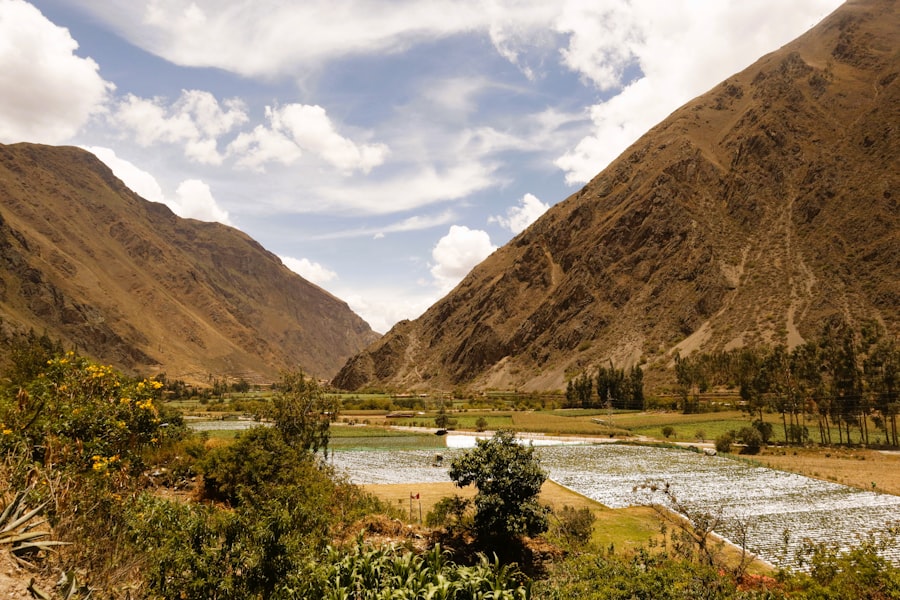
Ollantaytambo is a town and an Inca archaeological site in southern Peru. It is located in the Sacred Valley of the Incas and is known for its well-preserved Inca ruins, including massive stone walls and terraces.
What are the stone walls of Ollantaytambo known for?
The stone walls of Ollantaytambo are known for their impressive construction and precision. The walls are made of massive, irregularly shaped stones that fit together perfectly without the use of mortar. This precision engineering has puzzled archaeologists and engineers for centuries.
How were the stone walls of Ollantaytambo constructed?
The construction of the stone walls at Ollantaytambo is a marvel of Inca engineering. The stones were quarried from a nearby mountain and transported to the site using a system of ramps, ropes, and manpower. The stones were then shaped and fitted together with such precision that even a piece of paper cannot fit between them.
What is the significance of the stone walls at Ollantaytambo?
The stone walls at Ollantaytambo are significant because they showcase the advanced engineering and architectural skills of the Inca civilization. They also serve as a testament to the Inca’s mastery of stonework and their ability to construct durable and earthquake-resistant structures.
Can visitors explore the stone walls at Ollantaytambo?
Yes, visitors can explore the stone walls at Ollantaytambo. The archaeological site is open to the public and offers guided tours for visitors to learn about the history and significance of the stone walls and other Inca ruins in the area.