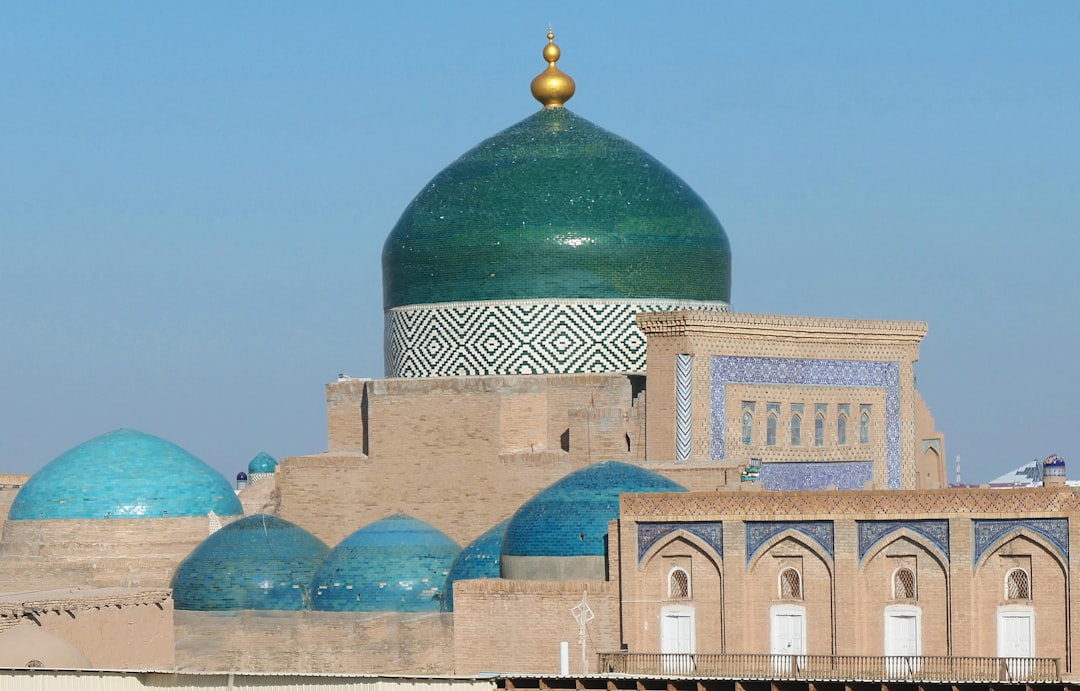
The ancient Silk Road, a vast network of trade routes rather than a single path, facilitated exchanges across Eurasia for millennia. Its reach extended from the Mediterranean world in the west to the Indus Valley in the east, connecting diverse civilizations and fostering the movement of goods, ideas, and technologies. This complex web of routes was not static; it evolved over centuries, adapting to political shifts, technological advancements, and the fluctuating demands of distant markets.
The earliest stirrings of long-distance trade that would eventually coalesce into the Silk Road can be traced back to the Bronze Age. While not yet a formalized network, tentative exchanges between Mesopotamia, the Indus Valley, and possibly even beyond, laid the groundwork for future interactions.
Early Bronze Age Interconnections
Even before the rise of empires that would truly command these routes, evidence suggests a degree of cultural and material exchange. Artifacts, such as lapis lazuli from modern-day Afghanistan found in Mesopotamian and Egyptian contexts, indicate an early awareness of distant resources and the means, however rudimentary, to acquire them. The Indus Valley Civilization, with its sophisticated urban planning and extensive trade networks within the subcontinent, also possessed the capacity to engage in wider regional exchanges.
The Persian Ascendancy and Imperial Roads
The Achaemenid Persian Empire, in the 6th and 5th centuries BCE, played a pivotal role in formalizing and expanding these early trade pathways. Their vast empire, stretching from the Mediterranean to the Indus, necessitated efficient communication and transportation. The Persians invested in infrastructure, most notably the Royal Road, a well-maintained arterial route that connected key administrative centers.
The Royal Road’s Impact
The Royal Road, though primarily an administrative and military artery, also served as a conduit for merchants and travelers. Its strategic placement, coupled with the security afforded by Persian rule, encouraged the flow of goods and the establishment of resting points and caravanserais. This imperial infrastructure laid the crucial groundwork for the more extensive commercial network that would characterize the Silk Road in later periods.
The ancient Silk Road was a vital trade route that connected the Mediterranean to the Indus Valley, facilitating not only the exchange of goods but also the sharing of culture and ideas between diverse civilizations. For a deeper understanding of the historical significance of these connections, you can explore the article titled “The Day of Two Suns: Ancient History Unveiled,” which delves into the intricate relationships formed along these trade routes. To read more about this fascinating topic, visit this link.
The Hellenistic and Roman Eras: Expanding Horizons
The conquests of Alexander the Great and the subsequent establishment of Hellenistic kingdoms significantly altered the geopolitical landscape and further bolstered East-West connections. Roman expansion in the west, coupled with Parthian and Kushan power in Central Asia and the Indian subcontinent, created new opportunities and challenges for long-distance trade.
The Spread of Hellenistic Culture and Trade
Following Alexander’s campaigns, Hellenistic kingdoms emerged in regions like Bactria (modern Afghanistan and Tajikistan). These kingdoms, while culturally Greek, were deeply integrated into the existing Central Asian and Indian trade networks. Greek coins and artistic styles are found in regions far to the east, alongside goods originating from India and China, highlighting the dual directionality of this exchange.
Greco-Bactrian Influence
The Greco-Bactrian kingdoms acted as crucial intermediaries, facilitating trade between the Mediterranean and the emerging markets of India and China. Their patronage of arts and sciences also led to the cross-pollination of ideas, with Hellenistic influences evident in Gandharan Buddhist art, for example.
The Roman-Parthian-Kushan Nexus
The Roman Empire’s insatiable demand for luxury goods, particularly silk, fueled a significant portion of the Silk Road trade. The Parthian Empire, strategically positioned between Rome and the East, exerted considerable control over the western reaches of the Silk Road. Later, the Kushan Empire in Central Asia and Northern India became a vital nexus, bridging the gap between the Roman world, Persia, and China.
The Demand for Silk
Roman elites developed a strong fascination with Chinese silk, a textile that was both exotic and prestigious. This demand created a powerful economic incentive for merchants to traverse the arduous routes connecting East and West. The Romans, however, had limited direct access to silk production, relying on intermediaries, primarily the Parthians and later the Kushans, to supply this coveted commodity.
Intra-Asian Trade Dynamics
The Silk Road was not solely about East-West trade. Significant vibrant networks existed within Central Asia and between Central Asia and the Indian subcontinent. The Kushan Empire, for instance, facilitated trade from China through Central Asia and into various parts of Northern India. Their patronage of Buddhism also contributed to the spread of religious ideas and practices along these routes.
The Flourishing Era: Tang Dynasty and Beyond

The Tang Dynasty in China (618-907 CE) marked a golden age for the Silk Road. The dynasty’s stability, outward-looking policies, and robust economic policies fostered unprecedented levels of trade and cultural exchange. This era saw the Silk Road reach its zenith in terms of volume of trade and influence.
The ancient Silk Road played a crucial role in connecting the Mediterranean to the Indus Valley, facilitating not only trade but also the exchange of culture and ideas between these diverse regions. This intricate network of routes allowed for the movement of goods such as silk, spices, and precious metals, which significantly impacted the economies of the civilizations involved. For those interested in exploring the broader implications of trade and strategy in historical contexts, a fascinating article can be found here, shedding light on how ancient strategies continue to influence modern practices.
Tang Dynasty’s Openness and Prosperity
The Tang rulers actively encouraged foreign trade and welcomed merchants and diplomats from across Eurasia. Cities like Chang’an (modern Xi’an), the Tang capital, became cosmopolitan centers, bustling with merchants from Sogdia, Persia, India, and beyond. The relatively stable political environment within China and the proactive management of routes facilitated safer and more efficient travel.
Sogdian Merchants and the Central Asian Corridor
Sogdian merchants, originating from the region of Samarkand and Bukhara, played a particularly prominent role during the Tang era. They established extensive trading networks throughout Central Asia and China, acting as crucial intermediaries and financiers. Their linguistic skills and vast commercial experience made them indispensable players in the Silk Road economy.
Innovations in Transportation and Navigation
While the core routes remained largely the same, this period saw continued, albeit gradual, improvements in transportation and navigation techniques. Advances in cartography, though still rudimentary by modern standards, aided travelers. The development of more robust caravan organization and improved animal breeding for pack animals enhanced the efficiency of long-distance travel.
The Indian Connection: Goods and Spirituality
The Indus Valley, by this period, was no longer a distinct civilization but an integral part of the Indian subcontinent, a major player in Silk Road commerce. Products from India, such as spices, precious stones, cotton textiles, and ivory, were highly sought after in Western markets. Conversely, goods from the West, including glassware, metals, and certain foodstuffs, found markets in India.
Spices and Other Indian Exports
India’s rich agricultural and artisanal traditions provided a wealth of exportable goods. Spices, in particular, were incredibly valuable, both for culinary and medicinal purposes. The monsoon winds also facilitated maritime trade, supplementing overland routes and connecting India more directly with the Middle East and even the Roman Empire.
Buddhism’s Spread via the Silk Road
Beyond material goods, the Silk Road was a principal conduit for the transmission of religious ideas. Buddhism, originating in India, spread eastward along these routes, reaching Central Asia, China, Korea, and Japan. Monks, pilgrims, and scriptures traveled these same pathways, fostering spiritual and intellectual exchange.
The Decline and Transformation of the Silk Road

While the Silk Road experienced periods of immense vitality, it was also subject to the forces of political fragmentation, economic shifts, and the emergence of new technologies and trade routes. Its decline was not a sudden cessation but a gradual transformation.
Political Instability and Fragmentation
The collapse of major empires that had previously secured and regulated large sections of the Silk Road, such as the Tang Dynasty and later the Mongol Empire, led to increased political instability. Warlords and regional powers often controlled segments of the routes, leading to higher taxes, increased risks for merchants, and a fragmentation of the overland network.
The Rise of Regional Powers
As large, overarching empires weakened, smaller kingdoms and city-states emerged, often vying for control of crucial trade hubs. This fragmentation made long-distance journeys more perilous and less predictable, as merchants had to negotiate with multiple authorities and face varying levels of security.
The Rise of Maritime Trade
Perhaps the most significant factor in the gradual decline of the overland Silk Road was the increasing efficiency and scope of maritime trade. Advances in shipbuilding, navigation, and the understanding of monsoon winds made sea routes a more attractive and often cheaper alternative for transporting bulk goods.
The Age of Exploration and New Routes
The European Age of Exploration, beginning in the 15th century, opened up direct sea routes to Asia, circumventing the traditional overland Silk Road. Portuguese, Spanish, Dutch, and English traders established new maritime networks that connected Europe directly to the sources of valuable commodities like spices and silk, bypassing the intermediaries of Central Asia and the Middle East.
Legacy and Enduring Influence
Despite its eventual decline as the primary East-West trade artery, the Silk Road left an indelible mark on history. Its legacy extends far beyond the mere movement of goods; it facilitated an unprecedented cross-cultural dialogue that shaped art, religion, technology, and political thought across Eurasia.
Cultural Exchange and Syncretism
The interactions fostered by the Silk Road led to significant cultural blending. Artistic motifs, religious ideas, architectural styles, and even scientific knowledge were exchanged and adapted by different cultures. This syncretism is evident in the art, literature, and religious practices found throughout the regions once connected by these ancient routes.
The Enduring Symbolism
The Silk Road endures in the collective imagination as a symbol of connection, exchange, and the vastness of human interaction. While the physical routes may have evolved, the concept of a connected Eurasia, shaped by centuries of trade and encounter, remains a powerful testament to humanity’s long-standing drive for connection and discovery.
FAQs
What is the ancient Silk Road?
The ancient Silk Road was a network of trade routes that connected the East and West, stretching from the Mediterranean to the Indus Valley. It facilitated the exchange of goods, ideas, and cultures between different civilizations.
What were the main goods traded along the ancient Silk Road?
The main goods traded along the ancient Silk Road included silk, spices, precious metals, gems, textiles, and ceramics. These goods were highly sought after and contributed to the economic prosperity of the civilizations along the route.
Which civilizations were connected by the ancient Silk Road?
The ancient Silk Road connected various civilizations, including the Roman Empire, Persia, India, China, and the Mediterranean region. It facilitated cultural exchange and the spread of ideas, religions, and technologies.
How did the ancient Silk Road impact the participating civilizations?
The ancient Silk Road had a significant impact on the participating civilizations, leading to economic growth, cultural exchange, and the spread of knowledge and technologies. It also facilitated the spread of religions such as Buddhism, Christianity, and Islam.
What is the legacy of the ancient Silk Road today?
The legacy of the ancient Silk Road can still be seen today in the cultural, linguistic, and religious influences that spread along the route. It also laid the foundation for modern trade and diplomatic relations between East and West.