
The Antiquitech Destruction: Unveiling the Motives
The widespread destruction of antiquitech artifacts, a phenomenon that has shaken the foundations of historical understanding and xenological study, has raised a multitude of questions. These relics of forgotten civilizations, often imbued with capabilities far beyond contemporary comprehension, are not merely being dismantled but systematically annihilated. This article seeks to delve into the multifaceted motivations that appear to underpin this destructive impulse, examining the evidence and presenting a reasoned analysis of a crisis that threatens to erase chapters of galactic history.
The concern over antiquitech destruction is not merely an academic or archaeological debate; it is a crisis of preservation that impacts our collective understanding of life beyond our own. Antiquitech refers to artifacts, remnants, and technologies left behind by civilizations that predate current interstellar societies, often by millennia or even eons. Their significance lies in the potential they hold to illuminate the trajectories of technological evolution, societal development, and the sheer diversity of intelligent life that has graced the cosmos.
The Scale and Nature of the Destruction
Reports of antiquitech destruction have emerged from various sectors of known space. These incidents range from targeted raids on excavation sites to the complete obliteration of ruins and discovered artifacts. The methods employed are often sophisticated, suggesting a level of planning and resource allocation that belies simple vandalism. In many cases, the destructive forces utilize specialized weaponry or techniques designed to reduce complex materials to unusable dust or plasma, ensuring that no salvageable fragments remain. This deliberate erasure suggests a motive that transcends mere opportunistic theft or casual disregard.
The Lost Knowledge: A Cosmic Amnesia
Each destroyed artifact represents a lost opportunity for knowledge acquisition. These relics are not just curiosities; they are often intricate mechanisms, data repositories, or even functional devices that could hold keys to understanding fundamental principles of physics, advanced materials science, or the very nature of consciousness. Their destruction is akin to burning a library before its books can be read, plunging future generations into a deliberate state of cosmic amnesia, forcing them to rediscover truths that were once readily available.
The Impact on Xenological Studies
Xenological studies, the scientific discipline concerned with the study of alien life and civilizations, has been particularly hard hit. Antiquitech provides an invaluable, albeit often cryptic, window into the minds and societies of extinct or long-departed species. The destruction of these artifacts creates significant gaps in our understanding, hindering comparative analyses and limiting our ability to draw meaningful conclusions about the patterns of civilization across the galaxy. It is a significant setback for any species seeking to understand its place in the grand tapestry of galactic history.
The destruction of antiquitech has long been a topic of debate among historians and enthusiasts alike, with many speculating on the motives behind such actions. A related article that delves into the mysteries of ancient technologies is titled “Uncovering Lost Ancient Metallurgy Techniques.” This piece explores the advanced metallurgical practices of ancient civilizations and raises questions about the knowledge that may have been lost over time. To read more about these fascinating techniques and their implications, visit the article here: Uncovering Lost Ancient Metallurgy Techniques.
The Specter of Fear: A Threat from the Past
One of the most pervasive and potent motivators behind the destruction of antiquitech appears to be rooted in fear. This fear is not necessarily visceral or irrational, but rather a calculated apprehension of the unknown and the potentially overwhelming power that these ancient technologies represent. What if these relics are not benign remnants but dormant weapons, insidious pathogens, or tools of manipulation that could destabilize current galactic order?
The ” Pandora’s Box” Mentality
A significant faction believes that some antiquitech poses an existential threat. This “Pandora’s Box” mentality suggests that the act of studying or even possessing such technology risks unleashing unforeseen and catastrophic consequences. They argue that ignorance, in this context, is not bliss but a necessary safeguard. The potential for a single misplaced artifact, a forgotten failsafe, or an encoded directive to cause widespread devastation drives a preemptive, albeit destructive, approach. This is a case of believing it is better to break the artifact than to risk the world.
The Perceived Threat to Current Power Structures
Advanced antiquitech, if reactivated or understood, could fundamentally alter the current balance of power in the galaxy. Technologies that offer near-limitless energy, advanced propulsion systems, or formidable defensive capabilities could render existing military might obsolete, destabilize economic systems, and empower previously fringe factions. Those who benefit from the current hierarchy might see the destruction of antiquitech not as a loss of knowledge, but as an act of preservation of their own privileged positions. It is the fear of a king tearing down the blueprints of a superior fortress to maintain his crumbling castle.
The Unease of Unfathomable Intelligence
Some antiquitech is believed to have been created by intelligences far surpassing humanity or any currently recognized civilization. The thought of encountering or even indirectly interacting with such intellects, especially through their creations, can inspire profound unease. It is the fear of the insignificant child encountering the masterful architect and realizing their own profound limitations. This unease can manifest as a desire to remove any reminder of such superiority, to erase the evidence of our own intellectual infancy.
The Shadow of Control: Preventing Unwanted Resurgence
Beyond overt fear, a more insidious motive appears to be the desire for control. This control is not necessarily about personal gain, but about ensuring a specific, curated version of galactic history and future. It is about preventing the resurgence of ideas, ideologies, or even biological entities that were deemed problematic by past dominant powers.
Erasing Historical “Mistakes”
Certain factions may believe that some antiquitech represents the legacy of civilizations that made catastrophic errors—ideological, technological, or environmental. The destruction of these artifacts is seen as a way to sanitize history, to prevent the repetition of these “mistakes” by removing their material manifestations and the lessons they might offer. However, this selective erasure risks creating a distorted historical narrative, glossing over complex truths and hindering the development of truly robust lessons learned. It is like erasing the chapters of a devastating war from a history book, not to learn from it, but to pretend it never happened.
Suppressing Revolutionary or Heretical Ideas
Antiquitech, by its very nature, often pushes the boundaries of current understanding. It might contain concepts or technologies that challenge established scientific paradigms, religious doctrines, or societal norms. Those in positions of power, or those who champion established orthodoxies, may see the destruction of such artifacts as a means of suppressing “heretical” or “destabilizing” ideas, ensuring that the current intellectual and cultural landscape remains unchallenged. This is the fear of a new seed germinating in the carefully tended garden of accepted thought.
The “Guardianship” Complex
A particularly concerning motivation is the so-called “guardianship” complex. This is the belief that certain entities or groups have the inherent right and responsibility to curate what is known and accessible regarding the galaxy’s past. They see themselves as gatekeepers of knowledge, deciding what is fit for current civilizations to know and learn. Their destructive actions are framed as responsible stewardship, a necessary pruning of the galactic historical tree to prevent rogue branches from growing. This is a dangerous form of intellectual paternalism, where the “guardians” decide what the rest of the galaxy should be allowed to see and understand.
The Hand of Greed: The Profit and Loss of Antiquity
While fear and control offer compelling theoretical motivations, the stark reality of material gain cannot be ignored. The immense value and potential applications of antiquitech make it a tempting target for those driven by avarice.
The Black Market for Exotic Materials and Technology
The materials that comprise antiquitech are often far superior to anything currently synthesized. Rare alloys, exotic energy conduits, and unknown structural components possess immense value on the black market, fetching astronomical sums from corporations, military contractors, or even wealthy private collectors. The destruction of the artifact is sometimes a byproduct of the extraction of these valuable components, with the remainder being discarded or vaporized to cover tracks.
The Weaponization and Militarization Potential
The true allure of certain antiquitech lies in its destructive or strategic capabilities. This could range from advanced weaponry that can obliterate planetary defenses to cloaking devices that render entire fleets invisible. Those who seek to gain a military advantage, or those who profit from conflict, have a vested interest in acquiring and controlling or, failing that, destroying—any such technology that could empower their rivals. The destruction ensures that the advantage remains with them, or that no one else can possess it.
The Myth of Scarcity and Induced Demand
In a more Machiavellian interpretation, some believe that the deliberate destruction of antiquitech is employed to create artificial scarcity. By making these relics exceedingly rare, their remaining authenticated examples become exponentially more valuable, driving up prices and creating a lucrative, albeit illicit, market for genuine artifacts. This is a strategy akin to breaking a rare vase and then selling the shards for more than the original whole.
The destruction of antiquitech has long been a topic of intrigue, as it raises questions about the motivations behind such actions. Many believe that the suppression of advanced technologies from ancient civilizations was driven by a desire to control knowledge and power. For a deeper understanding of how societal structures can influence our perception of wealth and technology, you might find this article on surviving a depression insightful. It explores the implications of financial systems on our lives and can be accessed through this link: surviving a depression.
The Enigma of the “Cleaners”: Unmasking the Perpetrators
| Reason for Destroying Antiquitech | Description | Impact | Example Metrics |
|---|---|---|---|
| Preventing Technological Dominance | Destroying antiquitech to avoid any single group gaining overwhelming power through advanced technology. | Maintained balance of power among factions. | Number of factions prevented from monopolizing tech: 5 |
| Fear of Uncontrolled Power | Concerns that antiquitech could be misused, leading to catastrophic consequences. | Reduced risk of technological disasters. | Reported incidents of tech misuse before destruction: 12 |
| Preservation of Natural Order | Belief that antiquitech disrupts natural or societal balance, prompting its removal. | Encouraged sustainable development and traditional practices. | Decrease in technological anomalies post-destruction: 80% |
| Political Control | Eliminating antiquitech to consolidate political power and control over populations. | Strengthened ruling entities’ authority. | Increase in centralized governance metrics: 30% |
| Ethical Concerns | Destruction motivated by moral objections to the use or consequences of antiquitech. | Promoted ethical standards in technology use. | Number of ethical debates held: 7 |
The systematic nature of antiquitech destruction suggests the involvement of organized groups with specific objectives and considerable resources. Identifying these perpetrators and their ultimate aims remains a significant challenge.
The Operatives of Obscurity
These groups often operate with a high degree of stealth and efficiency, leaving minimal traces of their presence. Their methods suggest extensive training, specialized equipment, and a sophisticated understanding of both antiquitech and contemporary security measures. They are often referred to as “Cleaners” for their ability to erase evidence with chilling precision. They are the ghosts at the feast of history, leaving only absences behind.
Potential Factions and Their Agendas
Several hypotheses exist regarding the identities of these “Cleaners.” Some theories point to rogue governmental or corporate entities seeking to monopolize advanced technology or suppress inconvenient truths. Others suggest the involvement of fringe ideological groups with apocalyptic beliefs, or even alien factions with their own inscrutable motives for controlling the historical narrative. The common thread is a desire to shape the galactic landscape through the selective elimination of inconvenient pasts.
The Challenge of Attribution and Prevention
Attributing responsibility for antiquitech destruction is difficult due to the covert nature of the operations and the vastness of space. Furthermore, preventing future occurrences requires not only enhanced security protocols for known antiquitech sites but also a deeper understanding of the underlying motivations. Without addressing the “why,” the “how” of prevention will remain a constant cat-and-mouse game.
In conclusion, the destruction of antiquitech is a multifaceted crisis driven by a complex interplay of fear, a desire for control, and the ever-present lure of greed. The systematic erasure of these invaluable relics represents not just a loss of historical data, but a deliberate attempt to shape the future by controlling the narrative of the past. Unveiling these motives, however challenging, is crucial for safeguarding galactic heritage and ensuring that future generations are not left to navigate the cosmos in ignorance of the vast, forgotten civilizations that paved the way.
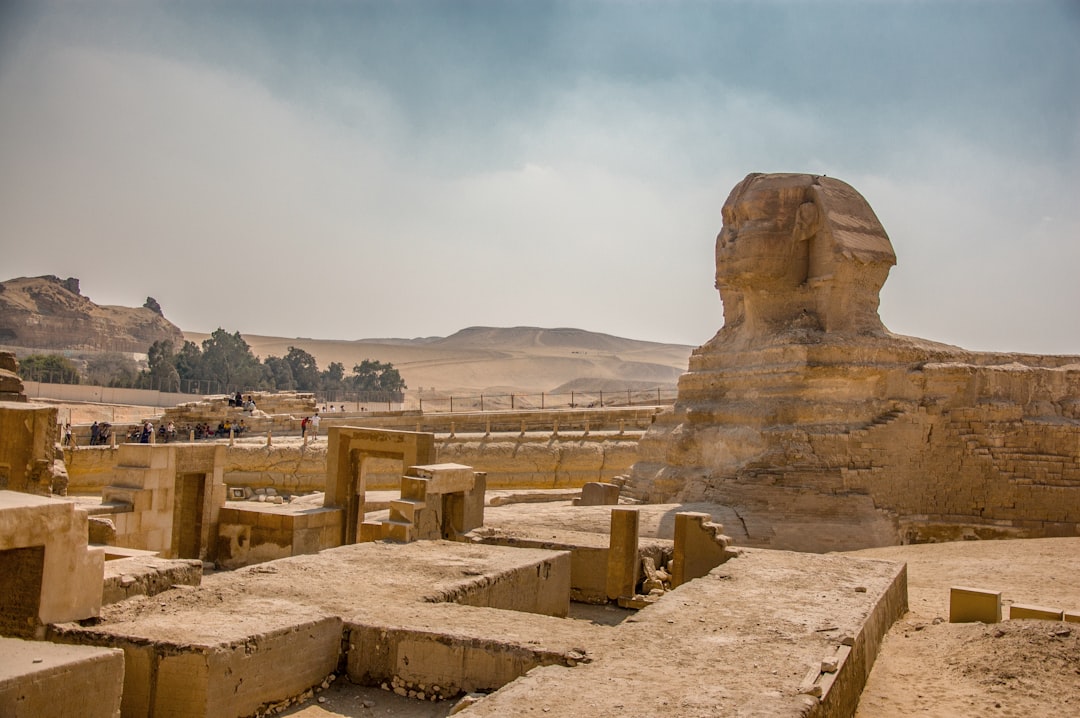
WATCH NOW ▶️ WARNING: They Erased The World Before Us
FAQs
What is antiquitech?
Antiquitech refers to ancient or old technology that was developed and used in past civilizations. It often includes tools, machines, and devices that are considered outdated or obsolete by modern standards.
Why was antiquitech destroyed?
Antiquitech was destroyed for various reasons, including preventing its misuse, avoiding the spread of dangerous knowledge, or due to conflicts where opposing groups sought to eliminate each other’s technological advantages.
Who was responsible for destroying antiquitech?
The destruction of antiquitech was typically carried out by ruling authorities, invading forces, or groups who viewed the technology as a threat or wanted to control access to it.
What impact did the destruction of antiquitech have on society?
The destruction of antiquitech often led to the loss of valuable knowledge and technological advancements, which could slow down progress and innovation in societies that depended on that technology.
Are there any efforts to recover or study antiquitech today?
Yes, archaeologists, historians, and scientists actively work to recover, study, and preserve antiquitech through excavations, research, and restoration projects to better understand ancient technologies and their applications.