
The Aral Sea, once the fourth-largest lake in the world, is now a stark testament to humanity’s capacity for environmental devastation. What was once a vibrant ecosystem, teeming with life and supporting flourishing communities, has been reduced to a desolate desert. This transformation, a slow-motion ecological catastrophe, serves as a critical and tragic lesson on the interconnectedness of nature and the profound consequences of unsustainable human actions. The story of the Aral Sea is not merely a regional tragedy; it is a global cautionary tale, etched into the parched earth of Central Asia.
A Vital Water Source and Rich Ecosystem
For millennia, the Aral Sea was a lifeblood for the surrounding arid lands. Fed by the mighty Amu Darya and Syr Darya rivers, its vast expanse of freshwater supported a diverse and abundant ecosystem. Millions of migratory birds found refuge and sustenance along its shores, while a thriving fishing industry provided livelihoods for numerous communities. The sea was a source of pride and prosperity, a vibrant jewel set within the vast Central Asian steppe. Its waters were crucial for local agriculture, providing irrigation that allowed crops to flourish in an otherwise challenging climate. The rich biodiversity of the Aral Sea was a marvel, with numerous fish species, including sturgeon and carp, forming the backbone of its food web. Its presence moderated local temperatures, creating a more hospitable environment than the surrounding deserts. The economic and cultural significance of the Aral Sea cannot be overstated; it was more than just a body of water, it was the heart of a region.
A Thriving Fishery and Bustling Ports
The Aral Sea was renowned for its abundant fisheries. Its waters teemed with a variety of fish, supporting a significant fishing industry. Ports like Aralsk and Muynak bustled with activity, their docks crowded with fishing vessels and their markets overflowing with fresh catches. The livelihoods of tens of thousands of people were directly tied to the sea’s bounty. These communities relied on the consistent supply of fish for both sustenance and trade, contributing to the region’s economy and cultural identity. The success of these fishing communities was a direct reflection of the health and vitality of the Aral Sea. The echoes of nets being cast and the chatter of fishermen on the docks were once the constant soundtrack to life on the Aral’s shores. This was a stark contrast to the silence that now pervades these ghost towns.
A Microclimate of its Own
The sheer size of the Aral Sea created a unique microclimate for the region. Its vast surface moderated temperatures, making the summers less scorching and the winters less severe than in the surrounding continental deserts. This moderating effect was crucial for the success of agriculture in the wider area, creating a more favorable environment for crops that might otherwise struggle to survive. The presence of the sea also influenced precipitation patterns, contributing to a slightly higher rainfall in its vicinity compared to more distant desert areas. This interplay between the sea and its climate fostered a sense of relative ecological stability, a balance that would later be so brutally disrupted.
The Aral Sea, once one of the largest lakes in the world, has dramatically shrunk due to extensive irrigation projects, leading to the creation of a vast desert landscape. This environmental disaster has not only affected local ecosystems but has also revealed ancient secrets buried beneath the sands. For those interested in exploring the intersection of ancient civilizations and their astronomical knowledge, a related article titled “Uncovering Ancient Astronomy Secrets” provides fascinating insights into how ancient cultures understood the stars and their significance. You can read more about it here: Uncovering Ancient Astronomy Secrets.
The Grand Design: Soviet Irrigation Projects and Their Unforeseen Consequences
The Ambitious Vision: Transforming the Desert
In the mid-20th century, under Soviet leadership, a grand and ambitious vision emerged: to transform the vast, arid Central Asian landscape into a breadbasket for the Soviet Union. The focus was on cotton cultivation, a lucrative crop that could be grown in the desert with sufficient irrigation. To achieve this, massive irrigation projects were planned and implemented, drawing water from the two major rivers that fed the Aral Sea: the Amu Darya and the Syr Darya. The rationale was simple: divert the rivers’ waters to irrigate millions of acres of new farmland. This was presented as a triumph of human ingenuity over nature, a bold step towards agricultural self-sufficiency and economic growth. The planners envisioned vast fields of white cotton stretching across the desert, a symbol of Soviet agricultural prowess.
Diverting the Lifelines: The Amu Darya and Syr Darya
The construction of immense canal systems, most notably the Karakum Canal, began to siphon off vast quantities of water from the Amu Darya and Syr Darya rivers. These canals were engineering marvels in their own right, but their purpose was ultimately to starve the Aral Sea. The Soviet government prioritized the needs of the cotton industry, viewing the Aral Sea as a surplus resource that could be sacrificed for the greater good of agricultural production. This decision, made with little regard for the ecological consequences, proved to be the death knell for the inland sea. The sheer volume of water diverted was staggering, far exceeding what the natural systems could sustain. The canals were designed to be efficient, but their efficiency came at an unimaginable cost.
The Unintended Victims: Ecological Neglect
The planners of these vast irrigation schemes seemingly overlooked or deliberately ignored the ecological implications of their actions. The Aral Sea was not factored into their calculations of water resource management. The concept of ecological sustainability was largely absent from the Soviet approach to resource exploitation. The focus was on immediate production and economic targets, with little consideration for the long-term health of the environment. This shortsightedness led to the systematic neglect of the Aral Sea, a vast and complex ecosystem that was slowly but surely being drained of its lifeblood. The rivers, once mighty arteries, were reduced to trickles in many sections, their waters consumed long before they could reach their destination.
The Desert’s Advance: The Shrinking Sea and its Devastating Fallout
A Dramatic Retreat: The Visual Evidence of Loss
The consequences of the river diversions were swift and devastating. The Aral Sea began to shrink at an alarming rate. What was once a vast inland ocean, its shores stretching for hundreds of kilometers, began to recede, exposing vast tracts of land. The water levels dropped dramatically, and the sea fractured into smaller, saltier remnants. The visual evidence of this retreat was stark and haunting. The bustling ports of Aralsk and Muynak were left stranded, miles from the water’s edge, their ships rusting on the dry seabed, becoming eerie monuments to a bygone era. The once vibrant blue expanse of the sea transformed into a barren, cracked earth, a desolate landscape that mirrored the desolation it brought to the surrounding communities.
The Salt Storms: A Toxic Legacy
As the Aral Sea evaporated, it left behind vast salt flats laden with toxic agricultural chemicals, pesticides, and fertilizers that had accumulated over decades. These fine, salt-laden particles were then whipped up by strong winds, creating massive dust and salt storms that swept across the region. These storms were not just a nuisance; they were a dangerous health hazard. The toxic dust contaminated the air, soil, and water, leading to a surge in respiratory illnesses, cardiovascular problems, and various forms of cancer among the local population. The once fertile land surrounding the Aral Sea was now poisoned, making agriculture impossible and further compounding the human tragedy. These storms could travel hundreds, even thousands of kilometers, spreading their toxic payload far beyond the immediate vicinity of the Aral Sea.
The Economic Ruin: Loss of Livelihoods and Collapse of Industries
The shrinking of the Aral Sea meant the collapse of its once-thriving fishing industry. The fish disappeared, and with them, the livelihoods of countless fishermen and their families. Ports became ghost towns, and the economic heart of the region was ripped out. The agricultural land, once irrigated by the sea’s influence, also suffered. Salinization of the soil, a direct consequence of reduced freshwater flow and increased evaporation, rendered much of the land infertile. The entire economic fabric of the region unraveled, leaving behind poverty, unemployment, and widespread despair. The once vibrant communities were forced to adapt or abandon their homes, seeking new opportunities in a world that had largely forgotten their plight.
The Human Cost: Health Crises and Environmental Refugees
A Public Health Catastrophe
The environmental devastation wrought by the Aral Sea’s demise had profound and devastating impacts on human health. The toxic dust storms carried a cocktail of harmful substances, leading to a dramatic increase in various diseases. Respiratory ailments like asthma and bronchitis became rampant, particularly among children and the elderly. The prevalence of infectious diseases also rose, as weakened immune systems struggled to cope with the harsh environmental conditions. Birth defects and various types of cancer, including esophageal and liver cancer, became tragically common, linked to the long-term exposure to toxins in the air and water. The once healthy populations living near the Aral Sea were now grappling with a public health crisis of unprecedented proportions.
Displacement and the Rise of Environmental Refugees
As the Aral Sea receded and the land became increasingly infertile and unhealthy, many communities were forced to abandon their homes. People became environmental refugees, displaced by the ecological disaster that had consumed their ancestral lands. These individuals and families, stripped of their livelihoods and their homes, often faced further hardship as they sought new lives in unfamiliar environments. The social fabric of the region was torn apart, with communities fragmented and traditions disrupted. The migration of these displaced populations placed additional strain on resources in the areas they relocated to, creating a ripple effect of social and economic challenges. The ghost towns that dot the landscape are a stark reminder of the human cost of this environmental tragedy.
A Scarred Landscape and a Lingering Legacy
The legacy of the Aral Sea’s demise is etched not only in the devastated landscape but also in the collective memory of its people. The environmental scars are deep and enduring, with ongoing challenges related to soil salinization, water scarcity, and the persistence of toxic contaminants. The economic and social impacts continue to be felt, requiring long-term solutions and sustained efforts for recovery. The story of the Aral Sea serves as a potent reminder of the fragility of ecosystems and the critical importance of sustainable resource management. The lingering legacy is one of loss, resilience, and a stark warning for future generations.
The dramatic transformation of the Aral Sea into a vast desert has not only impacted the local ecosystem but also sparked interest in ancient technologies that may have once thrived in the region. Researchers are uncovering fascinating insights into how ancient civilizations adapted to changing environments, as detailed in a related article on ancient tech. For those interested in exploring this topic further, you can read more about it here. The lessons learned from the Aral Sea’s decline serve as a poignant reminder of the delicate balance between human activity and nature.
Glimmers of Hope and the Path Forward: Rebuilding and Restoration
| Metric | Value | Unit | Description |
|---|---|---|---|
| Area of Aralkum Desert | 40,000 | km² | Current estimated size of the desert formed on the former seabed of the Aral Sea |
| Year of Major Drying | 1960s – Present | Years | Period during which the Aral Sea began to shrink significantly |
| Loss of Water Volume | 90% | Percent | Percentage of water volume lost from the Aral Sea since the 1960s |
| Increase in Salinity | 10x | Times | Increase in salinity levels compared to original sea water |
| Dust Storm Frequency | Up to 300 | Days per year | Number of days with dust storms caused by exposed seabed sediments |
| Impact on Local Climate | -2 to -3 | °C | Average decrease in annual precipitation and temperature changes in the region |
| Population Affected | ~1.5 million | People | Number of people living in the Aral Sea region affected by desertification |
Partial Successes: The North Aral Sea Restoration
Despite the overwhelming devastation, there have been efforts to mitigate the worst impacts and even achieve partial restoration. The most notable success has been the restoration of the North Aral Sea, located in Kazakhstan. Through the construction of the Kok-Aral Dam, financed by the World Bank, the flow of the Syr Darya River was partially restored to the northern basin. This ambitious project has seen a significant increase in the Aral Sea’s water levels, a reduction in salinity, and a return of fish populations. The dam has allowed for the resurgence of fishing activities and a glimmer of hope for the communities in the region. The return of fish to these waters has been a powerful symbol of ecological recovery.
International Cooperation and Sustainable Water Management
The Aral Sea crisis has highlighted the urgent need for international cooperation and sustainable water management practices in the region. Recognizing that the rivers feeding the Aral Sea transcend national borders, countries in Central Asia have begun to engage in dialogues and initiatives aimed at addressing shared water resource challenges. There is a growing understanding that efficient irrigation techniques, water conservation, and a more holistic approach to water management are crucial for preventing similar environmental disasters in the future. International organizations and NGOs are playing a vital role in facilitating these discussions and supporting local efforts for sustainable development.
A Call for Vigilance and Environmental Stewardship
The story of the Aral Sea is a powerful and enduring call for vigilance and environmental stewardship. It serves as a stark reminder that the pursuit of short-term economic gains without considering long-term ecological consequences can lead to irreversible devastation. The lessons learned from this tragedy must inform future development policies and individual actions. Embracing sustainable practices, respecting the delicate balance of nature, and prioritizing the health of our planet are not merely optional considerations; they are essential for the survival and well-being of both humanity and the natural world. The Aral Sea’s arid tomb is a silent, yet potent, sentinel, urging us to tread more wisely on the Earth.
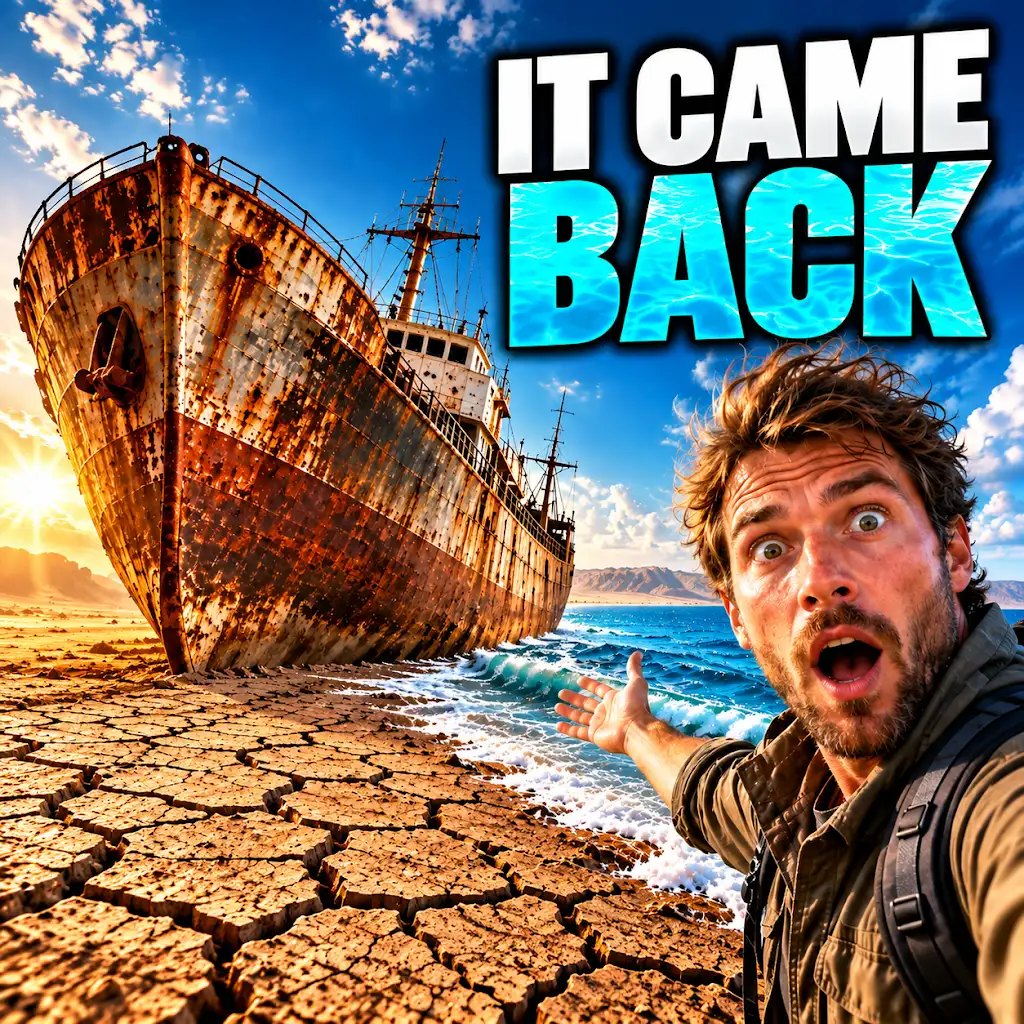
A Dam Brought the Aral Sea Back—But Only Part of It
FAQs
What caused the desertification of the Aral Sea?
The desertification of the Aral Sea was primarily caused by the diversion of its two main tributary rivers, the Amu Darya and Syr Darya, for irrigation purposes in the mid-20th century.
How has the shrinking of the Aral Sea impacted the surrounding region?
The shrinking of the Aral Sea has led to severe environmental and socio-economic consequences in the surrounding region, including the creation of a large desert due to the exposed seabed, loss of biodiversity, and negative health effects from the dust and salt storms.
What efforts have been made to address the environmental crisis caused by the shrinking of the Aral Sea?
Various international organizations, governments, and local communities have implemented projects to address the environmental crisis caused by the shrinking of the Aral Sea, including the construction of dams, water management initiatives, and reforestation efforts.
Is there any hope for the restoration of the Aral Sea?
While the complete restoration of the Aral Sea to its original size is unlikely, there are ongoing efforts to improve the environmental conditions in the region, such as the implementation of sustainable water management practices and the promotion of alternative livelihoods for local communities.
What lessons can be learned from the desertification of the Aral Sea?
The desertification of the Aral Sea serves as a stark reminder of the environmental consequences of unsustainable water use and the importance of considering the long-term impacts of large-scale irrigation projects on fragile ecosystems.