Ancient Egypt, a civilization that flourished for millennia along the fertile banks of the Nile, is renowned not only for its monumental architecture and complex religious beliefs but also for its extraordinary mastery of craftsmanship. Across a vast spectrum of materials, Egyptian artisans produced objects of unparalleled beauty, ingenuity, and durability, leaving behind a legacy that continues to inspire awe and wonder. Their work, deeply intertwined with their religious cosmology, societal structure, and everyday life, offers a profound glimpse into the sophisticated skills and aesthetic sensibilities of this remarkable culture.
The creation of such intricate and enduring artifacts was not the work of amateurs. Ancient Egyptian society recognized and valued skilled labor, with artisans forming a distinct and respected class. These craftsmen underwent rigorous training, often passed down through generations within families, honing their abilities from a young age. The temple workshops and royal palaces served as centers of excellence, where the finest materials and the most skilled individuals collaborated to produce objects of immense significance. Scribes meticulously recorded techniques, measurements, and inventories, attesting to the organized and systematic approach to production. The sheer volume and astounding quality of surviving artifacts—ranging from colossal statues to delicate jewelry—underscore the dedication, precision, and artistic vision that characterized Egyptian craftsmanship. The artisans’ understanding of materials, from the soft glow of gold to the unyielding strength of granite, allowed them to manipulate and transform them into objects that transcended mere utility, embodying spiritual power and earthly grandeur.
The Social Standing of the Artisan
The artisan in ancient Egypt occupied a unique position. While not part of the elite nobility, they were far from being unskilled laborers. Their skills were essential for the functioning of the state, the opulent display of the pharaohs, and the appeasement of the gods. Master craftsmen, particularly those specialized in precious metals, tomb decoration, or monumental stone carving, enjoyed a level of prestige and economic security. They often worked under royal patronage, receiving provisions, housing, and the highest quality materials. The tomb paintings of nobles and officials frequently depict artisans at work, a testament to their recognized importance in society. Their efforts were seen as contributing to the cosmic order, ensuring the pharaoh’s passage to the afterlife and the continued prosperity of Egypt.
The Apprenticeship System
The transfer of knowledge and technique was paramount. The apprenticeship system was the cornerstone of artisanal training. Young boys, often the sons of existing craftsmen, were apprenticed to masters from a young age. Through years of observation, practice, and diligent instruction, they learned the specialized skills of their trade, from selecting raw materials to the final polishing and detailing. This ensured that ancient techniques and artistic conventions were preserved and perpetuated, allowing for the consistent production of high-quality work across generations. The emphasis was not just on technical proficiency but also on understanding the symbolic meanings and ritualistic uses of the objects they created.
Ancient Egyptian craftsmanship is renowned for its intricate artistry and remarkable techniques that have fascinated historians and archaeologists for centuries. The skills of artisans in ancient Egypt not only produced stunning sculptures and jewelry but also contributed to the construction of monumental architecture, such as the pyramids. For those interested in exploring how ancient civilizations, including Egypt, have influenced our understanding of history and craftsmanship, you can read more in this related article: Evidence of a Pole Shift.
Mastering the Elements: Stone Carving and Architecture
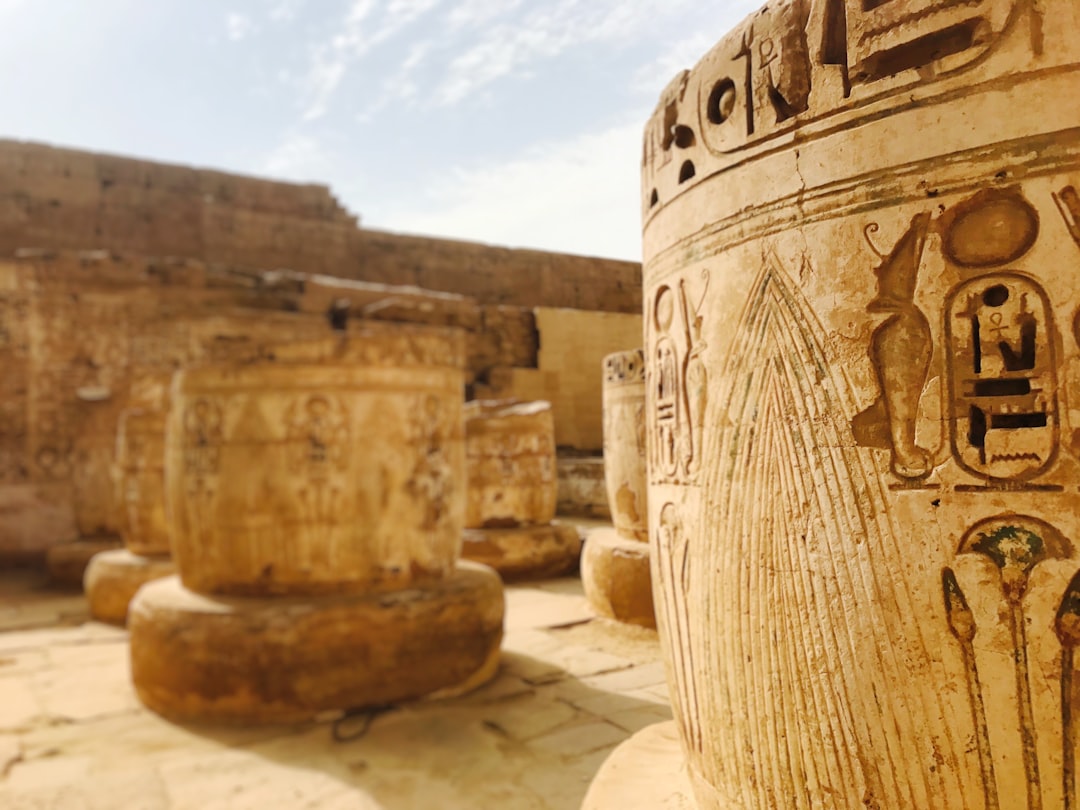
The very landscape of Egypt, punctuated by towering pyramids, colossal temples, and intricate tomb reliefs, stands as a testament to the Egyptians’ unparalleled mastery of stone. They quarried, transported, and shaped a variety of stones, from the readily available sandstone and limestone to the more challenging granite and basalt, with an accuracy and scale that remain breathtaking. Their understanding of the properties of these materials, coupled with ingenious tools and techniques, allowed them to create structures and monumental artworks that have endured for millennia. The Precision with which they carved intricate hieroglyphs, lifelike statues, and elaborate reliefs speaks volumes about their technical prowess and their deep connection to the material world.
Quarrying Techniques and Transportation
The extraction of massive stone blocks was a monumental undertaking. Using tools such as copper chisels, stone hammers, and dolerite pounders, artisans painstakingly worked to create fissures in the bedrock. Wooden wedges, soaked in water, were then hammered into these fissures; as the wood expanded, it would split the rock. For granite and other harder stones, pounding with harder dolerite balls was a common method. Once quarried, these colossal blocks, some weighing hundreds of tons, were transported to construction sites. For longer distances, especially by water, they were loaded onto barges and floated down the Nile during the annual inundation. On land, they were likely moved using sledges pulled by teams of men over specially prepared ramps and lubricated surfaces, a testament to their understanding of leverage and manpower.
The Art of Relief Carving
Egyptian relief carving, both sunk (intaglio) and raised (bas-relief), adorned the walls of temples, tombs, and palaces, narrating religious myths, recounting historical events, and depicting the daily lives of the Egyptians. The process involved first sketching the design onto the stone surface, often using red ochre. Then, skilled carvers, using chisels and mallets, would carefully remove the surrounding stone to reveal the figures and hieroglyphs. The precision required to create these detailed scenes, maintaining shallow depths for raised relief and precise outlines for sunk relief, is extraordinary. The smooth, polished surfaces and the subtle play of light and shadow demonstrate a masterful understanding of form and composition. The artists were adept at conveying depth and perspective within the constraints of their medium, creating vibrant narratives that continue to speak across the ages.
Monumental Sculpture: Statues and Obelisks
The creation of monumental statues, often representing pharaohs, gods, and important officials, was another hallmark of Egyptian craftsmanship. From the colossal seated figures guarding temple entrances to the smaller, exquisitely detailed statues found in tombs, these works exhibit an impressive understanding of anatomy and proportion. The Egyptians worked with a variety of stones, including hard granite and diorite, and employed techniques that allowed them to achieve remarkable smoothness and polish. Obelisks, tall, four-sided, tapering monolithic pillars, were also a significant architectural and sculptural achievement. Quarried from single pieces of stone, often granite, they were meticulously shaped and transported, then erected with incredible precision, symbolizing the sun god Ra and the connection between the earthly realm and the heavens.
The Gleam of Gold and Precious Metals
The Egyptians possessed an exquisite ability to work with gold, silver, electrum (a natural alloy of gold and silver), and other precious metals. Their jewelry, ritual objects, and funerary adornments are a testament to their advanced metallurgical skills and their sophisticated aesthetic sensibility. From delicate filigree work to the intricate inlay of precious stones, these artisans transformed raw metal into objects of unparalleled beauty and symbolic power. The enduring luster and intricate detail of these pieces, crafted thousands of years ago, continue to captivate and inspire.
Metallurgy and Metalworking Techniques
The Egyptians were skilled metallurgists, capable of extracting, purifying, and alloying metals. They utilized techniques such as smelting, hammering, casting, and soldering with remarkable proficiency. Gold, often found in abundance in the Eastern Desert, was a favored material. Its malleability allowed for intricate hammering and embossing. Silver, though rarer, was also used for more delicate pieces. Electrum was frequently employed for its unique pale gold color. The Egyptians also mastered the lost-wax casting technique for creating more complex shapes, a sophisticated method that involved creating a wax model, coating it in clay, and then melting out the wax with heat before pouring in molten metal.
Jewelry and Adornment
Egyptian jewelry was not merely decorative; it was deeply imbued with symbolic meaning and often served protective or magical purposes. Necklaces, bracelets, rings, earrings, and pectorals were crafted from gold, silver, and electrum, often inlaid with semi-precious stones such as lapis lazuli, turquoise, carnelian, and amethyst. The colors of these stones held symbolic significance, representing celestial bodies, fertility, or divine power. Cellwork, where small compartments were created within a metal framework to hold the inlay materials, was a particularly refined technique. The intricate beading of faience and semi-precious stones, creating elaborate collars and bracelets, also showcased their meticulous craftsmanship.
Functional and Ritual Objects
Beyond personal adornment, precious metals were used to create a wide array of functional and ritual objects. Scepters, crowns, ceremonial daggers, bowls, and furniture fittings were often fashioned from gold and silver. The tomb of Tutankhamun, in particular, yielded an astonishing collection of such objects, revealing the opulence and wealth associated with the pharaohs and their afterlife preparations. The intricate detailing and symbolic motifs incorporated into these items speak to the close integration of art, religion, and royal power in ancient Egyptian society.
The Elegance of Faience and Glass
Faience, a glazed ceramic material, and glass were two other mediums in which Egyptian artisans excelled, producing objects of striking color and intricate detail. Faience, composed of crushed quartz or sand, lime, soda, and a coloring agent, could be molded, extruded, or even built up using a paste technique, then fired and glazed. This resulted in a brilliant, iridescent material, most commonly turquoise or sapphire blue, a color highly valued by the Egyptians as it resembled the waters of the Nile and the sky. Glassmaking, though perhaps introduced later, quickly became a highly developed craft, producing vessels, beads, and inlays with a lustrous sheen.
The Magic of Faience
Faience was used to create a vast array of objects, from small amulets and beads to larger statuettes, bowls, and even architectural elements like tiles and inlays. The Egyptians developed a sophisticated understanding of the chemistry of glazes, allowing them to achieve vibrant colors such as deep blue, green, and sometimes even yellow and white, by adding copper, cobalt, or iron compounds during the glazing process. The production of faience involved a complex multi-stage process of mixing, shaping, drying, glazing, and firing, all executed with remarkable precision. The resulting objects were highly prized for their beauty, durability, and perceived magical properties.
The Art of Glassmaking
While the earliest known glass objects in Egypt date to the New Kingdom, the Egyptians rapidly developed their own distinctive glassmaking traditions. They excelled at producing small vessels, often in vibrant colors like blue, green, and occasionally red or yellow, through a core-forming technique. This involved forming a core of clay and dung, then winding molten glass around it, which was then shaped and decorated. They also produced stunning glass beads, which were highly sought after, and used small glass inlays for decorative purposes in jewelry and furniture. The development of cast glass for more elaborate pieces and the understanding of the chemical composition to create stable and lustrous glass showcase their advanced technical knowledge.
Ancient Egyptian craftsmanship is renowned for its intricate artistry and remarkable durability, showcasing the civilization’s advanced skills in various materials such as stone, wood, and metal. The techniques used by artisans in ancient Egypt not only reflect their cultural values but also their understanding of aesthetics and functionality. For a deeper exploration of how craftsmanship has evolved over time and its impact on modern practices, you can read more in this insightful article about the significance of craftsmanship in history. You can find it here: craftsmanship in history.
The Art of the Scribe and the Painter
| Craftsmanship | Details |
|---|---|
| Materials | Stone, wood, metal, clay, glass, and textiles |
| Techniques | Carving, sculpting, painting, pottery, jewelry making, and weaving |
| Artisans | Highly skilled and specialized craftsmen and craftswomen |
| Tools | Chisels, hammers, saws, drills, and brushes |
| Products | Statues, jewelry, furniture, pottery, and architectural elements |
The written word was not merely functional; it was an art form in ancient Egypt. Scribes, highly educated individuals, were responsible for a vast array of tasks, from administrative records to religious texts and literary works. Their meticulous calligraphy and the vibrant pigments used by artists to illustrate manuscripts and decorate tomb walls represent a significant area of Egyptian craftsmanship, blending intellectual pursuits with aesthetic expression.
Calligraphy and Hieroglyphic Script
The Egyptian hieroglyphic script, with its intricate pictorial symbols, was a complex system that required extensive training to master. Scribes used reed pens and ink made from soot or ochre on papyrus, ostraca (shards of pottery), or stone surfaces. The elegant curves, precise lines, and carefully rendered animal and human figures within the hieroglyphs elevate them beyond mere writing to a form of miniature art. The different scripts employed, including hieroglyphic, hieratic, and later demotic, each with its own stylistic nuances, demonstrate the adaptability and evolution of written expression.
Pigments and Painting Techniques
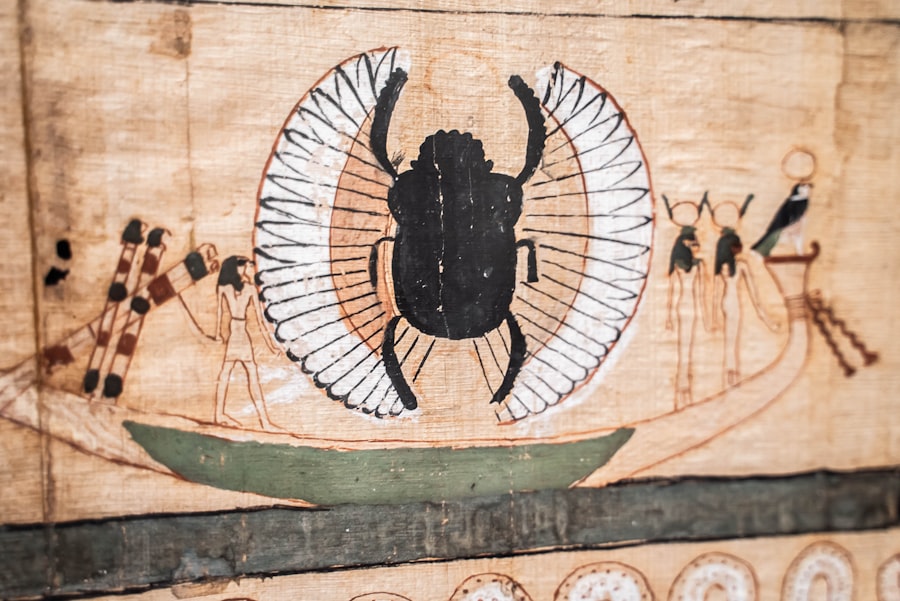
Egyptian painters possessed an impressive palette of natural pigments derived from minerals, plants, and even animal byproducts. Colors such as red ochre, yellow ochre, Egyptian blue (a synthetic pigment), malachite green, carbon black, and chalk white were ground and mixed with a binder, typically gum arabic or egg white, to create luminous paints. These were applied to walls, papyrus, and even sarcophagi using brushes made from animal hair or reeds. The Egyptians were skilled in creating smooth, even washes of color and in applying fine details with remarkable precision, creating lively and enduring depictions of religious scenes, mythological narratives, and scenes from everyday life. The clarity of their lines and the boldness of their colors remain a hallmark of their artistic achievements.
Preserving the Past: Woodworking and Furniture Making
While stone and metal often capture the imagination, the Egyptians were also highly skilled woodworkers and furniture makers. Despite the scarcity of large timber in Egypt, they expertly utilized imported woods such as cedar and ebony, alongside native acacias and sycamores, to create a wide range of objects, from humble domestic furniture to elaborate coffins and ceremonial chariots. Their understanding of joinery, inlay, and finishing techniques allowed them to produce pieces that were both functional and aesthetically pleasing, often mirroring the grandeur of their stone counterparts.
Wood Selection and Preservation
The limited availability of high-quality timber in Egypt meant that wood was a valuable commodity. The Egyptians were adept at sourcing woods from regions like Lebanon for cedar, which was prized for its durability and pleasant scent. They also utilized native trees, though these often yielded smaller planks. The artisans developed techniques for seasoning and treating wood to prevent warping and to resist insects, ensuring the longevity of their creations. The preservation of wood in the dry Egyptian climate has allowed for an exceptional number of ancient wooden artifacts to survive.
Furniture Design and Construction
Egyptian furniture, particularly for the elite, was often exquisitely crafted and richly decorated. Stools, chairs, beds, tables, chests, and cosmetic boxes were designed with both comfort and status in mind. Simple designs often featured elegantly curved legs, sometimes carved to resemble animal paws. More elaborate pieces incorporated intricate joinery, such as mortise and tenon joints, and were often decorated with inlay of precious woods, ivory, faience, or glass. Techniques like veneering were employed to create visually striking surfaces from less common woods. The construction of chariots for warfare and for the pharaoh’s processions was another testament to their advanced woodworking skills, requiring lightweight yet strong designs.
Coffins and Sarcophagi
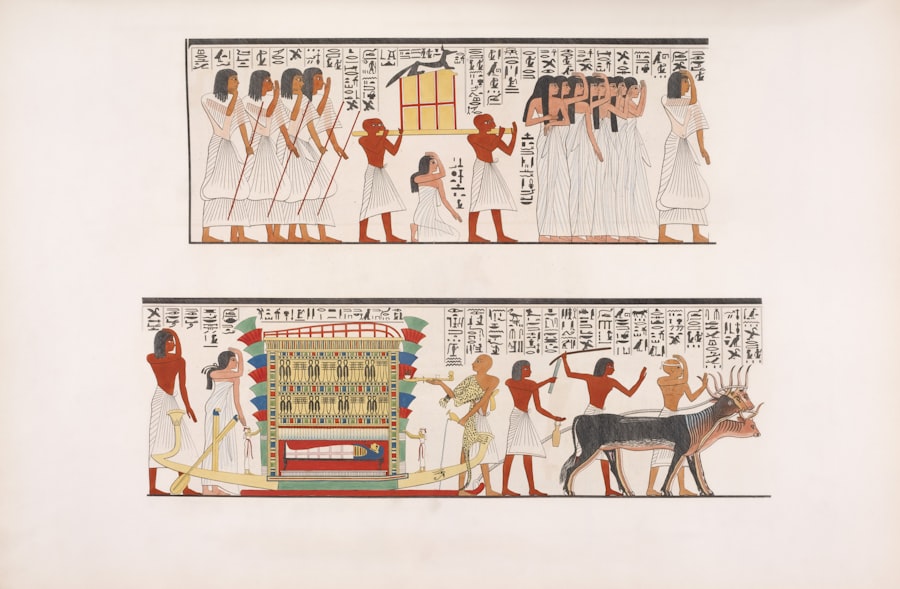
The creation of coffins and sarcophagi was a highly specialized area of woodworking, deeply intertwined with funerary beliefs. These were not simply containers but elaborate works of art designed to protect and guide the deceased in the afterlife. Wooden coffins, often richly painted with religious imagery and hieroglyphic inscriptions, were meticulously constructed. The most opulent examples were nested sarcophagi, where a series of coffins were placed inside one another, culminating in the innermost coffin, often made of or gilded with precious metal. The precision of the joinery and the artistry of the painted decoration on these burial goods speak volumes about the dedication and skill invested in ensuring a prosperous afterlife for the deceased, particularly the pharaoh.
The art of ancient Egyptian craftsmanship, therefore, was far more than the mere production of objects. It was a holistic expression of their worldview, a bridge between the earthly and the divine, and a testament to the enduring ingenuity and artistic genius of a civilization that continues to captivate and inspire the world. The legacy of these ancient artisans, embedded in the enduring materials they shaped and the enduring beauty they created, remains a powerful reminder of the heights of human creativity and technical skill.

Ancient Egypt’s Greatest Engineering Mystery
FAQs
What is ancient Egypt craftsmanship?
Ancient Egypt craftsmanship refers to the skilled work and artistry of the ancient Egyptians in various fields such as architecture, sculpture, jewelry making, pottery, and textile production.
What were some of the most notable examples of ancient Egyptian craftsmanship?
Some of the most notable examples of ancient Egyptian craftsmanship include the construction of the pyramids, intricate jewelry and amulets, finely carved statues and reliefs, and elaborately decorated pottery and textiles.
What materials were commonly used in ancient Egyptian craftsmanship?
Ancient Egyptian craftsmen commonly used materials such as limestone, granite, and sandstone for construction and sculpture, as well as precious metals like gold and silver for jewelry making. They also utilized materials like faience, a type of glazed ceramic, for decorative objects.
What role did craftsmanship play in ancient Egyptian society?
Craftsmanship played a crucial role in ancient Egyptian society, as skilled artisans and craftsmen were highly valued for their ability to create objects of beauty and utility. Craftsmanship also played a significant role in religious and funerary practices, as many objects were created for use in rituals and burial practices.
How did ancient Egyptian craftsmanship influence later civilizations?
The craftsmanship of ancient Egypt had a significant influence on later civilizations, particularly in the areas of architecture, sculpture, and jewelry making. The techniques and styles developed by ancient Egyptian craftsmen were often emulated and adapted by other cultures in the ancient world.