The art of precision stone fitting is a meticulous and demanding discipline that lies at the heart of many crafting traditions, from the intricate settings of fine jewelry to the monumental architecture of ancient civilizations. It is a process where the slightest deviation can compromise not only the aesthetic but also the structural integrity of the finished piece. This art form requires a profound understanding of materials, a keen eye for detail, and a steady hand, combining technical skill with an almost sculptural sensibility. The ability to make stones – whether precious gemstones, delicate architectural blocks, or resilient building materials – conform perfectly to their intended spaces is a testament to human ingenuity and dedication to mastery.
Before any fitting can begin, a thorough comprehension of the materials involved is paramount. This is not merely about recognizing the type of stone, but delves into its inherent characteristics, its behavior under stress, and its aesthetic potential. Precision stone fitting is inherently linked to the physical properties of each individual stone and its counterpart, be it metal, mortar, or another stone.
Gemstone Sensitivity and Brittleness
In the realm of jewelry, gemstones are often the stars. Their inherent value and beauty are amplified by the skill of the stone setter. However, these precious stones are often delicate and brittle. A sapphire, while hard, can still chip or fracture if subjected to undue pressure or an ill-fitting mount. Emeralds, known for their inclusions, are particularly prone to this. The stone setter must understand these vulnerabilities, employing techniques that minimize stress on the gemstone. This includes carefully measuring the stone’s facets, its girdle, and its pavilion to ensure that the metalwork supports it without pinching or binding. The angles of the claws or bezels are critical, designed to hold securely while presenting the stone in its best light. The expansion and contraction of metals with temperature changes also plays a role, and a skilled setter will account for this, leaving minute allowances to prevent the stone from being stressed over time. This understanding transforms the act of setting into a dialogue with the material, respecting its limitations.
Architectural Stone Properties and Durability
For architectural applications, the stakes are arguably higher, involving structural integrity and longevity. Understanding the properties of building stones such as granite, marble, sandstone, and limestone is crucial. Granite, for instance, is exceptionally hard and durable, but its crystalline structure means it can be prone to splitting along cleavage planes. Marble, while beautiful, is softer and more susceptible to weathering and acid damage. Sandstone’s composition varies greatly, influencing its porosity and resistance to erosion.
A master mason must consider the stone’s compressive strength, tensile strength, and its resistance to frost heave and chemical attack. The ability to read the grain of the stone, identify natural fault lines, and select the appropriate tools for cutting and shaping are all part of this material knowledge. The precision required in fitting these larger stones is not just about aesthetics; it is about ensuring that the building stands for generations. A poorly fitted voussoir in an arch can lead to premature failure, while a misaligned veneer stone can create points of weakness for water ingress.
The Role of Measurement and Tolerance
Precision in stone fitting is inextricably linked to accurate measurement and the understanding of acceptable tolerances. For gemstones, tolerances are measured in fractions of millimeters, where a slight oversight can result in a loose stone or a scratched facet. Tools like calipers, micrometers, and specialized measuring gauges are essential. The setter will often use wax impressions or digital scans to create precise models of the setting before working directly with the metal and the stone.
In architecture, while tolerances might be larger, they are equally critical. A mason will use measuring tapes, levels, plumbs, and squaring tools to ensure that blocks fit snugly against each other. The goal is often to create joints that are as tight as possible, minimizing the need for excessive mortar, which can often be a point of weakness. The precision here ensures that loads are distributed correctly, that water runoff is managed efficiently, and that the overall structure is stable and aesthetically pleasing. Understanding the designated tolerances for a particular project, whether dictated by architectural plans or the nature of the materials themselves, is a fundamental aspect of the fitter’s skill.
Precision stone fitting is an ancient technique that showcases the remarkable craftsmanship of past civilizations, particularly in monumental architecture. For those interested in exploring the historical significance of precision in construction, a related article delves into the fascinating legacy of the Library of Alexandria and its lost maps, which played a crucial role in the advancement of knowledge and engineering. You can read more about this intriguing topic in the article titled “Uncovering Lost Maps: Library of Alexandria’s Legacy” available at this link.
The Art of Shaping: From Rough to Refined
The transformation of a raw stone into a perfectly fitted component is an intricate process of shaping and refinement. This stage demands not only physical skill but also a deep understanding of how to manipulate the stone’s form without compromising its inherent beauty or structural integrity.
Diamond Tools and Abrasives for Gemstones
The cutting and polishing of gemstones are the initial steps in preparing them for fitting. Diamond-tipped saws and grinding wheels, often operating at high speeds, are used to facet the rough stones. This process requires immense precision, as each facet must be cut at a specific angle to maximize the stone’s brilliance and fire. The use of diamond abrasives is a testament to the hardness of these materials, allowing for the precise manipulation of even the most resistant minerals.
Subsequent polishing stages, using finer abrasives, bring out the stone’s luster. The lapidary’s skill lies in understanding the optical properties of each gem, knowing how to orient the crystalline structure to achieve the desired effect. The perfect symmetry and sharp edges of a well-cut diamond or a finely faceted ruby are the direct result of this meticulous shaping. The selection of the right grit of abrasive, the pressure applied, and the cooling of the stone are all crucial elements in achieving a flawless finish that will complement the final setting.
Precision stone fitting is a crucial technique in the construction and design industries, ensuring that each stone is meticulously shaped to fit seamlessly with its neighbors. This level of craftsmanship not only enhances the aesthetic appeal of structures but also contributes to their durability and stability. For those interested in exploring the broader implications of precision in various fields, you might find this article on government-controlled assets particularly insightful, as it delves into the importance of precision and regulation in asset management.
Stone Cutting and Dressing Techniques in Architecture
For architectural stones, the shaping process is equally demanding. Masons employ a variety of tools, from traditional hammers and chisels to modern diamond-bladed saws and grinders. The act of shaping a block of granite or marble for a specific architectural element, such as a column capital, a corbel, or a doorway surround, involves carefully removing material to create the desired form.
Stone dressing refers to the finishing of the stone’s surface. This can range from rough dressing to create a rustic texture, to fine dressing for a smooth, polished finish. Bush hammering, for example, creates a textured surface that can provide grip or an aesthetic appeal. Stone splitting, using specialized wedges and hammers, is another technique to break down large blocks into more manageable sizes, often revealing natural cleavage planes that can be exploited for efficient shaping. The mason must possess a deep understanding of these techniques, knowing which tool is appropriate for which stone and which desired outcome. The goal is to create a stone that not only fits its designated space but also contributes harmoniously to the overall architectural composition.
The Importance of Mock-ups and Prototypes
In both jewelry and architecture, the use of mock-ups and prototypes is a critical aspect of ensuring precision before committing to the final materials. For a complex jewelry setting, a jewel who is not only a designer but also a craftsman might create a wax or CAD model of the intended piece. This allows for

The Walls That Shouldn’t Still Be Standing

FAQs
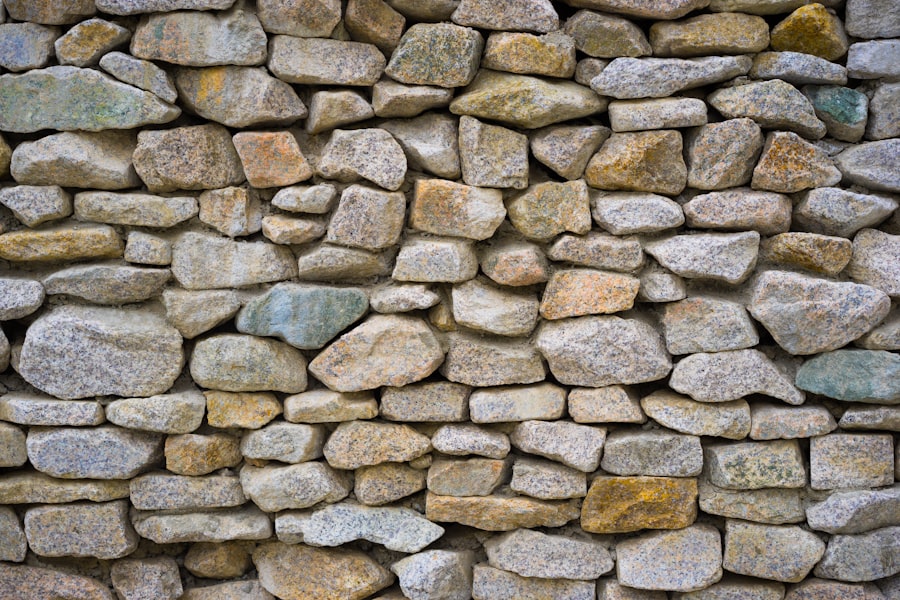
What is precision stone fitting?
Precision stone fitting is the process of carefully shaping and fitting stone materials, such as granite or marble, to create a seamless and precise installation. This process requires skilled craftsmanship and attention to detail to ensure a perfect fit.
What are the benefits of precision stone fitting?
Precision stone fitting results in a high-quality, custom look for stone installations. It ensures that the stones fit together seamlessly, creating a polished and professional appearance. Additionally, precision stone fitting can increase the durability and longevity of the installation.
What tools and techniques are used in precision stone fitting?
Precision stone fitting involves the use of specialized tools such as diamond saws, grinders, and polishers to shape and finish the stone. Techniques such as measuring, cutting, grinding, and polishing are used to achieve precise and seamless fits between stone pieces.
What types of projects benefit from precision stone fitting?
Precision stone fitting is commonly used in projects such as kitchen countertops, bathroom vanities, fireplace surrounds, and flooring installations. It is also utilized in outdoor applications such as patio pavers and pool surrounds.
Why is precision stone fitting important in construction and design?
Precision stone fitting is important in construction and design because it ensures a high-quality, custom finish for stone installations. It adds value to the property and enhances the overall aesthetic appeal of the space. Additionally, precision stone fitting contributes to the structural integrity and longevity of the installation.