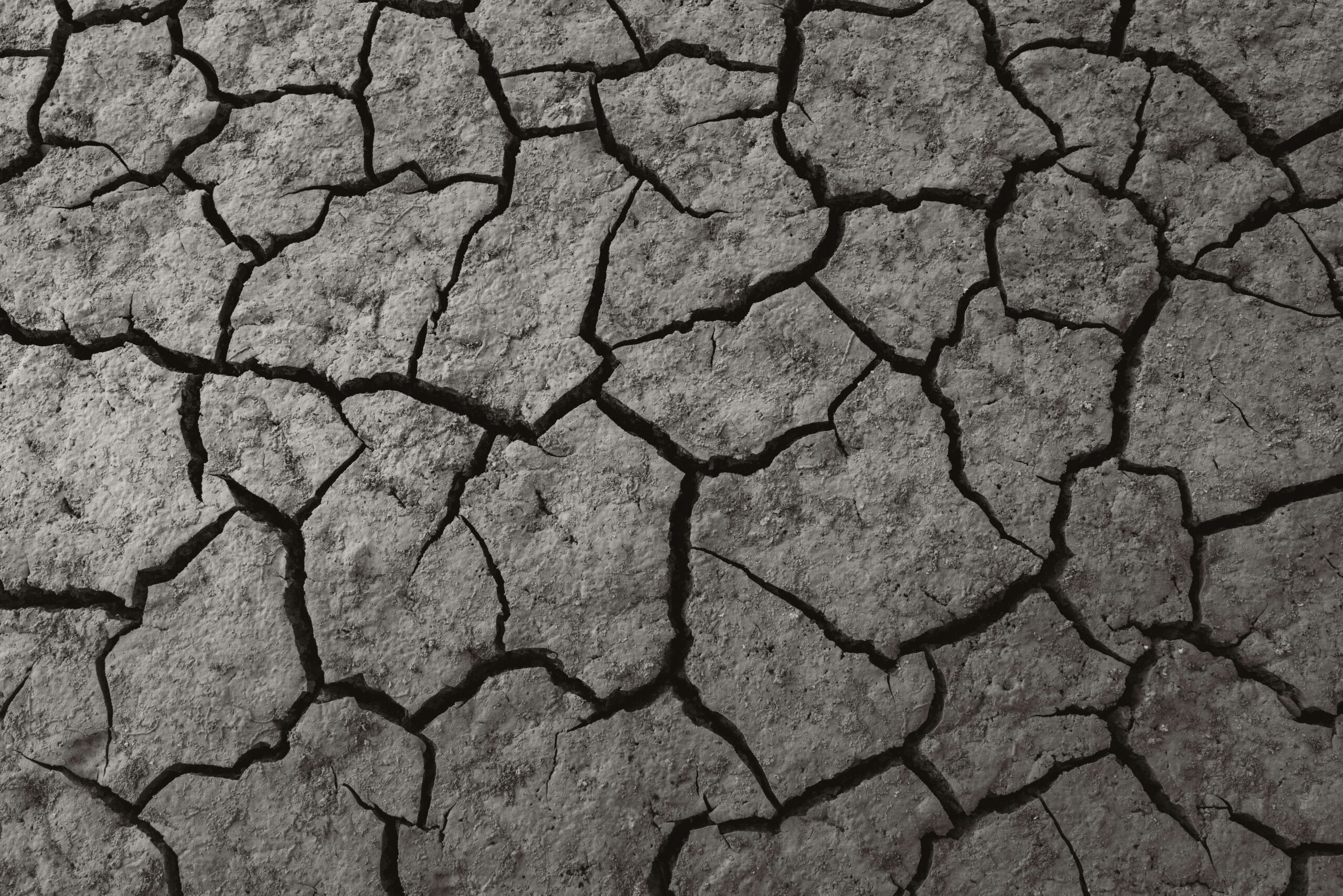
The dust storms, once a visceral symbol of encroaching desolation, are now met with a surprising resurgence of life. For decades, the narrative surrounding arid and semi-arid lands has been one of relentless creep, a creeping dread of desertification transforming fertile fringes into barren expanses. The United Nations Convention to Combat Desertification (UNCCD) has long sounded the alarm, highlighting the vast swathes of land succumbing to degradation, impacting billions and threatening food security. Yet, recent scientific advancements and a closer examination of global environmental dynamics reveal a more nuanced and, remarkably, more optimistic picture. The seemingly inevitable march of the desert is not a singular, unstoppable force; it is locked in a dynamic struggle with nature’s own resilient cycles, a battle whose current outcome is increasingly favoring regeneration.
The prevailing wisdom regarding the impact of climate change on drylands has undergone a profound metamorphosis. For many years, the logical extrapolation from rising global temperatures and altered precipitation patterns was a straightforward prediction of widespread desertification. The logic seemed irrefutable: hotter, drier conditions would inevitably lead to the expansion of deserts, turning productive land into inhospitable wilderness. However, the intricate tapestry of Earth’s climate and biosphere has proven to be far more complex than these initial, albeit understandable, projections. Latest global modeling, particularly in 2024, has illuminated this complexity, offering a significant recalibration of our understanding.
The Paradox of Aridity and Vegetation Growth
While the science confirming an increase in global aridity is robust, a compelling counter-trend has emerged. This counter-trend is not the result of human intervention alone, but rather a potent, naturally occurring phenomenon: carbon dioxide fertilization. As atmospheric CO₂ concentrations rise, terrestrial plants, including those in dryland regions, exhibit enhanced photosynthetic activity. This increased efficiency allows them to utilize available water resources more effectively, leading to greater biomass production and, consequently, a significant expansion of vegetation cover. The paradox lies in the fact that while the conditions for desertification might be intensifying in some aspects, the response of the plant kingdom is, in many cases, defying these dire predictions. This phenomenon is not a subtle shift; it is a substantial force reshaping the drylands.
Revisiting the Data: The Scale of Desertification Under Scrutiny
The United Nations has previously highlighted alarming statistics, with reports indicating that a substantial portion of Earth’s land, upwards of 77.6%, has experienced a permanent drying trend since the 1990s. This figure, while stark, necessitates a closer look at its implications. The crucial distinction, now being emphasized by the latest projections, is between land becoming drier and land actually undergoing desertification. Desertification implies a permanent loss of biological productivity and ecosystem function, a transformation into desert conditions. New projections, informed by the burgeoning understanding of CO₂ fertilization and plant resilience, suggest that the actual areas destined to truly desertify by the end of the century may be less than 4% of the world’s drylands. This is a significant revision, suggesting that the majority of drylands are not on an inevitable path to becoming featureless sands, but are instead exhibiting a remarkable capacity for rejuvenation and greening.
Desertification, a process often exacerbated by human activities, can be better understood when compared to natural cycles of climate change. An insightful article that delves into historical drought patterns is available at this link: Tree Rings Reveal Bronze Age Drought. This piece explores how tree-ring data provides evidence of past climate variability, highlighting the natural fluctuations that have occurred over millennia, which can help contextualize the current challenges of desertification in relation to these natural cycles.
The Dominance of “Greening”
The most compelling aspect of the current environmental dynamic in drylands is the observable and measurable trend of “greening.” This phenomenon, far from being a fringe anomaly, has become a dominant force, actively countering the spread of desertification in many parts of the world. The data emerging from global studies is not just suggestive; it is substantial, painting a picture of a world where vegetation is not merely holding ground but actively reclaiming and expanding its territory. This greening is a testament to the resilience of natural systems and the powerful, albeit unintended, influence of rising atmospheric CO₂.
Global Extent of Vegetation Expansion
Recent analyses have quantified the remarkable scope of this greening trend. It is no longer confined to isolated pockets or localized improvements. Instead, studies reveal that greening is now exceeding desertification by a factor of more than three. This widespread vegetation expansion covers an impressive 41% of the world’s drylands. The geographical spread is broad, encompassing diverse regions from the arid landscapes of India to the semi-arid Sahel region of Africa and the drier fringes of northern China. These are precisely the areas that have historically been considered most vulnerable to desertification, yet they are now demonstrating a significant capacity for ecological recovery and expansion of vegetative cover.
The Role of CO₂ Fertilization: A Natural Ally
The primary driver behind this widespread greening phenomenon is the impact of elevated atmospheric carbon dioxide concentrations on plant growth. This effect, known as CO₂ fertilization, is a well-documented aspect of plant physiology. As CO₂ levels increase, plants can photosynthesize more efficiently, requiring less water per unit of biomass produced. For the hardy vegetation adapted to dryland environments, which often operate under water-scarce conditions, this increased photosynthetic efficiency translates directly into greater growth, increased biomass, and improved water-use efficiency. This natural mechanism is essentially providing a boost to the plant kingdom, enabling it to thrive and expand even in environments that are otherwise becoming drier. It is a natural counter-force to the potentially arid conditions intensified by climate change.
The UNCCD’s Evolving Mandate

The United Nations Convention to Combat Desertification (UNCCD) plays a pivotal role in coordinating global efforts to address land degradation. Its recent conferences, particularly the landmark UNCCD COP16 held in Riyadh, Saudi Arabia, in December 2024, underscore a significant evolution in the organization’s strategy. The 30th anniversary of the convention provided a critical juncture for reflection and recalibration, with a clear acknowledgment of the shifting scientific understanding and the emergent trend of greening. This evolution signifies a move away from a purely reactive approach to degradation towards a more proactive and regenerative strategy.
Restoring Degraded Lands: Ambitious Targets Set
COP16 saw the reaffirmation and indeed the amplification of ambitious goals. A key objective established is the restoration of 1.5 billion hectares of degraded land by the year 2030. This is a gargantuan undertaking, requiring significant investment and coordinated action across national borders. The convention recognizes that while desertification is a concern, the focus must also be on actively reversing existing degradation and fostering healthy ecosystems. The target reflects a commitment to turning the tide, not just on future desertification, but on the legacy of past land misuse.
Financial Mobilization for Regeneration
Crucially, the Riyadh conference also placed a strong emphasis on financial commitment. Securing $2.6 trillion in investment was highlighted as a necessity to achieve the outlined restoration goals. This financial mobilization is critical for supporting the transition from a paradigm of land degradation to one of land regeneration. The recognition that significant financial resources are required indicates a mature understanding of the scale of the challenge and the commitment needed to foster the natural cycles of recovery.
Shifting from Degradation to Regeneration
The core of the UNCCD’s evolving mandate is this strategic shift: from solely combating degradation to actively promoting regeneration. This is a more optimistic and forward-looking approach, acknowledging that the potential for land to recover and thrive is significant. Despite the persistent reality of rising aridity in some regions, the focus is now on empowering and supporting the natural processes that can lead to land rehabilitation. This includes investing in sustainable land management practices, promoting drought-resistant vegetation, and harnessing the power of natural cycles, including the aforementioned greening trend.
The Reality of Expanding Drylands
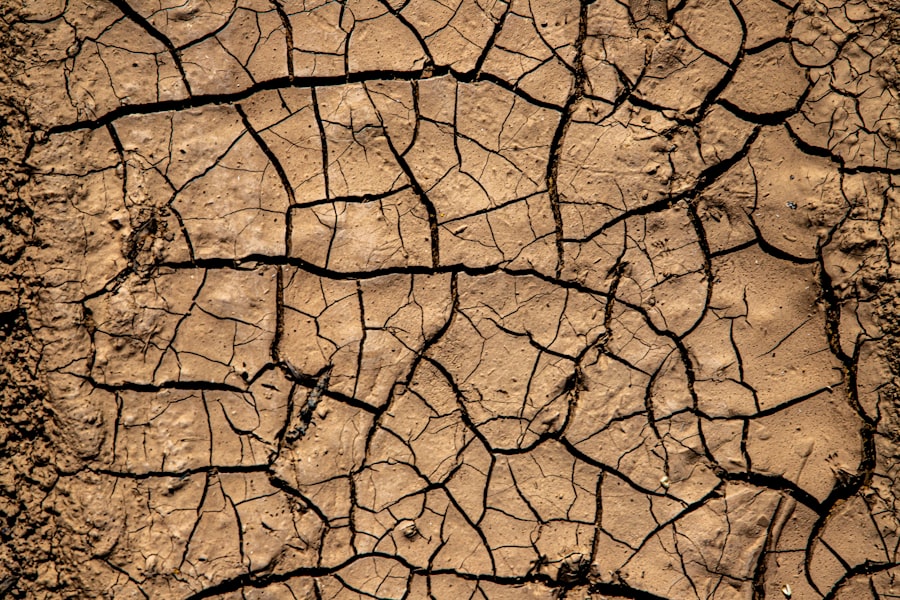
The global reality of expanding dryland areas is undeniable. The latest UN reports confirm a significant increase in these regions, impacting a substantial portion of the world’s population. This expansion poses considerable challenges, particularly for the communities that depend on these lands for their livelihoods. However, the narrative surrounding these expanding drylands is not solely one of impending doom; it is also a story of adaptation and, surprisingly, flourishing ecosystems.
Population in Drylands: A Growing Concern
The confirmation of over 2.3 billion people now residing in expanding drylands highlights the human dimension of land degradation and climate change. Regions like South Sudan, Tanzania, and China are identified as particularly affected. For these populations, the increasing dryness of their environment translates into greater challenges in terms of food security, water availability, and economic stability. Understanding the scale of human vulnerability in these areas is essential for developing effective adaptation and mitigation strategies.
Vegetation Productivity: A Surprising Uplift
Despite the acknowledged increase in aridity, researchers are observing a remarkable counter-trend in vegetation productivity within these expanding drylands. Studies indicate an average increase of approximately 50% in vegetation productivity in these regions. This finding directly contradicts earlier fears that increasing aridity would inevitably lead to widespread land degradation and a decline in ecological function. The implication is that while the climate might be becoming harsher in some respects, the plant life within these drylands is responding with enhanced vigor, largely due to the aforementioned CO₂ fertilization effect. This is a critical piece of information that reframes the severity of the “desertification” challenge.
Desertification is a pressing issue that often sparks debate about its causes, particularly when compared to natural cycles of land degradation. An insightful article that explores the economic implications of environmental changes can be found in the context of Tijuana’s manufacturing sector. This piece highlights how urban development and industrial growth can impact local ecosystems, which may relate to the broader discussions on desertification. For more information, you can read the article here.
The Battle Royal: Natural Cycles vs. Human Impact
| Metrics | Desertification | Natural Cycles |
|---|---|---|
| Causes | Human activities, overgrazing, deforestation, and climate change | Natural climate variations, geological processes, and ecosystem dynamics |
| Impact on Soil | Soil degradation, loss of fertility, and increased erosion | Natural soil formation and erosion processes |
| Vegetation Changes | Loss of vegetation cover, decreased biodiversity, and expansion of arid areas | Natural vegetation succession and adaptation to changing environmental conditions |
| Human Intervention | Efforts to combat desertification through reforestation, sustainable land management, and water conservation | Observation and adaptation to natural environmental changes |
The current environmental scenario in drylands can be best understood as a complex and ongoing “battle” between the potential for human-induced desertification and the inherent resilience and regenerative capacity of natural cycles. For a long time, the focus was predominantly on the destructive forces, the human activities that lead to soil erosion, land degradation, and the loss of ecological functions. However, the recognition of natural cycles, particularly the phenomenon of greening driven by rising CO₂, has introduced a new, powerful player into this dynamic.
The Receding Threat of Widespread Desertification
The scientific community is now recalibrating its understanding of the future trajectory of desertification. The historical misconception that climate change would trigger an immediate and widespread collapse of vegetation in arid and semi-arid lands is being corrected. Instead, the current trend suggests that natural cycles are actively working to mitigate the worst-case scenarios. While localized instances of degradation and desertification will undoubtedly persist, especially in areas with unsustainable land management practices, the overarching global trend is not towards universal desertification.
The Ascendancy of Greening: A Natural Counter-Offensive
The current tipping point in this “battle” appears to be in favor of natural cycles of greening. Vegetation is expanding, and in many areas, deserts are not marching forward but are, in effect, retreating as plant cover increases. This resurgence is primarily fueled by the elevated atmospheric CO₂ levels, which act as a powerful, natural fertilizer for plant life. It is a testament to the planet’s capacity for self-regulation and adaptation, even in the face of significant anthropogenic pressures. This greening is not a sign that climate change is not happening, but rather that the Earth’s biosphere is responding in complex and often surprising ways.
Desertification is a pressing issue that often sparks debate about its causes, particularly when compared to natural cycles of land degradation. A recent article discusses the shift in manufacturing to the southern United States, which highlights the impact of industrial activities on local ecosystems and could be related to the broader conversation about environmental changes. For more insights on how economic shifts can influence ecological conditions, you can read the article here: the shift to southern US manufacturing. Understanding these dynamics is crucial in addressing the challenges posed by desertification and its long-term effects on our planet.
Financial Commitments for a Greener Future
The growing understanding of the interplay between desertification and natural cycles of greening has spurred increased financial commitment from various entities. Recognizing the urgent need to support the land’s inherent regenerative capacities, development banks and international organizations are stepping up their efforts to provide the necessary resources for land restoration and sustainable land management. This financial momentum is crucial for consolidating the gains made by natural cycles and for addressing the remaining challenges of land degradation.
The Arab Coordination Group’s Pledge
The Arab Coordination Group, an association of ten Middle Eastern development banks, has made a significant commitment to address the complex issues of land degradation, desertification, and drought. By pledging $10 billion by 2030, this group acknowledges the critical importance of protecting and restoring dryland ecosystems. This financial infusion is particularly relevant given that many countries within this region are characterized by arid and semi-arid environments, making them directly susceptible to the impacts of desertification.
Investing in Natural Recovery
This financial commitment signifies a strategic investment in the natural cycles of recovery. It is an acknowledgment that fostering the conditions for vegetation to thrive, for soil health to be restored, and for ecosystems to become more resilient is a pragmatic and effective approach. Rather than solely viewing these regions as sites of ongoing loss, there is a growing recognition of their potential for regeneration. The funds are intended to support projects that promote sustainable land management, water conservation, reforestation, and other initiatives that empower natural processes to reclaim degraded lands and reverse the trends of desertification. The battle is far from over, but the emergence of widespread greening, coupled with increasing financial and scientific support, offers a hopeful new chapter in the story of our planet’s drylands.

The Sahara Won’t Stay a Desert Forever
FAQs
What is desertification?
Desertification is the process by which fertile land becomes desert, typically as a result of drought, deforestation, or inappropriate agriculture.
What are natural cycles in relation to desertification?
Natural cycles refer to the recurring patterns of climate and environmental changes that occur over time, such as periods of drought and rainfall, which can contribute to the expansion or contraction of deserts.
How does human activity contribute to desertification?
Human activities such as overgrazing, deforestation, and improper irrigation can accelerate the process of desertification by degrading the land and reducing its ability to support vegetation.
What are the impacts of desertification on the environment and communities?
Desertification can lead to loss of biodiversity, soil erosion, and reduced agricultural productivity, which can have negative impacts on local communities, including food and water shortages.
How can desertification be mitigated or reversed?
Efforts to mitigate or reverse desertification include sustainable land management practices, reforestation, and water conservation measures, as well as international cooperation and policy initiatives.