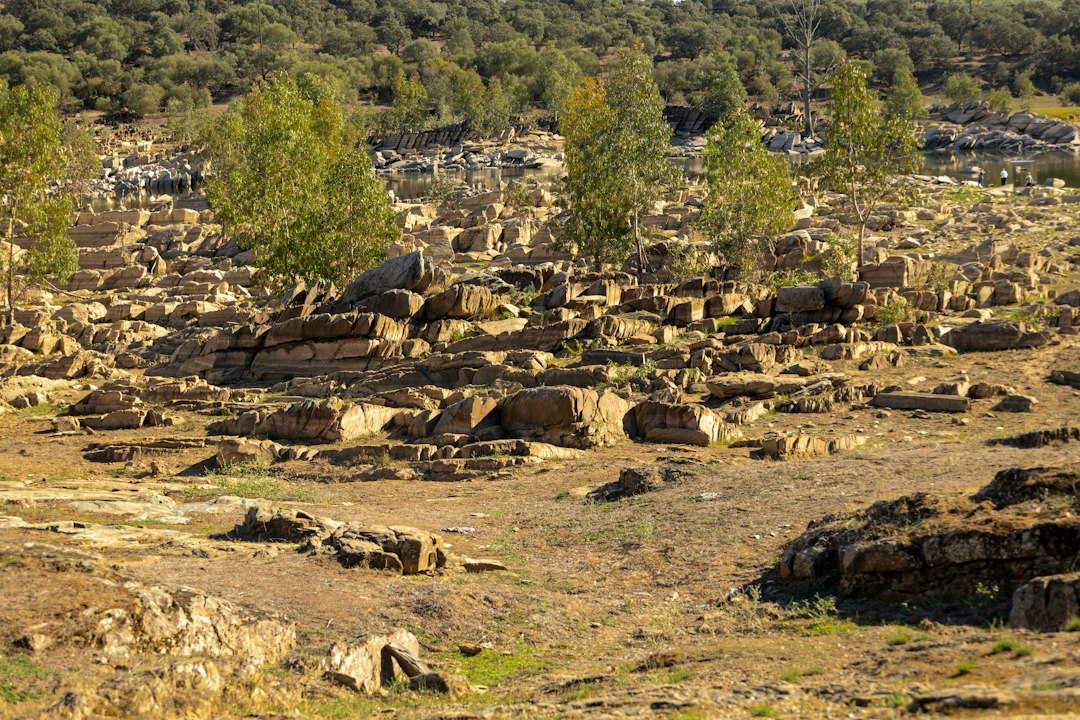
The Bronze Age, a period of remarkable technological advancement and interconnectedness, witnessed the flourishing of sophisticated societies across the Near East, Aegean, and Eastern Mediterranean. Empires like those of Egypt, the Hittites, Mycenaeans, and Cypriot kingdoms engaged in extensive trade networks, developed complex administrative systems, and built monumental architecture. Yet, this era of apparent stability and prosperity was brought to an abrupt and devastating end around the turn of the 12th century BCE. The collapse was not a singular event but a cascading series of failures that reshaped the geopolitical landscape and ushered in a new, albeit darker, age. Understanding the causes and consequences of this widespread societal breakdown is crucial to comprehending the cyclical nature of human civilization and the factors that contribute to both its rise and fall.
Echoes of Upheaval: The Unraveling of Bronze Age Order
The period preceding the Late Bronze Age Collapse was characterized by a complex web of relationships between powerful kingdoms. The Egyptian New Kingdom, the Hittite Empire, the Mycenaean civilization in Greece, and various polities in the Levant and Cyprus maintained diplomatic ties, engaged in warfare, and conducted extensive maritime trade. These civilizations had achieved significant population densities, urban centers, and specialized labor. Their economies were heavily reliant on bronze metallurgy, which in turn depended on the long-distance procurement of copper and tin. This intricate system, while a testament to their ingenuity, also created inherent vulnerabilities. The interconnectedness that fueled their growth also meant that a disruption in one region could rapidly propagate to others, creating a domino effect of instability. The evidence for this widespread disruption is undeniable, appearing in the archaeological records of multiple regions simultaneously.
The Mediterranean Crucible: A World on the Brink
The vast expanse of the Mediterranean and the Near East during the Late Bronze Age was a vibrant hub of activity. Great powers like Egypt, the Hittites, and the Mycenaeans held sway, their influence extending through diplomacy, trade, and military might. The discovery of diplomatic correspondence, such as the Amarna Letters, provides invaluable insights into the intricate political maneuvering and interdependence of these polities. These letters reveal a world where rulers consulted each other, exchanged gifts, and mediated disputes, all within a framework of established protocols. The economies of these civilizations were highly specialized, with agricultural surpluses supporting burgeoning urban populations and a growing artisan class. The production and distribution of luxury goods, metals, and foodstuffs were central to their economic systems. The reliance on sea routes for trade meant that the Mediterranean was a conduit for not only goods but also ideas and cultural exchange. However, this very reliance on established networks made them susceptible to systemic shocks.
A Fragile Interdependence: The Pillars of Bronze Age Society
The economic foundations of Bronze Age civilizations were built upon a delicate balance of resource acquisition and specialized production. Bronze, the hallmark metal of the era, required the careful coordination of two primary components: copper and tin. Copper was relatively abundant in various regions, but tin was far scarcer and often had to be transported over vast distances from sources in Anatolia, Afghanistan, or even as far as Cornwall in Britain. This necessity for long-distance trade created a complex and vulnerable supply chain. Disruptions to tin mining, transportation routes, or the stability of the regions controlling these resources could have severe repercussions for bronze production, impacting everything from weaponry and tools to the intricate ornaments of the elite. Furthermore, agricultural output, often concentrated in fertile river valleys, was susceptible to climatic fluctuations and environmental degradation. The complex irrigation systems and sophisticated agricultural techniques that supported large populations could also become points of failure if not meticulously maintained.
The collapse of Bronze Age civilizations has long intrigued historians and archaeologists, prompting extensive research into the factors that contributed to this significant historical event. A related article that explores innovative materials from ancient times is available at this link: Revolutionary Roman Concrete: Self-Healing Wonders. This article delves into the remarkable properties of Roman concrete, which, while not directly related to the Bronze Age, highlights the advanced engineering techniques of ancient civilizations and their lasting impact on construction and architecture.
The Storm Gathers: Multifaceted Catalysts for Collapse
Pinpointing a single cause for the Late Bronze Age Collapse is an exercise in futility. Instead, a confluence of interconnected factors likely contributed to the widespread breakdown. These include environmental degradation and climate change, seismic activity, internal rebellions and social unrest, and the disruptive arrival of migratory groups, famously known as the “Sea Peoples.” The synergy of these stressors created an environment of unprecedented instability, overwhelming the adaptive capacities of even the most powerful societies.
Whispers of Drought and Dust: Climate and Environmental Stress
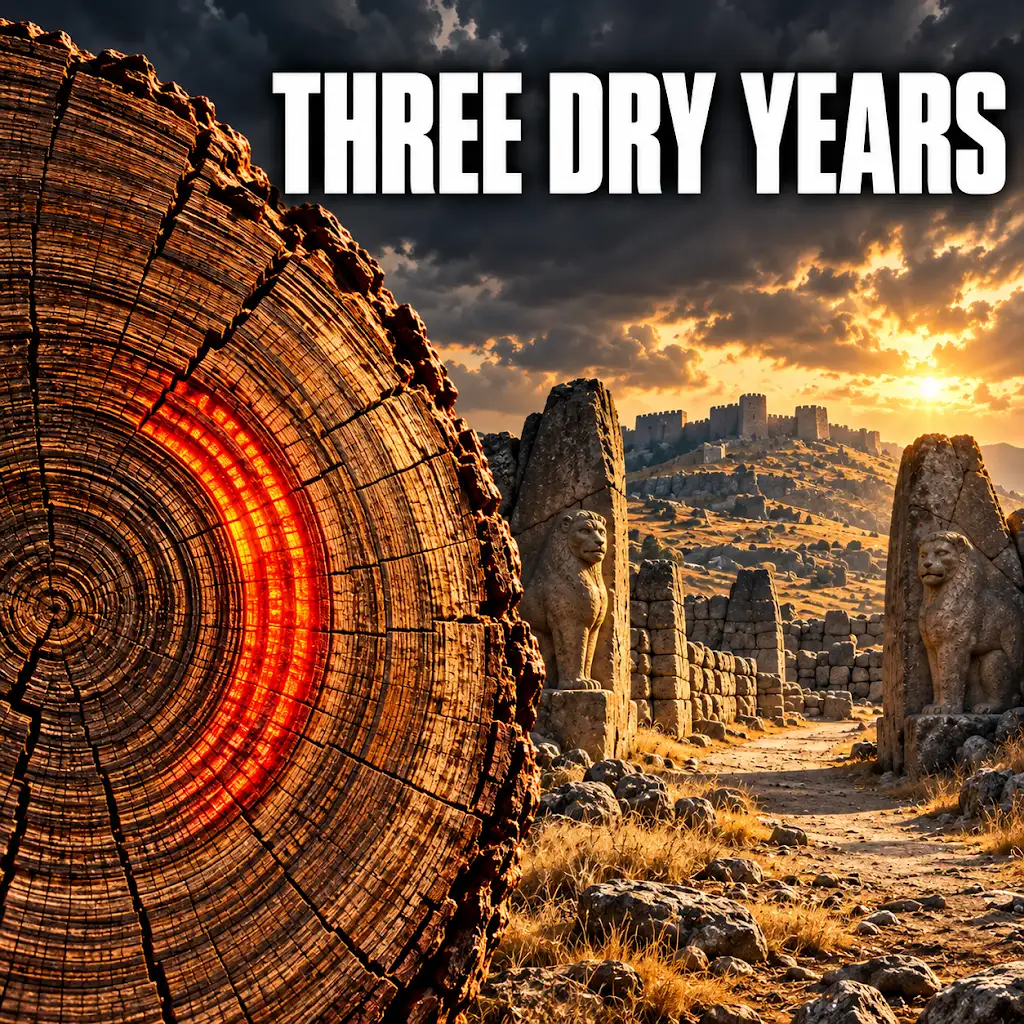
Evidence from paleoclimatic studies, including analyses of pollen, lake sediments, and tree rings, points towards a period of significant climatic upheaval around the time of the collapse. Prolonged droughts, intensified by potential shifts in atmospheric circulation patterns, would have severely impacted agricultural productivity. Reduced rainfall would have led to crop failures, livestock losses, and water scarcity, straining the resources of already densely populated urban centers. This environmental stress would have exacerbated existing social tensions, potentially leading to famine, disease, and mass migration as populations sought more viable living conditions. The inability of agricultural systems, often reliant on predictable rainfall and established irrigation, to cope with these prolonged climatic shifts was a fundamental vulnerability.
The Shudder of the Earth: Cataclysmic Earthquakes
The Mediterranean and the Near East are situated in seismically active zones, and the Late Bronze Age was no exception. Archaeological evidence from numerous sites reveals widespread destruction caused by earthquakes. While individual seismic events might not have been sufficient to bring down entire civilizations, a series of powerful earthquakes occurring within a relatively short period could have dealt devastating blows to already weakened societies. The destruction of infrastructure, including city walls, temples, palaces, and vital irrigation systems, would have severely hampered a society’s ability to recover and function. The cumulative impact of such natural disasters, especially when combined with other pressures, could have been catastrophic, leading to the abandonment of cities and the disruption of essential services.
The collapse of Bronze Age civilizations has long intrigued historians and archaeologists, as it marked a significant turning point in human history. One fascinating aspect of this period is the construction of monumental structures, such as those found in Baalbek, which raises questions about the engineering capabilities of ancient societies. For a deeper exploration of one of these remarkable sites, you can read about the mysteries surrounding the Baalbek stone blocks in this insightful article. Understanding these ancient achievements can provide valuable context for the broader narrative of societal decline and transformation during the Bronze Age. To learn more, visit this article.
The Cracks Within: Internal Strife and Social Fragmentation
The immense wealth and power concentrated in the hands of elites in Bronze Age societies often led to significant social stratification and inequality. This can breed resentment and unrest among the lower classes. Economic hardship, exacerbated by environmental challenges or the disruption of trade, could have ignited internal rebellions and peasant uprisings. The evidence of destruction at many sites, particularly within the core areas of major kingdoms, suggests that conflict was not solely external. Internal decay, stemming from political instability, dynastic disputes, or the breakdown of social order, may have weakened these societies from within, making them more susceptible to external threats. The intricate hierarchical structures of these civilizations, while enabling large-scale projects, also meant that their stability was heavily dependent on the effective functioning of the ruling class.
The Fury from the Waves: The Enigmatic Sea Peoples
Perhaps the most evocative and debated factor in the collapse are the “Sea Peoples,” a coalition of diverse maritime groups mentioned in Egyptian inscriptions as raiders and invaders who attacked various regions of the Eastern Mediterranean during the late 13th and early 12th centuries BCE. While their precise origins and composition remain subjects of scholarly discussion, their impact is undeniable. Egyptian records describe fierce battles against these marauders, who are depicted as employing innovative naval tactics and devastating weaponry. The Sea Peoples are often blamed for the destruction of coastal cities and the disruption of trade routes. Their migrations, possibly driven by their own environmental pressures or conflicts in their homelands, injected a volatile and destructive element into an already precarious geopolitical situation. The scale and coordinated nature of their attacks suggest a significant demographic shift and a profound disruption to the existing order.
The Shattered Mirror: Immediate Consequences of the Collapse
The immediate aftermath of the Late Bronze Age Collapse was a period of profound societal upheaval and decline. The grand palaces and bustling metropolises that had characterized the era were largely abandoned or destroyed. The intricate trade networks that had connected distant lands disintegrated, leading to economic isolation and a loss of specialized knowledge. The sophisticated writing systems and administrative structures that had governed these complex societies largely vanished, leaving behind a vacuum of information and organization. This era of fragmentation and disruption marked the end of an epoch.
Cities in Silence: Abandonment and Destruction
Across the Aegean, Anatolia, the Levant, and Cyprus, archaeological evidence paints a grim picture of widespread destruction and abandonment. Major urban centers, once vibrant hubs of commerce and culture, were reduced to ruins. Cities like Mycenae, Tiryns, Pylos, Ugarit, and Hattusa, the capital of the Hittite Empire, suffered catastrophic destruction, with evidence of burning and sacking. Many of these sites were never reoccupied at their former scale, signifying a significant demographic decline and a loss of centralized authority. The reasons for abandonment varied, ranging from direct destruction by invaders to gradual decline due to resource scarcity, disease, and the erosion of social order. The silence that fell upon these once-thriving cities was a stark testament to the magnitude of the collapse.
The Sundering of Networks: Trade Routes Severed
The Late Bronze Age was an era of unprecedented long-distance trade, facilitated by sophisticated maritime and overland routes. These networks were crucial for the exchange of vital commodities like tin, copper, grain, and luxury goods. The collapse of political stability, the destruction of port cities, and the increased threat of piracy along the sea lanes led to the virtual cessation of these extensive trade networks. This severance had profound economic consequences, leading to shortages of essential materials, particularly metals, which crippled industries dependent on bronze. The isolation that followed meant that regions were forced to rely on local resources, leading to a decline in the production of specialized goods and a general economic contraction. The interconnectedness that had fueled prosperity now became a liability when the connections were broken.
The Erasure of Scripts: Loss of Knowledge and Literacy
The complex administrative and economic systems of the Late Bronze Age were underpinned by sophisticated writing systems, such as cuneiform in Mesopotamia and Anatolia, and Linear B in the Mycenaean world. These scripts were used for record-keeping, diplomacy, and religious texts. With the collapse of centralized authority and the destruction of administrative centers, the use of these scripts largely disappeared. The ability to read and write became a specialized skill confined to a small number of individuals, and in many regions, the knowledge of these scripts was lost altogether. This loss of literacy had a profound impact on the transmission of knowledge, history, and administrative practices, contributing to a general decline in intellectual and cultural sophistication. The subsequent “Dark Ages” were characterized by a stark lack of written records compared to the preceding era.
A New Dawn, A Different Horizon: Long-Term Consequences and the Rise of New Orders
The collapse of the Bronze Age did not signify the end of civilization but rather a radical reshaping of the political, social, and economic landscape. The vacuum left by the fallen empires gave rise to new forms of political organization, innovative technologies, and the emergence of distinct cultural identities. The Iron Age, which followed the Bronze Age, was characterized by a different set of challenges and opportunities, ultimately leading to the development of new and enduring civilizations.
The Iron Age Beckons: The Age of a New Metal
One of the most significant long-term consequences of the Bronze Age Collapse was the accelerated adoption of iron as a primary metal for tools and weaponry. While iron was known and used to some extent during the Bronze Age, the disruption of tin and copper trade routes made bronze production prohibitively expensive and difficult. Iron ore, by contrast, was far more abundant and accessible in many regions. The development of more efficient iron smelting and working techniques allowed for the widespread production of iron tools, which were more durable and cost-effective than bronze. This technological shift democratized access to metal, empowering smaller communities and individuals and contributing to the rise of new social and political structures. The Iron Age marked a fundamental shift in the material culture of the ancient world.
The Dawn of the City-States and Empires: Reshaping the Political Map
The collapse of the large, centralized Bronze Age empires paved the way for the emergence of smaller, more localized political entities. In the Levant, the Phoenicians, a seafaring people, established a network of independent city-states that dominated Mediterranean trade. In Greece, the fragmented Mycenaean world eventually gave way to the rise of the Greek city-states (poleis), each with its own unique political system and identity. Further east, new empires, such as the Assyrian and Babylonian empires, eventually rose to prominence, filling the power vacuum left by the Hittites. These new political formations, while often smaller in scale than their predecessors, developed their own distinct characteristics and laid the groundwork for future civilizations. The loss of grand empires did not mean the end of political organization, but rather a diversification of its forms.
The Seeds of Change: Cultural Transformations and New Identities
The Late Bronze Age Collapse triggered profound cultural transformations. The movement of peoples, the collapse of old orders, and the integration of new groups led to the blending and evolution of existing cultural traditions. The Phoenicians, with their innovative alphabet, played a crucial role in transmitting linguistic and cultural ideas across the Mediterranean. The Greek Dark Ages, while marked by a decline in material culture, also saw the emergence of foundational elements of Greek mythology, literature, and philosophy that would later flourish. The sense of shared cultural heritage among the Bronze Age polities fractured, replaced by the forging of distinct regional and ethnic identities. This period of upheaval, while destructive, was also a crucible for the formation of new cultural narratives and the evolution of distinct societies that would shape the future of the ancient world. The fragmentation of the old world allowed for the blossoming of diverse new cultural flowers.
Your 401(k) Withdrawal Can Make More of Your Social Security Taxable
FAQs
What caused the collapse of bronze age civilizations?
The collapse of bronze age civilizations was likely caused by a combination of factors, including climate change, natural disasters, invasions by hostile groups, and internal unrest.
Which bronze age civilizations were affected by the collapse?
The collapse of bronze age civilizations affected major civilizations such as the Mycenaeans, Hittites, and Egyptians, as well as smaller cultures throughout the Mediterranean and Near East.
How did climate change contribute to the collapse of bronze age civilizations?
Climate change may have led to droughts, crop failures, and resource scarcity, putting pressure on the agricultural-based economies of bronze age civilizations and contributing to their downfall.
Were there any signs of decline before the collapse of bronze age civilizations?
Archaeological evidence suggests that some bronze age civilizations experienced periods of decline before their ultimate collapse, including abandoned settlements, decreased trade, and evidence of conflict.
Did any bronze age civilizations survive the collapse?
While many bronze age civilizations did collapse, some regions, such as the Levant and parts of Anatolia, managed to survive and eventually gave rise to new cultures and civilizations in the following Iron Age.