The Bronze Age, a transformative epoch in human history, is increasingly understood not just through its technological advancements – the smelting of metals, the rise of complex societies, and the expansion of trade networks – but also through the profound environmental shifts that shaped its trajectory. For millennia, Bronze Age civilizations flourished, leaving behind a legacy of monumental architecture, intricate artwork, and sophisticated social structures. However, this period was not a static idyll; it was a dynamic era marked by significant climatic disruptions that profoundly impacted human settlements, economies, and cultural developments. Understanding these environmental challenges is crucial to comprehending the rise and fall of Bronze Age societies and the resilience and adaptability of the peoples who navigated them.
The Bronze Age, generally dated from around 3300 BCE to 1200 BCE, was not a monolithic period of stable climate. Instead, it encompassed a range of climatic conditions, punctuated by periods of significant change. While the precise regional variations are complex, overarching trends are discernible from paleoclimatic data, including ice cores, tree rings, sediment analysis, and archaeological evidence. These data paint a picture of a world experiencing shifts in temperature, precipitation patterns, and the frequency of extreme weather events.
Pre-Bronze Age Climatic Context
Before the full emergence of the Bronze Age, the world was transitioning from the Holocene Climatic Optimum, a period of generally warmer and more stable conditions. This relative stability had allowed for the development of early agricultural societies and the beginnings of settled life. However, even this period was not entirely free of climatic fluctuations, setting a precedent for the more dramatic shifts that would characterize the Bronze Age.
The Bronze Age Hypsithermal and its Aftermath
The early to middle Bronze Age (roughly 3300-2000 BCE) often coincided with what is known as the Bronze Age Hypsithermal, a period that, in many regions, was warmer than present-day conditions. This warming, however, was not uniform and was often accompanied by altered rainfall patterns. Following this period, particularly from the late Bronze Age onwards (around 2000-1200 BCE), evidence suggests a shift towards cooler and drier conditions in many areas, alongside an increase in climatic variability.
Regional Climatic Variations
It is vital to acknowledge that climatic changes were not experienced uniformly across the vast geographical expanse of the Bronze Age world. For instance, regions like the Eastern Mediterranean, Mesopotamia, and parts of Europe experienced distinct patterns of drought, increased aridity, or periods of intensified rainfall. Understanding these regional differences is key to appreciating the localized impacts of climate disruption on different civilizations.
The Role of Natural Cycles
While human activities were not a significant driver of global climate change during the Bronze Age, natural climate cycles, such as variations in solar activity and volcanic eruptions, played a crucial role in shaping the climatic conditions of the era. These natural forcings, coupled with the inherent sensitivity of regional climate systems, contributed to the observed fluctuations.
Recent studies have highlighted the significant impact of climate disruption during the Bronze Age, shedding light on how environmental changes influenced ancient civilizations. For a deeper exploration of this topic, you can read a related article that discusses various accidental discoveries in archaeology and their implications for understanding historical climate events. Check it out here: Accidental Discoveries in Archaeology.
The Impact on Agriculture and Food Security
Agriculture was the bedrock of Bronze Age societies. The development of settled life, population growth, and the emergence of complex states were all fundamentally linked to the ability to produce surplus food. Consequently, any disruption to agricultural productivity had cascading effects, impacting food security, economic stability, and social order.
Drought and Aridification
One of the most devastating impacts of climate disruption was the onset of prolonged droughts and aridification in many key agricultural regions. Areas that had previously supported thriving farming communities, reliant on consistent rainfall or irrigation, found themselves struggling with water scarcity. This led to crop failures, reduced yields, and a decline in livestock, directly threatening the food supply.
The Fertile Crescent’s Vulnerability
The Fertile Crescent, a cradle of early civilization, was particularly susceptible to changes in rainfall. Evidence from ancient texts and sediment cores points to periods of severe drought that likely contributed to agricultural decline and population displacement in regions like Mesopotamia and the Levant.
European Agricultural Stresses
In Europe, while some areas might have benefited from warmer temperatures initially, shifts towards drier conditions in later Bronze Age periods placed considerable stress on rain-fed agriculture. This could have led to competition for resources and increased vulnerability to famine.
Increased Rainfall and Flooding
Conversely, some regions experienced intensified rainfall and flooding. While this might seem beneficial on the surface, excessive rainfall could also be detrimental. Flooding could destroy crops, erode fertile topsoil, and disrupt transportation and trade networks. Furthermore, waterlogged conditions could also hinder certain types of agriculture and increase the prevalence of certain diseases.
Riverine Societies and Flood Risks
Civilizations that developed along major river systems, such as those in Mesopotamia and Egypt, were particularly vulnerable to shifts in river flow and the increased risk of catastrophic floods. Managing these water resources became a critical challenge for Bronze Age rulers and engineers.
Shifting Growing Seasons and Crop Viability
Changes in temperature and precipitation patterns could also alter the length and timing of growing seasons. This forced farmers to adapt their crop choices and planting techniques, a process that was not always successful. Certain staple crops that had thrived for generations might have become less viable, leading to a need for the introduction of new crops or a reduction in agricultural diversity.
Impact on Livestock and Pastoralism
Beyond crop cultivation, climate disruption significantly affected pastoralist societies and the livestock upon which many Bronze Age communities depended. Droughts could lead to the depletion of grazing lands, forcing nomadic or semi-nomadic peoples to move in search of water and fodder, potentially leading to conflict with settled agricultural communities.
Social and Political Repercussions

The agricultural stresses induced by climate disruption had profound social and political consequences. As food became scarcer and resources more competitive, existing social structures and political systems were put under immense pressure, often leading to instability, conflict, and the eventual decline of established powers.
Increased Social Stratification and Inequality
Periods of resource scarcity often exacerbate existing social inequalities. As food and water became more precious, those who controlled these resources, typically the elite and rulers, were able to consolidate their power, while the common populace faced greater hardship. This could lead to increased social stratification, resentment, and potential unrest.
Migration and Displacement
When agricultural lands became untenable due to drought or other climate-related factors, populations were often forced to migrate in search of more favorable conditions. This mass movement of people could lead to increased competition for resources in new areas, friction with existing populations, and the breakdown of established social orders.
The “Sea Peoples” and Late Bronze Age Collapse
The mysterious “Sea Peoples,” whose incursions are documented in Egyptian records, are often theorized to be part of a larger wave of migration and displacement triggered by widespread climate and environmental collapse across the Eastern Mediterranean. Their movements, and those of other displaced groups, are seen as a significant factor in the widespread societal collapse that characterized the end of the Late Bronze Age.
Warfare and Conflict
Competition for dwindling resources, particularly water and arable land, was a common catalyst for conflict during the Bronze Age. Climate-induced stresses on agriculture and food security likely intensified inter-state rivalries and internal strife. Archaeological evidence of increased fortifications, destruction layers in settlements, and weapon caches in some regions point to a period of heightened conflict.
The Decline of Great Powers
The collapse of several major Bronze Age civilizations, including the Mycenaean civilization in Greece, the Hittite Empire in Anatolia, and the New Kingdom of Egypt’s weakening influence, has been linked to a complex interplay of factors, with climate change and its agricultural consequences being a significant contributing element. The inability of these states to cope with persistent environmental stress likely undermined their economic foundations, military capabilities, and social cohesion.
Breakdown of Trade Networks
Bronze Age economies relied heavily on extensive trade networks to acquire essential resources, particularly metals like copper and tin for bronze production, as well as luxury goods. Climate-induced disruptions, such as droughts affecting agricultural output and potentially impacting transportation routes (e.g., dried-up rivers, more difficult overland travel), could severely disrupt these networks. The breakdown of trade could have led to economic stagnation, shortages of vital materials, and further social and political instability.
Technological and Cultural Adaptations

Faced with mounting environmental challenges, Bronze Age societies were not passive victims. They developed and implemented a range of technological and cultural adaptations in an attempt to mitigate the impacts of climate disruption and ensure their survival.
Innovations in Water Management
The need to manage water resources became paramount. This spurred innovations in irrigation systems, including canals, reservoirs, and wells, to capture and distribute water more effectively. In some regions, the development of more sophisticated drainage systems also played a role in managing excess water.
Terracing and Soil Conservation
In hilly or mountainous regions, terrace farming techniques likely became more widespread, helping to conserve soil and water by preventing runoff and creating level planting areas. These techniques were crucial for maximizing agricultural productivity in challenging terrain.
Development of Drought-Resistant Crops and Farming Techniques
There is evidence to suggest that Bronze Age farmers experimented with and cultivated more drought-resistant varieties of crops. Additionally, agricultural techniques that optimized water usage, such as mulching and changes in plowing methods, may have been adopted or refined.
New Settlement Patterns and Mobility
In response to changing environmental conditions, some communities may have shifted their settlement patterns. This could have involved moving to areas with more reliable water sources or developing more mobile lifestyles that allowed them to follow available resources.
Intensification of Religious and Ritual Practices
Climate disruption often led to a greater reliance on religious and ritualistic practices to appease deities believed to control natural forces. Elaborate ceremonies, sacrifices, and appeals to divine intervention became increasingly important as societies sought to understand and influence the unpredictable forces of nature. This could have led to the development of new cults or the intensification of existing ones focused on water, fertility, and the weather.
Archaeological Evidence of Resilience and Collapse
Archaeological sites from the Bronze Age provide a rich tapestry of evidence for both resilience and collapse. Some settlements show evidence of continuous occupation and adaptation, with new infrastructure built to cope with environmental challenges. Others, however, reveal signs of abandonment, destruction, and societal breakdown, underscoring the profound impact of climate change on human populations.
Recent studies have highlighted the significant impact of climate disruption during the Bronze Age, which played a crucial role in shaping ancient civilizations. For a deeper understanding of how environmental factors influenced societal changes, you can explore a related article that delves into the complexities of historical events and their interconnections. This insightful piece can be found here, providing a broader context for the discussions surrounding climate and its effects on human history.
The Legacy of Climate Disruption in the Bronze Age
| Metrics | Data |
|---|---|
| Period | Bronze Age |
| Climate Disruption | Yes |
| Impact | Decreased agricultural productivity |
| Evidence | Archaeological findings, tree ring data |
The Bronze Age serves as a crucial historical case study for understanding the complex relationship between climate, society, and civilization. The lessons learned from this period continue to resonate today as humanity grapples with contemporary climate change.
Understanding Societal Vulnerability
The Bronze Age demonstrates that even complex and sophisticated societies are vulnerable to environmental shocks. The collapse of seemingly powerful civilizations highlights the precarious balance between human societies and the natural world, and the potential for even gradual climatic shifts to have devastating long-term consequences.
The Importance of Adaptation and Resilience
Conversely, the survival and continued development of many Bronze Age communities underscore the importance of human adaptability and resilience. The ingenuity displayed in developing new technologies, adapting agricultural practices, and restructuring social systems provided pathways for survival in the face of adversity.
Connecting Past and Present Climate Challenges
Studying the Bronze Age’s response to climate disruption offers valuable insights into potential human responses to contemporary climate challenges. While the scale and drivers of current climate change are different, the underlying principles of resource scarcity, societal stress, and the need for adaptation remain relevant. Understanding how past societies navigated similar pressures can inform our strategies for building more resilient futures.
The Interconnectedness of Environment and Civilization
Ultimately, the Bronze Age story is a powerful testament to the profound interconnectedness of environment and civilization. The rise and fall of societies, the development of technologies, and the shaping of cultures were all deeply intertwined with the climatic conditions of the time. Recognizing this intricate relationship is essential for a holistic understanding of human history and for charting a sustainable path forward. The echoes of the Bronze Age’s environmental struggles remind us that human progress is not solely a story of technological advancement but also one of our enduring relationship with the planet.
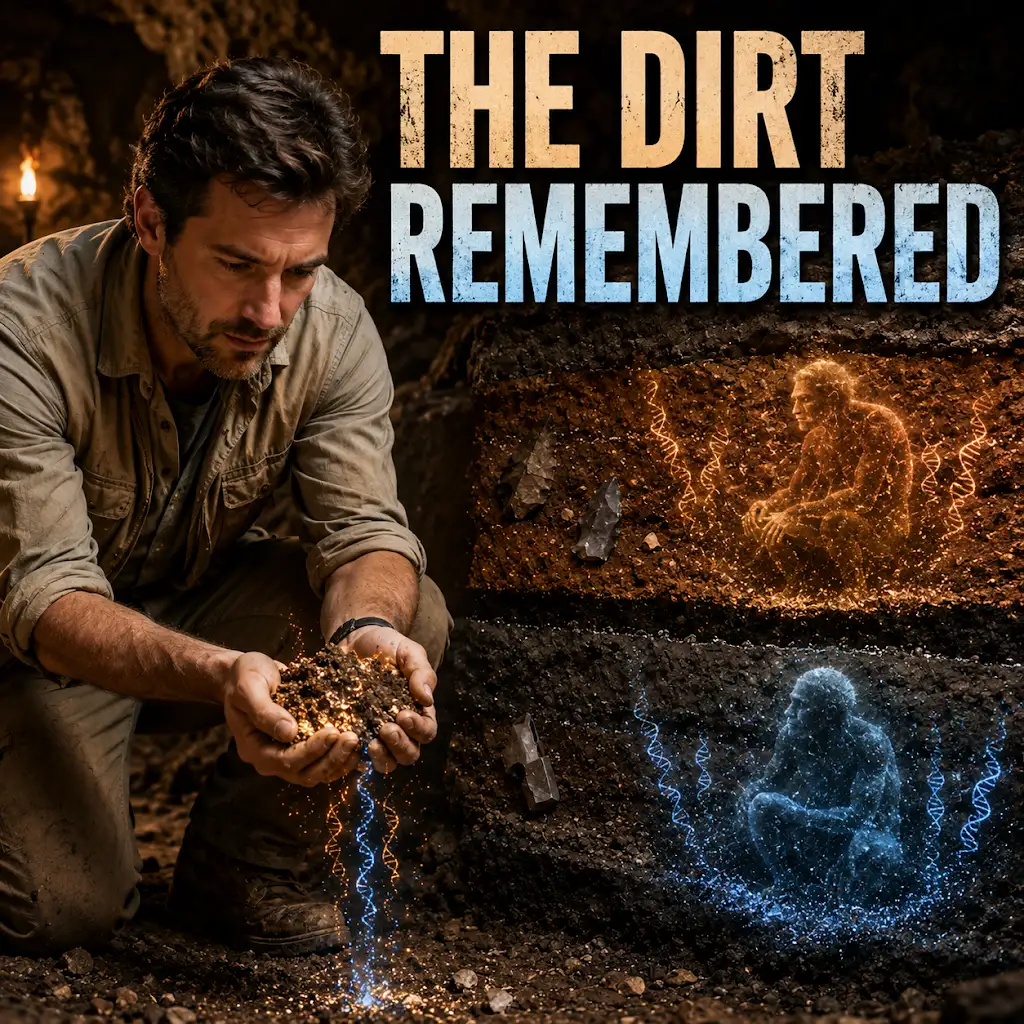
How Scientists Found Neanderthals Where There Were No Bones
FAQs
What was the Bronze Age climate disruption?
The Bronze Age climate disruption refers to a period of significant climate change that occurred around 3200 years ago, during the late Bronze Age. This period was marked by widespread drought, crop failures, and societal upheaval in many regions around the world.
What were the effects of the Bronze Age climate disruption?
The Bronze Age climate disruption had a profound impact on human societies, leading to food shortages, famine, and the collapse of many civilizations. It is believed to have contributed to the decline of several ancient empires, including the Hittites, Mycenaeans, and Egyptians.
What caused the Bronze Age climate disruption?
The exact cause of the Bronze Age climate disruption is still a topic of debate among scientists and historians. However, it is believed that a combination of natural climate variability, volcanic eruptions, and human activities such as deforestation may have contributed to the disruption.
How do scientists study the Bronze Age climate disruption?
Scientists study the Bronze Age climate disruption using a variety of methods, including analyzing ice cores, tree rings, and sediment samples. These sources provide valuable information about past climate conditions and help researchers understand the factors that contributed to the disruption.
What can we learn from the Bronze Age climate disruption?
Studying the Bronze Age climate disruption can provide valuable insights into the complex interactions between climate, environment, and human societies. It can also help us better understand the potential impacts of future climate change and the importance of sustainable environmental practices.