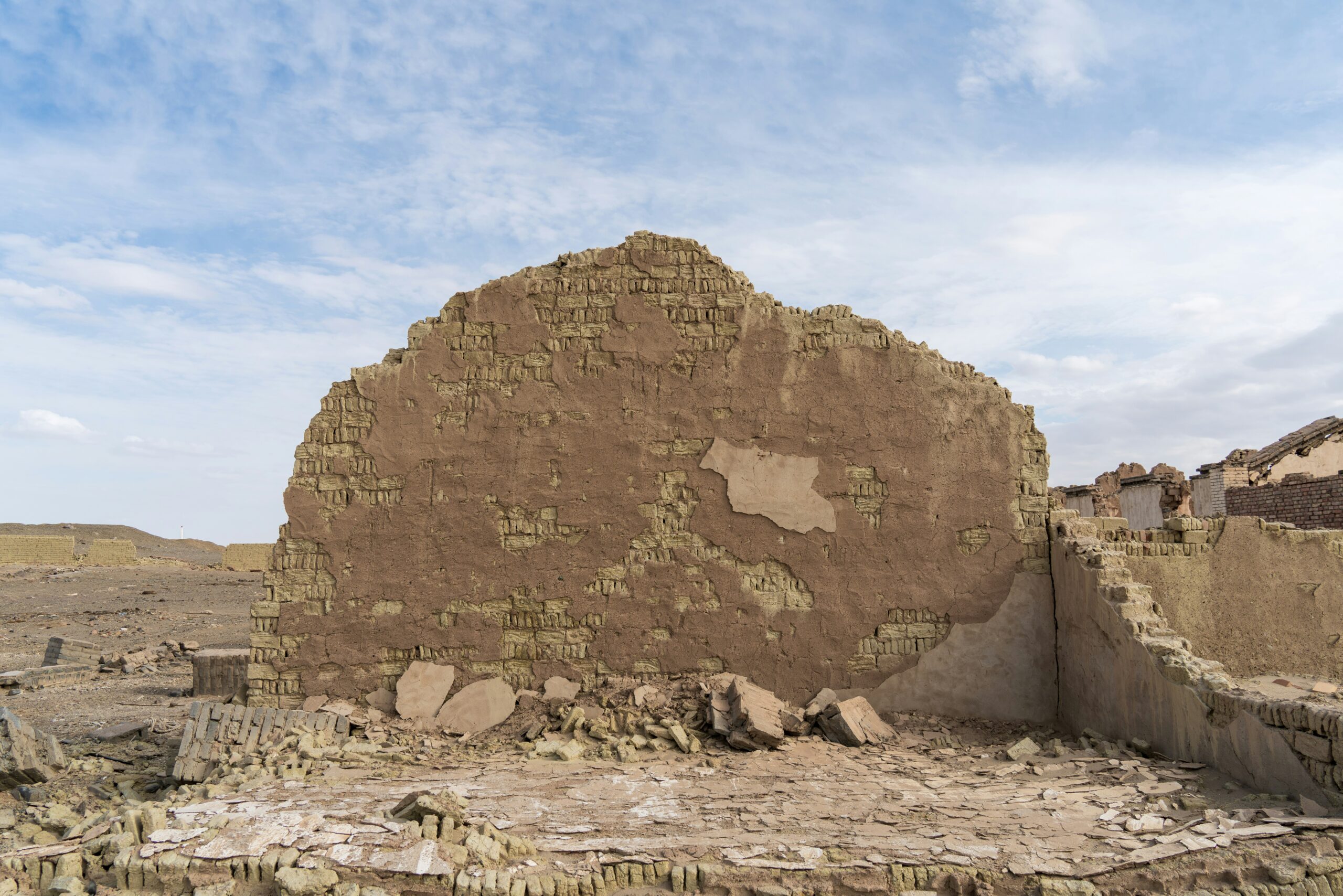
The twilight of empires, a period shrouded in mystery and upheaval, descends upon the Late Bronze Age, a time of unprecedented interconnectedness and burgeoning civilization. For centuries, the Aegean, Anatolia, the Levant, and Egypt had enjoyed a golden age. Thriving city-states traded precious metals, textiles, and exotic goods across vast distances. Monumental architecture, sophisticated bureaucracies, and advanced metallurgy testified to the era’s prosperity. Yet, within a span of a few generations, this intricate web of power and culture unraveled, leaving behind a landscape of destruction and a profound historical enigma. The Bronze Age Collapse, a cataclysm that reshaped the ancient world, represents one of history’s most dramatic and consequential periods of societal breakdown. Its causes remain a subject of intense debate, a mosaic pieced together from fragmented archaeological evidence and tantalizing textual hints. Understanding this collapse requires delving into the interconnectedness of the Late Bronze Age world, the various pressures that bore down upon it, and the swiftness with which its mighty kingdoms crumbled.
Before the storm, the Late Bronze Age stood as a testament to human ingenuity and cooperation. This era, roughly spanning from 1600 BCE to 1200 BCE, witnessed the rise of complex state societies and a level of international interaction previously unseen. Kingdoms like the Mycenaean civilization in Greece, the Hittite Empire in Anatolia, the New Kingdom of Egypt, and the kingdoms of the Levant—including Ugarit, Kadesh, and Jericho—formed a sophisticated geopolitical landscape. This interconnectedness was not merely political; it was deeply economic and cultural.
The Great Trading Networks
The bedrock of this Late Bronze Age prosperity was its extensive trade networks. These were not the localized exchanges of earlier periods but vast arteries of commerce that facilitated the movement of goods and ideas across continents. The most crucial commodity driving this trade was, unsurprisingly, bronze itself. Bronze, an alloy of copper and tin, was the material that defined the era, powering its weapons, tools, and ornate objects.
Copper and Tin: The Essential Ingredients
Copper was relatively widespread, mined in various locations across the Mediterranean and Near East. Tin, however, was far rarer and more geographically concentrated. Major sources of tin were located in regions as distant as Afghanistan and potentially Cornwall in Britain, necessitating complex and long-distance trade routes. Mesopotamian and Egyptian traders, for example, relied on merchants to procure tin and transport it to centers where it could be alloyed with copper, creating the prized bronze. This reliance on specific, often distant, sources made the entire system vulnerable to disruptions.
Luxury Goods and Diplomatic Exchange
Beyond raw materials, a vibrant trade in luxury goods flourished. Egyptian gold, Mesopotamian lapis lazuli, Aegean pottery, and Levantine ivory found their way into the treasuries and palaces of distant rulers. This exchange was often intertwined with diplomacy. Royal marriages, gifts of precious objects, and the exchange of envoys were common practices designed to maintain peace and foster alliances. The Amarna Letters, a collection of diplomatic correspondence from the reigns of Amenhotep III and Akhenaten of Egypt, provide a remarkable snapshot of these intricate relationships, revealing a world where kings addressed each other as equals and participated in a complex web of gift-giving and requests.
The Bronze Age Collapse remains one of the most intriguing periods in ancient history, characterized by the sudden decline of several advanced civilizations around 1200 BCE. Scholars have explored various factors contributing to this phenomenon, including climate change, invasions, and societal upheaval. A related article that delves into the geological aspects of historical events is available at Geological Evidence of Subglacial Antarctica, which discusses how environmental changes can impact civilizations and their development over time.
Mighty Empires and Vibrant City-States
The political

How an Entire Civilization Collapsed
FAQs
What was the Bronze Age Collapse?
The Bronze Age Collapse was a period of widespread societal collapse and turmoil that occurred around 1200 BCE, leading to the decline of several major civilizations in the Eastern Mediterranean, including the Hittite Empire, Mycenaean Greece, and the New Kingdom of Egypt.
What were the possible causes of the Bronze Age Collapse?
Scholars have proposed various theories for the causes of the Bronze Age Collapse, including invasions by the Sea Peoples, climate change, internal rebellions, and the breakdown of trade networks. It is likely that a combination of these factors contributed to the collapse.
How did the Bronze Age Collapse impact the affected civilizations?
The Bronze Age Collapse led to the destruction of major cities, widespread population displacement, and the decline of centralized political authority. Many of the affected civilizations experienced a significant decline in cultural and technological achievements, and it took centuries for the region to recover.
What were the long-term consequences of the Bronze Age Collapse?
The Bronze Age Collapse marked the end of the Bronze Age and the beginning of the Iron Age in the Eastern Mediterranean. It also led to significant cultural and political changes in the region, paving the way for the rise of new civilizations and empires.
How is the Bronze Age Collapse studied and understood by modern scholars?
Modern scholars study the Bronze Age Collapse through archaeological evidence, historical texts, and scientific analysis. They continue to debate the specific causes and consequences of the collapse, and new discoveries and interpretations contribute to our evolving understanding of this pivotal period in ancient history.