
The Bronze Age Collapse: Lessons in Societal Fragility
The late Bronze Age, a period characterized by interconnected empires, sophisticated metallurgy, and flourishing trade networks, came to a sudden and dramatic end around 1200 BCE. Cities that had stood for centuries were razed, vast empires fractured, and established civilizations seemingly vanished from the historical record. This period, often referred to as the Bronze Age Collapse, represents a profound moment of societal breakdown, offering enduring lessons about the inherent fragility of complex societies and the cascading effects of systemic shock. Understanding this pivotal era is not merely an academic exercise; it provides a crucial lens through which to examine our own interconnected world and the vulnerabilities that lie beneath its surface.
Before the descent into chaos, the late Bronze Age was a remarkable epoch of human achievement. Across the Mediterranean and the Near East, powerful kingdoms and empires, such as the Hittites, Mycenaean Greece, Egypt, Assyria, and Babylonia, engaged in a vibrant international system. This era witnessed an unprecedented level of interconnectedness, facilitated by advancements in trade and communication.
A World Connected by Bronze
The economic backbone of this era was undeniably bronze. The production of this alloy, a mixture of copper and tin, required extensive trade networks. Copper was often sourced from distant mines, while tin deposits were rarer and more geographically concentrated. These logistical demands spurred the development of sophisticated maritime and terrestrial trade routes, weaving a tapestry of exchange that stretched from the Aegean to Mesopotamia.
The Importance of Specialized Labor and Resource Management
The crafting of bronze tools, weapons, and decorative items demanded specialized skills and a finely tuned system of resource management. Smiths, miners, and merchants formed crucial components of these early economies. The control and distribution of these essential resources were often concentrated in the hands of ruling elites, contributing to a hierarchical social structure. The successful operation of these complex supply chains underscores the intricate interdependence that characterized Late Bronze Age societies.
Flourishing City-States and Imperial Ambitions
Cities like Mycenae, Troy, Ugarit, and Hattusa were not mere settlements but vibrant centers of political, economic, and cultural life. Palaces served as administrative hubs, granaries secured food supplies, and monumental architecture reflected the power and resources of their rulers. These city-states were not isolated entities but were integrated into a larger geopolitical landscape, characterized by alliances, rivalries, and occasional warfare.
The Rise of Literacy and Administration
The demands of managing complex societies led to the development and widespread use of writing systems, such as cuneiform and Linear B. These scripts were employed to record economic transactions, royal decrees, religious texts, and diplomatic correspondence. The ability to maintain extensive archives speaks to a highly organized administrative capacity that underpinned the functioning of these states.
Cultural Exchange and Shared Identity
Despite their distinct identities, the peoples of the Bronze Age engaged in significant cultural exchange. Artistic motifs, religious ideas, and technological innovations spread across vast distances. The discovery of similar artifacts in geographically disparate locations indicates a shared appreciation for certain aesthetics and functional designs. This cultural diffusion was a testament to the fluidity of human interaction in this interconnected world.
The lessons from the Bronze Age collapse offer valuable insights into the fragility of complex societies and the potential consequences of systemic failures. A related article that explores the aftermath of societal decline is titled “The Decline of Literacy After the Dark Ages: Factors and Consequences,” which discusses how the collapse of civilizations can lead to significant cultural and intellectual setbacks. You can read more about this topic by following this link: The Decline of Literacy After the Dark Ages.
The Unraveling: A Confluence of Catastrophes
The collapse was not a single event but a rapid and multifaceted disintegration that unfolded over a relatively short period. While pinpointing a single cause remains elusive, archaeological evidence points to a confluence of interconnected factors that overwhelmed the resilience of these complex systems.
The “Peoples of the Sea” and their Mysterious Arrival
One of the most evocative phenomena associated with the collapse is the emergence of the “Peoples of the Sea.” Egyptian texts describe these enigmatic groups, their origins unknown, launching devastating raids across the Eastern Mediterranean. Their attacks are recorded as contributing to the destruction of cities from the Levant to the Nile Delta. The precise identity and motivations of these peoples remain a subject of intense debate, but their impact was undeniably catastrophic.
Speculations on Identity and Motivation
Various theories have been proposed for the identity of the Peoples of the Sea, ranging from displaced populations fleeing internal turmoil to organized mercenary groups or even proto-Greeks. Their motivations likely varied, encompassing a desire for plunder, new lands, or escape from collapsing homelands. Regardless of their exact origins, their coordinated attacks on established centers of power created widespread disruption and fear.
The lessons from the Bronze Age collapse provide valuable insights into the complexities of societal resilience and adaptation. Understanding how interconnected systems can lead to both prosperity and downfall is crucial for modern civilizations facing similar challenges. For a deeper exploration of historical patterns and their implications, you can read a related article that discusses the hidden rulebook of history, which can be found here. This article delves into the dynamics that shaped past societies and offers perspectives that are relevant to our current global landscape.
Climate Change and Environmental Stress
Emerging scientific evidence suggests that significant climatic shifts played a crucial role in destabilizing Late Bronze Age societies. Paleoclimate data indicates prolonged periods of drought and altered rainfall patterns. These environmental changes would have had devastating consequences for agricultural productivity, leading to food shortages, famine, and increased social unrest.
The Impact on Agricultural Systems
Societies heavily reliant on rain-fed agriculture would have been particularly vulnerable to prolonged droughts. Reduced harvests would have strained food reserves, potentially leading to widespread hunger and malnutrition. The inability of rulers to adequately address these food crises could have eroded their legitimacy and contributed to internal instability.
Internal Uprisings and Social Unrest
Economic hardship, famine, and the perceived failure of rulers to protect their populations could have ignited internal dissent. Archaeological evidence of widespread destruction, often without clear signs of foreign invasion, suggests that internal conflicts and social uprisings may have played a significant role in the collapse. Power vacuums created by weakened central authorities could have led to the rise of local leaders and further fragmentation.
The Erosion of Central Authority
As regions faced increasing pressure from environmental factors, external threats, and internal discontent, the ability of centralized empires to maintain control diminished. This erosion of authority would have made them more susceptible to further attacks and internal rebellions, creating a vicious cycle of decline.
The Fragility of Interdependence: Supply Chain Disruptions
The very interconnectedness that had defined the prosperity of the Bronze Age also became a critical vulnerability during the collapse. Disruptions to vital trade routes, whether due to conflict, piracy, or the collapse of partner states, could have had cascading effects throughout the system.
The Tin-Copper Nexus and Weaponry Production
The reliance on long-distance trade for tin, a crucial component of bronze, meant that any interruption in its supply could cripple weapons production. This would have left states vulnerable to attack and unable to defend themselves effectively, further exacerbating the cycle of collapse. The interdependence of copper-producing regions and tin-producing regions highlights how a disruption at one point in the network could cripple the entire system.
The Aftermath: A New Equilibrium and the Dark Ages
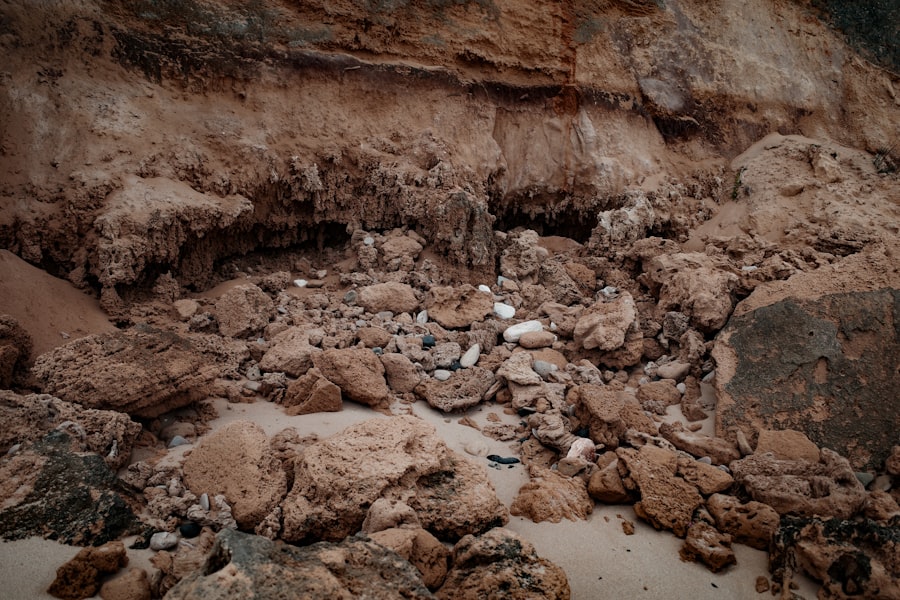
The Bronze Age Collapse ushered in a period of significant upheaval and societal transformation, often referred to as the “Dark Ages.” The grand empires and sophisticated city-states of the preceding era largely vanished, replaced by smaller, more localized political entities and a general decline in material culture.
The Rise of New Peoples and Political Structures
Following the collapse, new groups and cultures began to emerge and gain prominence. The Philistines, for example, settled in the southern Levant, and the Israelites established their kingdom. In Greece, the Mycenaean civilization was replaced by a more decentralized Iron Age society. These transitions were not always peaceful, but they represented the forging of a new political and cultural landscape.
The Shift Towards Iron Technology
One significant technological shift was the gradual transition from bronze to iron. While iron was known during the Bronze Age, its widespread adoption became more pronounced after the collapse. Iron ore was more readily available than tin, suggesting that this

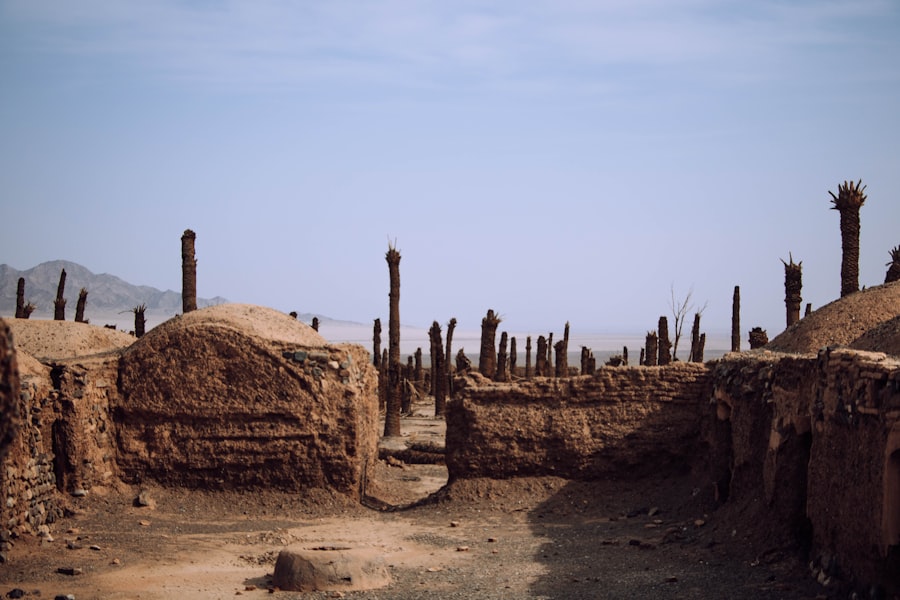
How an Entire Civilization Collapsed
FAQs
What was the Bronze Age Collapse?
The Bronze Age Collapse was a period of widespread societal collapse and turmoil that occurred around 1200 BCE, leading to the decline and eventual collapse of several major civilizations in the Eastern Mediterranean, including the Hittite Empire, Mycenaean Greece, and the New Kingdom of Egypt.
What were the causes of the Bronze Age Collapse?
The exact causes of the Bronze Age Collapse are still debated among historians and archaeologists. Some proposed factors include invasions by the Sea Peoples, climate change, internal rebellions, and the breakdown of trade networks.
What were the lessons learned from the Bronze Age Collapse?
The Bronze Age Collapse serves as a cautionary tale about the fragility of complex societies and the interconnectedness of civilizations. It highlights the importance of maintaining stable political systems, sustainable resource management, and resilient trade networks.
How did the Bronze Age Collapse impact future civilizations?
The Bronze Age Collapse led to a period of cultural and technological regression in the Eastern Mediterranean, with many regions experiencing a decline in population and urbanization. However, it also paved the way for the rise of new civilizations and the eventual emergence of the Iron Age.
What can we learn from the Bronze Age Collapse in modern times?
The Bronze Age Collapse reminds us of the potential consequences of environmental degradation, political instability, and economic disruption. It underscores the importance of proactive measures to address these challenges and build resilient societies.