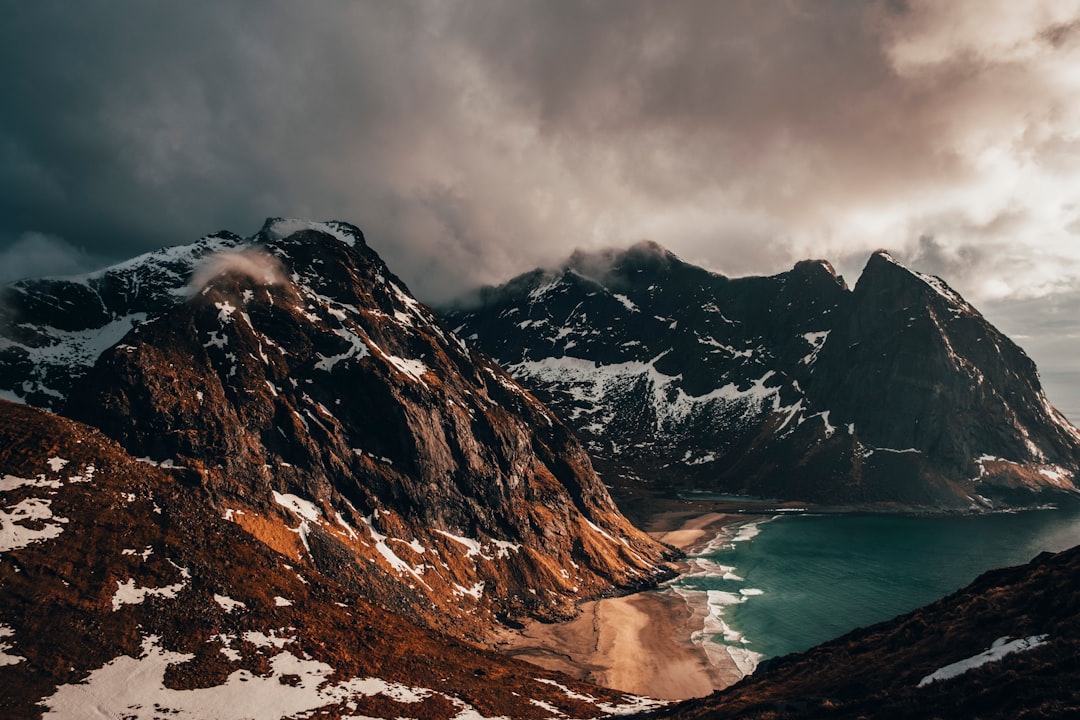
The frigid winds whisper tales across the vast, ice-bound expanses of the Canadian Arctic, a stark and beautiful wilderness that has long guarded its secrets. Among these enduring enigmas, the story of the Canadian Arctic Lost Expedition stands as a somber testament to human ambition and the unforgiving power of nature. This ill-fated venture, launched with the grand objective of charting and claiming vast, unexplored territories for Canada, dissolved into a chilling mystery that has captivated and perplexed for over a century. Its narrative is not one of triumphant discovery, but of a descent into the unknown, leaving behind only fragmented clues and a haunting silence.
Canada, in the early 20th century, was a nation eager to assert its sovereignty and expand its presence in the vast, largely uncharted Arctic regions. The Dominion of Canada held a theoretical claim to these lands, but their true extent, resources, and inhabitants were largely unknown. This lack of tangible presence and detailed knowledge created a void, a potential vulnerability in the face of burgeoning international interest in polar exploration. It was within this geopolitical and exploratory context that the idea of a comprehensive expedition to the Canadian Arctic took root, fueled by national pride and the promise of resource discovery.
The Genesis of an Expedition
The impetus for the Canadian Arctic Expedition (CAE) can be traced back to a confluence of factors. Scientific curiosity about the Arctic’s unique ecosystems and geological formations was a significant driver. Simultaneously, the Canadian government, under Prime Minister Sir Wilfrid Laurier, recognized the strategic importance of solidifying its Arctic claims. Establishing a visible and permanent presence was seen as crucial to asserting dominion over the vast archipelago. The idea of a long-term, government-sponsored expedition emerged as the most effective means to achieve these intertwined scientific and political objectives.
Visionary Leadership and Ambitious Goals
At the helm of this monumental undertaking was Vilhjalmur Stefansson, a charismatic and driven Icelandic-Canadian ethnologist and explorer. Stefansson was no stranger to Arctic exploration, having already undertaken several expeditions that had garnered both acclaim and controversy. His vision for the CAE was grander than any before it. He envisioned a multi-year endeavor that would not only survey and map the coastlines and islands of the Canadian Arctic but also conduct extensive ethnographic studies of the Inuit peoples, investigate the region’s flora and fauna, and explore for potential mineral and oil resources. His ultimate goal was to establish Canada’s undisputed authority over a significant portion of the Arctic.
The Scientific and Political Imperative
The scientific community eagerly anticipated the knowledge the expedition would bring back. Understanding the Arctic’s climate, its potential for scientific research, and its biological diversity were pressing concerns. From a political standpoint, the expedition was a bold statement of Canadian intent. By physically sending a large, well-equipped expedition into the region, Canada was demonstrating its commitment to its northern territories, hoping to preempt any claims by other nations. The expedition was, therefore, a potent symbol of Canada’s growing confidence and its ambition to become a significant player on the global stage.
The mysterious fate of the Canadian Arctic lost expedition has captivated historians and adventurers alike, shedding light on the challenges faced by explorers in the harsh polar environment. For those interested in the intersection of exploration and technology, a related article discusses the role of autonomous systems in modern defense strategies, which can draw parallels to the innovative approaches needed in past expeditions. You can read more about this intriguing topic in the article found here: AIS Role in Autonomous Space Defense.
The Expedition Assembles: A Symphony of Hope and Hardship
The planning and assembly of the Canadian Arctic Expedition were immense undertakings. Gathering the necessary resources, recruiting a skilled and hardy crew, and procuring the specialized vessels required for Arctic navigation demanded meticulous organization and considerable financial investment. The hope was that this meticulously prepared venture would overcome the inherent challenges of polar exploration.
The Vessels of Exploration: Karluk and Alaska
Two ships were commissioned for the expedition: the Karluk, a three-masted schooner barquentine purchased from Norway and refitted for Arctic ice conditions, and the Alaska, a steel steam-powered vessel. The Karluk was intended to be the primary vessel for exploration, capable of navigating through pack ice, while the Alaska would serve as a supply ship. The choice of the Karluk proved to be a critical, and ultimately tragic, decision. While seemingly robust, she was not designed to withstand the immense pressures of Arctic ice.
A Diverse Crew: Scientists, Sailors, and Indigenous Guides
Stefansson assembled a diverse crew, comprising scientists, sailors, and support staff. This included notable figures such as Dr. Rudolf Anderson Jr., an ornithologist and zoologist, and Diamond Jenness, an ethnologist who would later become a prominent figure in Canadian anthropology. Crucially, the expedition also relied heavily on the expertise of Inuit guides, whose knowledge of the land, ice, and survival techniques was indispensable. Their intimate understanding of the Arctic environment was a vital component of the expedition’s potential success, though their role and contributions were often underappreciated in the historical accounts.
The Initial Departures and Separation
The expedition set sail in June 1913 from Esquimalt, British Columbia. The initial plan was for the two ships to rendezvous in the Arctic and then proceed with their respective missions. The Karluk was to travel west along the Alaskan coast and then into the Beaufort Sea, while the Alaska would follow with supplies. However, the vastness of the Arctic and the unpredictable nature of the ice led to early challenges. The Karluk was tasked with exploring the ice-choked waters north of the Canadian mainland, a perilous undertaking from the outset.
The Unforeseen Tragedy: The Karluk‘s Fate
The tale of the Canadian Arctic Lost Expedition takes a dark turn with the fate of the Karluk. What began as a mission of exploration soon became a desperate struggle for survival against the relentless power of the Arctic. The ship’s entanglement with the ice marked the beginning of a descent into a grim and unforgettable chapter.
Caught in the Ice: The Karluk‘s Downfall
As the Karluk ventured into the Beaufort Sea, it encountered increasingly heavy pack ice. Despite Stefansson’s reputation for navigating these conditions, the Karluk was no match for the crushing grip of the Arctic ice floes. On August 13, 1913, the ship became firmly beset in the ice. Hopes of breaking free dwindled as the ice compressed, threatening to splinter the vessel. The situation was dire, with the ship slowly being pushed westward by the currents, far from its intended exploration grounds.
The Abandonment and the Long Walk
With the ship’s condition deteriorating and the prospect of being crushed becoming a stark reality, a decision was made to abandon the Karluk. On January 10, 1914, after months of being trapped, the Karluk finally succumbed to the ice and sank. The majority of the crew, numbering 25 men, found themselves stranded on the ice, a vast and unforgiving expanse, with limited supplies and no immediate hope of rescue. Stefansson, along with a small contingent, had separated from the main party prior to the sinking, seeking to hunt and explore on land, a decision that would later fuel much of the expedition’s mystique and controversy.
The Long Trek South: A Test of Endurance
The stranded crew of the Karluk, led by Captain Robert Bartlett, embarked on a grueling trek across the ice, attempting to reach land and find help. This arduous journey tested the limits of human endurance, facing starvation, frostbite, and the constant threat of the unpredictable Arctic environment. The men relied on their dwindling supplies, their ingenuity, and the hope of reaching settlements or other expeditions.
The Disappearances: Vanishing into the White Abyss
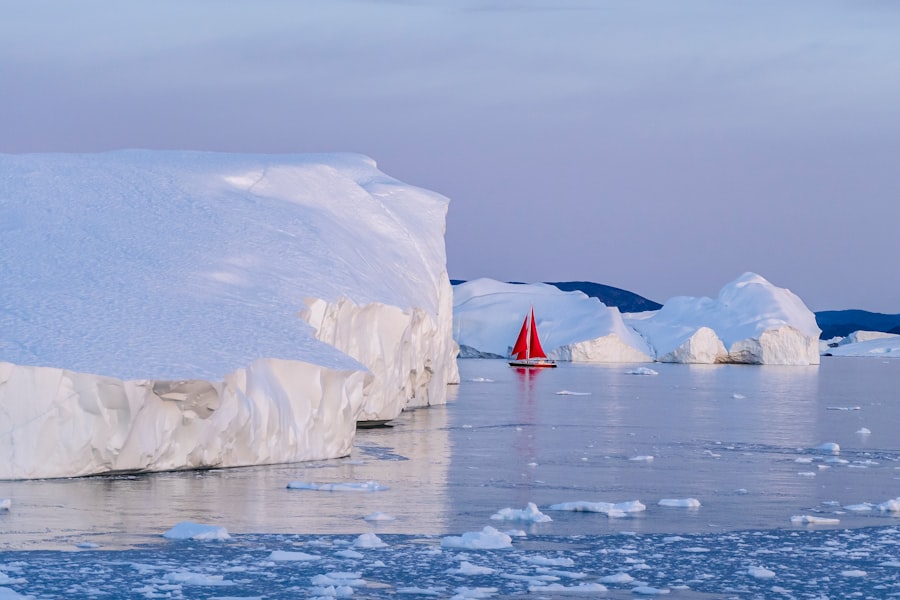
The narrative of the CAE is further compounded by the inexplicable disappearances of several members of Stefansson’s overland party. While the Karluk‘s fate was a tragedy understood by its survivors, the vanishing of others left behind a deeper, more unsettling void, fueling speculation and unanswered questions.
Stefansson’s Separation and the Land Party
Prior to the Karluk‘s sinking, Stefansson, along with a small group of men, had left the ship to conduct overland exploration and hunting. This separation, while a strategic decision from Stefansson’s perspective, meant that he was not present when the Karluk was lost. He believed that the overland journey offered a greater opportunity for scientific discovery and resource assessment.
The Unanswered Questions of the Vanished
Among Stefansson’s overland party were several men who, at various points, became separated from the main group and were never seen or heard from again. These disappearances were not isolated incidents but occurred over a period of time and under circumstances that remain unclear. The most prominent among these were the Icelandic explorers Jens Erikson and Henriksen, who, along with three Inuit companions, left Stefansson’s camp in April 1914, never to return. Their departure was reportedly to hunt caribou, but their trail went cold.
Theories and Speculation: A Tapestry of Possibilities
The lack of any definitive evidence regarding the fate of these missing men has given rise to a multitude of theories and speculations. Some suggest they succumbed to starvation or harsh weather conditions, a common peril in the Arctic. Others entertain more dramatic possibilities, including encounters with hostile wildlife or even interpersonal conflict within the isolated group. The remoteness of their last known locations and the vastness of the Arctic made any extensive search efforts exceedingly difficult, if not impossible. The silence that followed their departure became a profound and enduring mystery.
The story of the Canadian Arctic lost expedition is a captivating tale of exploration and survival in one of the harshest environments on Earth. This historical event has drawn parallels to other ambitious projects, such as Mexico’s strategic development industrial zone plan, which aims to enhance economic growth and infrastructure. For those interested in understanding how different regions tackle challenges in extreme conditions, this article offers valuable insights into modern strategies that echo the resilience shown by early explorers. You can read more about it in this related article.
The Legacy of the Lost: Unraveling the Enigma
| Expedition | Year | Ships | Outcome |
|---|---|---|---|
| Franklin’s Lost Expedition | 1845 | HMS Erebus, HMS Terror | Disappearance, all crew lost |
| Canadian Arctic Expedition | 1913-1918 | Various | Scientific research, no loss of life |
The Canadian Arctic Lost Expedition, despite its tragic outcomes, left an indelible mark on Canadian history and Arctic exploration. While it did not achieve all of its ambitious goals, it contributed valuable scientific knowledge and highlighted the immense challenges of operating in the far North. The enduring mystery of its lost members continues to fuel interest and debate.
Survivors’ Accounts and Conflicting Narratives
The accounts of the Karluk‘s survivors, particularly Captain Bartlett, painted a vivid and harrowing picture of their ordeal. Their testimonies provided crucial details about the ship’s demise and their survival efforts. However, Stefansson’s own accounts and his leadership during the expedition were often met with scrutiny and controversy. His decision to separate from the Karluk and the subsequent disappearances of members of his overland party led to accusations of negligence and poor judgment. The differing perspectives and sometimes conflicting narratives from the expedition members added layers of complexity to understanding what truly transpired.
Contributions to Science and Geography
Despite the immense human cost, the expedition did yield valuable scientific and geographical information. The work of scientists like Diamond Jenness and Rudolf Anderson Jr. provided important insights into Inuit culture, Arctic flora and fauna, and the region’s geography. Mapping efforts, though incomplete due to the expedition’s disruption, contributed to a better understanding of the Canadian Arctic archipelago. The expedition underscored the need for more robust and well-equipped ventures into the North.
The Enduring Mystery and Continued Fascination
The story of the Canadian Arctic Lost Expedition remains a powerful and enduring enigma. The loss of the Karluk and the vanishing of its crew members into the vastness of the Arctic continue to capture the public imagination. The mystery serves as a stark reminder of the unforgiving nature of the Arctic wilderness and the profound risks inherent in exploration. While technology has advanced significantly, the allure of the unknown and the unsolved puzzles of the North continue to inspire. The Canadian Arctic Lost Expedition, a testament to human ambition, ultimately became a somber legend, a cautionary tale whispered on the Arctic winds, its ultimate secrets forever held within the frozen silence.
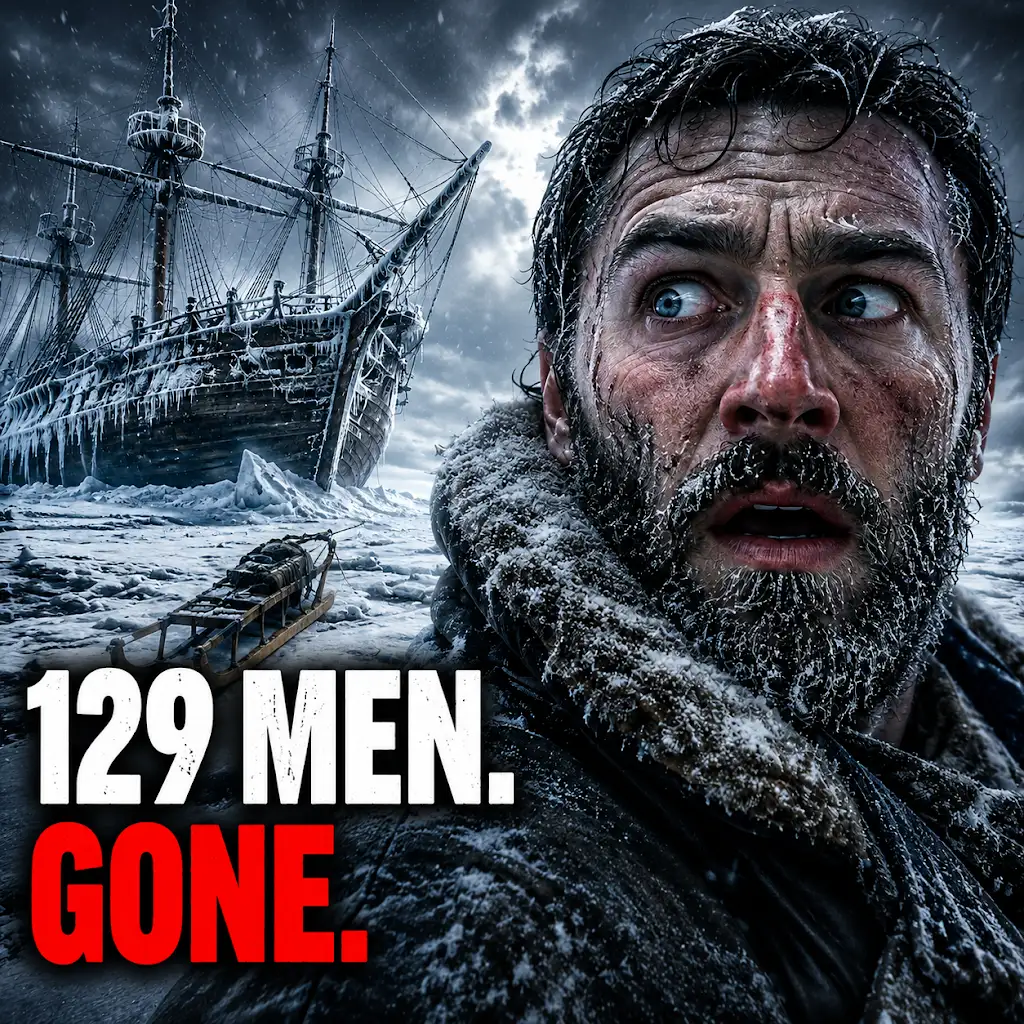
129 Men Vanished in the Arctic. Then We Found Their Ships.
FAQs
What was the Canadian Arctic lost expedition?
The Canadian Arctic lost expedition refers to the ill-fated attempt by Sir John Franklin and his crew to navigate the Northwest Passage in the 1840s. The expedition’s two ships, the HMS Erebus and HMS Terror, disappeared without a trace, leading to one of the greatest maritime mysteries in history.
What happened to the crew of the lost expedition?
The fate of the crew of the lost expedition remains a mystery. It is believed that the ships became trapped in ice and the crew eventually abandoned them in a desperate attempt to reach safety. Many of the crew members perished due to exposure, starvation, and disease.
What were the efforts to locate the lost expedition?
Numerous search expeditions were launched in the years following the disappearance of the Franklin expedition. It wasn’t until 2014 and 2016 that the wrecks of the HMS Erebus and HMS Terror were finally discovered, shedding new light on the fate of the crew.
What did the discovery of the wrecks reveal?
The discovery of the wrecks provided valuable insight into the final days of the expedition. Archaeological findings and artifacts have helped researchers piece together the events leading to the demise of the crew, as well as the conditions they faced in the harsh Arctic environment.
What is the significance of the Canadian Arctic lost expedition?
The Canadian Arctic lost expedition is significant for its historical and cultural importance. The story of the ill-fated voyage has captured the imagination of people for over a century and continues to be a subject of fascination and study. The discovery of the wrecks has also contributed to our understanding of Arctic exploration and the challenges faced by early explorers.