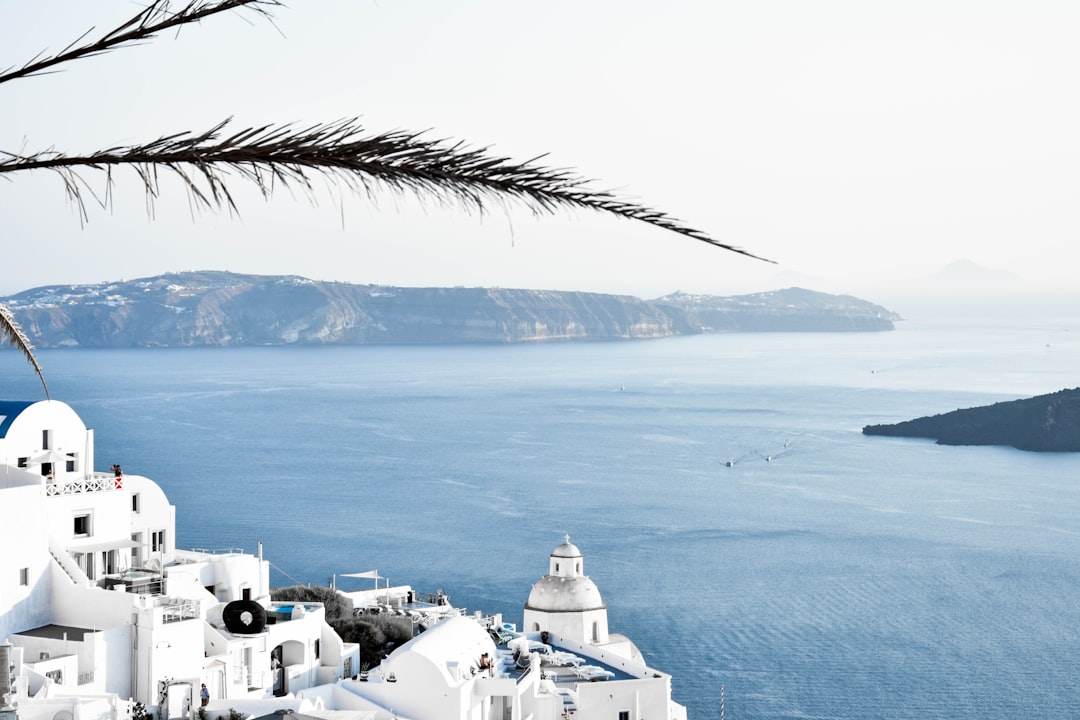
The Mediterranean Sea, a cradle of civilizations and a pivotal nexus of trade and culture for millennia, is undergoing a profound transformation. Its azure waters, once a symbol of stability and enduring beauty, now reflect a complex interplay of environmental pressures, geopolitical shifts, and evolving human activities. This ancient sea, linking Europe, Asia, and Africa, is confronting challenges that are reshaping its very essence, from the depth of its waters to the shores that embrace it.
The Mediterranean ecosystem, renowned for its biodiversity, is facing an unprecedented assault. Centuries of human interaction, coupled with the accelerating impacts of climate change, are pushing its delicate balance towards a tipping point. Understanding these intricate shifts is crucial for comprehending the broader implications for both the natural world and the human communities that depend on this vital marine environment.
Warming Waters and Their Far-Reaching Consequences
The Mediterranean is warming at a rate significantly faster than the global average. This phenomenon, directly attributable to anthropogenic climate change, has a cascading effect across the entire marine food web.
Impacts on Marine Life Distribution
As waters warm, many native species are struggling to adapt. This can lead to a decline in populations of heat-intolerant organisms. Simultaneously, warmer temperatures are facilitating the ingress of species from warmer climates, a process known as tropicalization.
Invasive Species: A Growing Threat
One of the most visible consequences of warming is the proliferation of invasive species. These non-native organisms, often entering the Mediterranean through the Suez Canal or by shipping, outcompete native species for resources, disrupt food webs, and can even introduce diseases. The lionfish, for instance, a venomous predator native to the Indo-Pacific, has established a significant presence in the eastern Mediterranean, posing threats to both ecosystems and local fisheries. Similarly, various algae and jellyfish species are becoming more prevalent, altering the visual landscape and impacting tourism and fishing industries.
Habitat Alteration and Degradation
Warmer waters also contribute to habitat degradation. Coral reefs, though less extensive than in tropical regions, and seagrass meadows, crucial nurseries for many fish species, are particularly vulnerable. Increased sea surface temperatures can cause coral bleaching events, weakening these vital structures. Likewise, changes in water salinity and increased storm intensity, also linked to climate change, can degrade seagrass meadows, diminishing their protective and reproductive functions.
Ocean Acidification: The Silent Threat
Beyond warming, the Mediterranean is also experiencing ocean acidification, a direct consequence of the ocean absorbing excess atmospheric carbon dioxide. This process lowers the pH of seawater, making it more acidic.
Challenges for Calcifying Organisms
Ocean acidification poses a significant threat to organisms that build shells or skeletons from calcium carbonate, such as mollusks, crustaceans, and certain types of plankton. As the water becomes more acidic, it becomes harder for these organisms to form and maintain their calcium-based structures. This can lead to weakened shells, reduced growth rates, and increased mortality, impacting everything from shellfish populations to the base of the marine food web.
Impact on Shellfish Fisheries
The shellfish industry, a significant economic sector in many Mediterranean countries, is directly threatened by ocean acidification. Oysters, mussels, and clams may find it increasingly difficult to survive and reproduce, potentially leading to significant economic losses and impacting food security for coastal communities.
Disrupting Planktonic Communities
Plankton, while often unseen, forms the foundation of marine ecosystems. Acidification can disrupt the delicate balance of planktonic communities, affecting the availability of food for larger organisms and ultimately impacting the entire food chain.
The evolution of the Mediterranean Sea has been a subject of great interest among researchers, particularly in understanding its geological and ecological transformations over millions of years. For those interested in exploring the broader implications of evolution in different contexts, a related article on the evolution of labor can be found at The Evolution of the American Factory Worker. This article delves into how industrial changes have shaped the workforce, drawing parallels to the dynamic changes observed in natural environments like the Mediterranean Sea.
Shifting Human Footprints: Resource Exploitation and Pollution
Human activities have always shaped the Mediterranean, but the scale and intensity of these impacts have grown dramatically. From intensive fishing practices to increasing pollution, the sea is bearing the brunt of a burgeoning population and expanding industrialization.
Overfishing: Depleting Marine Resources
Coastal populations and historical reliance on the sea have long made fishing a cornerstone of the Mediterranean economy and culture. However, in recent decades, unsustainable fishing practices have led to the severe depletion of many fish stocks.
Destructive Fishing Methods
The use of bottom trawling, which scrapes the seabed, and the widespread use of fine-mesh nets, which capture juvenile fish before they can reproduce, have had devastating effects on marine habitats and fish populations. These methods are not selective, indiscriminately removing a wide range of species and damaging the seafloor.
Declining Fish Stocks and Economic Consequences
Many iconic Mediterranean fish species, such as bluefin tuna and hake, have seen their populations plummet. This has led to reduced catches, increased competition among fishing fleets, and significant economic hardship for fishing communities. The long-term viability of traditional fishing livelihoods is increasingly in question.
The Rise of Illegal, Unreported, and Unregulated (IUU) Fishing
The challenge of overfishing is exacerbated by the prevalence of IUU fishing, which undermines regulatory efforts and further depletes already stressed fish stocks. This clandestine activity makes effective marine management incredibly difficult.
Pollution: A Multifaceted Threat
The Mediterranean is a semi-enclosed sea, meaning that pollution entering its waters tends to stay there, accumulating over time. This pollution comes in many forms, each with its own detrimental impact.
Plastic Pollution: A Visible Scourge
The Mediterranean is one of the most plastic-polluted seas in the world. Millions of tons of plastic enter its waters annually, posing a significant threat to marine life through entanglement and ingestion.
Impacts on Marine Wildlife
Seabirds, turtles, and cetaceans are particularly vulnerable to plastic pollution. They can mistake plastic bags for jellyfish, leading to ingestion and blockage of their digestive tracts. Entanglement in discarded fishing gear and plastic debris can cause drowning or starvation.
Microplastics: The Invisible Danger
Beyond visible plastic debris, microplastics, tiny plastic particles resulting from the breakdown of larger items, are also a pervasive problem. These particles are ingested by smaller organisms, entering the food web and potentially accumulating in seafood consumed by humans.
Chemical and Nutrient Pollution: The Hidden Toll
Industrial discharge, agricultural runoff, and untreated sewage introduce a cocktail of chemicals and excess nutrients into the Mediterranean.
Eutrophication and “Dead Zones”
Excess nutrients, particularly nitrogen and phosphorus, fuel the excessive growth of algae. When these algae die and decompose, they consume oxygen, creating hypoxic or “dead zones” where marine life cannot survive. This phenomenon is increasingly observed in coastal areas receiving significant nutrient input.
Accumulation of Hazardous Substances
Heavy metals, pesticides, and persistent organic pollutants (POPs) released from industrial activities and agricultural practices can accumulate in the marine environment and in the tissues of marine organisms, posing risks to both wildlife and human health through the consumption of contaminated seafood.
Geopolitical Crossroads: Tensions and Cooperation
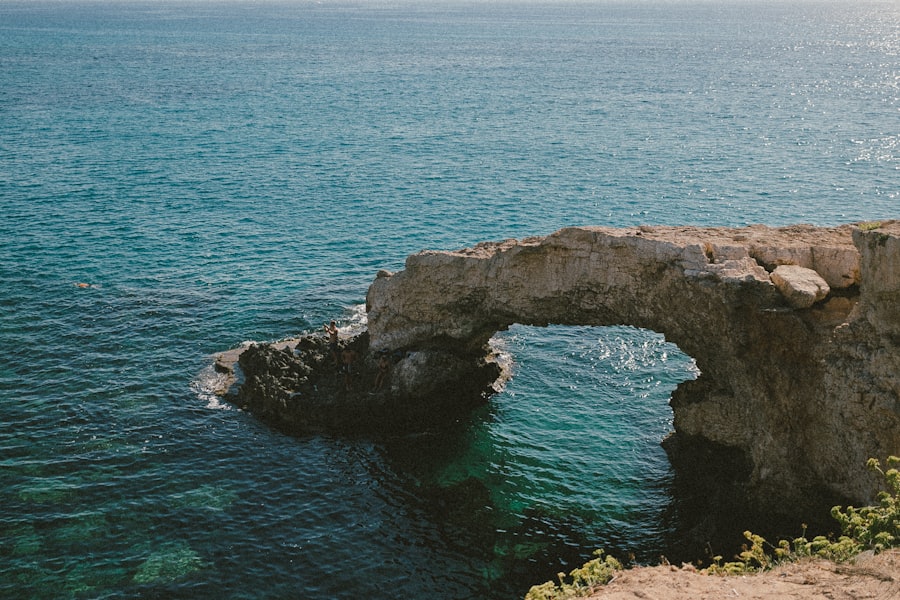
The Mediterranean has always been a region of complex geopolitical interactions, and these dynamics are now playing out across its waters. Issues of migration, resource competition, and international security intersect with the environmental challenges the sea faces.
The fascinating changes in the Mediterranean Sea’s ecosystem over millions of years have been shaped by various geological and climatic events. For those interested in understanding how regional conflicts, such as the ongoing struggles in Sudan, can impact environmental conditions, a related article provides valuable insights. You can explore this connection further in the article on the Sudan conflict, which highlights the broader implications of human activity on natural resources and ecosystems in the Mediterranean region.
Maritime Boundaries and Resource Competition
The Mediterranean coastline is shared by numerous nations, each with its own interests and claims over maritime resources. Disputes over territorial waters, Exclusive Economic Zones (EEZs), and the potential for offshore energy reserves can create friction.
Disputes Over Offshore Hydrocarbons
The discovery of significant natural gas reserves in the eastern Mediterranean has intensified geopolitical tensions. Countries are vying for control of these resources, leading to complex diplomatic negotiations and, at times, military posturing. This competition raises concerns about the potential environmental impacts of exploration and extraction activities, as well as the equitable distribution of benefits.
Fisheries Management and Transboundary Stocks
Many fish stocks are migratory, crossing national boundaries. Effective management of these transboundary stocks requires coordinated efforts and agreements between neighboring countries. Lack of cooperation can lead to overfishing as nations individually pursue their own economic interests without considering the broader ecological consequences.
Migration Routes and Humanitarian Concerns
The Mediterranean has become a major route for migrants and refugees seeking to reach Europe from Africa and the Middle East. This humanitarian crisis presents a dual challenge: the immediate need to save lives at sea and the long-term implications for coastal communities and marine environments.
The Impact of Increased Maritime Traffic
The surge in maritime traffic associated with Search and Rescue operations and increased transit can have localized environmental impacts, including noise pollution and the risk of accidental spills. Furthermore, the sheer volume of vessels can disrupt sensitive marine habitats.
Addressing Humanitarian Needs and Environmental Stewardship
Finding solutions that balance the urgent humanitarian needs of migrants with the imperative to protect the fragile Mediterranean ecosystem is a significant challenge. This requires international cooperation and a holistic approach that considers both human security and environmental sustainability.
Emerging Solutions and Sustainable Futures
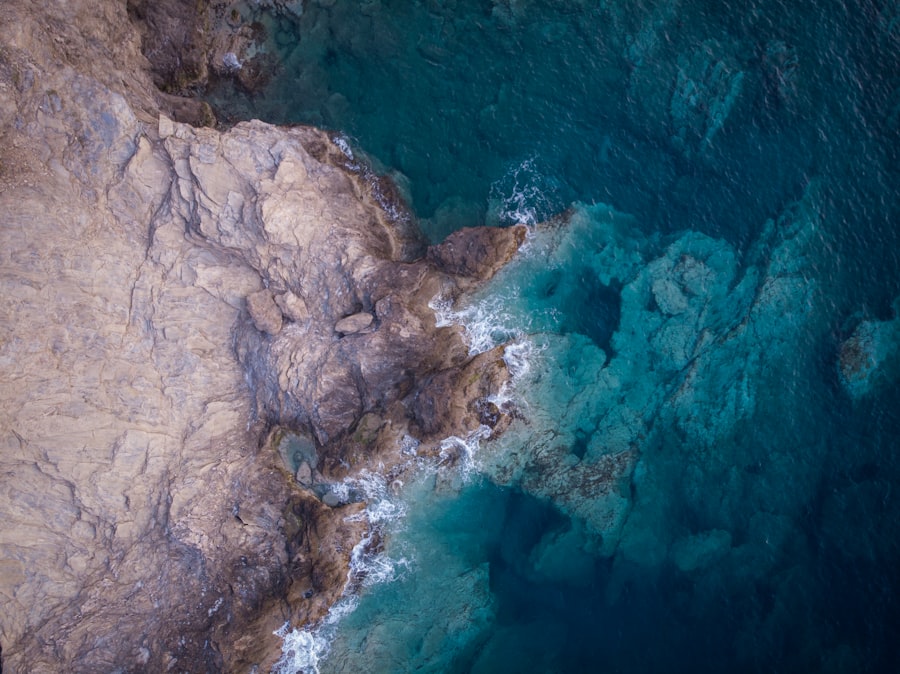
Despite the daunting challenges, there is a growing recognition of the need for action, and a wave of innovative solutions and collaborative efforts are emerging to safeguard the future of the Mediterranean.
Marine Protected Areas (MPAs) and Conservation Initiatives
The establishment and effective management of MPAs are crucial for protecting biodiversity and allowing marine ecosystems to recover. These areas offer refuge for fish populations, allowing them to reproduce and spill over into surrounding waters, benefiting fisheries.
Expanding the Network of MPAs
Efforts are underway to expand the network of MPAs across the Mediterranean, aiming to create more contiguous and effectively managed protected areas. This includes establishing no-take zones where all extractive activities are prohibited, allowing for more robust ecological recovery.
Challenges in MPA Enforcement and Governance
The success of MPAs depends on their effective enforcement and good governance. Challenges include securing adequate funding, preventing illegal fishing within protected areas, and ensuring the involvement of local communities in their management.
Sustainable Fisheries Management: A Shift Towards Equilibrium
Moving away from unsustainable practices requires a fundamental shift in how fisheries are managed. This involves implementing stricter quotas, protecting juvenile fish, and promoting selective fishing gear.
Science-Based Quotas and Ecosystem-Based Approaches
Shifting towards science-based quotas, informed by robust stock assessments, is essential. Furthermore, adopting ecosystem-based management approaches that consider the interconnectedness of species and habitats can lead to more resilient and sustainable fisheries in the long run.
Supporting Small-Scale and Artis

When the Mediterranean Became a Desert | The Messinian Salinity Crisis Explained
FAQs
What is the Mediterranean Sea?
The Mediterranean Sea is a large body of water surrounded by Europe, Asia, and Africa. It is connected to the Atlantic Ocean by the Strait of Gibraltar and is almost completely enclosed by land.
How was the Mediterranean Sea formed?
The Mediterranean Sea was formed around 5.9 million years ago when the landmasses of Europe, Africa, and Asia collided, creating a large basin that eventually filled with water from the Atlantic Ocean.
What are some key geological events that have shaped the Mediterranean Sea?
Some key geological events that have shaped the Mediterranean Sea include the Messinian Salinity Crisis, which occurred around 5.96 million years ago and resulted in the sea drying up almost completely, and the formation of the Strait of Gibraltar, which allowed the sea to be connected to the Atlantic Ocean.
What is the biodiversity like in the Mediterranean Sea?
The Mediterranean Sea is home to a rich and diverse array of marine life, including over 7,000 known species of plants and animals. It is also a hotspot for biodiversity, with many species found nowhere else in the world.
How has human activity impacted the Mediterranean Sea?
Human activity has had a significant impact on the Mediterranean Sea, including overfishing, pollution, and habitat destruction. These activities have led to declines in fish populations, loss of biodiversity, and degradation of marine ecosystems.