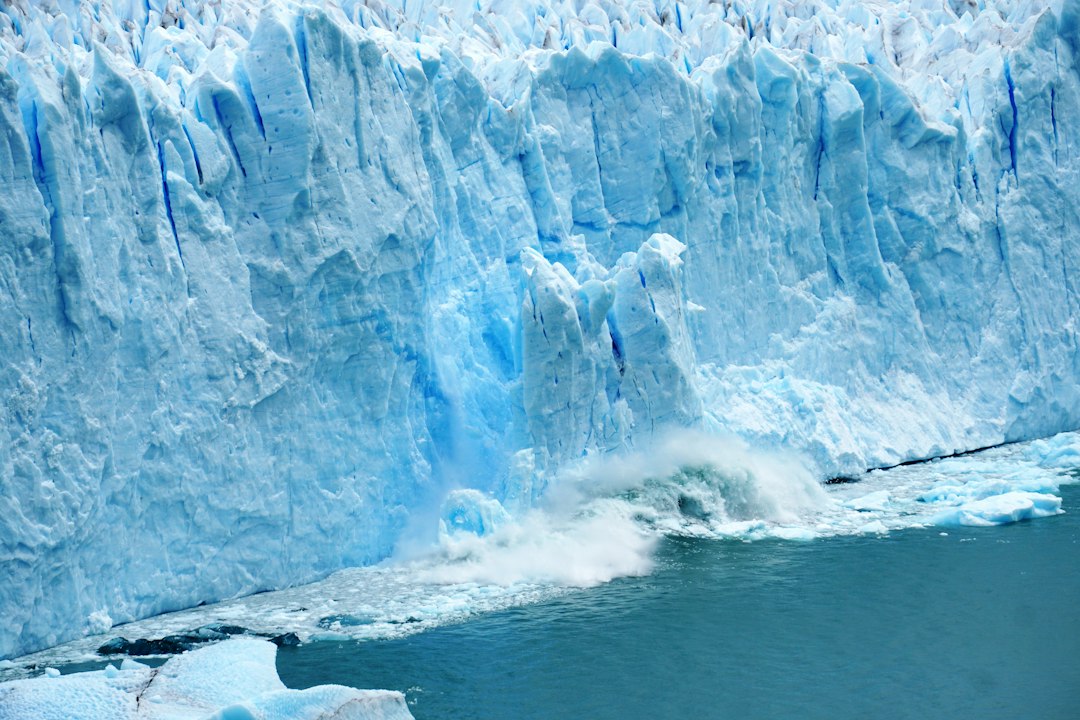
The Late Ice Age, a period of dramatic climatic shifts, culminated in what scientists refer to as the Last Glacial Maximum (LGM). This epoch, spanning roughly from 26,500 to 19,000 years ago, represents the zenith of glacial expansion and the most severe cold experienced during that protracted frigid era. It was a time when ice sheets, vast and imposing, sculpted landscapes, profoundly impacted ecosystems, and presented unparalleled challenges to the nascent human populations that navigated its unforgiving terrain. Understanding the LGM requires delving into the intricate interplay of astronomical factors, atmospheric composition, and the Earth’s internal feedbacks that conspired to create such a brutal environment.
The Orchestration of Global Freezing: Astronomical Drivers
The cyclical nature of Earth’s Ice Ages is intrinsically linked to subtle variations in its orbital parameters, a phenomenon known as the Milankovitch cycles. These cycles, named after the Serbian astronomer Milutin Milankovitch, describe long-term shifts in Earth’s orbit around the Sun, including eccentricity, axial tilt (obliquity), and precession. While these cycles operate over tens of thousands of years, their cumulative effect can trigger or abate glacial periods. During the lead-up to the LGM, Earth’s orbital configuration was particularly conducive to cooling.
Eccentricity’s Subtle Push
Earth’s orbit around the Sun is not a perfect circle but an ellipse. The degree of this ellipticity, or eccentricity, changes over cycles of approximately 100,000 and 400,000 years. A more eccentric orbit means that the difference in solar radiation received by Earth at its closest (perihelion) and farthest (aphelion) points from the Sun is more pronounced. While the overall average solar insolation might not change drastically, the seasonal distribution of this energy can be significantly altered. During the period leading to the LGM, Earth’s eccentricity was in a phase that favored cooler summers in the Northern Hemisphere, a crucial factor in allowing snow and ice to accumulate year-round.
Obliquity’s Diminishing Influence
Earth’s axial tilt, currently around 23.5 degrees, dictates the intensity of seasons. A greater tilt leads to more extreme seasonal differences, while a lesser tilt results in milder seasons. The obliquity cycle operates over approximately 41,000 years. Around the time of the LGM, Earth’s axial tilt was approaching a minimum. This meant that the tilt-induced difference between summer and winter insolation was less pronounced. Crucially, it led to cooler summers in the high latitudes, particularly the Arctic. Cooler summers are paramount for glacial expansion because they limit the melting of winter snowpack. Instead of significant ablation, the accumulated snow persisted, compacting into ice over millennia and forming the vast ice sheets.
Precession’s Seasonal Timing
Axial precession refers to the slow wobble of Earth’s axis, much like a spinning top winding down. This wobble alters the timing of the solstices and equinoxes relative to Earth’s position in its elliptical orbit. The precession cycle has a period of about 26,000 years. When combined with eccentricity, precession can amplify or dampen the seasonal variations in solar insolation. During the LGM, the combination of precession and eccentricity meant that Northern Hemisphere summers occurred when Earth was farther from the Sun, further reducing the amount of solar energy reaching these critical regions. This delicate dance of orbital mechanics, over vast stretches of time, laid the groundwork for the immense glacial growth that characterized the coldest period of the Late Ice Age.
The coldest period of the late ice age, known as the Last Glacial Maximum, saw vast ice sheets covering significant portions of the Northern Hemisphere, leading to dramatic changes in climate and ecosystems. This era, which peaked around 20,000 years ago, has been the subject of extensive research, shedding light on how ancient climates functioned and how they compare to today’s warming trends. For a deeper understanding of current climate challenges, including the implications of melting ice caps, you can read more in this related article: Antarctica’s Melting Ice Caps Threatening Sea Level Rise.
The Blanket of Cold: Atmospheric and Oceanic Factors
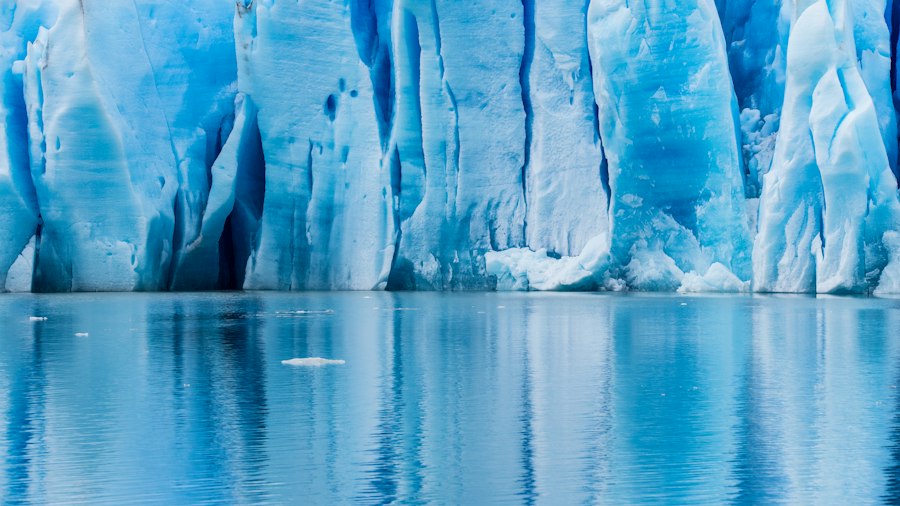
While orbital variations initiated the cooling trend, a complex web of atmospheric and oceanic feedbacks amplified and sustained the frigid conditions of the LGM. These feedbacks acted as powerful accelerators, transforming a gradual cooling into a dramatic and prolonged glacial maximum.
Greenhouse Gases: The Missing Warmth
One of the most significant factors contributing to the extreme cold of the LGM was the dramatic reduction in atmospheric concentrations of greenhouse gases, particularly carbon dioxide (CO2) and methane (CH4). Ice core records provide compelling evidence of this. During the LGM, CO2 levels were roughly 40% lower than pre-industrial levels, hovering around 180-200 parts per million (ppm), compared to the current 420+ ppm. Methane concentrations also plummeted.
The Ocean’s Carbon Sink
The oceans played a critical role in sequestering atmospheric CO2. During glacial periods, several processes contribute to this. Colder ocean water can absorb more CO2. Furthermore, changes in ocean circulation patterns, driven by ice sheet growth and altered salinity, led to a more efficient transport of carbon to the deep ocean, where it remained locked away for extended periods. The increased dust deposition during the LGM, a consequence of widespread aridification and exposed continental shelves, also played a role. Dust contains iron, a nutrient that stimulates phytoplankton growth. While this might seem counterintuitive, increased phytoplankton blooms, particularly in iron-limited regions, consume CO2 from the atmosphere through photosynthesis, with a portion of this carbon eventually sinking to the ocean floor when the organisms die.
Reduced Biological Productivity
Beyond the direct impact of reduced CO2, the cold and arid conditions also likely led to a decrease in global terrestrial biomass and soil respiration, further reducing the release of CO2 and CH4 into the atmosphere. The overall effect was a significantly weaker greenhouse effect, allowing more of the Sun’s heat to radiate back into space and plunging the planet into a deep freeze.
Ice Albedo: A Self-Perpetuating Cycle
The expansion of ice sheets created a powerful positive feedback loop known as the ice-albedo feedback. Ice and snow are highly reflective surfaces, possessing a high albedo – they reflect a large proportion of incoming solar radiation back into space. As glaciers grew, they covered vast areas of land and ocean, replacing darker, more absorbent surfaces like forests, tundra, and open water. This increased reflectivity meant that less solar energy was absorbed by the Earth’s surface, leading to further cooling. This cooling, in turn, promoted even more ice accumulation, further increasing albedo and perpetuating the cycle of freezing.
Ocean Circulation: A Global Thermostat Disrupted
Global ocean circulation patterns, particularly the Atlantic Meridional Overturning Circulation (AMOC), play a crucial role in distributing heat around the planet. The AMOC acts like a giant conveyor belt, transporting warm surface waters from the tropics northward and returning colder, deeper waters southward. During the LGM, the immense freshwater input from melting glaciers in North America and Scandinavia likely disrupted the salinity-driven engine of the AMOC. This disruption would have reduced the northward transport of warm water, leading to further cooling in the North Atlantic region and influencing climate patterns globally. Changes in deep ocean temperatures and the extent of sea ice also altered the capacity of the oceans to absorb and transport heat.
The Sculpted Earth: Landscapes Transformed by Ice
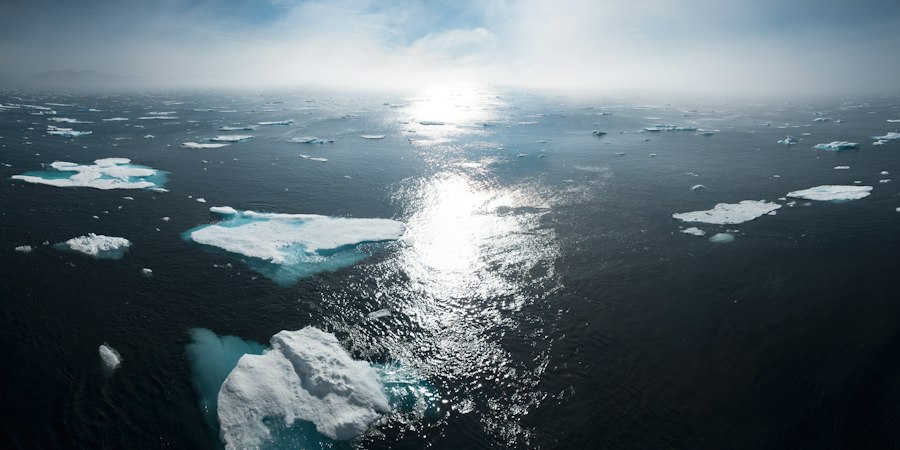
The immense weight and slow, inexorable movement of glaciers during the LGM were geological forces of unparalleled magnitude, reshaping continental landscapes over thousands of years. These immense ice sheets acted as colossal bulldozers and sculptors, carving out valleys, creating mountains, and depositing vast quantities of sediment.
Continental Ice Sheets: Giants of Ice
During the LGM, the most prominent features were the massive continental ice sheets. The Laurentide Ice Sheet covered most of northern North America, extending from the Arctic coast to as far south as the Missouri River. The Fennoscandian Ice Sheet dominated northwestern Europe, encompassing Scandinavia, parts of Great Britain, and extending into northern Germany and Poland. Smaller but still significant ice masses, such as the Cordilleran Ice Sheet in western North America and the East Antarctic Ice Sheet, also played critical roles. These ice sheets, in places, reached thicknesses of over 3 kilometers (nearly 2 miles), their immense weight depressing the Earth’s crust beneath them.
Glacial Erosion: Carving the Land
The relentless grinding and scraping of ice over bedrock is a powerful erosional process. As glaciers moved, embedded rocks and sediment acted like sandpaper, scouring the underlying surface. This process carved out characteristic glacial landforms.
U-Shaped Valleys and Fjords
In mountainous regions, glaciers widened and deepened existing river valleys, transforming their characteristic V-shape into the broad, U-shaped troughs we see today. Where these valleys extended to the coast, the subsequent rise in sea level after the ice age flooded them, creating the dramatic fjords of Norway, Chile, and New Zealand.
Cirques and Tarns
At the heads of glaciated valleys, ice often accumulated in armchair-shaped depressions called cirques. These features, often marked by steep cliffs, are the starting points for many glaciers. Small lakes, called tarns, frequently form within abandoned cirques after the glacier has retreated.
Roche Moutonnées and Striations
As glaciers flowed over bedrock, they molded it into distinctive streamlined hills called roche moutonnées. The ice would abrade the upstream side, smoothing it, while the downstream side would be plucked and fractured as the ice moved over it, leaving a steeper, rougher slope. Glacial ice also leaves behind linear scratches or grooves on the bedrock, known as striations, which indicate the direction of ice flow.
Glacial Deposition: The Legacy of Meltwater and Ice
When glaciers melt, they release the vast amounts of rock and sediment they have carried. This debris, known as glacial drift, is deposited in various ways, creating a distinct suite of landforms.
Moraines: Ridges of Rubble
Moraines are elongated ridges formed by the accumulation of glacial debris at the margins of ice sheets. Terminal moraines mark the farthest extent of a glacier, while lateral moraines form along its sides, and medial moraines are created where two glaciers merge. These ridges can be hundreds of kilometers long and tens of meters high.
Drumlins and Eskers
Drumlins are elongated, teardrop-shaped hills formed by ice flowing over deposited till, with their blunt end facing upstream. Eskers, on the other hand, are sinuous ridges of sand and gravel deposited by meltwater streams flowing within or beneath the ice.
Outwash Plains: Vast Sedimentary Blankets
As glaciers melted, meltwater streams carried vast quantities of sand, gravel, and silt away from the ice margins. These braided streams deposited their load across broad, flat areas called outwash plains, which surround many glaciated regions.
Life in the Frozen World: Ecosystems Under Stress
The extreme cold, reduced precipitation, and altered landscapes of the LGM imposed immense selective pressures on plant and animal life. Ecosystems were radically different from those of today, with many familiar species absent and new adaptations required for survival.
Vegetation Zones: A Shrunken and Stressed Biosphere
The vast ice sheets effectively rendered much of the Northern Hemisphere uninhabitable for most terrestrial life. South of the ice margins, vegetation zones shifted dramatically.
Treelines Retreat and Tundra Dominates
Forests, particularly temperate and boreal forests, retreated to their southernmost extents, often confined to sheltered valleys or coastal refugia. Extensive areas were dominated by cold-adapted grasslands, steppes, and, in the coldest regions, vast expanses of tundra. Tundra ecosystems are characterized by low-growing, hardy vegetation, including grasses, sedges, mosses, lichens, and dwarf shrubs, adapted to permafrost and short growing seasons.
Aridification and Desert Expansion
Paradoxically, while some areas were glaciated, many regions experienced significant aridification. As moisture was locked up in ice sheets, global precipitation decreased. This led to the expansion of deserts and semi-arid steppes in many parts of the world, including North America, Europe, and Asia.
Megafauna: Giants of the Pleistocene
The LGM was the era of the Pleistocene megafauna, a collection of large mammals that thrived in the cold environments. These animals possessed adaptations for surviving extreme cold and exploiting the available food resources.
Woolly Mammoths and Rhinoceroses
Iconic species like the woolly mammoth and woolly rhinoceros were well-suited to the steppe-tundra environments. Their thick fur, subcutaneous fat, and specialized digestive systems allowed them to process the tough, fibrous vegetation. Their large size also helped them conserve heat.
Other Cold-Adapted Giants
Other notable inhabitants of this frigid world included cave bears, sabre-toothed cats (like Smilodon), dire wolves, and giant ground sloths in the Americas. These animals formed complex food webs, with large herbivores supporting formidable predators. The availability of vast grazing lands, albeit often sparse and tough, supported these large populations.
Marine Life: Adapting to Chilling Oceans
The oceans also underwent significant changes. Sea levels were dramatically lower because so much water was locked up in ice sheets. This exposed continental shelves, creating vast land bridges that facilitated the migration of terrestrial animals, including humans.
Sea Ice Expansion and Cold-Water Dominance
The extent of sea ice expanded significantly, particularly in the Northern Hemisphere. This limited open-water habitats and shifted marine ecosystems towards cold-water species. Phytoplankton productivity, while influenced by dust deposition, would have fluctuated and been concentrated in more productive areas. Marine mammals adapted to colder waters, such as seals and walruses, would have thrived.
The coldest period of the late ice age, known as the Last Glacial Maximum, was characterized by extensive ice sheets covering large portions of North America and Eurasia, leading to dramatic changes in climate and ecosystems. This period saw temperatures drop significantly, affecting both flora and fauna, and forcing human populations to adapt to harsh conditions. For a deeper understanding of how extreme environmental changes can impact economies and societies, you might find it interesting to read about the current financial implications of climate shifts in this article on stocks and economic resilience. You can explore it further here.
Human Survival and Adaptation: Navigating the Ice Age Frontier
| Metric | Value | Description |
|---|---|---|
| Time Period | Approximately 26,500 to 19,000 years ago | Known as the Last Glacial Maximum (LGM), the coldest phase of the Late Ice Age |
| Global Average Temperature | About 4-7°C (7-13°F) colder than today | Estimated global temperature drop compared to pre-industrial levels |
| Ice Sheet Coverage | Up to 30% of Earth’s surface | Large ice sheets covered North America, Northern Europe, and Asia |
| Sea Level | Approximately 120 meters (394 feet) lower than present | Due to large volumes of water trapped in ice sheets |
| Atmospheric CO2 Levels | ~180-190 ppm | Lower than pre-industrial levels (~280 ppm), contributing to colder climate |
| Vegetation | Dominated by tundra and steppe ecosystems | Reduced forests, expanded cold-adapted plant communities |
| Human Adaptation | Development of specialized tools and migration patterns | Humans adapted to harsh climates with new technologies and movements |
The Late Ice Age presented a formidable challenge to early human populations. Survival required ingenuity, resilience, and a deep understanding of the environment. While human presence was less dense than today, evidence of their passage and adaptation is scattered across the globe.
Hunter-Gatherer Strategies: Masters of the Environment
Early humans during the LGM were primarily hunter-gatherers. Their subsistence strategies were finely tuned to the available resources in their respective environments.
Big-Game Hunting
In many regions, the hunting of megafauna was a crucial element of their diet. The massive size of these animals provided a substantial food source, but also presented significant challenges in terms of stalking, killing, and butchering. Specialized tools and cooperative hunting strategies were likely essential.
Resourcefulness and Mobility
Human groups were highly mobile, following migratory herds and exploiting seasonal resources. Their ability to adapt to diverse and often harsh conditions speaks to their remarkable resourcefulness. They likely relied on a deep knowledge of plant life for food, medicine, and materials.
Technological Innovations: Tools for Survival
The LGM spurred the development and refinement of technologies that aided survival.
Advanced Lithic Technology
Stone tool technologies, such as the creation of finely flaked blades and points, were crucial for processing game, preparing hides, and crafting other necessary items. The Upper Paleolithic period, which overlaps with the LGM in many regions, saw significant advancements in lithic tool production.
The Importance of Fire and Shelter
Control of fire was paramount for warmth, cooking, protection from predators, and tool making. Human shelters varied from natural caves and rock overhangs to constructed dwellings made from animal hides, bones, and wood. The construction of these shelters required significant planning and effort.
Migrations and Adaptations: Expanding Horizons
The lowering of sea levels due to glaciation created land bridges that allowed humans to migrate to new continents and traverse previously impassable barriers.
The Bering Land Bridge
The most significant example is the Bering Land Bridge, which connected Siberia and Alaska during the LGM. This land bridge was a crucial pathway for the peopling of the Americas, allowing populations to move eastward into a vast and largely unexploited continent.
Coastal and Inland Adaptations
Human populations adapted to diverse LGM environments, from the open steppes to coastal regions where marine resources might have been exploited. Their ability to navigate and thrive in these challenging landscapes underscores their adaptability and the power of human ingenuity in the face of extreme environmental conditions. The knowledge and skills passed down through generations allowed these early humans not only to survive but to flourish, leaving their indelible mark on the planet even during its coldest epoch.

Life 20,000 Years Ago | When an Ice Age Wildfire Traps Your Primitive Family
FAQs
What was the coldest period of the late Ice Age known as?
The coldest period of the late Ice Age is known as the Last Glacial Maximum (LGM), which occurred approximately 26,500 years ago. During this time, ice sheets were at their greatest extent, covering large portions of North America, Europe, and Asia.
What were the global temperatures like during the Last Glacial Maximum?
During the Last Glacial Maximum, global temperatures were estimated to be about 4 to 5 degrees Celsius (7 to 9 degrees Fahrenheit) cooler than today. This significant drop in temperature contributed to the expansion of ice sheets and glaciers across many regions.
How did the Last Glacial Maximum affect sea levels?
The Last Glacial Maximum resulted in lower sea levels, estimated to be around 120 to 130 meters (approximately 394 to 427 feet) lower than present levels. This was due to the large volumes of water trapped in ice sheets and glaciers, which exposed land bridges such as the Bering Land Bridge between Asia and North America.
What types of vegetation and wildlife existed during the coldest period?
During the Last Glacial Maximum, the landscape was dominated by tundra and steppe vegetation, with limited forests. Large mammals such as woolly mammoths, mastodons, and saber-toothed cats roamed these areas, adapted to the cold climate. Smaller animals and migratory birds also thrived in these harsh conditions.
How did human populations adapt to the cold conditions of the Last Glacial Maximum?
Human populations during the Last Glacial Maximum adapted by developing specialized hunting and gathering strategies. They relied on large game hunting, utilized tools made from stone and bone, and may have engaged in seasonal migration to follow animal herds and access resources. These adaptations were crucial for survival in the challenging cold environment.