
The sands of time have a way of burying even the most vibrant civilizations, their stories whispered only through the fragmented echoes of their ruins. Among these, the city of Ugarit, a once-thriving metropolis on the Syrian coast, stands as a poignant testament to the dramatic upheavals of the Late Bronze Age. Its sudden and catastrophic collapse, shrouded in the mysteries of a world in turmoil, offers a compelling glimpse into a period of immense global change.
Ugarit was not merely a forgotten provincial town; it was a beacon of prosperity and influence in the ancient Near East. Flourishing from around the 14th century BCE, this Canaanite city-state commanded a strategic position, bridging the maritime trade routes of the Mediterranean with the overland arteries connecting Mesopotamia, Anatolia, and Egypt. Its king, a vassal to powerful empires such as the Hittites, presided over a sophisticated and cosmopolitan society. The archaeological evidence unearthed from its ruins paints a vivid picture of a vibrant hub where diverse cultures intermingled and flourished, leaving behind a rich tapestry of written records and artistic achievements.
A Thriving Port City
The very location of Ugarit was a fundamental asset, dictating its destiny as a major port. Situated on a natural harbor, it provided a safe haven for ships traversing the eastern Mediterranean. From its docks, Ugaritic merchants dispatched prized commodities and imported a wealth of goods from distant lands.
Maritime Networks and Trade Goods
The lifeblood of Ugarit was its active participation in the extensive maritime trade networks of the Late Bronze Age. Ugaritic ships, with their characteristic sails and oars, plied the waters, carrying timber, particularly valuable cedar from the Lebanese mountains, along with fine textiles, olive oil, wine, and agricultural produce. In return, they brought back luxurious items from afar: Egyptian faience and alabaster, Mesopotamian cylinder seals and precious metals, Aegean pottery and even lapis lazuli from Afghanistan. This trade was not merely economic; it facilitated the exchange of ideas, technologies, and artistic styles, enriching Ugarit’s own cultural landscape.
The Role of the Harbor and Warehouses
The physical infrastructure of the port was crucial to its success. Extensive harbor facilities, including breakwaters and quays, were developed to accommodate the growing merchant fleet. Warehouses, meticulously organized and often bearing administrative markings, were vital for storing the vast quantities of goods being traded. These structures stand as silent witnesses to the logistical prowess of Ugarit.
A Palace of Power and Diplomacy
At the heart of Ugarit lay its magnificent royal palace, a sprawling complex that symbolized its wealth and authority. This edifice was not just a residence for the king and his court but also the administrative and diplomatic center of the city-state. Its intricate architecture, adorned with frescoes and intricate carvings, spoke of a society that valued both power and aesthetics. Within its walls, crucial decisions were made, treaties were forged, and the intricate web of international relations was managed.
Administrative Machinery and Royal Decrees
The palace housed a sophisticated administrative apparatus. Scribes, trained in the cuneiform script, meticulously recorded economic transactions, legal matters, and diplomatic correspondence on clay tablets. Royal decrees and administrative instructions flowed from this central hub, governing the city and its surrounding territories. The sheer volume of these administrative texts provides invaluable insights into the governance and organization of Ugarit.
Diplomatic Relations and International Correspondence
Ugarit’s position as a vital intermediary meant it was deeply enmeshed in the diplomatic affairs of the major powers of the era. The palace archives contain a wealth of correspondence with rulers of Egypt, the Hittite Empire, and various other kingdoms and city-states. These letters, written in Akkadian, the lingua franca of diplomacy, reveal a complex world of alliances, rivalries, tribute payments, and the constant negotiation of power. The letters from Hittite kings, in particular, underscore Ugarit’s role as a loyal but strategically important vassal.
A Flourishing Cultural and Religious Center
Beyond its economic and political might, Ugarit was a vibrant center of culture and religion. Its inhabitants worshipped a pantheon of deities, with El and Ba’al holding prominent positions. Religious festivals and rituals were integral to the fabric of Ugaritic society, and the city boasted impressive temples dedicated to its gods, including the grand Temple of Ba’al. The discovery of extensive religious texts, including myths, epics, and hymns, has provided unparalleled insights into the religious beliefs and literary traditions of the ancient Near East.
The Ugaritic Pantheon and Religious Practices
The religious landscape of Ugarit was characterized by a syncretic approach, incorporating deities and beliefs from various neighboring cultures. The chief deities, El and Ba’al, represented the supreme creator and the powerful storm god, respectively. Rituals, sacrifices, and festivals were performed to appease the gods, ensure prosperity, and maintain cosmic order. The surviving religious texts offer a rich and complex mythology, illuminating the worldview of the Ugaritic people.
Literary Achievements and the Ras Sharma Texts
Perhaps the most significant scholarly legacy of Ugarit lies in its literary achievements, particularly the vast collection of texts written in the Ugaritic alphabet and language. These texts, discovered at the site of Ras Sharma, include epic poems such as the “Ba’al Cycle,” which recounts the god’s battles and triumphs, and the “Keret” epic, detailing a king’s quest for divine intervention. These literary masterpieces, written in a unique cuneiform script adapted for an alphabetic system, are among the earliest examples of alphabetic writing and have profoundly impacted our understanding of ancient Near Eastern literature and linguistics.
The Bronze Age collapse, particularly in the ancient city of Ugarit, has intrigued historians and archaeologists alike, as it marks a significant turning point in the region’s history. This period of upheaval was characterized by widespread societal changes, including the decline of trade networks and the fall of major city-states. For those interested in understanding how societies can prepare for and respond to catastrophic events, a related article offers valuable insights. You can read more about this topic in the article on surviving natural disasters, which provides tips for preparation and safety at this link.
The Gathering Storm: Signs of Imminent Collapse
While Ugarit enjoyed a period of remarkable prosperity, the Late Bronze Age was far from a period of uninterrupted peace. Beneath the veneer of stability, tectonic shifts were occurring across the region, portending a widespread crisis. Evidence from Ugarit itself, as well as from contemporary sites, suggests that the city was not oblivious to these growing threats. Indeed, signs of mounting pressure and defensive preparations are discernible, hinting at an awareness of impending doom.
The Threat from the Sea Peoples
Among the most formidable and enigmatic forces contributing to the Bronze Age collapse were the so-called “Sea Peoples.” These marauding groups, whose origins remain a subject of intense scholarly debate, launched a series of devastating raids across the Eastern Mediterranean. Their attacks are chronicled in Egyptian inscriptions and archaeological findings, painting a picture of a formidable and destructive force that swept across coastal regions, leaving a trail of destruction in their wake.
Inscriptions and Archaeological Evidence of Raids
Egyptian records, notably those of Ramesses III at Medinet Habu, vividly describe battles against the Sea Peoples, depicting their ships and their fearsome warriors. While direct inscriptions detailing their attacks on Ugarit are scarce, the sudden and violent end of the city strongly suggests their involvement. Archaeological evidence, such as evidence of widespread destruction, burning, and the abandonment of the city, aligns with the patterns of attack attributed to these seafaring raiders.
The Impact on Mediterranean Trade Routes
The Sea Peoples’ incursions had a devastating impact on the established maritime trade routes that sustained cities like Ugarit. Their disruption of shipping lines and their plundering of coastal settlements led to economic collapse and widespread famine. For a city so reliant on international commerce, this was a catastrophic blow.
The Bronze Age collapse in Ugarit has been a topic of extensive research, shedding light on the complex socio-economic factors that contributed to the decline of this ancient city. Scholars have drawn parallels between this historical event and modern economic crises, highlighting how shifts in currency and trade can lead to societal upheaval. For a deeper understanding of the dynamics at play during such turbulent times, you can explore the article on the currency crisis which discusses the implications of monetary systems and their impact on civilizations throughout history.
Internal Instability and Economic Strain
While external threats were undoubtedly significant, internal factors likely exacerbated Ugarit’s vulnerability. The Late Bronze Age was a period of significant economic shifts, and even prosperous cities could experience strain. Factors such as resource depletion, overpopulation, or internal social unrest could have weakened Ugarit’s resilience.
Resource Depletion and Agricultural Challenges
The intensive agricultural practices required to sustain a growing urban population could have led to soil exhaustion and decreased yields. Coupled with potential climate shifts that made agriculture more challenging, this could have placed considerable strain on the city’s food supply.
Social Unrest and Political Tensions
While explicit documentation of internal strife in Ugarit is limited, the potential for social unrest cannot be dismissed. Economic hardship, perceived injustices, or competition for resources could have led to internal tensions that weakened the city’s cohesion and its ability to respond to external threats.
The Hittite Empire’s Decline
Ugarit existed within the sphere of influence of the mighty Hittite Empire, whose collapse was a significant factor contributing to the general instability of the Late Bronze Age. The weakening and eventual downfall of the Hittites left their vassal states, including Ugarit, vulnerable and exposed.
Hittite Collapse and its Repercussions
The reasons for the Hittite Empire’s demise are multifaceted, likely involving internal strife, economic problems, and external pressures. As the central authority of the Hittites crumbled, so too did the security umbrella they provided to their client states. This left Ugarit and its neighbors exposed to raids and invasions without the support of a strong imperial power.
The Loss of a Protective Shield
The Hittite Empire had acted as a significant defensive bulwark against various invaders. With its collapse, this protective shield vanished, leaving cities like Ugarit to fend for themselves against the onslaught of enemies, including the encroaching Sea Peoples.
The Cataclysmic End: The Destruction of Ugarit

The archaeological record at Ugarit tells a stark and undeniable story of its violent demise. The city was not gradually abandoned; it was brutally destroyed, its inhabitants scattered, and its vibrant life extinguished in a swift and devastating conflagration.
The Final Days: Evidence of Destruction
The layers of ash and rubble that archaeologists have excavated at Ugarit speak volumes about its final moments. Buildings were razed, fortifications were breached, and evidence of widespread burning is ubiquitous. This was not a natural disaster; it was a human-induced catastrophe.
Burned Structures and Looted Treasures
The remains of houses, workshops, and public buildings show clear signs of deliberate destruction by fire. Looting was rampant, as evidenced by the scattered and broken artifacts, many of which were prized possessions. The sheer scale of the destruction suggests a rapid and overwhelming assault.
The Fate of its Inhabitants
The fate of Ugarit’s population remains a somber mystery. While no mass graves have been definitively identified, the sudden abandonment of the city suggests that many were killed during the attack or fled in desperation. Their voices are silenced, leaving their stories to be pieced together from the remnants they left behind.
The Role of the Sea Peoples in the Destruction
While definitive proof linking the Sea Peoples directly to the destruction of Ugarit is elusive, the circumstantial evidence is compelling. The timing of Ugarit’s collapse, the nature of the destruction, and the widespread impact of the Sea Peoples on other Bronze Age cities all point towards their involvement.
Patterns of Destruction Consistent with Sea Peoples’ Attacks
The pattern of destruction observed at Ugarit – widespread burning, sacking, and the abandonment of coastal cities – is remarkably consistent with accounts and archaeological findings related to the Sea Peoples’ raids across the Eastern Mediterranean.
A Devastating Blow to Mediterranean Stability
The destruction of Ugarit, alongside other major urban centers, marked a significant turning point. It was not an isolated event but part of a broader regional crisis that plunged the Late Bronze Age world into darkness and irrevocably reshaped the political and cultural landscape of the Near East.
Echoes in the Ruins: The Legacy of Ugarit’s Collapse
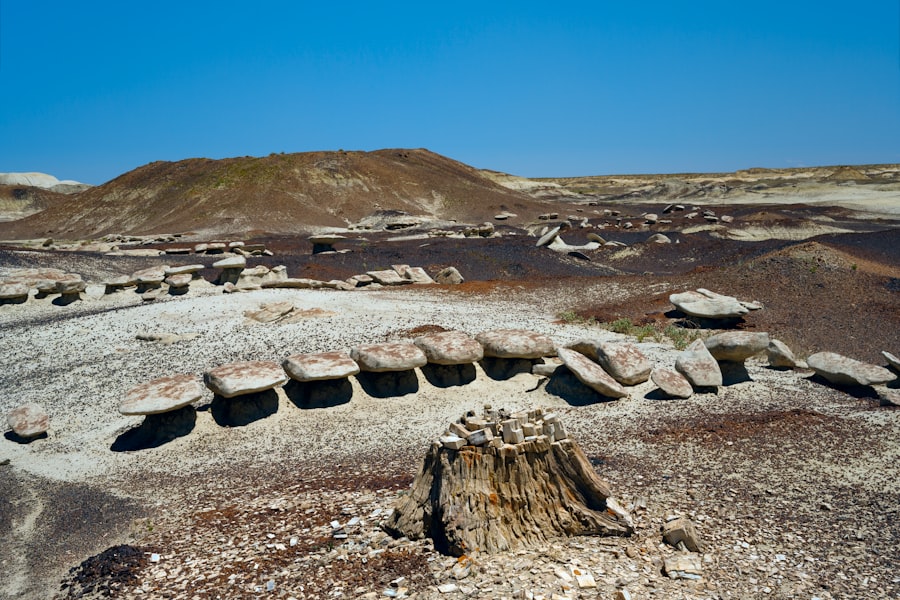
The collapse of Ugarit was not merely the end of a city; it was a symptom of a larger, world-altering crisis. The Late Bronze Age collapse, a poorly understood yet undeniably transformative event, saw the disintegration of established empires, the disruption of trade networks, and the descent of many regions into a so-called “Dark Age.” The lessons learned from these ruins continue to resonate.
The End of the Bronze Age World Order
The fall of Ugarit and its contemporaries marked the effective end of the interconnected and sophisticated world order of the Late Bronze Age. The grand empires that had dominated the region for centuries either collapsed or were severely weakened.
The “Dark Age” and the Decline of Literacy
Following the collapse, many regions experienced a period of decline, often referred to as a “Dark Age.” This period was characterized by a loss of centralized authority, a decline in urbanism, and, in many areas, a significant decrease in literacy. The sophisticated administrative and literary traditions of Ugarit would have been lost to the succeeding generations in many parts of the region.
The Rise of New Powers and Cultural Shifts
While the collapse was destructive, it also paved the way for new political entities and cultural developments. The fragmentation of the old order created opportunities for emerging powers, such as the Philistines and the early Israelites, to establish themselves. The cultural landscape of the Near East was profoundly altered.
Archaeological Insights into Collapse Mechanisms
The study of Ugarit, and indeed the entire Late Bronze Age collapse, provides invaluable insights into the complex interplay of factors that can lead to societal breakdown. It highlights the fragility of highly specialized and interdependent systems.
The Interconnectedness of Civilizations
Ugarit’s story underscores the deep interconnectedness of the ancient world. The disruption of trade, the fall of empires, and the movement of peoples had cascading effects that reverberated across vast distances.
Lessons for Modern Societies
While separated by millennia, the challenges faced by Ugarit and the wider Bronze Age world offer poignant lessons for modern societies. The importance of resilience, adaptability, the dangers of over-reliance on singular systems, and the delicate balance of power remain remarkably relevant. The echoes of Ugarit’s collapse serve as a stark reminder of the impermanence of even the most powerful civilizations.

How an Entire Civilization Collapsed
FAQs
What was the Ugarit Bronze Age Collapse?
The Ugarit Bronze Age Collapse refers to the sudden and mysterious downfall of the ancient city of Ugarit, located in modern-day Syria, around 1200 BCE. This event marked the end of the Late Bronze Age in the Eastern Mediterranean region.
What were the possible causes of the Ugarit Bronze Age Collapse?
Scholars have proposed various theories to explain the collapse of Ugarit, including invasions by the Sea Peoples, internal unrest, natural disasters, and economic decline. The exact cause remains a subject of debate among historians and archaeologists.
What was the significance of Ugarit in the Bronze Age?
Ugarit was a major urban center and a significant cultural and economic hub during the Late Bronze Age. It was known for its advanced civilization, trade networks, and literary achievements, including the discovery of the Ugaritic alphabet, which is considered one of the earliest known alphabets.
What impact did the Ugarit Bronze Age Collapse have on the region?
The collapse of Ugarit had far-reaching consequences for the Eastern Mediterranean region. It contributed to the decline of other major civilizations, such as the Hittites and Mycenaeans, and led to a period of instability and cultural disruption known as the “Dark Age” in the region.
How is the Ugarit Bronze Age Collapse relevant today?
The study of the Ugarit Bronze Age Collapse provides valuable insights into the complexities of ancient societies, the interconnectedness of civilizations, and the potential factors that can lead to the collapse of advanced civilizations. It also highlights the importance of understanding historical events in shaping the modern world.