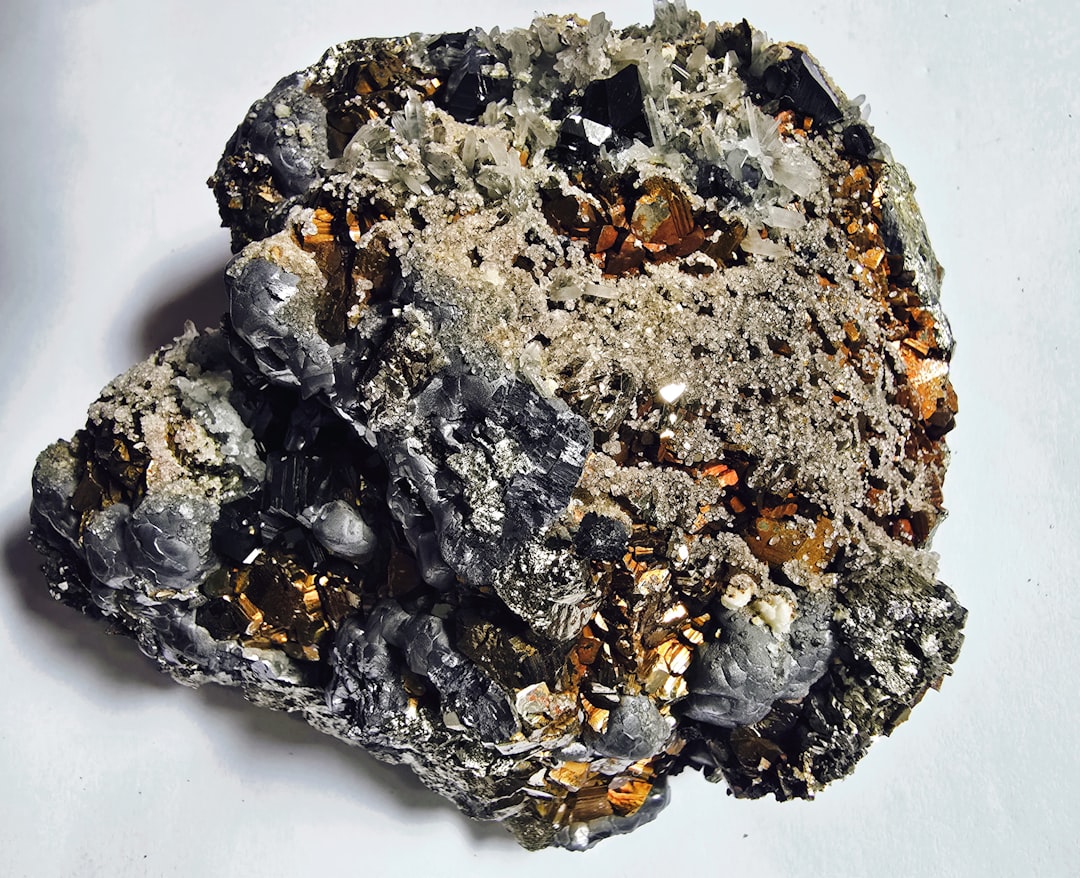
Uranium and copper deposits, often discovered intertwined, are not a mere geological coincidence. Their shared presence is a testament to fundamental principles of Earth’s formation and the complex interplay of physical and chemical processes that govern mineral genesis. Understanding this connection requires delving into the very fabric of the planet, examining the conditions under which these elements migrate, concentrate, and ultimately form the valuable ore bodies we extract. These interwoven deposits serve as a vital reminder that the Earth’s mineral wealth is a finely tuned symphony of elements, orchestrated by forces that have been at play for eons.
The Earth’s crust, a jigsaw puzzle of tectonic plates, is a dynamic entity. The constant movement and interaction of these plates are the primary drivers behind many geological phenomena, including the formation of ore deposits. Magma, the molten rock beneath the Earth’s surface, plays a crucial role in transporting and concentrating metals.
Subduction Zones as Melting Pots
Subduction zones, where one tectonic plate slides beneath another, are particularly prolific environments for ore formation. As the oceanic plate plunges into the mantle, it carries water and dissolved minerals with it. This water lowers the melting point of the overlying mantle wedge, leading to the generation of magma. This magma, now enriched with elements leached from the subducting plate and the mantle, rises towards the surface.
The Role of Water in Magma Generation
Water acts as a powerful flux, significantly reducing the temperature at which rock melts. The introduction of water into the hot mantle causes it to become buoyant and rise, initiating the melting process. This hydrated magma is also more chemically reactive, enabling it to carry a greater load of dissolved metals like copper and uranium.
Ascending Magma and Decompression Melting
As the magma ascends through the crust, it encounters progressively lower pressures. This decrease in pressure can also induce melting, a process known as decompression melting. This further contributes to the volume and chemical complexity of the rising magmatic material.
Igneous Intrusions and Hydrothermal Systems
Upon reaching the crust, magma often solidifies as igneous intrusions, such as batholiths or dikes. These intrusions are not inert; they continue to interact with the surrounding country rock and circulating groundwater. This interaction gives rise to hydrothermal systems, which are the workhorses of ore deposit formation.
The Heat Engine of Hydrothermal Systems
The residual heat from the cooling igneous intrusion acts as the engine for these hydrothermal systems. Hot, mineral-rich fluids, often derived from the cooling magma itself or from groundwater heated by the intrusion, circulate through fractures and pores in the surrounding rocks.
Fluid-Rock Interaction and Element Mobilization
As these hot fluids percolate through the crust, they react with the host rocks, dissolving and mobilizing various elements. This is where the connection between uranium and copper begins to solidify. Both elements are relatively mobile in certain hydrothermal fluid conditions.
Uranium and copper often occur together in geological formations due to their similar chemical properties and the processes that lead to their deposition. Both elements can be found in mineral deposits formed from hydrothermal solutions, which are hot, mineral-rich fluids that circulate through rocks. This relationship is explored in more detail in the article “The Decline of Literacy After the Dark Ages: Factors and Consequences,” which, while primarily focused on historical trends, also touches on the significance of resource availability and its impact on societal development. For more information, you can read the article here: The Decline of Literacy After the Dark Ages.
Shared Affinity: Chemical Properties and Solubility
The co-occurrence of uranium and copper is not solely a matter of being in the right place at the right time; it is also dictated by their inherent chemical properties. These properties influence how they behave in geological fluids, particularly in the high-temperature, high-pressure environments associated with hydrothermal systems.
Uranium’s Soluble Forms
Uranium exhibits variable oxidation states, with U(VI) being the most stable and soluble form in oxidizing aqueous environments. In this state, uranium typically exists as the uranyl ion (UO₂²⁺). This ion readily forms complexes with various ligands present in hydrothermal fluids, such as carbonate (CO₃²⁻), sulfate (SO₄²⁻), and fluoride (F⁻), further enhancing its solubility and capacity for transport.
The Uranyl Ion as a Mobile Carrier
The uranyl ion is a highly mobile species in hydrothermal fluids. Its presence in oxidized groundwater circulating through uranium-bearing source rocks allows for its efficient extraction and long-distance transport. Think of the uranyl ion as a skilled traveler, easily navigating the complex pathways within the Earth’s crust.
Complexation Enhances Transport
The formation of stable uranyl complexes with anions like carbonate and sulfate is crucial for maintaining uranium in solution. Without these complexes, uranium would readily precipitate out, limiting its potential for forming significant deposits.
Copper’s Diverse Solubilities
Copper, on the other hand, can exist in multiple oxidation states, most commonly Cu(I) and Cu(II). Its solubility in hydrothermal fluids is highly dependent on factors such as temperature, pressure, pH, and the presence of specific ligands.
Copper(I) and Copper(II) in Hydrothermal Fluids
In reducing environments, Cu(I) species are more stable and can form soluble complexes with sulfur species (e.g., bisulfide ions, HS⁻). In more oxidizing conditions, Cu(II) is prevalent and can form soluble complexes with oxygen-containing ligands, similar to uranium.
The Role of Sulfide in Copper Transport
The association of copper with sulfide is a fundamental aspect of its ore-forming processes. While copper can be mobilized as soluble ions, its ultimate precipitation into ore deposits often involves the presence of sulfur, forming copper sulfide minerals like chalcopyrite (CuFeS₂) and bornite (Cu₅FeS₄).
The Synergy of Oxidizing and Reducing Conditions
The interplay of oxidizing and reducing conditions within hydrothermal systems plays a significant role in the co-precipitation of uranium and copper. As hydrothermal fluids interact with different rock types and undergo changes in temperature and pressure, localized redox gradients can form.
Uranium Precipitation as Oxidizing Conditions Diminish
As hot, uranium-rich fluids cool or encounter reducing zones, the uranyl ion (U(VI)) becomes unstable, and uranium tends to precipitate, often as uranium oxides (e.g., uraninite, UO₂). This precipitation is frequently triggered by a decrease in oxygen availability or the presence of reducing agents like organic matter or certain minerals.
Copper Precipitation Enhanced by Sulfidation
Copper precipitation often occurs when mineralizing fluids encounter sulfide-rich rocks or when the concentration of sulfide ions in the fluid increases. The formation of insoluble copper sulfides locks the copper into solid mineral forms.
Geological Settings: Environments of Deposition

The geological environments where uranium and copper deposits form are often characterized by specific tectonic settings and rock types that facilitate their co-accumulation. These settings provide the necessary plumbing systems and source rocks for both elements.
Porphyry Deposits: Copper Giants with Uranium Companions
Porphyry copper deposits are vast, low-grade copper deposits associated with large, shallow intrusions of granodioritic to dioritic magma. While primarily known for copper, these deposits can also host significant uranium mineralization, particularly in their peripheral zones or breccia pipes.
The Role of Large Igneous Intrusions
The immense volumes of magma involved in porphyry systems provide a powerful heat source and a significant reservoir of metals. As this magma cools and crystallizes, it exsolves mineralizing fluids that migrate outwards.
Hydrothermal Alteration and Metal Zoning
The characteristic hydrothermal alteration zones surrounding porphyry intrusions are crucial for metal deposition. Different alteration assemblages reflect variations in fluid chemistry and temperature gradients, often leading to a zoning of metals, with copper typically concentrated closer to the intrusion and other metals, including uranium, found in surrounding areas.
Breccia Pipes as Uranium Traps
Breccia pipes, often associated with porphyry systems, act as conduits for fluid flow and can serve as effective traps for precipitated uranium minerals. The fractured nature of breccia allows for significant fluid interaction and subsequent deposition.
Unconformity-Related Deposits: A Uranium Hotspot with Copper Guests
Unconformity-related uranium deposits are often found associated with unconformities – erosional surfaces that separate younger sedimentary rocks from older basement rocks. These deposits are among the most economically significant uranium deposits globally, and they frequently contain associated copper mineralization.
The Basement Rocks as Source and Sink
The older basement rocks, often metamorphic or igneous, can contain disseminated uranium. These rocks, fractured and altered by hydrothermal processes, act as both the source and a potential depositional site for uranium.
The Unconformity as a Fluid Trap
The unconformity itself acts as an impermeable layer or a zone of reduced permeability, trapping mineralizing fluids migrating upwards from the basement. This trapping mechanism concentrates dissolved metals.
Paleoweathering and Groundwater Flow
Periods of paleoweathering can create redox interfaces and alter the chemistry of groundwater, facilitating the leaching of uranium from the basement rocks and its subsequent deposition at the unconformity. Copper can be mobilized and deposited concurrently or in slightly different zones within this complex system.
Sedimentary-Hosted Deposits: Overlapping Mineralizing Fluids
Certain sedimentary-hosted deposits, particularly those formed in reducing environments, can also exhibit co-occurrence of uranium and copper. These deposits are often vast and relatively low-grade.
Organic Matter as a Key Factor
The presence of abundant organic matter in sedimentary basins is crucial for the formation of these deposits. Organic matter acts as a reducing agent, promoting the precipitation of both uranium and sulfide minerals, which are critical for copper deposition.
Paleochannels and Fluid Pathways
Ancient river channels or other paleochannels within sedimentary sequences can act as conduits for mineralizing fluids. As these fluids migrate through the organic-rich sediments, uranium and copper are leached and then precipitated as chemical conditions change.
Alteration and Mineral Assemblages: The Fingerprints of Co-deposition

The presence of both uranium and copper in a deposit leaves distinct geological fingerprints, observable in the alteration patterns of the host rocks and the specific mineral assemblages present. These telltale signs are the geologist’s clues to understanding the history and genesis of the mineralization.
Hydrothermal Alteration Styles
Hydrothermal alteration refers to changes in the mineralogy and texture of rocks caused by the circulation of hot, chemically active fluids. Different alteration styles are associated with different mineralizing processes.
Silicification and Argillic Alteration
Silicification, the addition of silica to rocks, and argillic alteration, the formation of clay minerals, are common alteration types in environments where both uranium and copper deposits form. These alterations can indicate extensive fluid flow and interaction.
K-Feldspar and Sericite Alteration
Potassium feldspar alteration and sericite alteration are often associated with the high-temperature zones of porphyry copper deposits, which can also host uranium. The specific types and intensities of these alterations provide insights into the conditions under which metals were mobilized and deposited.
Characteristic Mineral Paragenesis
Paragenesis refers to the order in which minerals form in a deposit. The co-occurrence of uranium and copper minerals allows for the reconstruction of the deposit’s formation history.
Uranium Oxides and Silicates
Uranium is commonly found as uranium oxides, such as uraninite (UO₂) and pitchblende (a massive form of uraninite), or as uranium silicates. The precipitation of these minerals often occurs under oxidizing conditions, which may also allow for the co-deposition of certain copper minerals.
Copper Sulfides and Oxides
Copper deposits are characterized by a variety of copper sulfide minerals, including chalcopyrite, bornite, chalcocite (Cu₂S), and covellite (CuS). Copper oxides, such as cuprite (Cu₂O) and tenorite (CuO), can also be present, particularly in oxidized near-surface environments.
The Overlap Zone: Where Uranium and Copper Meet
In deposits where uranium and copper are found together, geologists look for specific mineral assemblages that indicate overlapping depositional conditions. For instance, zones where uraninite is found in close proximity to chalcopyrite or bornite suggest that fluid conditions were conducive to the precipitation of both elements within the same area.
Redox Interfaces as Mineralization Crucibles
Redox interfaces, zones where oxidizing and reducing conditions meet, are particularly important for the simultaneous precipitation of uranium and copper. Uranium precipitates as oxidizing conditions wane, while copper, often transported as sulfides, can precipitate when sulfide availability increases or when the fluid chemistry shifts.
Uranium and copper often occur together in geological formations due to their similar chemical properties and the processes that lead to their deposition. This relationship can be further explored in the context of mineral deposits and ancient mining practices. For a deeper understanding of how these elements were historically significant, you can read about the trends in ancient city abandonment and the resources that influenced them in this article on ancient city abandonment.
Exploration and Economic Significance: Unlocking Earth’s Resources
| Metric | Uranium | Copper | Relation/Reason for Co-occurrence |
|---|---|---|---|
| Geological Setting | Found in sedimentary rocks, granitic intrusions, and hydrothermal veins | Commonly found in hydrothermal veins and sedimentary deposits | Both elements can be deposited by hydrothermal fluids in similar geological environments |
| Oxidation States | Uranium typically occurs as U4+ and U6+ | Copper commonly occurs as Cu+ and Cu2+ | Similar redox conditions favor the mobilization and deposition of both metals |
| Mineral Associations | Uraninite, coffinite | Chalcopyrite, bornite | Hydrothermal alteration zones often contain both uranium and copper minerals |
| Hydrothermal Fluid Temperature | 100-300°C | 100-350°C | Overlapping temperature ranges allow simultaneous precipitation |
| pH Conditions | Neutral to slightly acidic | Neutral to slightly acidic | Similar pH conditions promote co-precipitation |
| Economic Importance | Fuel for nuclear energy | Electrical wiring and industrial applications | Co-location can enhance mining efficiency and economic value |
The recognition of the connection between uranium and copper deposits has profound implications for mineral exploration and the economic extraction of these vital resources. Understanding these geological relationships allows geoscientists to target exploration efforts more effectively.
Targeting Exploration Strategies
Knowing that uranium and copper often occur together allows exploration geologists to employ more integrated exploration strategies. A prospect initially explored for copper might reveal uranium mineralization, and vice versa. This realization expands the potential economic value of a discovery.
Geochemical Signatures
Analyzing stream and soil samples for elevated levels of both uranium and copper can indicate underlying mineralization. The ratio of uranium to copper in geochemical anomalies can also provide clues about the type of deposit being targeted.
Geophysical Methods
Geophysical methods, such as radiometric surveys (sensitive to uranium) and magnetic or electromagnetic surveys (sensitive to sulfide minerals associated with copper), can be used to identify broad areas of interest. When both uranium and copper signatures are detected in the same region, it heightens the probability of discovering a co-mineralized deposit.
Integrated Resource Development
The co-occurrence of economically valuable quantities of both uranium and copper can lead to integrated resource development strategies, making projects more economically viable. This can particularly be the case in regions where both commodities are in demand.
Reduced Exploration Costs
Discovering both metals in a single deposit can reduce the overall exploration costs associated with developing separate uranium and copper mines. The infrastructure and exploration permits might be shared, leading to greater efficiency.
Enhanced Project Economics
The combined value of uranium and copper extracted from a single deposit can significantly enhance the economic viability of a mining project. This is especially true if market prices for both commodities are favorable.
The Importance of Understanding Genetic Models
A thorough understanding of the genetic models for co-mineralization – how these deposits form together – is crucial for successful exploration and mining. These models are the foundation upon which all exploration and development decisions are built.
Refining Prospectivity Maps
Detailed geological mapping and the compilation of existing exploration data, guided by genetic models, allows for the creation of refined prospectivity maps that highlight areas with the highest potential for hosting co-mineralized deposits.
Predicting Ore Localization
Genetic models help predict where the highest concentrations of uranium and copper are likely to occur within a mineralized system. This guides drilling programs and mine planning, ensuring that exploration and development efforts are focused on the most promising zones.
This inherent connection, woven into the very geological tapestry of our planet, underscores the intricate relationships that govern the formation of Earth’s mineral wealth. The discovery and extraction of these intertwined deposits are a testament to our evolving understanding of geological processes and our ability to harness the resources that lie beneath our feet.
FAQs
1. Why are uranium and copper often found together in nature?
Uranium and copper are often found together because they can both form in similar geological environments, such as hydrothermal veins and sedimentary deposits. The mineral-rich fluids that deposit copper can also carry uranium, leading to their co-occurrence.
2. What types of geological formations commonly contain both uranium and copper?
Both uranium and copper are commonly found in hydrothermal veins, sedimentary rocks like sandstones, and volcanic-related deposits. These environments provide the right conditions for the minerals containing these elements to precipitate and accumulate.
3. Does the presence of copper affect the extraction of uranium?
Yes, the presence of copper can influence uranium extraction. Copper minerals may require different processing techniques, and their presence can complicate the separation and refining of uranium during mining operations.
4. Are uranium and copper chemically related?
No, uranium and copper are not chemically related. Uranium is a radioactive actinide metal, while copper is a transition metal. Their association in deposits is due to geological processes rather than chemical similarity.
5. What economic significance does the co-occurrence of uranium and copper have?
The co-occurrence of uranium and copper can be economically significant because mining operations can extract both valuable metals from the same deposit, potentially reducing costs and increasing profitability for mining companies.