
The Controversial Skeleton of America
The whispers had begun decades ago, a murmur among the fringes of scientific and historical communities, a gnawing unease that refused to be silenced. It spoke of a presence, a tangible artifact that, if true, would fundamentally rewrite the narrative of the American past. This was no mere legend or folklore; it was the suggestion of a physical entity, a “skeleton,” that held the key to a history America had either deliberately buried or, perhaps, had never truly acknowledged. The very idea of such a skeleton, an embodiment of the nation’s foundational traumas and triumphs, was enough to ignite fierce debate, to provoke both fervent belief and vehement denial. It was, and remains, the controversial skeleton of America, a concept that probes the very marrow of national identity.
The notion of a controversial skeleton predates the formal establishment of the United States by centuries. It is intrinsically linked to the earliest European encounters with the Americas, a period rife with intellectual and theological upheaval. As explorers ventured across the Atlantic, they encountered civilizations and peoples previously unknown to the Old World. These discoveries challenged established biblical chronologies and theories of human origin, prompting intense speculation. The skeleton, in this nascent form, was less a specific artifact and more a conceptual placeholder for the vast, unknown history that existed before European arrival.
Theological Quandaries and the Age of Discovery
The prevailing worldview of 15th and 16th century Europe was heavily influenced by religious doctrine. The Bible provided a framework for understanding the creation of the world and the lineage of humanity, largely centered around the Near East and Europe. The discovery of sophisticated societies in the Americas, with their own complex histories and seemingly unconnected origins, presented a profound challenge. Where did these people fit into the biblical narrative? Were they descendants of a lost tribe, perhaps one of the ten lost tribes of Israel? Or did they represent an entirely separate creation event, an idea that bordered on heresy for many? The “skeleton” in this context represented the physical evidence that could either confirm or refute these burgeoning theories, a tangible link to an ancient, non-European past that had to be reconciled with established dogma.
Early Ethnographic Encounters and the Birth of “Otherness”
As exploration gave way to settlement, Europeans began to interact more directly with indigenous populations. The accounts of these early encounters, while often imbued with fascination, also laid the groundwork for what would become a pervasive sense of “otherness.” Indigenous peoples were frequently described in terms of their perceived exoticism, their “primitive” ways, and their apparent lack of connection to the European historical trajectory. The idea of an ancient indigenous skeleton, unearthed from the soil of the New World, would have carried immense weight. It could have served as proof of a civilization that predated even the earliest European settlements, a testament to a history that was not initiated by European arrival. This would have been a radical concept, potentially undermining the very justifications for colonization and conquest.
The Unacknowledged Pasts of North America
Long before the arrival of Europeans, North America was home to a tapestry of human cultures, some of which reached remarkable levels of complexity. The mounds of the Ohio River Valley, the intricate societies of the Mississippian culture, and the enduring legacies of numerous other groups all point to a deep and rich history. The “controversial skeleton” idea begins to take shape when one considers how this pre-Columbian past was often overlooked or actively suppressed in the dominant historical narratives that emerged in the post-colonial era. The skeleton, in this evolving concept, becomes a symbol of this unacknowledged past, a physical representation of a history that was not sung by the victors.
The discovery of America’s most controversial skeleton has sparked intense debates among historians and archaeologists, shedding light on the complexities of our past. For those interested in understanding how to prepare for unexpected events, such as natural disasters that can unearth historical artifacts, a related article offers valuable insights. You can read more about essential tips for preparation and safety in the face of natural calamities by visiting this link: Surviving Natural Disasters: Tips for Preparation and Safety.
The Skeleton as a Symbol of Indigenous Sovereignty and Erasure
As the United States expanded its territory and solidified its identity, the presence and history of its indigenous peoples became an increasingly complex and often painful issue. The concept of the controversial skeleton transformed to encompass the profound implications for indigenous sovereignty and the historical erasure that characterized much of American expansion. The unearthed remains of ancient inhabitants were not merely scientific curiosities; they were the ancestors of living peoples, and their treatment and interpretation became a battleground for cultural recognition and historical justice.
The Bones of Contention: Repatriation and NAGPRA
The late 20th century witnessed a significant shift in the discourse surrounding the treatment of indigenous remains. The passage of the Native American Graves Protection and Repatriation Act (NAGPRA) in 1990 was a landmark moment, giving Native American tribes the legal right to reclaim ancestral remains and associated funerary objects from museums and federal institutions. This legislation directly addressed the historical practice of excavating and collecting indigenous burials without consent, often for the sake of scientific study or the acquisition of valuable artifacts. The “controversial skeleton” in this context refers to any skeletal remains whose ownership and provenance are disputed, where scientific claims clash with the cultural and ancestral rights of indigenous communities.
The Ethical Minefield of Archaeological Excavation
Archaeological practices have evolved significantly over time, but historical excavations often occurred in ethically dubious circumstances. The unearthing of indigenous burial sites, sometimes carried out with little regard for the wishes of living descendants, created a legacy of contentious remains. Museums and universities amassed vast collections of skeletal material, treating them as scientific specimens rather than the sacred belongings of specific peoples. The “controversial skeleton” represents the unresolved cases, the instances where the desire for scientific knowledge was prioritized over respect for human dignity and cultural heritage. These are the bones that carry the weight of past injustices.
The Power of Ancestral Connection: Cultural Rights vs. Scientific Inquiry
The debate surrounding repatriated remains often pits the rights of indigenous communities to honor and connect with their ancestors against the scientific imperative to understand human history and evolution. For Native American tribes, the skeletal remains of their ancestors are not simply biological data; they are living links to their past, their traditions, and their spiritual beliefs. The “controversial skeleton” highlights the tension between these two perspectives, forcing a reckoning with the human cost of past scientific endeavors and advocating for a more collaborative and respectful approach to archaeological research.
The Echoes of Genocide and Cultural Loss
Beyond the legal and ethical dimensions, the “controversial skeleton” also serves as a potent symbol of the profound trauma inflicted upon indigenous populations through colonization, displacement, and cultural genocide. The very act of unearthing and displaying the remains of those who suffered and died as a result of these historical forces can be deeply re-traumatizing. The skeleton becomes a somber reminder of lost lives, stolen lands, and the systematic attempts to eradicate indigenous cultures. Its controversy lies in its ability to evoke these painful historical truths and challenge the often-sanitized narratives of American progress.
The Skeleton as a Metaphor for the Unsettling American Past

The concept of the controversial skeleton transcends the literal. It has evolved into a powerful metaphor for the aspects of America’s past that are uncomfortable, contested, and often deliberately obscured. These are the skeletons in the national closet, the inconvenient truths that, if fully acknowledged, would necessitate a profound re-evaluation of national identity and historical narratives.
The Legacy of Slavery and Racial Injustice
Perhaps one of the most potent interpretations of the “controversial skeleton” is its connection to the enduring legacy of slavery and systemic racism in America. The millions of enslaved Africans brought to the continent and their descendants have a history deeply intertwined with violence, exploitation, and dehumanization. The physical remains of those who perished under the brutal conditions of slavery, or the skeletal evidence of the societal structures that perpetuated racial inequality, represent a historical truth that has been a source of profound national trauma and ongoing struggle. The “controversial skeleton” in this sense embodies the spectral presence of this injustice, a reminder that the foundations of the nation are built on a history that continues to cast a long shadow.
Unearthing the Truths of the Middle Passage
The horrific conditions of the Middle Passage, the transatlantic journey of enslaved Africans, resulted in the deaths of millions. The skeletal remains of those who perished at sea, if they could be found and identified, would represent a stark and undeniable testament to the barbarity of the slave trade. While direct archaeological evidence of these mass graves is scarce, the concept of the “controversial skeleton” can serve as a powerful reminder of this unacknowledged tragedy and the immense human cost of chattel slavery.
The Lingering Specter of Jim Crow and Segregation
Even after the abolition of slavery, the systemic oppression of Black Americans continued through Jim Crow laws and segregation. The violence, discrimination, and economic disenfranchisement inflicted upon generations of African Americans have left indelible scars. The “controversial skeleton” can symbolize the unearthed evidence of this enduring injustice, the physical manifestations of societal structures that continue to impact contemporary America. It’s the uncomfortable truth of how the promise of freedom remained unfulfilled for a significant portion of the population.
The Unfinished Business of Social Justice
The ongoing movements for social justice in America, from civil rights to contemporary calls for racial equity, are directly engaged with the “controversial skeleton” of the nation’s past. These movements seek to unearth the hidden histories, to give voice to the silenced, and to confront the enduring consequences of historical injustices. The skeleton, as a metaphor, represents the remnants of these unresolved issues, the aspects of American history that refuse to stay buried and continue to demand attention and redress.
The Skeleton in the Scientific and Historical Archives
Beyond the symbolic, the “controversial skeleton” also exists in the tangible realm of scientific and historical archives. These are the actual skeletal remains that have been excavated, studied, and preserved, often with a history of disputed ownership, controversial acquisition, or ethically questionable research. The controversy here lies in the very process of their collection and the narratives that have been constructed around them.
The Ethics of Early Paleontology and Anthropology
The early days of paleontology and anthropology were often characterized by a less rigorous ethical framework than what is considered standard today. Discoveries of ancient hominid remains, or significant human burials, were sometimes made in ways that prioritized scientific advancement over respect for the dead or the rights of indigenous peoples. The “controversial skeleton” in this context refers to specimens whose provenance is unclear, whose acquisition methods are questionable, or whose initial interpretation has been challenged by later research or descendant communities.
The Case of the “First American” and its Revisions
For decades, the debate over the identity and origins of the earliest inhabitants of the Americas has been fueled by the discovery and reinterpretation of skeletal remains. Theories about the peopling of the continent have shifted dramatically with new evidence, often leading to controversy. The “controversial skeleton” can represent these pivotal discoveries, such as the Kennewick Man, whose skeletal remains sparked intense legal and cultural battles over ownership and scientific study, and whose reburial has become a symbol of evolving relationships between science and indigenous rights.
The Power of Reinterpretation and DNA Analysis
Advances in scientific techniques, particularly DNA analysis, have revolutionized our understanding of ancient populations. Skeletal remains that were once interpreted through a limited lens can now be re-examined with unprecedented detail. This reinterpretation often challenges previous assumptions and can lead to controversy, particularly when it revises established narratives or contradicts the interpretations of earlier researchers. The “controversial skeleton” in this scenario highlights the dynamic nature of scientific inquiry and the ongoing process of revising historical understanding.
The Museums and the Weight of History
Many museums across America house significant collections of human skeletal remains. While these collections are invaluable for scientific research and public education, they can also be sites of controversy. The origins of these collections, the methods by which they were acquired, and the narratives surrounding their display all contribute to the potential for controversy. The “controversial skeleton” within a museum setting can represent a specimen whose presence is ethically problematic or whose story has been misrepresented.
Exhibiting the Ancestors: Respect and Representation
The exhibition of human skeletal remains, particularly those of indigenous peoples, is a sensitive matter. Museums grapple with the ethical considerations of displaying ancestors, balancing the educational value with the potential for disrespect and re-traumatization. The “controversial skeleton” in a museum exhibit might be one that is displayed without proper context, without adequate consultation with descendant communities, or in a way that perpetuates harmful stereotypes.
The Unseen Collections and the Call for Transparency
Beyond the visible exhibits, many museums hold vast, often unseen, collections of human skeletal remains in their archives. The ongoing efforts to catalogue, research, and potentially repatriate these remains are part of the continuing dialogue surrounding the “controversial skeleton.” Transparency about these collections and proactive engagement with descendant communities are crucial steps in addressing the historical controversies and fostering a more ethical approach to the study of human remains.
The story of America’s most controversial skeleton continues to spark debate among historians and archaeologists, drawing attention to the complexities of our past. For those interested in exploring the broader implications of historical narratives, a related article delves into the mysteries of urban legends and hidden histories. You can read more about these intriguing topics in the article titled “City of Secrets: The Unsinkable City” found here. This piece offers a fascinating perspective on how cities conceal their secrets, much like the controversies surrounding the skeleton itself.
The Future of America’s Bones: Towards Reconciliation and Understanding
| Metric | Details |
|---|---|
| Name | Kennewick Man |
| Age | Approximately 9,000 years old |
| Location Found | Columbia River, Kennewick, Washington |
| Year Discovered | 1996 |
| Controversy | Ownership and repatriation disputes between Native American tribes and scientists |
| Scientific Significance | One of the oldest and most complete skeletons found in North America |
| Physical Characteristics | Height: ~5’7″, robust build, Caucasoid features |
| Current Status | Reburied in 2017 after DNA analysis confirmed Native American ancestry |
The “controversial skeleton of America” is not a static entity, but a living, evolving concept that reflects the nation’s ongoing struggle to confront its past. The debates it engenders are not about finding a single, definitive answer, but about fostering a deeper understanding of the complexities of American history and the diverse voices that have shaped it. The future of America’s bones, both literal and metaphorical, lies in the pursuit of reconciliation, respect, and a more inclusive and honest historical narrative.
Bridging the Divide: Collaboration and Dialogue
The resolution of controversies surrounding skeletal remains, whether they be ancient indigenous burials or the spectral legacies of slavery, hinges on collaboration and dialogue. Museums, scientific institutions, government agencies, and descendant communities must work together to develop ethical protocols for the excavation, study, and care of human remains. The “controversial skeleton” serves as a catalyst for these crucial conversations, pushing for a more equitable and respectful approach to confronting the past.
From Confrontation to Collaboration in Archaeological Practices
The future of archaeology in America must move beyond the adversarial relationships that have sometimes defined the field. Embracing principles of community archaeology, where indigenous communities are active partners in research and interpretation, offers a path forward. The “controversial skeleton” can be seen as an invitation to reimagine archaeological practices, transforming them from sites of potential conflict into arenas of shared discovery and mutual respect.
The Role of Education in Fostering Historical Empathy
Education plays a vital role in shaping future generations’ understanding of America’s complex history. By incorporating diverse perspectives and acknowledging the often-uncomfortable truths that the “controversial skeleton” represents, educational institutions can foster greater historical empathy. This involves moving beyond simplistic narratives and engaging with the nuanced realities of conquest, oppression, and resistance that have shaped the nation.
Unearthing a Shared Future: Towards a More Honest Reckoning
The “controversial skeleton of America” ultimately calls for a more honest reckoning with the nation’s past. It is a reminder that history is not a static monolith, but a dynamic and contested terrain. By confronting the uncomfortable truths embodied by these skeletons, both literal and metaphorical, America can move towards a future that is more inclusive, more just, and more reflective of the diverse experiences of all its people. The controversies surrounding these bones are not obstacles to progress, but necessary steps on the path to a more complete and authentic understanding of what it means to be American. The skeleton, in its controversial glory, is a vital, albeit unsettling, piece of the American puzzle, demanding that the nation look deeply into its own foundations and grapple with the profound legacies that continue to shape its present and its future.
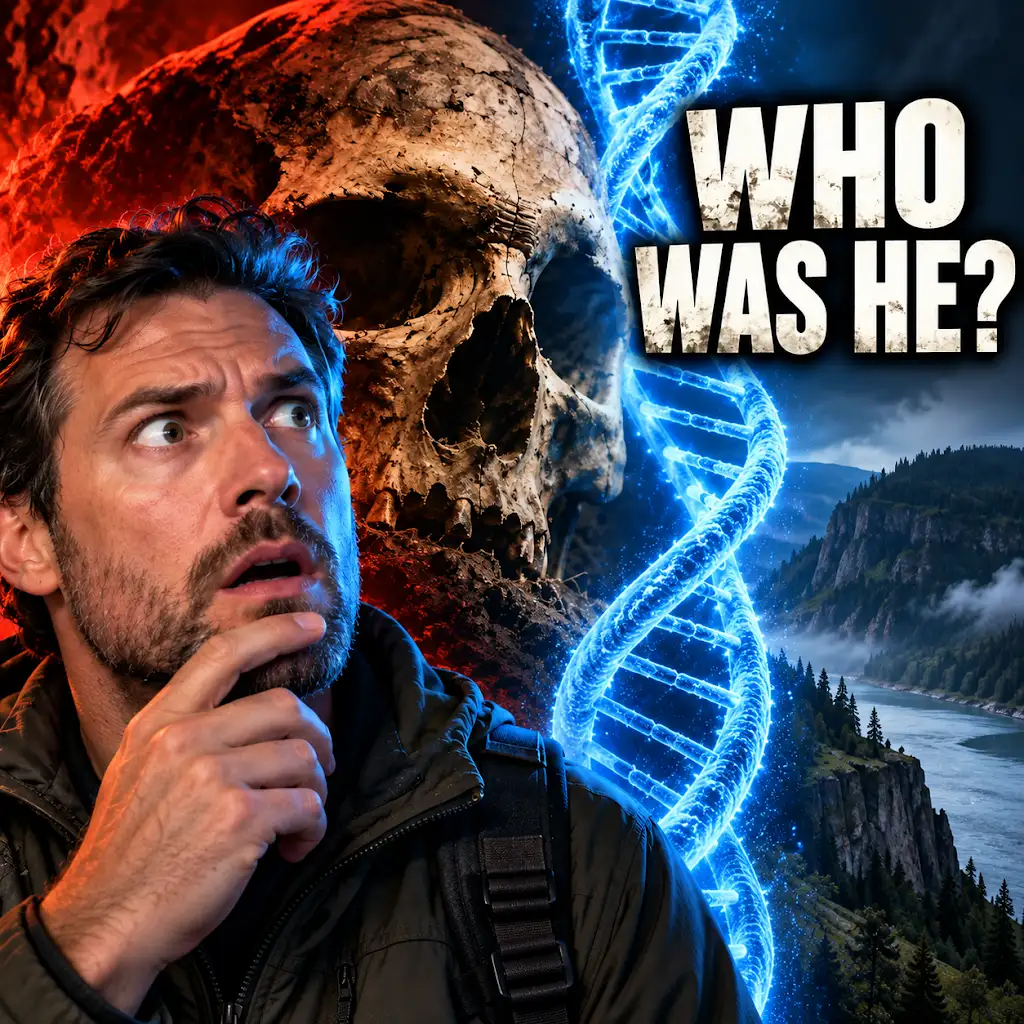
Kennewick Man’s Skull Said One Thing. DNA Said Another.
FAQs
What is America’s most controversial skeleton?
The most controversial skeleton in America is the Kennewick Man, also known as the Ancient One.
Where was the Kennewick Man discovered?
The Kennewick Man was discovered in 1996 along the banks of the Columbia River in Kennewick, Washington.
Why is the Kennewick Man controversial?
The controversy surrounding the Kennewick Man stems from the debate over his ancestry and the legal battle over his remains between Native American tribes and scientists.
What is the significance of the Kennewick Man?
The Kennewick Man is significant because his remains are one of the oldest and most complete skeletons ever found in North America, dating back over 9,000 years.
What was the outcome of the legal battle over the Kennewick Man’s remains?
After years of legal battles, the Kennewick Man’s remains were eventually returned to Native American tribes for reburial in 2017.